Darb Toll Abu Dhabi 2025: Fees, Timings & Exemptions Guide
Abu Dhabi Darb toll charges AED 4 during rush hours (7-9am, 5-7pm). Four bridge locations, daily AED 16 cap, automatic plate recognition system.
By Vadim Kouznetsov, published

Abu Dhabi’s Darb toll system charges AED 4 per crossing during weekday rush hours (7-9am and 5-7pm) when driving into the city via four bridge toll gates. The system automatically recognises number plates without requiring physical tags, with daily caps of AED 16 and monthly caps ranging from AED 100-200 per vehicle.
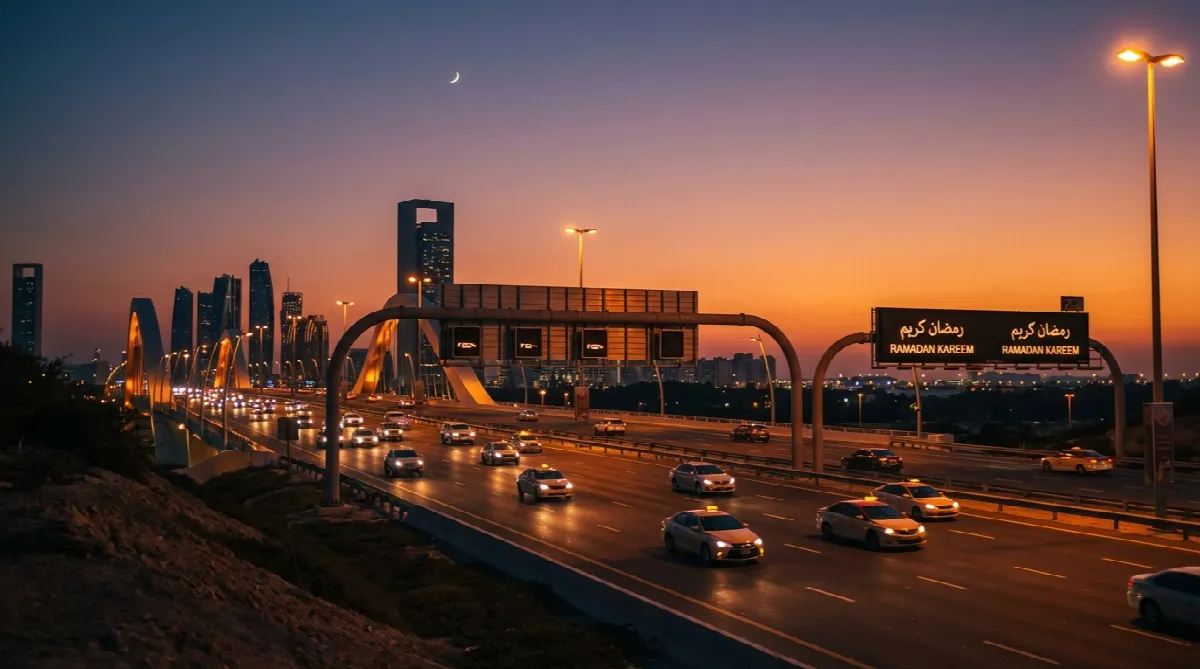
The Darb toll system forms part of Abu Dhabi’s comprehensive strategy to reduce traffic congestion and encourage public transport usage. Managed by Q Mobility, this automated system operates exclusively on bridges leading into Abu Dhabi island, applying charges only during peak commuting periods.
Where are the Darb toll gates located?
Four toll gates monitor access to Abu Dhabi city via major bridges:
- Sheikh Zayed Bridge – Primary gateway from Dubai direction
- Sheikh Khalifa Bridge – Eastern approach route
- Al Maqtaa Bridge – Western access point
- Mussafah Bridge – Industrial area connection
All toll gates use automatic number plate recognition technology, eliminating the need for physical transponders or tags on vehicles.
When do Darb toll charges apply?
Charges apply exclusively during weekday peak hours when traffic congestion is highest:
Morning peak period: 7:00am – 9:00am Evening peak period: 5:00pm – 7:00pm Charge per crossing: AED 4
No charges apply during:
- Sundays (weekend exemption)
- Official UAE public holidays
- Off-peak hours on weekdays
- Saturday travel
How much does the Darb toll system cost?
The pricing structure includes protective caps to prevent excessive charges for regular commuters:
Per crossing fee: AED 4 during peak hours
Daily limits:
- Maximum AED 16 per vehicle per day
Monthly caps (per vehicle):
- First vehicle: AED 200 monthly cap
- Second vehicle: AED 150 monthly cap
- Third vehicle: AED 100 monthly cap
Vehicle order can be adjusted through the Darb platform, with changes taking effect the following month.
How are Darb toll payments collected?
Payment methods differ based on vehicle registration location:
Abu Dhabi registered vehicles:
- Auto-payment can be enabled or disabled through Darb system
- Direct deduction from linked payment methods
Non-Abu Dhabi vehicles:
- Automatic deduction from pre-funded Darb wallet
- Vehicle must be registered on Darb platform
- Outstanding fees must be cleared before registration changes
Which vehicles are exempt from Darb tolls?
Automatic exemptions (no application required):
- Emergency services: ambulances, police, armed forces, civil defence
- Public transport: buses and school buses
- Authorised Abu Dhabi taxis
- Motorcycles and trailers
- Passenger buses with 26+ seat capacity
Application-required exemptions:
- People of Determination: one vehicle per person
- Senior citizens (UAE nationals): one vehicle per person
- Retired UAE citizens: one vehicle per person
- Low-income UAE families: one vehicle per family
Exemption applications require approval through the Darb platform and periodic renewal.
Do you need to install equipment for Darb tolls?
No physical equipment installation is required. The system uses automatic number plate recognition cameras to identify vehicles passing through toll gates. Vehicle registration on the Darb platform links your number plate to payment methods.
What happens if you don’t pay Darb tolls?
Outstanding toll fees prevent vehicle registration renewals, cancellations, exports, or amendments until payment is complete. The system tracks all crossings automatically, maintaining accurate fee records for each registered vehicle.
How do you register for the Darb toll system?
Vehicle registration occurs through the official Darb platform:
- Create account using Emirates ID or passport details
- Add vehicle information including number plate and registration documents
- Link payment method for automatic fee deduction
- Activate service to begin toll collection
Non-Abu Dhabi vehicles must complete registration before using toll bridges during peak hours.
Can you avoid Darb toll charges?
Legal methods to avoid charges include:
- Travel timing: Use bridges outside peak hours (before 7am, 9am-5pm, after 7pm)
- Weekend travel: No charges on Sundays or public holidays
- Alternative routes: Use routes not requiring bridge access to Abu Dhabi island
- Public transport: Buses and metro services are exempt
Frequently Asked Questions
How much does it cost to cross Abu Dhabi bridges during rush hour?
Each crossing costs AED 4 during peak hours (7-9am and 5-7pm on weekdays).
Do I need to install a tag for Darb tolls?
No, the system uses automatic number plate recognition without requiring physical tags.
What is the maximum daily charge for Darb tolls?
Daily charges are capped at AED 16 per vehicle regardless of crossing frequency.
Are weekends charged for Darb tolls?
No charges apply on Sundays or official UAE public holidays.
How do I apply for Darb toll exemptions?
Eligible categories can apply through the official Darb platform with required documentation.
Can I change my vehicle order for monthly caps?
Yes, vehicle priority order can be adjusted through your Darb account, effective the following month.
What bridges have Darb toll gates?
All four major bridges: Sheikh Zayed, Sheikh Khalifa, Al Maqtaa, and Mussafah bridges.
Do motorcycles pay Darb tolls?
No, motorcycles and trailers are automatically exempt from all toll charges.
Key Takeaway
Abu Dhabi’s Darb toll system operates automatically during weekday rush hours, charging AED 4 per crossing with protective daily and monthly caps. The system requires no physical tags, uses number plate recognition, and offers exemptions for various vehicle categories and eligible residents, effectively managing traffic flow into the city centre.
Further Reading
The UAE week, every Monday
The week's stories on jobs, visas, money and daily life in one short email. Unsubscribe in one click.