How to Send Money Without a Bank Account in UAE: 2025 Guide
No bank account? No problem. Discover how to send money from the UAE using digital wallets, prepaid cards, and remittance apps like Al Ansari and Botim.
By Vadim Kouznetsov, published
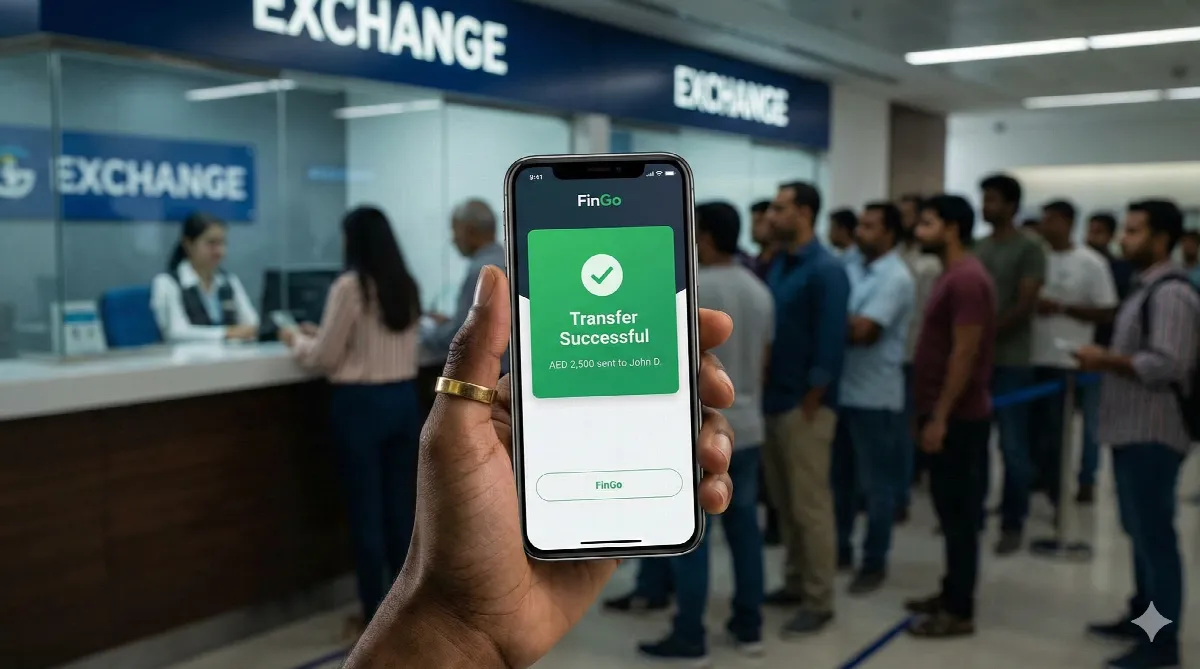
For many residents in the UAE—including freelancers, new arrivals, and blue-collar workers—opening a traditional bank account can be a hurdle. Strict salary requirements or documentation barriers often leave people feeling cut off from essential financial services.
But being “unbanked” no longer means being disconnected.
Thanks to a boom in fintech, digital wallets and prepaid cards have revolutionized how residents manage their money. You can now receive your salary, pay bills, and send money home instantly without ever stepping foot in a bank branch.
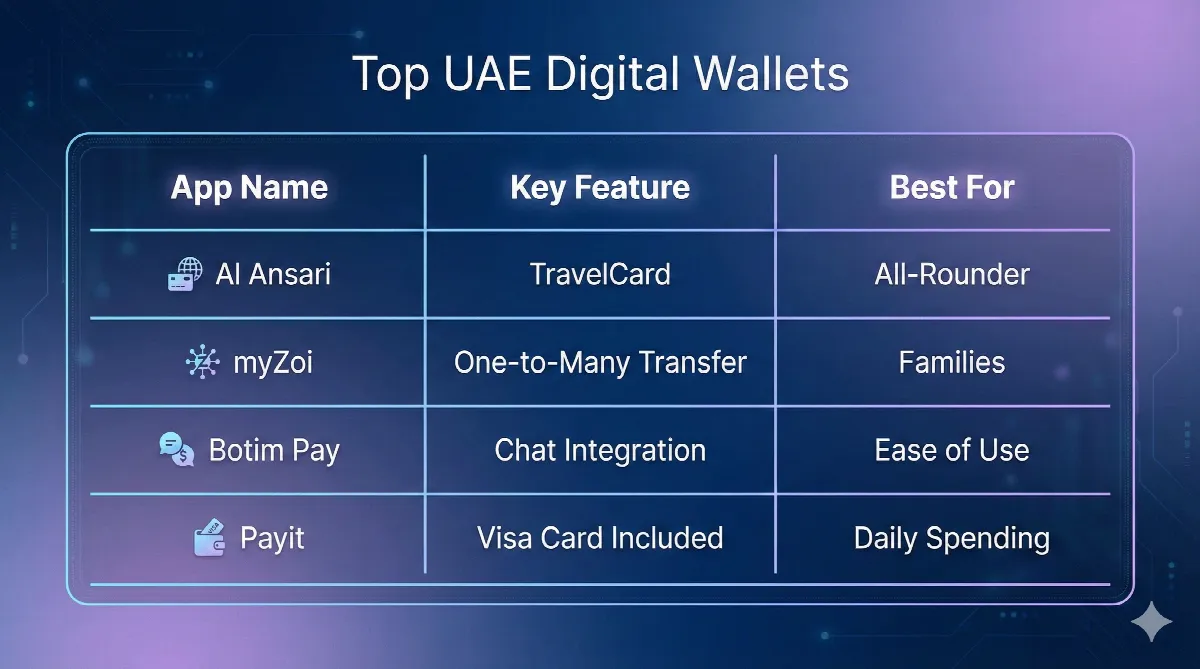
Here is your guide to the best bank-free financial tools in 2025.
Digital Wallets: Your Bank Alternative
Digital wallets are apps that store your money digitally, allowing you to transact just like a bank account holder. They are secure, regulated, and typically require only an Emirates ID to set up.
Top Picks for 2025:
- Al Ansari Exchange Wallet: A powerhouse in the UAE. Beyond remittances, it offers the TravelCard and FlexiblePay prepaid cards, bridging the physical and digital worlds.
- myZoi: A standout for families. Its unique “One-to-Many” feature lets you send money to up to five different people in a single transaction—perfect for supporting multiple family members back home.
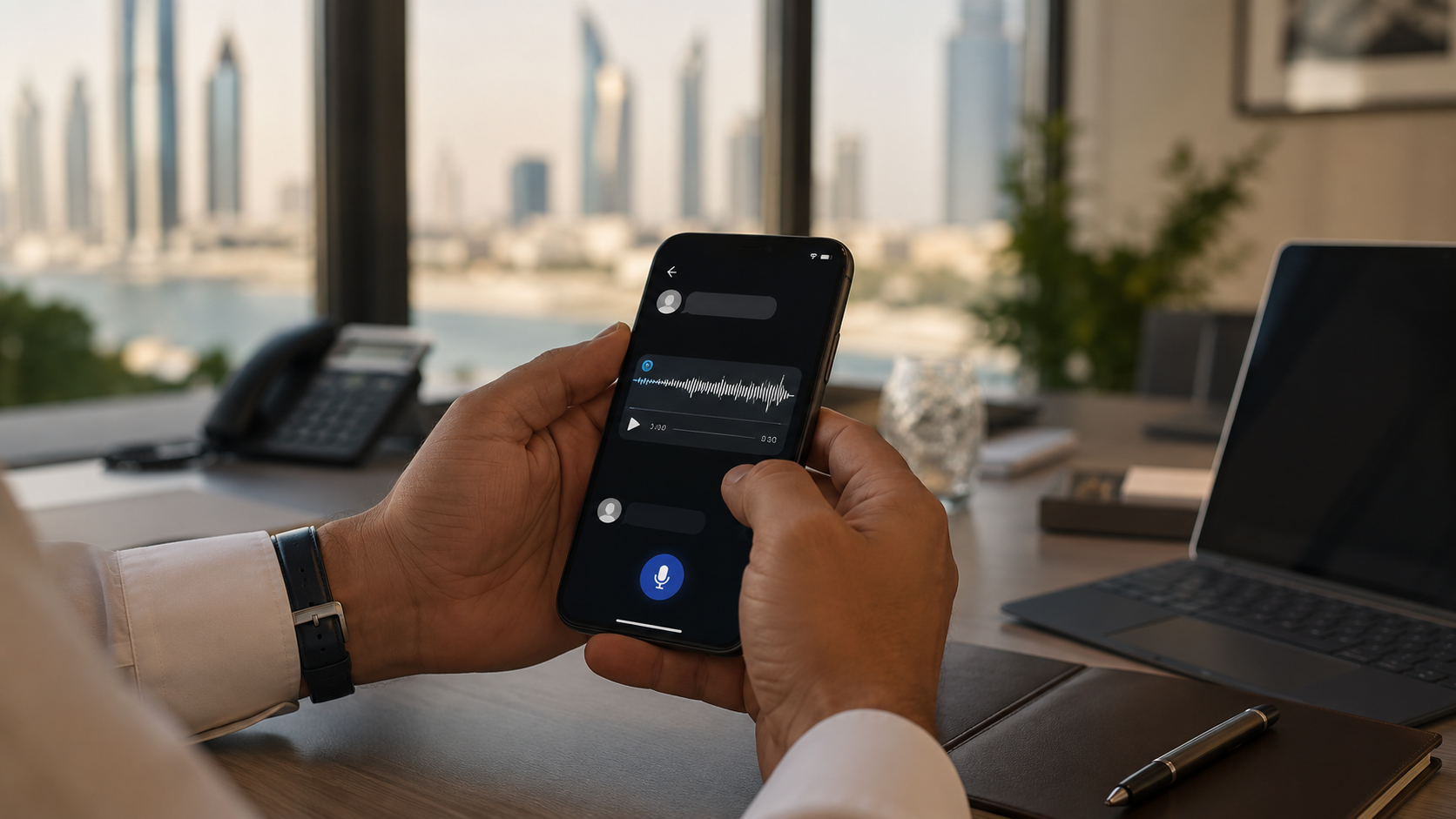
- Botim Pay: If you use Botim for calls, you can use it for cash. It enables seamless remittances to countries like India, Pakistan, and the Philippines directly within the chat interface.
- Payit (by FAB): A fully digital wallet from First Abu Dhabi Bank that requires no FAB bank account. It comes with a digital Visa card for easy online shopping.
Prepaid Salary Cards (WPS)
If you receive your salary through the Wage Protection System (WPS), you likely already have a powerful financial tool in your pocket.
Cards issued by providers like Al Ansari Exchange, LuLu Exchange, or e& money are not just for withdrawing cash. They function like standard debit cards (Visa/Mastercard), allowing you to:
- Shop online and in-store.
- Withdraw cash from ATMs globally.
- Link to mobile apps to check balances and transfer funds.
Why they are great: They require absolutely no minimum balance and are automatically reloaded by your employer.
For more on how salary payments are evolving, read about the new Digital Dirham Salary Payments.
Remittance Apps: Better Rates, Lower Fees
Sending money home is the top priority for many expats. Dedicated remittance apps often beat traditional banks on exchange rates and transfer speed.
- Wise: Famous for its “real” exchange rate and transparent, low fees.
- Remitly: Offers “Express” options for urgent transfers.
- Careem Pay: Ideal for quick international transfers using your stored card details.
- Western Union App: Great for when your recipient needs cash pickup rather than a bank deposit.
What You Need to Register
Gone are the days of bringing a salary certificate and tenancy contract to open an account. For these digital platforms, the barrier to entry is low.
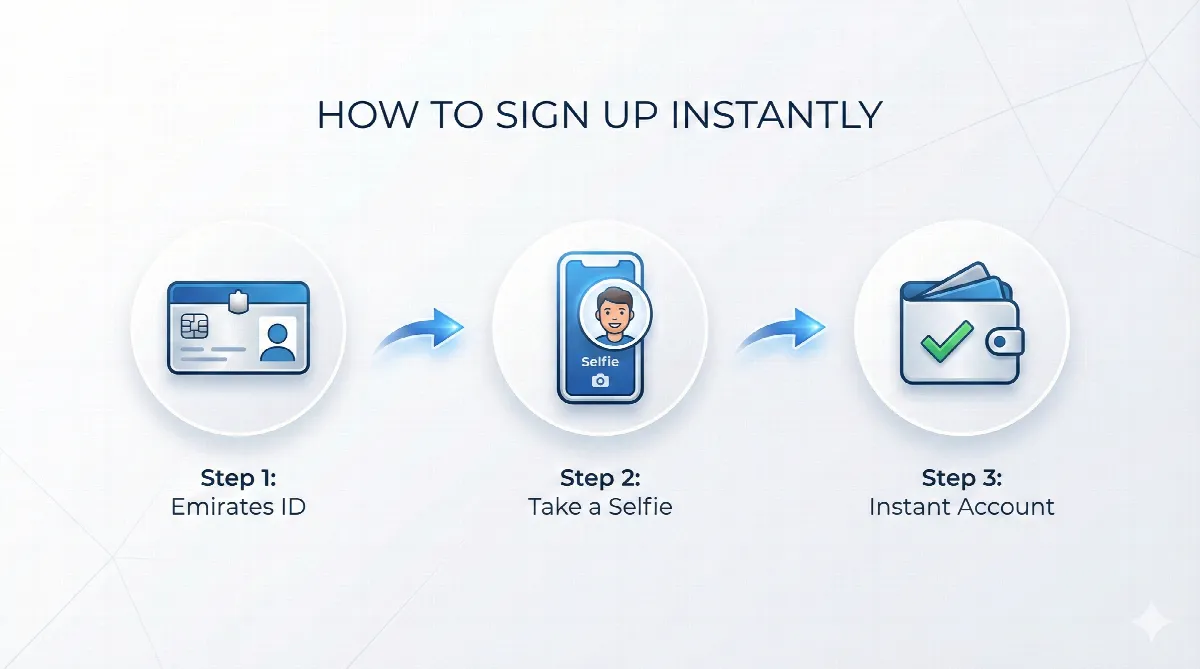
Standard Requirements:
- Emirates ID: Your primary identification.
- Mobile Number: A UAE number registered in your name.
- Selfie: For facial recognition identity verification (eKYC).
Tip: Completing the full verification process on these apps often unlocks higher transfer limits.
FAQ: Money Transfers Without a Bank
1. Is my money safe in these apps? Yes. Major wallets like Al Ansari, e& money, and Payit are regulated by the UAE Central Bank.
2. Can I receive my salary on these wallets? Yes. Apps like Al Ansari Exchange Wallet and Payit provide an IBAN or account details that can be used to receive salary payments under the WPS system.
3. What is the cheapest way to send money? It depends on the destination. Apps like Botim and Careem Pay often have zero-fee promotions, while Wise is generally best for transparency on exchange rates.
Key Takeaway
You do not need a traditional bank account to live and work financially in the UAE. By combining a WPS salary card with a digital wallet like Al Ansari or myZoi, you can enjoy full financial freedom—paying bills, shopping online, and sending money home instantly and securely.
Further Reading:
The UAE week, every Monday
The week's stories on jobs, visas, money and daily life in one short email. Unsubscribe in one click.