UAE Travel Bans 2025: Check Fines, Debts & Removal Steps
Stuck in the UAE? Discover if unpaid traffic fines or debts cause travel bans. Expert legal advice on civil vs criminal bans and how to clear them fast.
By Vadim Kouznetsov, published

By JobXDubai Team Last Updated: 20 November 2025
Planning your next holiday or business trip? The fear of being stopped at the airport due to an unknown travel ban is a common worry for many UAE residents.
Whether it is a forgotten credit card payment or a traffic fine from months ago, knowing the rules is vital. In 2025, the distinction between civil and criminal bans is clearer than ever, but misconceptions remain.
We examined the latest regulations—specifically Federal Decree-Law No. (42) of 2022 and Decree-Law No. 14 of 2024—to help you understand exactly where you stand.
How Travel Bans Work in 2025
A travel ban prevents you from leaving the UAE until a specific legal matter is resolved. These are generally triggered by unpaid debts, bounced cheques, or ongoing criminal investigations.
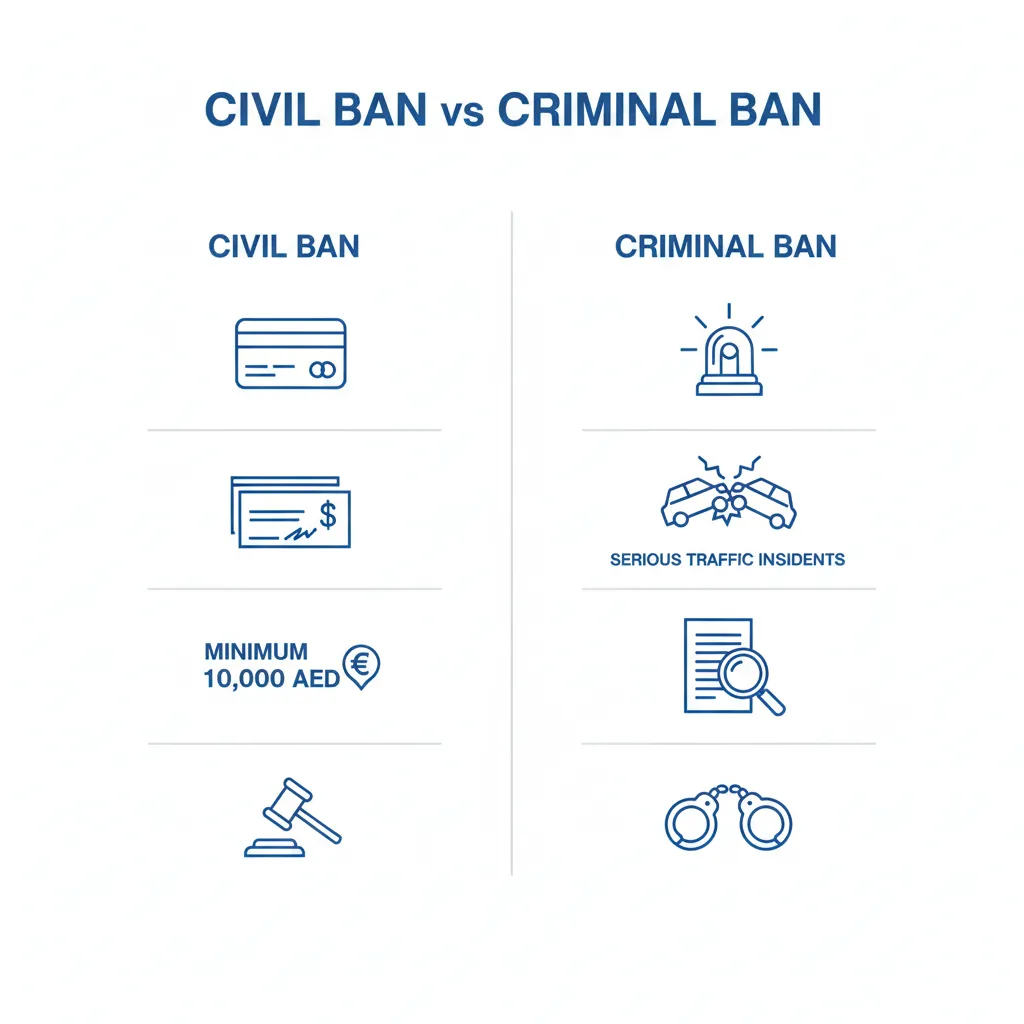
According to legal experts, bans fall into two primary categories: Civil and Criminal.
1. Civil Travel Bans (Debts and Cheques)
A civil ban is usually requested by a creditor (like a bank or a landlord) to prevent a debtor from fleeing the country.
When can a creditor request a ban?
Under Federal Decree-Law No. (42) of 2022, a creditor can ask the court to stop you from travelling if:
- The Debt Amount: You owe AED 10,000 or more (excluding alimony or work-related obligations).
- Flight Risk: There are serious grounds to believe you intend to leave the UAE to avoid paying.
- Written Evidence: The debt is clearly established and due.
Note on Cheques: A bounced cheque is often treated as an “executory deed.” This means a creditor can open an execution case directly. If you do not pay after receiving the notice, they can immediately request a travel ban.
2. Criminal Travel Bans
These are stricter and are issued by the Police or Public Prosecution.
Common causes include:
- Ongoing criminal investigations where your presence is required.
- Serious traffic offences (more on this below).
- Cases involving bounced cheques that have escalated to criminal complaints.
A criminal ban remains active until the investigation ends, the court issues a verdict, or the case is dismissed.
Can Traffic Fines Stop You at the Airport?
This is the most common question we hear. The answer depends entirely on the type of violation.
Administrative Violations (Speeding, Parking)
Good news: A standard speeding ticket or parking fine does not automatically trigger a travel ban.
According to Federal Decree-Law No. 14 of 2024, these are administrative violations. While they may lead to vehicle impoundment or block you from renewing your registration, they rarely stop you from travelling unless the unpaid amount is significant and becomes a civil debt case.
Criminal Traffic Offences
However, serious violations are treated differently. You may face a travel ban for:
- Driving under the influence (drugs or alcohol).
- Reckless driving resulting in injury or death.
- Hit-and-run incidents.
- Persistent refusal to pay substantial fines after formal warnings.
In these instances, the Public Prosecution can issue a ban under the Criminal Procedure Law (Article 99).
How to Check and Remove a Travel Ban
If you suspect you have a ban, do not guess. You can verify your status through the Dubai Police app, the Judicial Department website (for Abu Dhabi), or the Ministry of Interior (MOI) app.
If you are looking for a new role and want to confirm your record is clean, check our UAE Work Permits Guide 2025 to understand how bans affect employment eligibility.
Steps to Lift a Civil Ban
The process has become much faster in recent years.
- Pay the Due Amount: Deposit the full amount specified in the court execution file.
- Request Lifting: Apply to the court to have the execution measures removed.
- Automatic Processing: Once the judge approves and the competent authority is notified, the ban is lifted. This can often happen within a few days.
If you are managing finances to clear a debt, you might also want to read our UAE Salary Guide 2026 to see how current pay scales compare to your industry peers.
FAQ
Q: Can I travel if I have a bounced cheque of AED 5,000?
Generally, a travel ban for civil debt requires a minimum liability of AED 10,000. However, creditors may still pursue other legal avenues to recover smaller amounts.
Q: How long does a travel ban last?
A civil ban lasts until the debt is paid or the creditor agrees to lift it. A criminal ban lasts until the investigation or trial concludes.
Q: Does a travel ban affect my visa status?
A ban prevents travel but does not necessarily cancel your visa. However, unresolved legal issues can complicate visa renewals. If you are worried about your visa validity, read our guide on Expats & Visas.
Q: Can I check for a travel ban online?
Yes. You can use the Dubai Police website/app for Dubai cases, or the MOI smart services for federal bans.
Key Takeaway
Don’t panic over parking tickets. Routine traffic fines won’t stop you from flying. However, unpaid debts over AED 10,000 or serious criminal/traffic offences will. Always check your legal status via official government apps before booking your flight.
Further Reading
The UAE week, every Monday
The week's stories on jobs, visas, money and daily life in one short email. Unsubscribe in one click.