GCC One-Stop Travel System: UAE-Bahrain Pilot Starts Dec 2025
GCC launches revolutionary one-stop travel system. UAE-Bahrain pilot starts December 2025, eliminating multiple border checks. Full details here.
By Vadim Kouznetsov, published

What Is the GCC One-Stop Travel System and When Does It Launch?
The Gulf Cooperation Council has approved a groundbreaking ‘one-stop’ travel system that will transform how people move between member states. The UAE and Bahrain will pilot this initiative starting December 2025, with the system rolling out through air travel connections between these two nations.
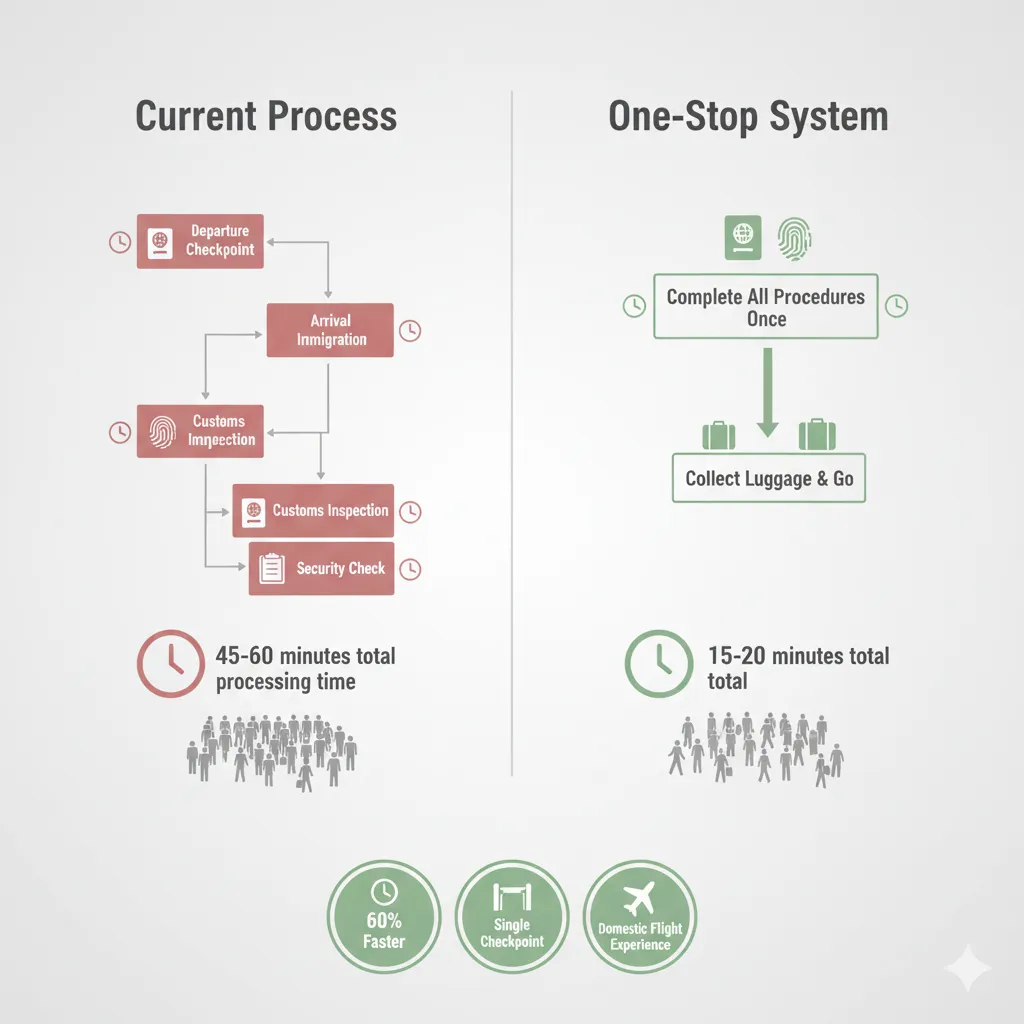
This new framework allows Gulf citizens to complete all travel procedures at a single checkpoint before departure, eliminating multiple inspections upon arrival. The streamlined process covers immigration, customs, and security checks—meaning travellers will be treated like passengers on domestic flights when they land.
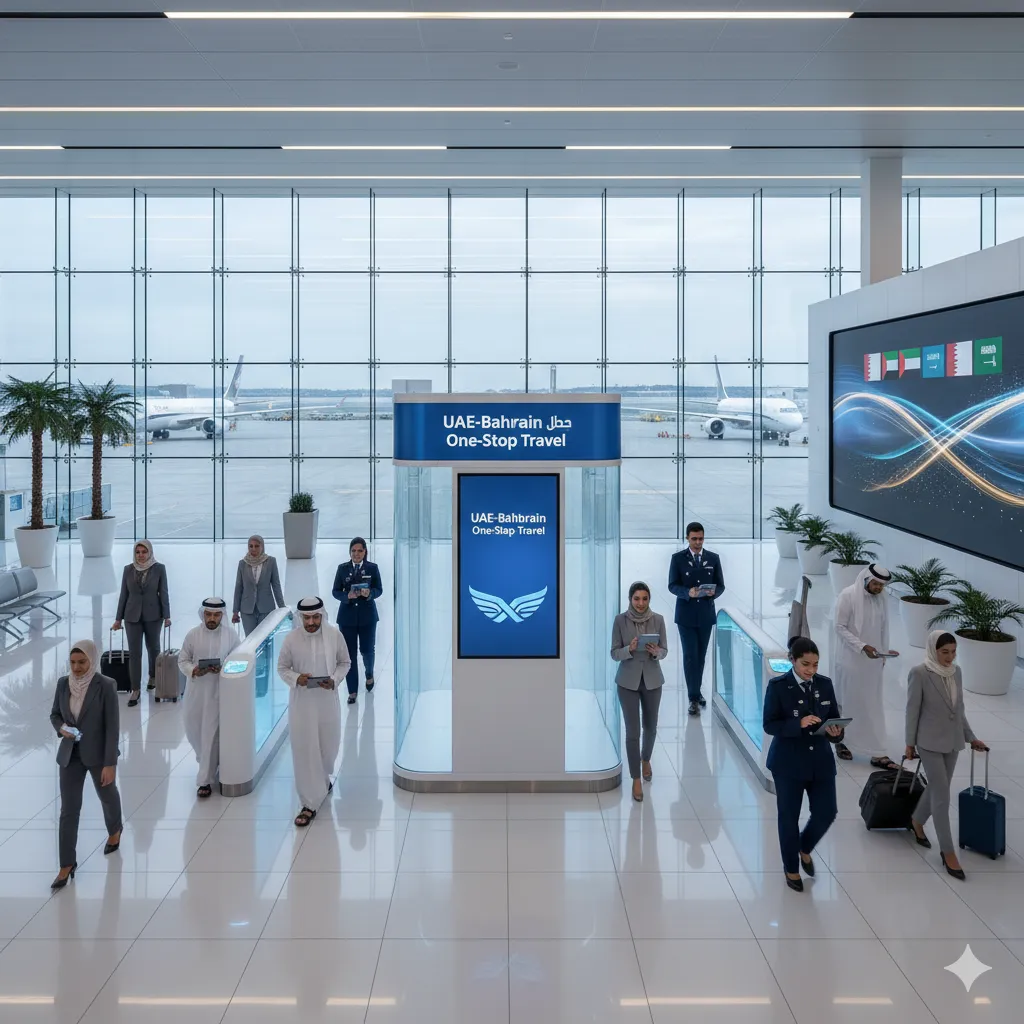
How Will the Pilot Phase Work Between UAE and Bahrain?
GCC Secretary-General Jasem Mohamed Albudaiwi confirmed the initiative during the 42nd meeting of GCC Interior Ministers in Kuwait City, stating that the pilot phase will launch through air travel in December 2025.
During the pilot phase, passengers flying between the UAE and Bahrain will complete all entry and exit procedures before boarding their flights. Upon arrival at their destination, they’ll simply collect their luggage and leave—no queues, no additional checkpoints, no delays.
This approach mirrors domestic flight experiences, where passengers move freely within a country without border formalities. The difference here is that it applies to international travel between two sovereign nations.
Which Countries Will Join After the Pilot Phase?
If the UAE-Bahrain pilot proves successful, the system will expand to all six GCC member states: Saudi Arabia, Kuwait, Qatar, Bahrain, Oman, and the UAE.
This expansion would create seamless travel across the entire Gulf region, with over 59 million citizens and residents potentially benefiting from faster, more efficient cross-border movement. For professionals working across GCC countries, this change could significantly reduce travel time and administrative hassles.
How Does This Relate to the Unified GCC Tourist Visa?
The one-stop travel system arrives alongside another major integration milestone—the unified GCC tourist visa, officially known as the GCC Grand Tourist Visa.
Abdulla bin Touq Al Marri, UAE Minister of Economy and Tourism, told UAE news agency Wam that this Schengen-style visa represents a “strategic step towards deeper regional integration and will enhance the Gulf’s collective appeal as a single tourism destination.”
The unified visa pilot phase is expected to launch in the fourth quarter of 2025, according to official announcements. Saudi Tourism Minister Ahmed Al Khateeb told Reuters that full implementation could happen by 2026 or 2027 at the latest.
Together, these two initiatives will create a borderless travel experience across the Gulf region. International visitors could potentially:
- Apply for a single visa valid across all six GCC countries
- Travel between member states without additional visa requirements
- Complete all border procedures at their first point of entry
- Move freely across the region with minimal administrative burden
This integration level mirrors the European Union’s Schengen Area, which allows free movement across 27 European countries with a single visa.
What Are the Benefits for Travellers and Businesses?
For Gulf Citizens: The one-stop system saves time and reduces travel stress. Business travellers making frequent trips between GCC countries will particularly benefit from streamlined procedures.
For Tourists: International visitors can explore multiple Gulf destinations with one visa and minimal border formalities. This accessibility could significantly boost regional tourism numbers.
For Businesses: Companies operating across GCC countries will see reduced travel costs and improved employee productivity. The seamless movement of personnel supports regional business expansion.
For Economies: The integration attracts more tourists, facilitates trade, and strengthens economic ties between member states. Tourism sectors across the region stand to benefit from increased visitor numbers.
How Will This Impact Current Visa Policies?
Current visa requirements for GCC passport holders allow citizens to enter member states using just their passport or national ID card. The one-stop system doesn’t change this policy but makes the process faster and more efficient.
For GCC residents from other countries, existing visa requirements remain in place. However, the unified tourist visa will eventually simplify travel for international visitors, making the Gulf region more competitive with other tourist destinations.
The UAE already offers visa-free or visa-on-arrival access to over 80 nationalities, and the unified GCC visa builds on this accessibility.
What Challenges Might the Implementation Face?
Technology Integration: All six countries need compatible immigration systems that can share passenger data securely and in real-time. This requires significant infrastructure investment and coordination.
Security Concerns: Member states must balance ease of travel with security requirements. Establishing protocols for sharing intelligence and managing security risks will be critical.
Legal Framework: Each GCC country has different immigration laws and procedures. Harmonising these regulations while respecting national sovereignty presents a complex challenge.
Operational Training: Immigration officers, airline staff, and airport personnel across all member states need training on new procedures. This coordination takes time and resources.
What’s the Timeline for Full Implementation?
December 2025: Pilot phase launches between UAE and Bahrain
Q4 2025: Unified GCC tourist visa pilot phase expected to begin
2026-2027: Potential full rollout of both initiatives across all GCC member states
The exact timeline depends on the pilot phase results. If the UAE-Bahrain trial reveals operational issues or security concerns, implementation could be delayed for adjustments.
How Does This Compare to Other Regional Travel Systems?
The GCC’s approach mirrors successful regional integration models:
Schengen Area (Europe): 26 European countries allow free movement with a single visa. The system processes over 400 million crossings annually.
Trans-Tasman Travel Arrangement (Australia-New Zealand): Citizens of both countries travel freely without passports or border checks.
ASEAN Framework Agreement (Southeast Asia): Visa-free travel for citizens of 10 member nations, though less integrated than Schengen.
The GCC model combines elements from these systems whilst addressing unique regional requirements around security, cultural considerations, and existing immigration frameworks.
Frequently Asked Questions
When will the GCC one-stop travel system start?
The pilot phase launches in December 2025 between the UAE and Bahrain through air travel connections.
Will this apply to all GCC countries immediately?
No. The system will initially pilot between UAE and Bahrain. If successful, it will expand to all six GCC member states (Saudi Arabia, Kuwait, Qatar, Bahrain, Oman, and UAE).
Do I still need a passport for GCC travel?
Yes, travellers still need valid travel documents. The system simplifies procedures but doesn’t eliminate the need for identification.
How is this different from current GCC travel?
Currently, travellers undergo immigration checks at both departure and arrival airports. The new system completes all procedures at departure, treating arrivals like domestic flights.
Will this affect non-GCC residents?
The initial focus is on GCC citizens. However, the unified GCC tourist visa launching alongside this system will benefit international visitors.
What documents will I need at the airport?
Standard requirements remain: valid passport or national ID (for GCC citizens), boarding pass, and any required visas for non-citizens.
Can I use this system for land and sea travel?
The pilot phase covers air travel only. Expansion to other travel modes depends on the pilot’s success.
Will visa fees change?
Current information doesn’t indicate changes to existing visa fees. The system focuses on procedural efficiency rather than cost structures.
What happens if I miss my flight after completing procedures?
Standard airline rebooking policies apply. Since you’ve already cleared immigration, you’ll need to check with your airline about rescheduling options.
How will this affect airport waiting times?
The system should reduce overall travel time by eliminating arrival-side immigration queues. However, departure procedures may take slightly longer as they now cover both departure and arrival formalities.
Key Takeaway
The GCC one-stop travel system represents the region’s most ambitious integration project, potentially transforming how 59 million people travel across Gulf countries. Starting December 2025 with the UAE-Bahrain pilot, this initiative—combined with the unified GCC tourist visa—could position the Gulf as a seamless single destination rivalling Europe’s Schengen Area. Success depends on technology integration, security coordination, and harmonised immigration procedures across all member states.
Further Reading
The UAE week, every Monday
The week's stories on jobs, visas, money and daily life in one short email. Unsubscribe in one click.