Dubai’s 23 Outstanding Schools: Complete Fee Guide 2025
Discover fees for all 23 KHDA Outstanding schools in Dubai. From AED 31,276 to AED 110,305 annually. Complete breakdown by curriculum.
By Vadim Kouznetsov, published
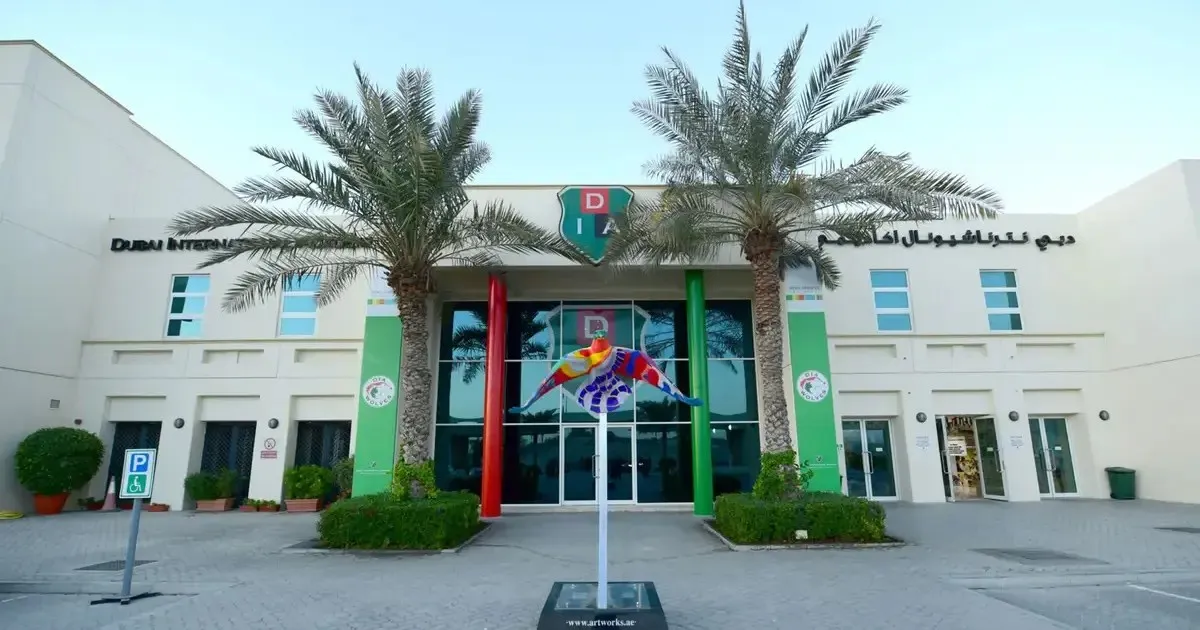
Choosing the right school for your child in Dubai can feel like a high-stakes decision. With hundreds of private institutions across the emirate, how do you know which ones actually deliver on their promises?
The Knowledge and Human Development Authority (KHDA) has done the heavy lifting for you. Their 2023-24 inspection report identifies exactly 23 schools that earned the coveted ‘Outstanding’ rating—the highest possible classification. These aren’t just schools with fancy facilities and glossy brochures. They’re institutions that demonstrate exceptional teaching quality, strong student outcomes, and genuine commitment to wellbeing.
What makes this rating system particularly valuable? KHDA doesn’t just look at exam results. Inspectors evaluate teaching quality, learning environments, student wellbeing, and how schools compare against international benchmarks. External assessments in core subjects add another layer of accountability.
Let’s cut through the noise and examine exactly what these top-tier schools cost, what curricula they offer, and whether they’re worth the investment for your family.
How KHDA Ratings Work
Every year, KHDA inspects schools across multiple dimensions. Inspectors assess teaching standards, student achievements, subject-specific results, and the overall learning environment. Schools receive one of five ratings: Outstanding, Very Good, Good, Acceptable, or Weak.
For the 2023-24 academic year, 23 schools earned Outstanding status, while 48 received Very Good ratings. These evaluations matter because they consider factors that directly impact your child’s education—from teacher quality and curriculum delivery to inclusion policies and student support services.
Worth noting: private schools in Dubai won’t undergo full KHDA inspections in the 2024-25 academic year, except for new schools completing their third year. Normal inspections resume in 2025-26.
What Outstanding Schools Actually Cost
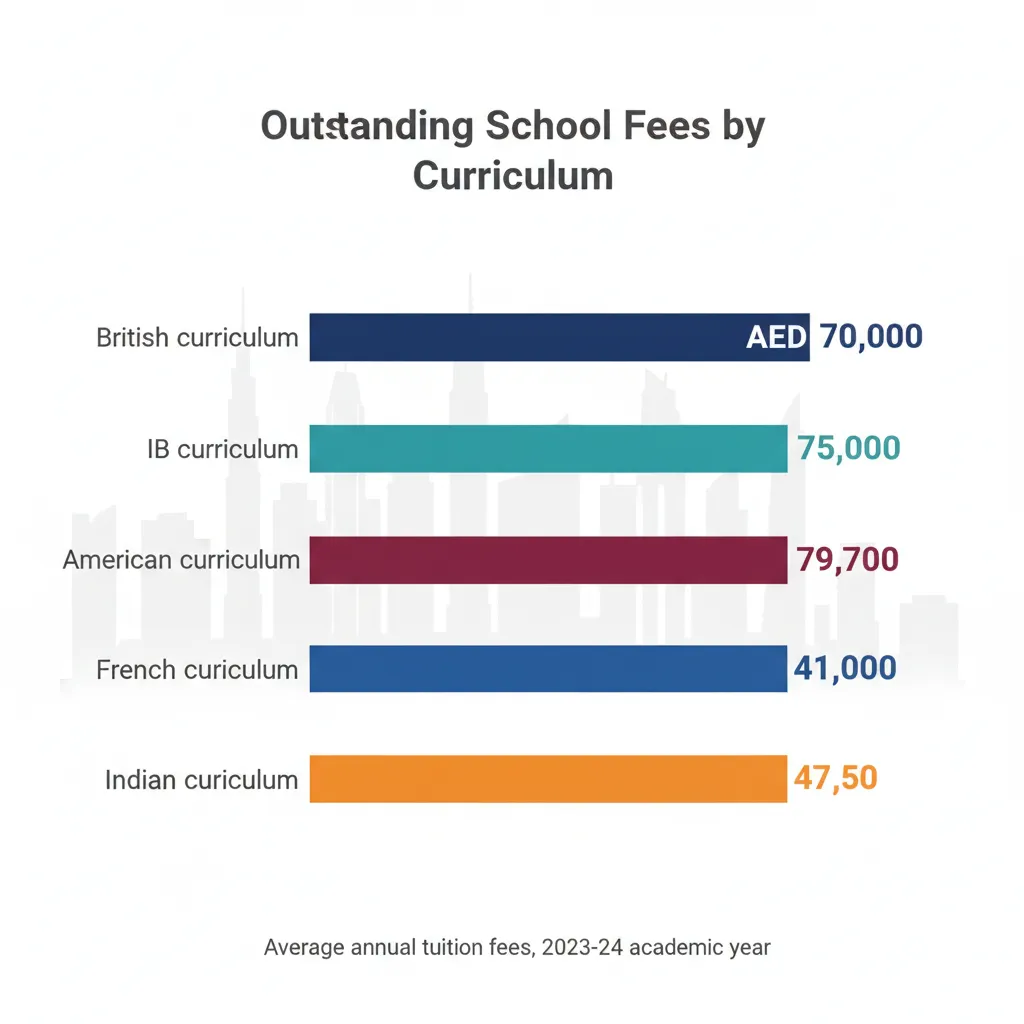
School fees in Dubai vary dramatically based on curriculum, location, and facilities. Here’s what you’ll pay at Outstanding-rated schools:
IB Curriculum Schools
Dubai International Academy, Emirates Hills
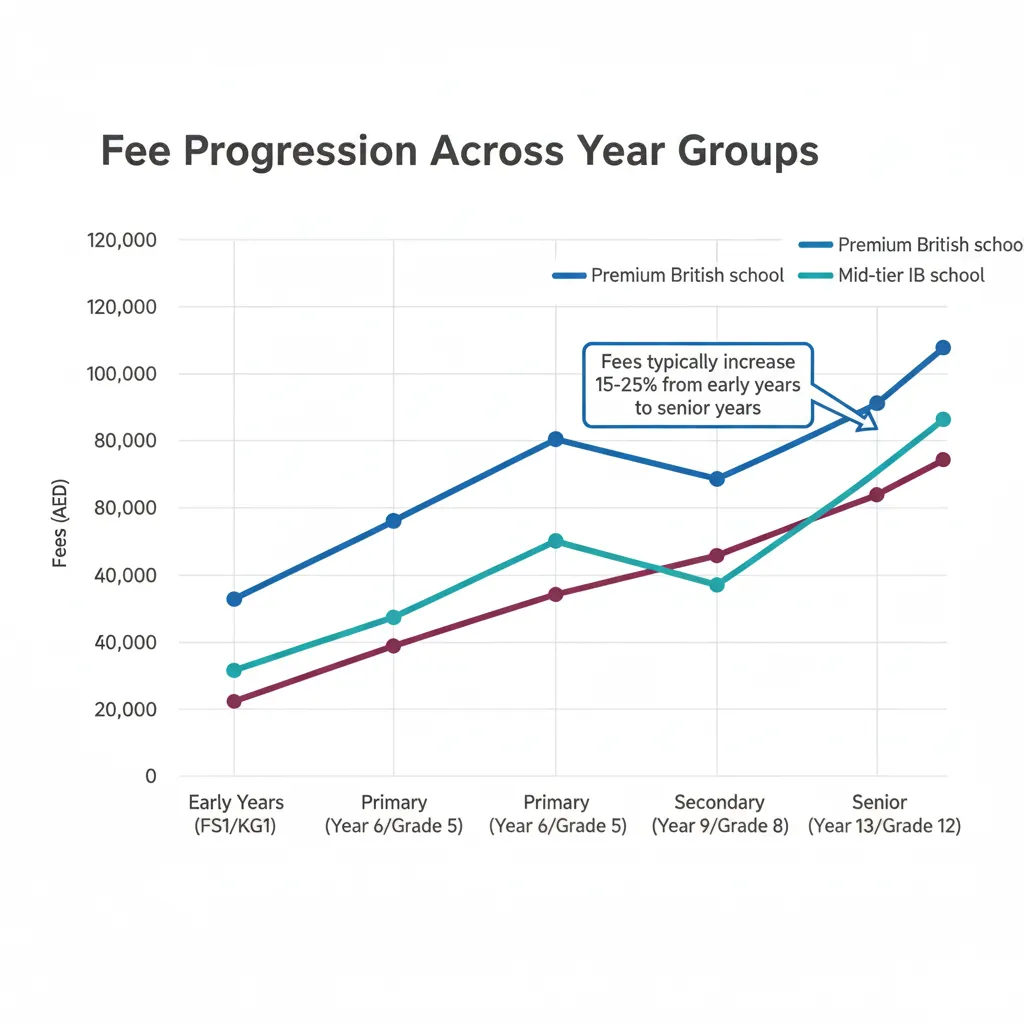
Fees range from AED 44,979 in KG1 to AED 79,696 in Grade 12. Average across all year groups: AED 62,300.
Deira International School, Dubai Festival City
Fees span AED 44,616 in FS1 to AED 89,889 in Year 13. Average: AED 67,200. This school offers a dual British/IB pathway.
Jumeirah English Speaking School, Jumeirah
As a primary-only school (FS1 to Year 6), fees range from AED 54,129 to AED 65,097. Average: AED 59,600.
British/UK Curriculum Schools
Kings’ School, Al Barsha
Fees climb from AED 57,999 in FS1 to AED 105,873 in Year 13. Average: AED 81,900.
Repton School, Nad Al Sheba
Fees range from AED 57,178 to AED 102,753. Average: AED 80,000.
Jumeirah English Speaking School, Arabian Ranches
Fees start at AED 54,129 and reach AED 104,544 for Year 13. Average: AED 79,300.
Kings’ School Dubai, Umm Suqeim
This primary-only school charges AED 47,179 to AED 71,801. Average: AED 59,500.
Dubai English Speaking College, Academic City
For Years 7-11, fees are AED 84,326, rising to AED 90,633 in Sixth Form. Average: AED 87,500.
Dubai English Speaking School, Umm Hurair
Primary-only fees range from AED 43,084 to AED 53,320. Average: AED 48,200.
Dubai College, Al Sufouh
Fees span AED 97,415 in Year 7 to AED 110,305 in Year 13. Average: AED 103,900.
GEMS Jumeirah Primary School, Al Safa
Primary-only school with fees from AED 44,200 to AED 55,714. Average: AED 50,000. This school has maintained Outstanding status since 2010.
GEMS Wellington International School
Fees range from AED 47,527 in FS1 to AED 103,399 in Year 13. Average: AED 75,400. Offers British curriculum through Year 11, then IB Diploma in Years 12-13.
Horizons English School, Al Wasl
Primary-only fees from AED 43,849 to AED 58,825. Average: AED 51,300.
Jumeirah College, Al Safa
Fees range from AED 78,496 in Year 7 to AED 98,681 in Year 13. Average: AED 88,600.
Nord Anglia International School Dubai, Al Barsha
Fees span AED 69,625 to AED 105,288. Average: AED 87,500. British curriculum with IB Diploma options in upper years.
Safa Community School, Al Barsha
Fees range from AED 54,437 to AED 89,440. Average: AED 71,900. British curriculum with IB Diploma pathway.
Victory Heights Primary School, Dubai Sports City
Primary-only fees from AED 40,138 to AED 54,733. Average: AED 49,000.
Dubai British School, Emirates Hills
Fees range from AED 53,027 to AED 79,541. Average: AED 66,300.
Dubai British School, Jumeirah Park
Fees span AED 65,719 to AED 111,799. Average: AED 88,759.
American Curriculum School
GEMS Dubai American Academy, Al Barsha
Fees are AED 66,185 for KG1-2 and AED 93,300 for Grades 1-12. Average: AED 79,700.
Indian Curriculum School
GEMS Modern Academy, Nad Al Sheba
The only Indian curriculum school on the Outstanding list. Fees range from AED 38,246 in KG1 to AED 56,706 in Grade 12 for the Indian curriculum stream. The IB stream costs AED 73,876 in Grade 12. Average: AED 47,500 (Indian curriculum) or AED 73,900 (IB stream).
French Curriculum Schools
Lycée Français International, Oud Metha
Fees range from AED 29,488 in preschool to AED 62,363 in Grade 12. Average: AED 41,000.
Lycée Français International Georges Pompidou, Oud Metha
Fees start at AED 31,276 in pre-primary through KG-2. This represents the most affordable entry point among Outstanding schools.
Understanding Total Education Costs
Tuition fees tell only part of the story. Dubai school fees include several additional expenses you’ll need to budget for:
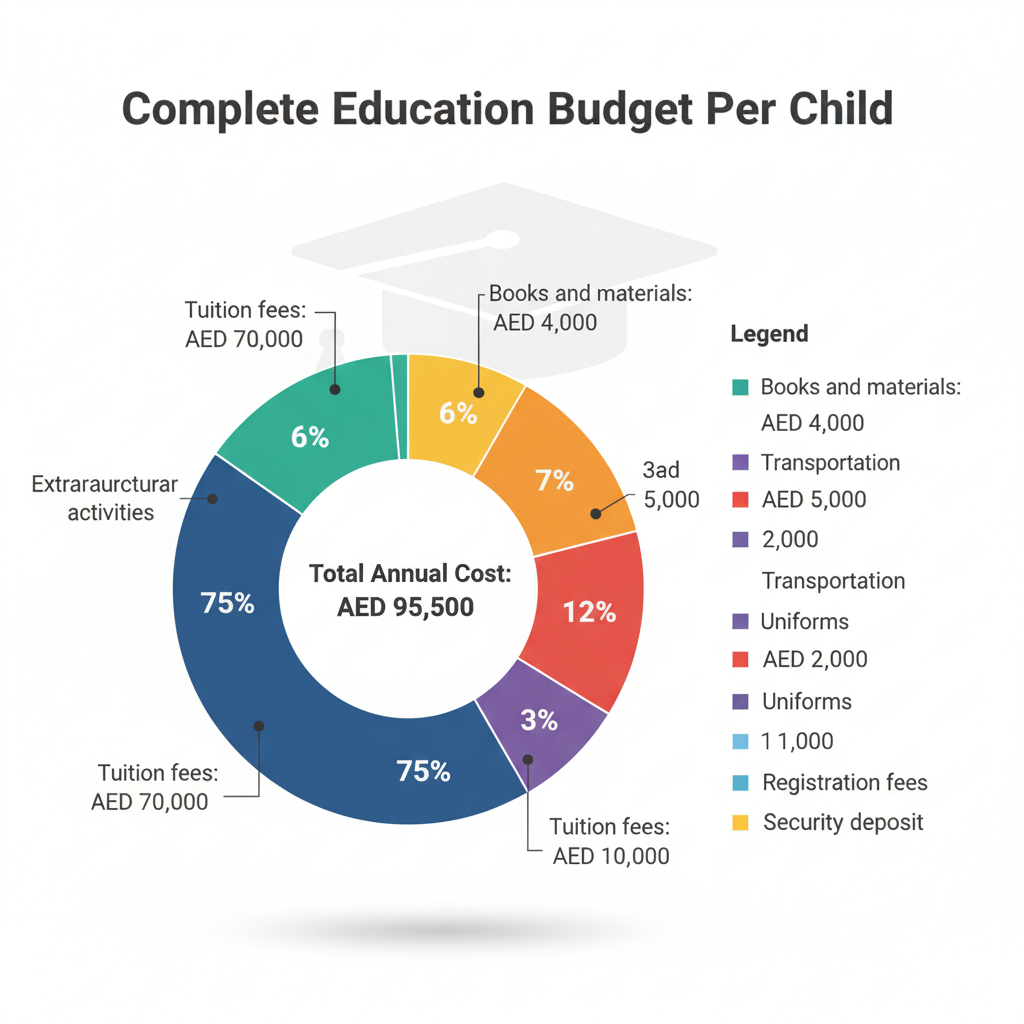
- Registration fees: AED 500-2,000 per application
- Security deposits: Usually 5-10% of annual tuition
- Uniforms: AED 1,000-3,000 per academic year
- Books and materials: AED 2,000-5,000 annually
- Transportation: AED 8,000-12,000 per year if needed
- Extracurricular activities: AED 2,000-8,000 annually
These costs can add AED 15,000-30,000 to your annual education budget per child.
How Outstanding Schools Fit Your Budget
For expatriate families, education typically represents the largest expense after housing. The average cost of living in Dubai for a family of four runs around USD 4,900 monthly (approximately AED 18,000) before accounting for school fees.
If you’re sending two children to a mid-tier Outstanding school at AED 70,000 each annually, that’s AED 140,000 per year or roughly AED 11,700 monthly. Combined with typical family living expenses, you’re looking at a minimum monthly requirement of AED 30,000-35,000 for a comfortable lifestyle.
A salary of AED 30,000 provides decent living standards for families, but school fees at Outstanding institutions will stretch this budget. Many expatriate packages include education allowances specifically for this reason.
Curriculum Options at Outstanding Schools
British curriculum schools dominate the Outstanding category with 16 institutions, reflecting Dubai’s large British expatriate population and the curriculum’s international recognition.
IB schools offer three Outstanding options, appealing to families prioritising international mobility and inquiry-based learning.
Single Outstanding schools represent American, Indian, and French curricula, providing choice for families from these educational backgrounds.
Dubai’s expanding private school sector continues growing, with plans for 100 new schools by 2033, potentially adding more Outstanding options in future years.
What Makes These Schools Worth the Premium?
Outstanding schools demonstrate several key qualities:
Exceptional teaching quality: Highly qualified educators delivering engaging, differentiated instruction that challenges all students appropriately.
Strong academic outcomes: Excellent examination results and consistent progress across all year groups.
Comprehensive student support: Effective special educational needs provision and pastoral care systems.
Inclusive environments: Success supporting students of all abilities and backgrounds.
Strong leadership: Visionary school leaders driving continuous improvement and maintaining high standards.
Community engagement: Active partnerships with parents and the wider Dubai community.
These factors combine to create learning environments where children thrive both academically and personally.
Planning Your School Budget
Before committing to an Outstanding school, calculate your complete education budget:
- Annual tuition fees for all children
- Additional school costs (uniforms, books, activities)
- Transportation if not within walking distance
- School fee increases (KHDA currently permits up to 2.35% annual increases)
- Emergency fund for unexpected educational expenses
Many families find that Dubai salary expectations need adjustment when factoring in quality education costs. The tax-free income advantage helps, but school fees remain substantial.
Application Process for Outstanding Schools
Outstanding schools typically have competitive admissions. Most require:
- Completed application forms with supporting documents
- Previous school reports and references
- Assessment tests or interviews (age-dependent)
- Registration fees (usually non-refundable)
Popular schools often have waiting lists, particularly for mid-year entries. Apply early—ideally 12-18 months before your intended start date.
Check the Dubai school calendar when planning applications, as schools following different curricula have varying academic year start dates.
Key Takeaway
Dubai’s 23 Outstanding schools offer proven educational excellence across multiple curricula, with annual fees ranging from AED 31,276 to AED 110,305. British curriculum schools dominate the Outstanding category, though families can find top-rated options in IB, American, Indian, and French curricula. Budget for annual fees plus AED 15,000-30,000 in additional costs per child. With KHDA inspections paused for 2024-25, current Outstanding ratings remain valid through alternative monitoring mechanisms.
Frequently Asked Questions
How many schools in Dubai have Outstanding ratings?
Currently 23 private schools hold Outstanding ratings from KHDA’s most recent inspections, representing approximately 11% of Dubai’s 209 inspected private schools. This elite group demonstrates exceptional teaching quality, student outcomes, and overall educational standards.
What’s the cheapest Outstanding school in Dubai?
Lycée Français International Georges Pompidou (Oud Metha) offers the most affordable Outstanding education, with fees starting at AED 31,276 annually for early years students. This French curriculum school provides excellent value while maintaining top-tier educational standards.
Do Outstanding schools accept international students?
Yes, all Outstanding schools welcome international students. Most Dubai private schools primarily serve expatriate families alongside Emirati students, creating diverse, multicultural learning environments.
Will Outstanding ratings change in 2025-26?
KHDA has paused formal inspections for 2024-25 to focus on targeted monitoring and alignment with Dubai’s Education 33 Strategy. Current Outstanding ratings remain valid, though schools must maintain standards through internal quality assurance processes.
Can Outstanding schools increase fees annually?
KHDA permits annual fee increases up to 2.35% for 2025-26, though schools may choose smaller increases or none based on competitive factors. The Education Cost Index links permitted increases to economic conditions and school performance.
Do Outstanding schools offer scholarships?
Some Outstanding schools provide merit-based scholarships or financial assistance programmes. Availability and criteria vary by institution. Contact schools directly for specific scholarship information and application procedures.
What’s the difference between Outstanding and Very Good schools?
Outstanding schools demonstrate exceptional performance across all evaluation areas, including teaching quality, student achievement, leadership effectiveness, and community engagement. Very Good schools show strong performance but may have minor areas for improvement. Both ratings indicate high-quality education.
Are Outstanding school fees tax-deductible?
Dubai has no personal income tax, so there’s no tax deduction for school fees. However, the tax-free salary environment means you’re paying fees with gross income rather than post-tax earnings, effectively increasing your purchasing power.
Further Reading
The UAE week, every Monday
The week's stories on jobs, visas, money and daily life in one short email. Unsubscribe in one click.