Bad Interviews Cost Middle East Companies 75% of Top Talent
Robert Walters study reveals 3 in 4 Middle East professionals reject jobs after poor interviews. Half of hiring managers lack training.
By Vadim Kouznetsov, published

Ever left an interview thinking you’d rather keep looking? You’re not alone. A new study from Robert Walters reveals that nearly 75% of professionals in the Middle East have turned down job offers because of poor interview experiences.
The numbers tell a concerning story for employers: half of all hiring managers in the region have never received any formal interview training. That gap between expectation and execution is costing companies their best candidates before they even make an offer.
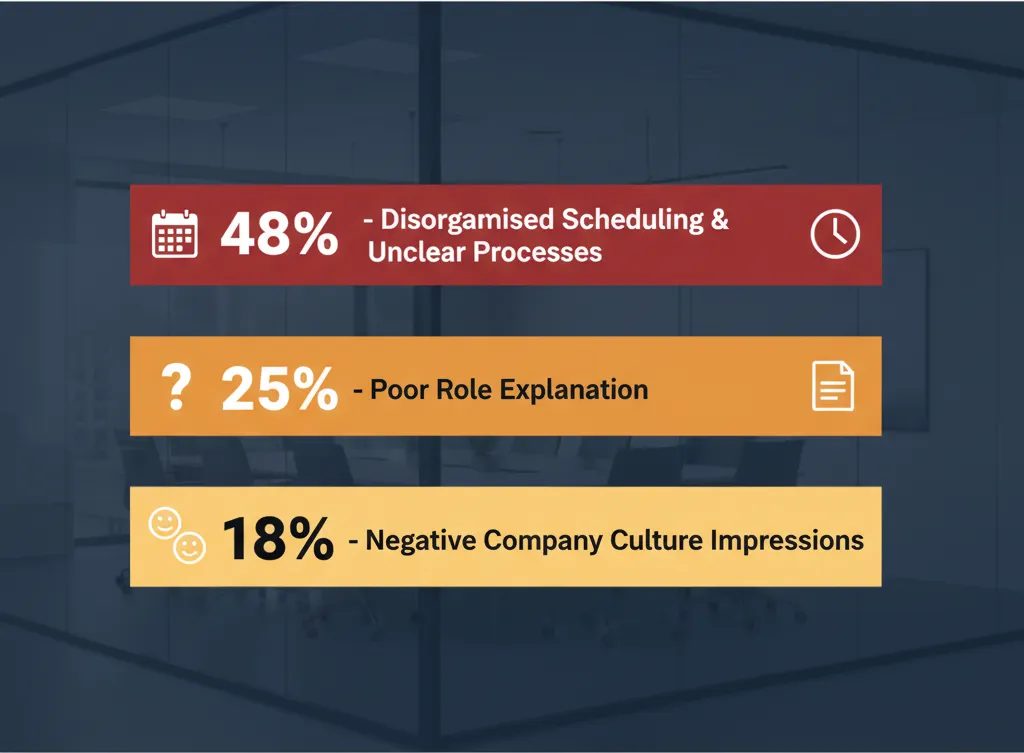
What Makes Candidates Walk Away From Job Offers?
The Robert Walters study identified three critical factors that immediately put professionals off accepting positions:
Disorganised scheduling and unclear processes topped the list at 48%. When candidates face confusion about interview timings, venue changes, or what happens next, they start questioning how well the company actually runs. After all, if they can’t organise a simple interview, what does that say about daily operations?
Poor explanation of the role came in second at 25%. Candidates need to understand what they’ll actually be doing, who they’ll report to, and how success is measured. Vague descriptions like “various responsibilities” or “contributing to team goals” leave professionals wondering if the company itself knows what the position requires.
Negative impressions of company culture affected 18% of candidates. Inconsistent messaging between different interviewers, dismissive attitudes, or values that don’t match the company’s public image all send warning signals. Professionals want to know they’ll fit in before committing to a move.
Gerrit Bouckaert, CEO of Recruitment at Robert Walters, puts it plainly: “Interviews are often the first real interaction a professional has with a company. Candidates pick up on subtle cues, and small missteps can make them question whether a business is the right fit.”
First Impressions Matter More Than You Think
Timing affects everything. The study shows that 41% of professionals say a late interviewer would change their opinion of the company. Meanwhile, one in four candidates make up their minds about a job within the first few minutes of an interview.
This rapid decision-making means companies have very little room for error. A hiring manager who arrives 15 minutes late, seems unprepared, or asks irrelevant questions has already damaged the company’s chances before the actual interview begins.
For candidates applying for jobs in the Middle East, these early impressions become even more significant given the competitive nature of the market. Professionals want confirmation they’re making the right choice before relocating or changing employers.
How Many Interview Rounds Are Too Many?
Candidates are also tired of endless interview processes. The Robert Walters data shows that 79% of professionals believe two or fewer rounds are sufficient for mid-level positions. Only 21% think three or more rounds are necessary.
Extended interview processes create several problems. Candidates lose interest, accept other offers, or start questioning why the company can’t make decisions efficiently. Every additional round adds another opportunity for competitors to snap up talent.
This becomes particularly relevant when comparing hiring practices across the UAE’s top workplaces, where the best employers streamline their processes to move quickly on strong candidates.
What Untrained Hiring Managers Cost Companies
The study’s most revealing finding might be that 50% of hiring managers have never received formal interview training. Bouckaert warns that untrained managers can “inadvertently reject top talent on behalf of the company”, which increases time-to-hire, drives up recruitment costs, and damages the company’s reputation.
Without proper training, hiring managers often:
- Ask legally problematic questions
- Miss red flags in candidate responses
- Fail to sell the role and company effectively
- Make inconsistent decisions across candidates
- Create negative experiences that spread through professional networks
The Middle East recruitment landscape has become increasingly sophisticated, yet basic interview skills remain underdeveloped in many organisations.
How Companies Can Improve Their Interview Process
Robert Walters recommends several straightforward improvements that any company can implement:
Review preparation materials beforehand. Hiring managers should refresh themselves on the role requirements, the candidate’s CV, and any assessment notes before each interview. Walking in cold wastes everyone’s time.
Start on time. This seems obvious, but punctuality signals respect and professionalism. Candidates who wait 20 minutes past their scheduled slot start the interview with negative feelings.
Follow a clear structure. Set specific timings for different topics—perhaps 5 minutes on background, 15 minutes on technical skills, 10 minutes on cultural fit, and 5 minutes for candidate questions. This keeps conversations focused and fair.
Ask consistent questions. Every candidate for the same role should face core questions that allow proper comparison. Improvising entirely makes it impossible to evaluate fairly.
Maintain standards across formats. Whether interviewing virtually, in person, or via panel, the structure and professionalism should remain constant. Remote candidates shouldn’t receive a lesser experience.
Provide quick feedback. Candidates lose interest when weeks pass without updates. Even a simple “we’re still reviewing applications and will be in touch by Friday” maintains engagement.
Bouckaert emphasises the business case: “Companies have a real opportunity to turn interviews into a competitive advantage. By equipping managers with the right preparation and training, organisations can engage candidates more effectively, increase acceptance rates, and reduce the risk of losing talent to competitors.”
What This Means for Job Seekers
For professionals searching for opportunities in Dubai and the UAE, these findings validate common frustrations. Bad interviews reflect poorly on employers, and candidates have every right to factor interview quality into their decision-making.
When faced with disorganised processes, professionals should:
- Trust their instincts about red flags
- Ask direct questions about role clarity and expectations
- Request to meet potential colleagues or see the workspace
- Compare interview experiences across different employers
- Consider whether poor interviews indicate broader company issues
The competitive UAE job market means professionals often have multiple options. Companies that don’t prioritise interview quality will consistently lose out to those that do.
FAQs About Job Interviews in the Middle East
How many interview rounds should I expect for a mid-level position? Most mid-level roles require one to two interview rounds. The first typically covers your background and basic fit, whilst the second involves meeting with senior team members or completing assessments. Three or more rounds suggest either a very senior role or a company that struggles with decision-making.
What questions should I ask if an interview seems disorganised? Directly address your concerns: “I noticed the interview timing changed twice—is this typical of how projects are managed here?” or “Could you clarify the reporting structure, as I’ve heard different information from different interviewers?” Good employers will appreciate the directness.
Is it acceptable to reject an offer based solely on a bad interview experience? Absolutely. The interview process reveals how a company operates, values its people, and makes decisions. If they can’t organise a professional interview, they likely have deeper issues. Your instincts exist for good reason.
How long should I wait for feedback after an interview? Ask at the end of your interview when you can expect to hear back. If they say one week and you’ve heard nothing after 10 days, send a polite follow-up. Companies that leave candidates waiting weeks without communication are showing you exactly how they operate.
Do cultural differences affect Middle East interviews? Whilst business culture varies across the region, professional standards around punctuality, preparation, and respect remain universal. International companies in Dubai and Abu Dhabi generally follow Western business practices, whilst local firms may incorporate more traditional approaches. Neither should excuse poor organisation or unprofessional behaviour.
Should I mention a bad interview experience when rejecting an offer? You can provide constructive feedback if asked why you’re declining. Keep it factual: “The interview process took longer than expected, and I wasn’t able to get clear answers about day-to-day responsibilities.” Some companies genuinely want to improve, whilst others won’t care—but you’ve done your part either way.
Further Reading:
The UAE week, every Monday
The week's stories on jobs, visas, money and daily life in one short email. Unsubscribe in one click.