Doctor Wins Dh318K in Abu Dhabi Labour Dispute Over Unpaid Wages
Abu Dhabi Court of Cassation rules on medical professional’s labour dispute. Doctor awarded Dh318,690 for unpaid wages, gratuity, and vacation allowance.
By Vadim Kouznetsov, published
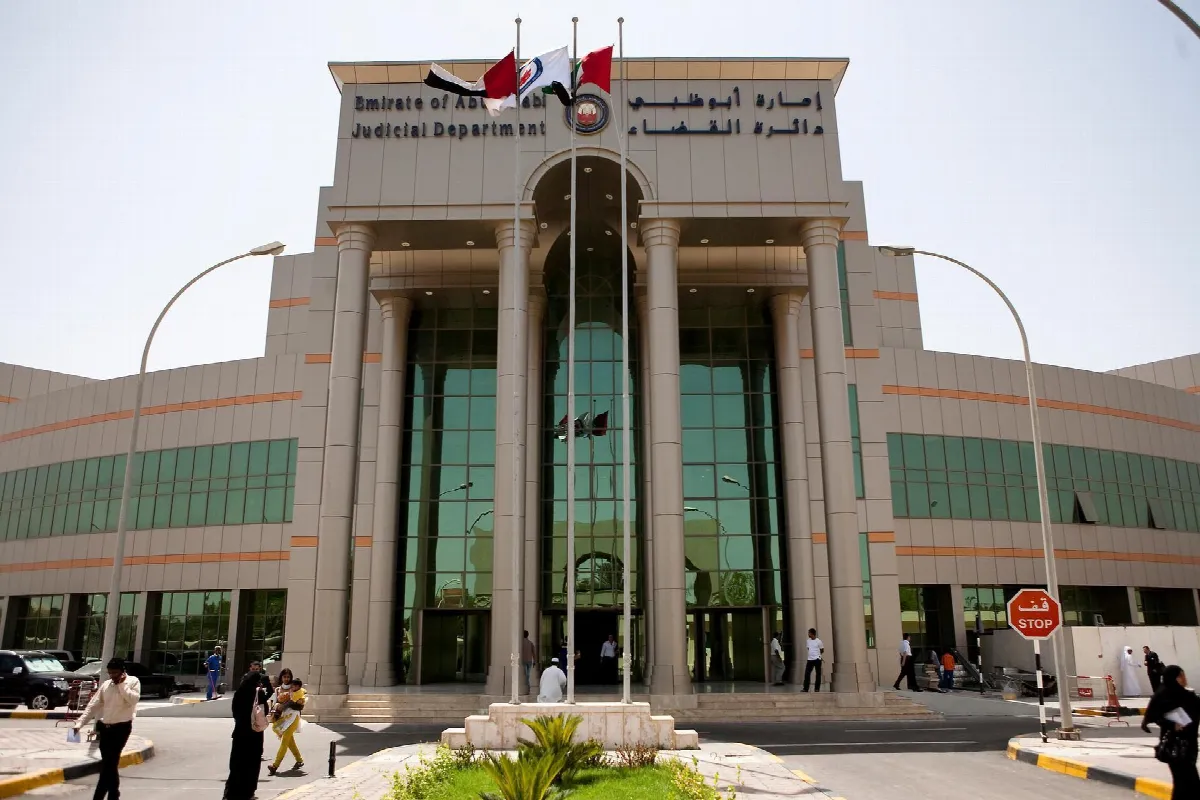
What happens when an employment dispute reaches the highest court in Abu Dhabi? The Court of Cassation recently confirmed a final ruling in a labour case between a medical professional and their former employer, offering important insights into how the UAE legal system handles employment disputes involving unpaid wages, gratuity, and notice period compensation.
The Abu Dhabi Court of Cassation upheld a Court of Appeal decision awarding Dh318,690 to a doctor who filed claims against a medical centre for outstanding employment dues. After offsetting notice period compensation owed to the employer, the medical professional will receive a net payment of Dh168,690.
The Employment Dispute Background
A medical professional joined an Abu Dhabi medical centre on 24 October 2022 under a fixed-term contract with a total monthly salary of Dh150,000. This compensation package consisted of a basic salary of Dh75,000 plus a 20 per cent commission structure.
The doctor continued working until 25 February 2025, having submitted their resignation on 26 December 2024. The resignation cited the employer’s breach of contract terms as the primary reason for termination.
Claims Filed in Abu Dhabi Court
The employee filed Labour Case No. 113/2025 seeking several outstanding payments:
- Delayed wages: Dh30,000
- Vacation allowance: Dh72,500
- End-of-service gratuity: Dh95,000
- Additional requests: Cancellation of medical licence and certificate of experience
The medical centre responded with a counterclaim (Case No. 147/2025) demanding Dh150,000 as notice allowance and Dh300,000 for damages allegedly caused by the employee’s professional performance issues.
Both cases were joined and heard together due to involving identical parties and related subject matter.
Three-Stage Court Process
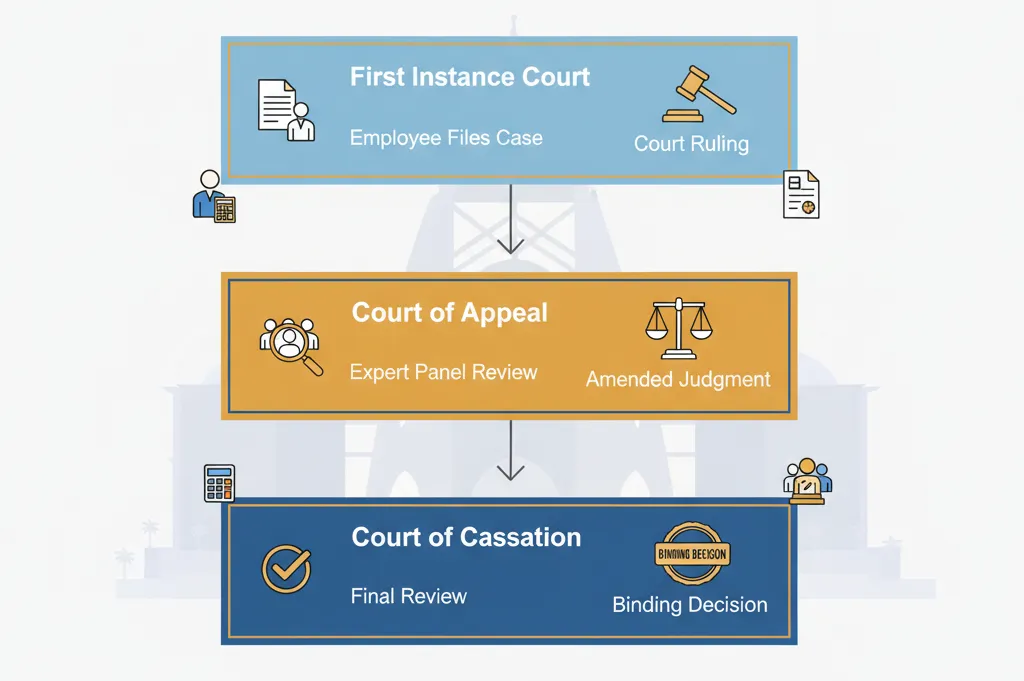
First Instance Court Ruling (28 April 2025)
The Court of First Instance ruled largely in favour of the employee, ordering the medical centre to pay Dh392,708 total. This included:
- Dh30,000 for delayed wages
- Dh72,500 for vacation allowance
- Dh100,000 for notice allowance
- Dh114,759 for end-of-service gratuity
- Issuance of certificate of experience
However, the court also ordered the employee to pay Dh150,000 to the employer for notice period compensation, as the full notice period was not served after resignation.
Court of Appeal Modification (27 August 2025)
Both parties appealed the initial ruling. The Court of Appeal appointed expert panels to reassess all financial and professional records submitted during the proceedings.
After reviewing the expert report and objections from both sides, the Court of Appeal amended the judgment. The court ordered the medical centre to pay Dh318,690 to the employee whilst maintaining the employee’s obligation to pay Dh150,000 to the employer.
The employer’s damage claim for Dh300,000 was rejected entirely, and the employee’s appeal against the notice period payment was also dismissed.
Court of Cassation Final Decision
The employee filed a petition with the Abu Dhabi Court of Cassation, arguing that the expert report contained calculation errors regarding commission payments, notice allowance, and gratuity amounts.
The Court of Cassation found no merit in these claims. The court ruled that the Court of Appeal had correctly applied the law and properly assessed the expert report with sound legal reasoning.
The Court of Cassation emphasised that appellate courts have full discretion to evaluate expert opinions and that the employee’s objections merely represented disagreements with the court’s assessment of evidence rather than genuine legal errors.
The cassation appeal was dismissed in full, with the employee ordered to pay court fees, expenses, and Dh500 towards the employer’s legal fees. The security deposit lodged for the cassation appeal was also confiscated.
Understanding the Financial Outcome
The final binding judgment establishes these payment obligations:
Employer must pay employee: Dh318,690
Employee must pay employer: Dh150,000
Net payment to employee: Dh168,690
This net amount represents the difference after offsetting the mutual obligations between both parties.
Commission-Based Salary Calculations
One crucial aspect of this case involves how end-of-service gratuity is calculated for commission-based employees.
The doctor’s total monthly package was Dh150,000, but the basic salary component was only Dh75,000. Under UAE labour law, end-of-service gratuity calculations are based solely on the basic salary, not the total compensation package including commissions.
This distinction significantly impacts final settlement amounts in employment disputes involving sales professionals, real estate agents, and medical practitioners who work on commission structures.
Notice Period Obligations Work Both Ways
A key learning from this case: notice period compensation applies regardless of which party terminates the employment relationship.
The employee resigned citing breach of contract but did not serve the full notice period required under the employment agreement. The courts consistently upheld the employer’s right to receive compensation for this unserved notice period, even whilst ruling in favour of the employee on other claims.
This principle applies across the UAE private sector and affects severance package calculations when employees resign without serving their contractual notice requirements.
Expert Panel Reviews Carry Significant Weight
The Court of Appeal appointed specialist panels to review financial records, employment contracts, and professional performance documentation. These expert assessments proved decisive in determining the final award amounts.
Courts regularly rely on expert opinions when calculating:
- Commission-based compensation averages
- Vacation allowance entitlements
- End-of-service gratuity calculations
- Notice period valuations
Parties disputing expert findings must demonstrate clear legal errors rather than simply disagreeing with methodology or conclusions, as the Court of Cassation made clear in this ruling.
What This Means for Medical Professionals
Healthcare workers in Abu Dhabi and across the UAE can draw several lessons from this precedent:
Document everything: Employment contracts, salary payments, commission structures, and any correspondence regarding contract terms or breaches should be maintained carefully.
Understand your compensation structure: Know which portion of your salary counts as “basic” versus “commission” or “allowances,” as this affects gratuity calculations.
Notice period obligations apply: Resigning without serving notice creates financial obligations even if you have legitimate grievances against your employer.
The court system works: Whilst the process took several months through multiple appeal levels, the employee ultimately received most claimed entitlements through proper legal channels.
Protecting Your Employment Rights
If you face similar disputes over unpaid wages, vacation allowances, or gratuity payments, the UAE legal system provides clear procedures for resolution:
- Gather documentation: Collect employment contracts, salary statements, commission records, and any written communications with your employer
- File with MOHRE: Many disputes can be resolved through the Ministry of Human Resources and Emiratisation before reaching court
- Consider expert legal advice: Employment law specialists can assess your case and guide you through the court process
- Be prepared for the process: As this case demonstrates, reaching final resolution may require proceeding through multiple court levels
Frequently Asked Questions
How long do labour disputes take to resolve in Abu Dhabi courts?
This case took approximately four months from the First Instance ruling (April 2025) to the final Court of Cassation decision (after August 2025). Simple cases may resolve faster through MOHRE mediation, whilst complex disputes involving expert assessments and multiple appeals can extend longer.
Can I claim unpaid wages if I’ve already resigned?
Yes, UAE labour law protects your right to claim outstanding wages, vacation allowances, and end-of-service gratuity regardless of who terminated the employment relationship. However, you typically have one year from the termination date to file claims.
How is end-of-service gratuity calculated for commission-based employees?
Gratuity calculations use only your basic salary component, not your total compensation package. If you earn Dh100,000 monthly with Dh60,000 basic salary and Dh40,000 commission, the gratuity calculation uses only the Dh60,000 basic amount.
What happens if I don’t serve my notice period after resigning?
Your employer can claim compensation equal to your salary for the unserved portion of the notice period. This compensation obligation exists even if you have valid complaints against your employer, as demonstrated in this case where the employee owed Dh150,000 for notice despite winning the primary claims.
Can employers claim damages for employee performance issues?
Employers can file counterclaims for damages, but must provide substantial evidence of actual losses caused by employee actions. In this case, the employer’s Dh300,000 damage claim was rejected by the courts, suggesting insufficient proof of damages directly attributable to the employee’s professional performance.
Are Court of Cassation decisions final?
Yes, Court of Cassation rulings represent the final word in UAE legal disputes. These decisions are binding on all parties and cannot be appealed further. The only remedy after an unfavourable cassation ruling is seeking presidential pardon in extraordinary circumstances.
Should I continue working whilst my labour dispute is pending?
If you remain employed during a dispute, you must continue receiving your regular salary. Employers cannot withhold wages during ongoing disputes. However, many employees choose to resign and pursue claims for unpaid dues, as occurred in this case.
How do vacation allowances accumulate in the UAE?
Private sector employees receive 30 days of paid annual leave after completing one year of service. Unused vacation days must be paid when employment ends, calculated based on your current salary at the time of termination.
Further Reading:
- UAE Employment Contracts: Guide to Severance Packages & Gratuity
- UAE Labour Law: Commission Claims and End-of-Service Benefits Guide
- How to Sue for Wrongful Termination in Dubai: Employee Guide 2024
- How to Report Unpaid Salaries Anonymously in the UAE (MOHRE 2025 Guide)
- UAE Labour Laws: Essential Guide to Private Sector Employment Rights 2025
The UAE week, every Monday
The week's stories on jobs, visas, money and daily life in one short email. Unsubscribe in one click.