Property Service Charges Before Handover Dubai: New RDC Ruling Explained
Dubai buyers must pay service charges before handover if delays are self-caused. Learn what the RDC ruling means for your property obligations.
By Vadim Kouznetsov, published

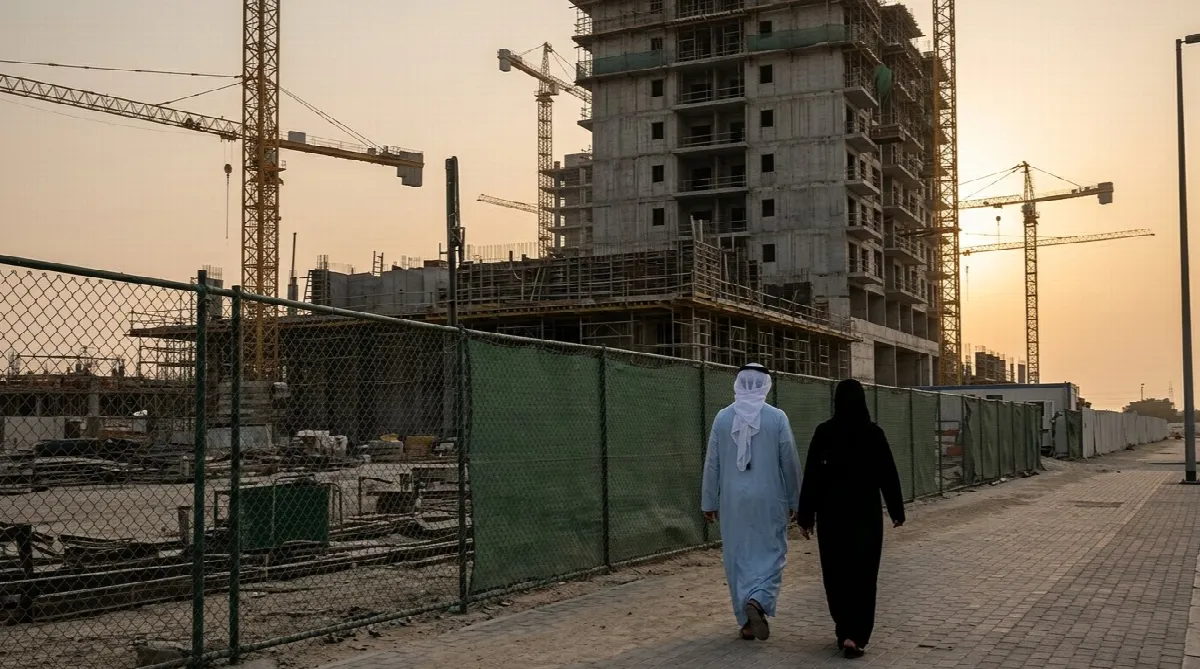
Property buyers in Dubai now face clear responsibilities regarding service charges—even before collecting their keys. The Dubai Rental Disputes Center has issued a decisive ruling that eliminates confusion around who pays for building maintenance when handovers face delays.
The New Legal Standard
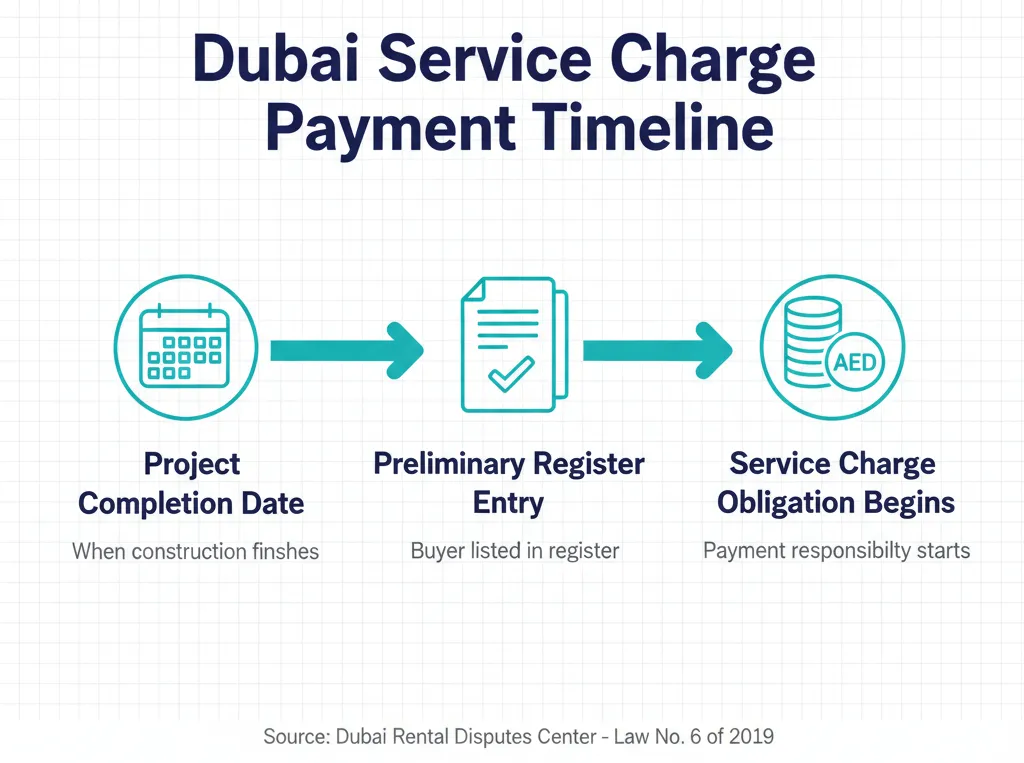
The ruling establishes that buyers listed in the preliminary property register must cover service charges from the moment the project reaches completion or from when they miss scheduled payments—whichever date arrives first. This applies specifically when delays stem from buyer actions rather than developer issues.
Law No. (6) of 2019 on Jointly Owned Properties forms the foundation of this decision. The legislation mandates that service fees fund shared facilities across residential and commercial buildings throughout the emirate.
Judge Abdulqader Mousa Mohammed, President of the RDC, explained the reasoning behind this precedent: “This decision closes a legal gap and guarantees fairness for compliant owners and developers. It maintains building services without interruption and prevents those who delay payment from avoiding their obligations.”
Understanding the Payment Timeline
The confusion typically arose in scenarios where buyers secured their units but hadn’t completed the formal transfer process. Missed payments or incomplete documentation would stall handovers, leaving developers managing properties whilst incurring ongoing maintenance costs.
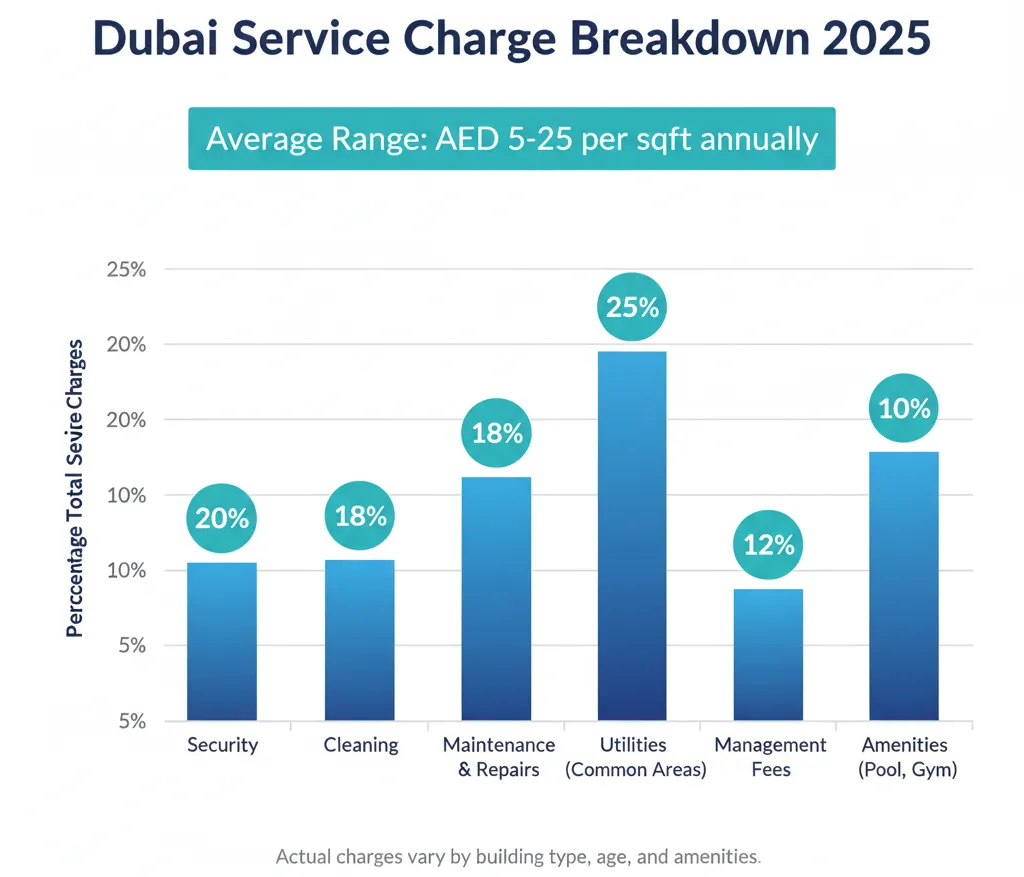
Service charges cover essential building operations including security, cleaning, lift maintenance, swimming pools, gyms, and communal area upkeep. These costs continue regardless of whether individual units have changed hands officially.
What This Means for UAE Property Owners
The ruling affects thousands of property transactions across Dubai and neighbouring emirates. Buyers can no longer assume they’re exempt from service charges simply because they haven’t moved in yet.
Property managers and developers now have legal backing to collect fees from the date projects complete or from default dates. This improves cash flow for building management and prevents service quality deterioration in shared spaces.
The RDC’s efficiency in handling such disputes continues to strengthen Dubai’s property market reputation. Throughout 2024, the Center resolved 49,817 execution files related to jointly owned properties. Its self-execution service for service fee claims allows property managers to recover outstanding amounts more efficiently, reducing administrative burdens and improving building operations.
Key Considerations for Buyers
Before purchasing property in Dubai, buyers should factor service charges into their budgeting from completion dates rather than handover dates. Understanding essential property buying costs in Dubai helps avoid unexpected financial obligations.
Buyers experiencing payment difficulties should communicate with developers promptly rather than allowing situations to escalate. Clear dialogue often prevents disputes that could result in accumulated charges plus potential legal costs.
For those already in purchase agreements, reviewing contracts alongside the new ruling with property lawyers proves worthwhile. Clarifying responsibilities upfront saves complications later. Service charges have been projected to rise by 5-10% in 2025, making accurate budgeting increasingly important.
Strengthening Market Confidence
Dubai’s property market continues evolving with increased transparency measures. This ruling forms part of broader efforts to protect both buyers and developers whilst maintaining building standards across the emirate.
The RDC’s average dispute resolution time of six days demonstrates the emirate’s commitment to swift justice in property matters. Such efficiency attracts international investors seeking stability and clear legal frameworks.
Property service charges typically range from AED 5 to AED 25 per square foot annually, depending on building amenities and location. Buyers should request detailed breakdowns during purchase negotiations to understand long-term ownership costs fully. For freehold property buyers in Dubai, these ongoing costs represent a crucial element of total investment calculations.
Frequently Asked Questions
When exactly do service charges become my responsibility?
Service charges become your obligation from the project completion date or from when you default on payments—whichever comes first—if you’re listed in the preliminary property register.
What happens if I refuse to pay service charges before handover?
Developers can pursue legal action through the RDC’s self-execution service, potentially recovering dues plus associated costs. Non-payment may also delay your handover further.
Do service charges apply to off-plan purchases?
Yes, once the project reaches completion and you’re registered, charges apply regardless of whether construction finished earlier or later than scheduled. This aligns with recent trends in Dubai’s off-plan property market.
How can I verify my service charge obligations?
Check your sales agreement, request a statement from the developer, and review the preliminary property register entry. Consider consulting a property lawyer for complex situations.
Are service charges refundable if I cancel my purchase?
Cancellation terms vary by contract. Service charges already incurred typically aren’t refundable, but specific circumstances depend on your agreement and reason for cancellation.
Can I challenge unreasonable service charge increases?
Yes, property owners can contest service charge increases through RERA and the Rental Dispute Centre if they believe fees are unjustified.
Key Takeaway
Dubai property buyers must now pay service charges from project completion or payment default dates—even before official handover—when delays result from their actions. This legal precedent protects building services, clarifies financial responsibilities, and strengthens Dubai’s property market transparency.
Further Reading
- Essential Property Buying Costs in Dubai: Complete Guide
- Dubai Property: How Villa Owners Can Contest Service Charge Increases
- Dubai Property Service Charges Rising 10% in 2025: Essential Guide
- Freehold Property in Dubai: Complete Ownership Guide 2025
- Tenant Rights in Dubai: Understanding Rental Disputes and Service Charges
The UAE week, every Monday
The week's stories on jobs, visas, money and daily life in one short email. Unsubscribe in one click.