Freehold Property in Dubai: Complete Ownership Guide 2025 | JobXDubai
Discover everything about Dubai freehold property ownership including legal requirements, visa benefits, buying process and top investment areas for foreign investors in 2025.
By Vadim Kouznetsov, published
Summary
Dubai’s real estate market offers excellent opportunities through freehold property ownership, allowing non-UAE nationals to own properties in designated areas with perpetual ownership rights. This comprehensive guide covers everything from legal requirements to the buying process, visa benefits, and key considerations for making informed investment decisions in Dubai’s dynamic property market in 2025.
Understanding Freehold Property Ownership in Dubai 🏙️
Freehold property ownership in Dubai represents one of the most significant developments in the emirate’s real estate sector. Since the introduction of freehold ownership laws in 2002, non-UAE nationals have been able to purchase properties in designated areas with complete ownership rights.
Unlike leasehold properties, freehold properties grant owners perpetual rights to:
- Sell the property at any time without restrictions
- Lease the property to generate rental income
- Occupy the property as a primary or secondary residence
- Transfer ownership through inheritance to heirs
- Use the property as collateral for loans or mortgages
This ownership model has transformed Dubai’s property landscape, creating a thriving international real estate market that continues to attract investors worldwide.
Legal Framework for Freehold Property 📜
The legal foundation for freehold property ownership in Dubai rests primarily on Law No. 7 of 2006, which officially permitted foreign nationals to purchase properties in designated areas. This framework has evolved over time to include additional regulations that protect buyers and ensure market transparency.
Key regulatory aspects include:
- Dubai Land Department (DLD): The central authority overseeing all property registrations and transactions
- Real Estate Regulatory Agency (RERA): Regulates the real estate sector, including developer activities and agent conduct
- Title Deeds: Official documents issued by the DLD confirming ownership rights
- Escrow Accounts: Mandatory for off-plan properties to protect buyer investments
These legal safeguards have established Dubai as a secure destination for property investment, with clear ownership rights for international buyers.
Types of Freehold Properties Available 🏢
Dubai offers a diverse range of freehold property options to suit various investment strategies and lifestyle preferences:
Residential Properties
Residential properties in Dubai range from affordable studios to ultra-luxury villas. Popular areas for residential freehold properties include:
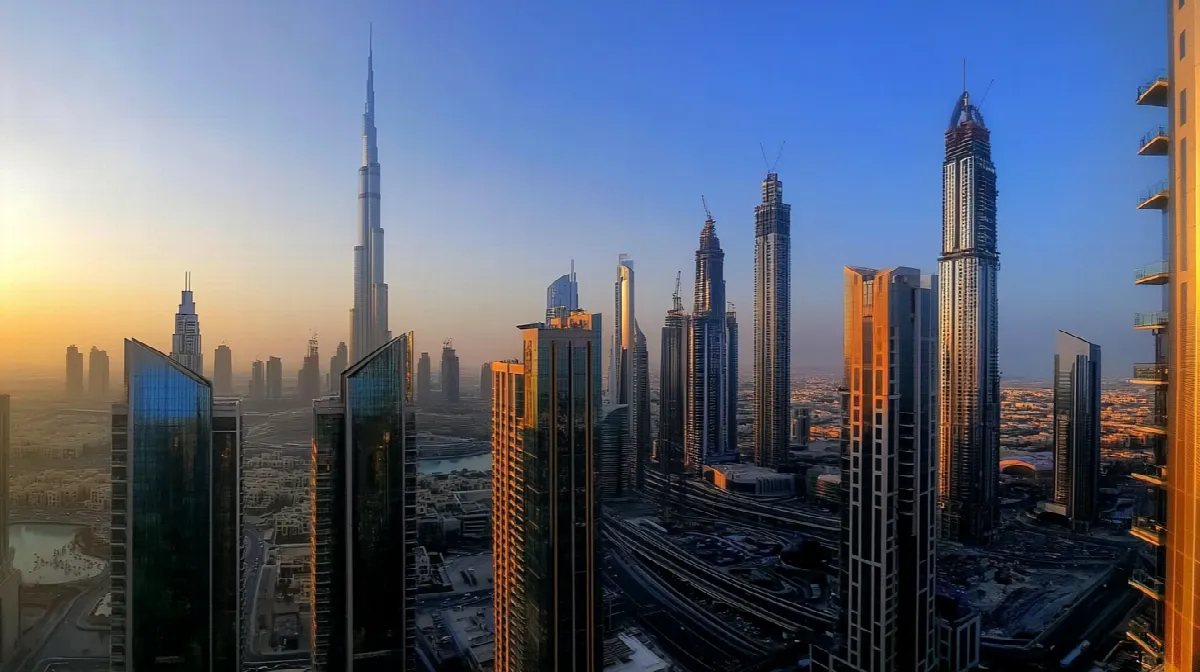
- Downtown Dubai: Home to the iconic Burj Khalifa and Dubai Mall
- Dubai Marina: Known for waterfront living and stunning high-rises
- Palm Jumeirah: The famous palm-shaped island with luxury beachfront properties
- Dubai Hills Estate: A newer community offering villas and townhouses with golf course views
- Jumeirah Beach Residence (JBR): Beachfront apartments with retail and dining options
Commercial Properties
Commercial freehold properties offer excellent investment opportunities with typically higher rental yields than residential properties. Key commercial areas include:
- Business Bay: A central business district with modern office towers
- Dubai International Financial Centre (DIFC): A financial hub with Grade A office spaces
- Jumeirah Lakes Towers (JLT): Mixed-use development with offices and retail
- Dubai Knowledge Park: Education-focused commercial spaces
- Dubai Healthcare City: Medical and healthcare-related commercial properties
Benefits of Freehold Property Ownership 💰
Investment Advantages
Dubai’s freehold property market offers compelling investment advantages:
- Tax Benefits: No property tax, capital gains tax, or income tax
- High Rental Yields: Average yields of 5-8%, higher than many global markets
- Capital Appreciation: Long-term value growth in established and emerging areas
- Foreign Ownership: 100% foreign ownership without local partnerships
- Currency Stability: UAE dirham pegged to the US dollar, reducing currency risk
Visa Benefits Through Property Ownership
One of the most attractive features of freehold property ownership in Dubai is the potential qualification for residence visas:
These visa options make Dubai particularly attractive for international investors looking to establish a presence in the UAE while securing a valuable real estate asset.
The Buying Process for Freehold Properties 🔑
Property Search and Due Diligence
The journey to freehold property ownership begins with:
- Identifying suitable properties in designated freehold areas
- Researching developers and their track records
- Verifying property status with the Dubai Land Department
- Checking payment plans and financing options
- Assessing community amenities and future development plans
Thorough due diligence is essential to avoid potential issues and secure a property that meets your investment goals or lifestyle needs.
Transaction Completion
Once you’ve selected a property, the buying process typically involves:
- Reservation agreement with initial deposit (typically 5-10%)
- Sales and purchase agreement (SPA) outlining terms and conditions
- Mortgage pre-approval (if financing is required)
- No objection certificate (NOC) from the developer
- Final payments and fees, including:
- Transfer fee (4% of property value)
- Registration fee (AED 4,000 for properties above AED 500,000)
- Agent commission (typically 2%)
- Mortgage registration fee (if applicable)
Title Deed Issuance
The final step in the buying process is obtaining the title deed:
- DLD appointment to transfer ownership
- Payment of all required fees
- Biometric verification for new owners
- Title deed registration in the new owner’s name
The title deed serves as proof of ownership and is registered in the official real estate registry maintained by the Dubai Land Department.
Legal Considerations for Freehold Property 📋
Property Registration
Proper registration with the Dubai Land Department is crucial for protecting ownership rights. The registry provides:
- Legal confirmation of property ownership
- Public record of all transactions
- Protection against fraud or disputed claims
- Transparency for all parties involved
Escrow Accounts for Off-Plan Properties
When purchasing off-plan properties (those still under construction):
- Developers must maintain escrow accounts regulated by the DLD
- Buyer payments are protected and only released based on construction progress
- This system safeguards buyer investments if projects face delays or issues
Building Codes and Regulations
Dubai maintains strict building codes to ensure safety and quality:
- All properties must meet structural safety standards
- Environmental and sustainability requirements must be followed
- Regular inspections ensure compliance with regulations
Key Considerations for Prospective Buyers 🧠
Market Trends and Demand Drivers
When evaluating freehold property investments, consider:
- Population growth and demographic shifts
- Infrastructure development and transportation links
- Economic diversification beyond oil sectors
- Tourism growth and visitor numbers
- Government initiatives like Expo 2020 legacy and Vision 2030
Financial Planning and Mortgage Options
For property financing:
- UAE banks offer mortgages to non-residents with terms up to 25 years
- Typical loan-to-value ratios range from 60-75% for non-residents
- Interest rates are competitive, with both fixed and variable options
- Mortgage pre-approval is recommended before property search
Location Considerations
The property’s location significantly impacts its value and potential:
- Proximity to business districts for commercial appeal
- Access to schools and healthcare for family-friendly areas
- Transportation links including Metro stations
- Lifestyle amenities such as beaches, malls, and restaurants
- Future development plans that might affect property values
Making Informed Decisions 📊
Property Valuation and Inspection
Before finalising any purchase:
- Conduct independent property valuations to verify fair market value
- Arrange professional inspections for existing properties
- Review service charge history and community management records
- Assess rental demand in the area if investment is the primary goal
Legal Protection and Dispute Resolution
Dubai’s real estate sector provides strong legal protections:
- Clear legal framework for property rights
- Specialised rental dispute centre for landlord-tenant issues
- Access to legal mediation and arbitration
- International investment protection agreements
Conclusion: The Future of Freehold Property in Dubai
Dubai’s freehold property market continues to evolve with new regulations and developments enhancing its appeal to international investors. The combination of tax advantages, visa benefits, and capital appreciation potential makes freehold property an attractive option for both lifestyle buyers and strategic investors.
As Dubai advances its position as a global business hub and tourist destination, freehold properties in strategic locations are likely to see sustained demand and value growth. By understanding the legal framework, conducting thorough due diligence, and working with qualified professionals, investors can confidently participate in Dubai’s dynamic real estate market.
Key Takeaway
Freehold property ownership in Dubai offers foreign investors perpetual ownership rights with significant advantages including potential visa eligibility, strong rental yields, and tax-free returns. The well-regulated market provides security for buyers, while diverse property options cater to different investment strategies and budgets. For optimal results, conduct thorough research, understand the legal framework, and engage qualified professionals to navigate the purchase process in this thriving real estate market.
FAQs on Freehold Property in Dubai
What areas in Dubai allow freehold property ownership for foreigners?
Foreigners can purchase freehold properties in designated areas including Downtown Dubai, Dubai Marina, Palm Jumeirah, Jumeirah Lake Towers, Dubai Hills Estate, Arabian Ranches, and other approved zones. These areas continue to expand as new developments receive freehold designation.
How does freehold ownership differ from leasehold in Dubai?
Freehold ownership grants perpetual rights to the property, including the ability to sell, lease, or pass it to heirs without restrictions. Leasehold provides only temporary rights (typically 99 years) with limitations on modifications and transfers.
What are the typical returns on investment for Dubai freehold properties?
Residential properties typically yield 5-8% annual rental returns, while commercial properties may generate 7-10%. Capital appreciation varies by location and market conditions, with prime areas historically showing stronger long-term growth.
What fees should I budget for when buying a freehold property?
Beyond the property price, budget for transfer fees (4% of property value), registration fees (AED 4,000 for properties above AED 500,000), agency commission (typically 2%), and potential mortgage arrangement fees. For off-plan properties, payment schedules are typically structured throughout the construction period.
Can I obtain residency in Dubai by purchasing a freehold property?
Yes, property ownership can qualify you for residence visas, with requirements varying based on property value. Properties valued at AED 1 million or more may qualify for a 2-year investor visa, while investments of AED 2 million or more may qualify for the 10-year Golden Visa program, subject to other criteria.
Additional Reading Material
- Dubai Real Estate Hits AED35.2bn in Sales as New Freehold Areas Boost Market
- Complete Guide: Buying Freehold Property in Dubai 2025 | Expert Tips & Areas
- Dubai Property Prices Set to Surge: SZR and Al Jaddaf Go Freehold in 2025
- Dubai Property Update: Sheikh Zayed Road, Al Jaddaf Switch to Freehold Status
The UAE week, every Monday
The week's stories on jobs, visas, money and daily life in one short email. Unsubscribe in one click.