Dubai Affordable Schools: Parents React to KHDA Education Plan 2025
Dubai parents respond to KHDA’s affordable education plan. School fees range AED 2,673-116,000. Real stories from families paying premium to budget costs.
By Vadim Kouznetsov, published

Parents across Dubai have welcomed the Knowledge and Human Development Authority’s new strategy to introduce affordable, quality education through incentive schemes and government support. For many families, school fees represent their largest monthly expense after housing.
The Challenge of School Fees in Dubai
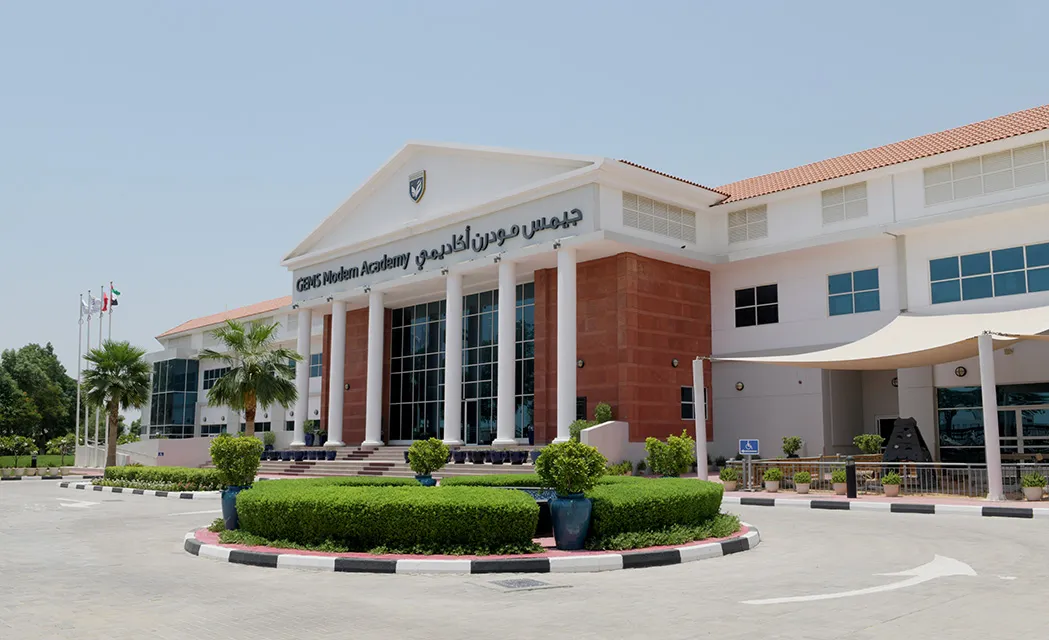
Dubai’s education landscape shows dramatic price variations. School fees range from AED 2,673 annually at budget-friendly institutions like Iranian Salman Farisi Boys School to AED 116,000 at premium establishments such as GEMS School of Research and Innovation.
This wide pricing spectrum creates difficult choices for families. Former Dubai resident James H. faced this challenge firsthand when relocating from Australia with three high-school-aged children.
“All three of my kids were in high school and their fees came up to about AED 60,000 per child,” James recalled. Unable to afford AED 180,000 annually for education alone, he and his wife chose an alternative solution: renting a larger villa where she homeschooled the children for three years.
“The inability to afford quality education was one of the reasons why we decided to move back home to Australia eventually,” he explained.
KHDA’s New Affordable Education Strategy
The Knowledge and Human Development Authority recently announced plans to make quality education more accessible through:
- Incentive schemes for socially minded investors
- Government-backed support for affordable school options
- Focus on maintaining quality whilst reducing costs
The initiative aims to balance affordability with educational standards, addressing a pressing need for middle-income families in the emirate.
Parent Perspectives: Premium School Families
Trust in Dubai’s Execution
British expat Victoria pays AED 150,000 annually for two children attending a top-tier school. Despite the substantial investment limiting discretionary spending, she prioritises facilities and university prospects.
“The school’s global recognition is a big factor in staying,” Victoria explained. She welcomes affordable school initiatives and trusts Dubai’s ability to deliver quality results.
“In the UK, it’s a concept of optimal education for all children, not the best they can give the child,” she noted. “Given there are non-profit schools like Dubai College, Dubai has already shown the world how affordable schools should operate.”
Victoria suggested that established premium schools should introduce scholarship programmes to increase student cohort diversity.
Generational Fee Increases
IT professional Surya Balakrishnan experienced dramatic fee inflation firsthand. His parents paid AED 975 monthly for his Grade 12 tuition at an Indian-curriculum school. Now preparing for his son’s 2026 kindergarten entry at a British-curriculum school, he faces AED 3,360 monthly fees—over three times what his parents paid for secondary education.
“School fees have shot up in recent years,” Surya observed. “We’re not wealthy, but both of us earn well and have only one child.”
Location factored heavily in his school choice. “Since he has motion sickness, we chose a nearby school to keep him comfortable—even if it costs more.”
Surya considers affordable schooling options “meaningful” and something he’d explore in future.
Quality Concerns and Monitoring
GCC national Mariam, a single mother paying AED 116,000 for two children at a premium IB school, welcomes affordable education but emphasises the need for rigorous oversight.
“Affordable schooling is a much-needed and welcome initiative as I have come across many instances both on social media and among my social circles where parents highlight the difficulty in putting kids through school and consider online schooling as an option,” Mariam explained.
She anticipates affordable schools will offer limited facilities and hopes KHDA monitors them carefully to maintain teaching quality. However, she wouldn’t move her own children.
“I chose this school because I felt it was reasonably priced, and my kids are both happy at their school,” she said. “I think it’s most important to invest in good quality training and teaching staff, and for that, I am happy to pay a premium.”
Financial Pressure: Middle-Income Families
Single-Income Household Strategies
For Pakistani expat Sama Sheikh, a single-income family, every dirham matters. She spends approximately AED 40,000 annually on her only child’s education, including fees, transport, uniforms, and extracurriculars.
The family maximises resources by using lunchboxes and extending uniform lifespans. Following the pandemic, Sama briefly switched to online schooling for cost savings.
“It was affordable, and the teaching was decent,” she recalled. “But being an only child, my daughter missed social interaction, so we returned to regular school.”
Sama enthusiastically supports affordable school initiatives. “School fees take up a large part of our income. Seeing that money deducted every few months is tough. Affordable schools would give us a real breather.”
Relocating for Affordability
Aaliya Hussain, mother of four children aged 4 to 16, made significant lifestyle changes to manage education costs. She relocated her children from Dubai schools to more affordable options in northern emirates.
“Dubai got too expensive,” Aaliya explained. The family eliminated school bus services, with parents alternating drop-offs and pick-ups.
“It’s not easy with kids aged 4 to 16, but we save AED 1,200 a month, so it’s worth it,” she said.
The compromise affects quality of life beyond finances. “We loved living in Dubai, but now my husband drives long distances for work. Accessible education would truly improve our quality of life.”
For Aaliya’s family, affordable quality education in Dubai would be “life changing.”
The Broader Impact
These parent testimonials highlight education affordability as a determining factor in:
- Family relocation decisions (both to and from Dubai)
- Household budget allocation (often the second-largest expense)
- Quality of life trade-offs (commute times, housing choices)
- Family planning considerations (number of children)
The experiences range from families comfortably paying premium fees to those making significant sacrifices or leaving Dubai entirely due to education costs.
Understanding Dubai’s cost of living helps families budget appropriately for major expenses including education. For those considering relocation, exploring jobs in Dubai for foreigners and salary expectations provides crucial context for education affordability.
Frequently Asked Questions
What is the price range for schools in Dubai?
School fees in Dubai range from approximately AED 2,673 annually at budget-friendly schools to AED 116,000+ at premium international institutions. Mid-range schools typically charge AED 30,000-60,000 annually.
Will affordable schools maintain quality standards?
KHDA’s plan emphasises quality alongside affordability. Parents hope for rigorous monitoring to maintain teaching standards whilst reducing costs through government support and investor incentives.
When will affordable schools become available?
KHDA has announced the strategy but hasn’t released specific timelines for implementation. Parents should monitor official KHDA announcements for updates.
Can families with children in premium schools benefit?
Whilst the initiative targets middle-income families facing affordability challenges, premium school families might benefit indirectly through scholarship programmes and increased educational diversity.
What expenses beyond tuition should families budget for?
Beyond tuition fees, families should budget for transport (AED 3,000-8,000 annually), uniforms, books, extracurricular activities, school trips, and additional resources. These can add 20-30% to base tuition costs.
How do Dubai school fees compare internationally?
Dubai’s premium international schools rank among the world’s most expensive. However, budget options exist below costs in major Western cities like London or New York. The challenge lies in balancing affordability with quality and curriculum preferences.
Key Takeaway
KHDA’s affordable education initiative addresses a critical need for Dubai’s middle-income families, where school fees often represent the second-largest household expense after housing. Parent responses range from enthusiastic support among cost-conscious families to cautious optimism from premium school parents who trust Dubai’s execution whilst prioritising quality. For families like Aaliya Hussain’s, who relocated to northern emirates due to costs, affordable quality education in Dubai could be “life changing.”
Important Note: This information reflects parent perspectives as of 2025. For official updates on KHDA’s affordable education strategy, visit the Knowledge and Human Development Authority website or contact them directly.
Contact Information:
- Knowledge and Human Development Authority (KHDA): Official website for education updates and school information
Further Reading
The UAE week, every Monday
The week's stories on jobs, visas, money and daily life in one short email. Unsubscribe in one click.