Sam Altman Reveals Which Jobs AI Will Replace by 2026
OpenAI CEO Sam Altman predicts which jobs AI will eliminate first. Customer support at risk, nursing safe. UAE prepares workforce for change.
By Vadim Kouznetsov, published
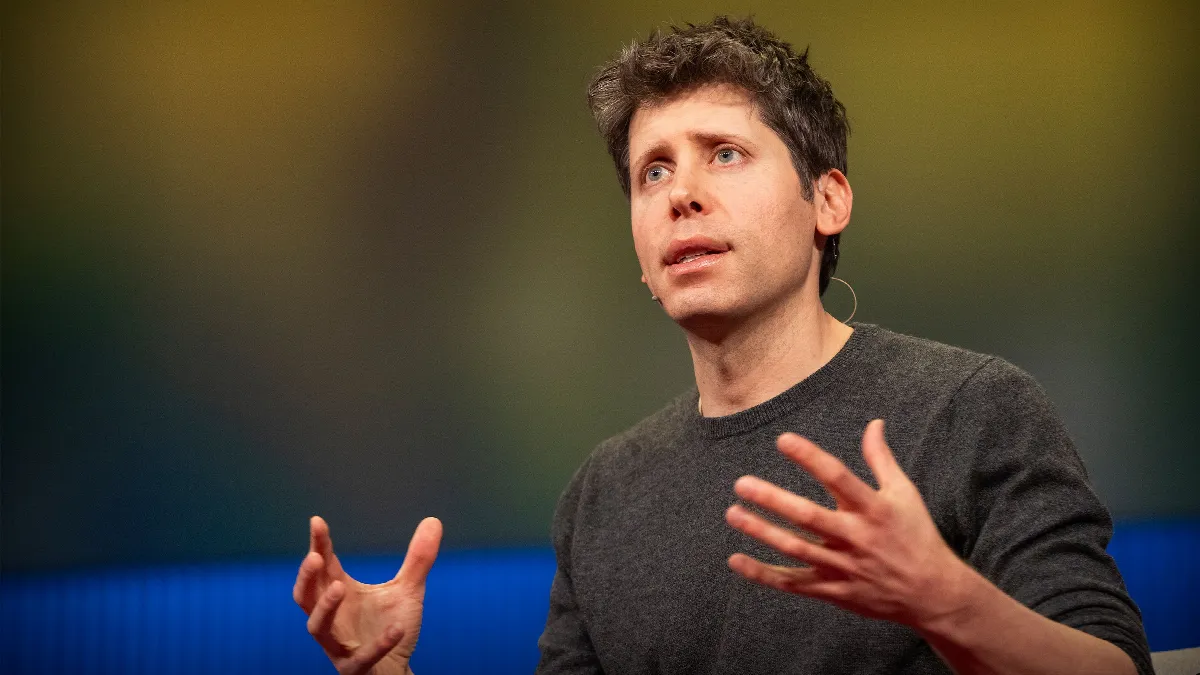
OpenAI’s CEO Sam Altman has delivered a stark assessment of artificial intelligence’s impact on employment during his recent Tucker Carlson Show interview. His predictions paint a clear picture of which careers face immediate threats and which remain protected from automation.

Customer Support Roles Face Immediate Replacement
Altman expressed unwavering confidence that AI will eliminate many customer support positions within the next few years. “I’m confident that a lot of current customer support that happens over a phone or computer, those people will lose their jobs, and that will be better done by an AI,” he stated.
This prediction aligns with current market trends, where companies across Dubai and the UAE are already implementing chatbots and automated systems to handle routine enquiries. The efficiency gains and cost reductions make this transition almost inevitable for businesses seeking competitive advantages.
Programming Jobs Transform Rather Than Disappear
Contrary to widespread fears about coding careers vanishing, Altman presented a more nuanced view of programming’s future. He emphasised that AI tools have fundamentally changed what it means to be a developer, making them significantly more productive rather than obsolete.
“What it means to be a computer programmer today is very different than what it meant two years ago,” Altman explained. “You’re able to use these AI tools to just be hugely more productive, but it’s still a person there.”
The OpenAI chief highlighted increased demand for software development, suggesting that AI-enhanced productivity has actually expanded opportunities rather than eliminated them.
Healthcare Jobs Remain Human-Centric
Nursing emerged as Altman’s prime example of AI-resistant careers. Despite advancing robotics and medical AI systems, he believes the human connection in healthcare cannot be replicated by machines.
“A job that I’m confident will not be that impacted is like nurses,” Altman said. “I think people really want the deep human connection with a person in that time and no matter how good the advice of the AI is… you will really want that.”
This perspective reflects broader recognition that emotional intelligence, empathy, and human touch remain irreplaceable in caregiving professions.
Accelerated Labour Market Evolution
Altman’s most striking prediction concerns the speed of employment transformation. While historically, approximately half of all jobs have changed significantly every 75 years, he believes AI will compress this timeline dramatically.
“My controversial take would be that this is going to be like a punctuated equilibrium moment where a lot of that will happen in a short period of time,” he warned.
However, he stressed that new job categories will emerge, many currently unimaginable. He cited ChatGPT itself as an example of technology that would have been inconceivable just two decades ago.
UAE Prepares for AI Integration
The UAE government has already begun preparing its workforce for this transformation. Starting in the 2025-2026 academic year, AI education will be integrated into public school curricula from kindergarten through Grade 12.
This initiative will teach students AI concepts, practical applications, and ethical considerations, positioning the next generation for an AI-integrated economy.
Jobs at Risk vs. Safe Careers
A joint report from Dubai’s Department of Economy and Tourism (DET) and the Knowledge and Human Development Authority (KHDA) identified specific professions facing varying levels of AI disruption:
High-Risk Positions:
- Customer support agents
- Telemarketers
- Bank tellers
- Data entry clerks
Secure Career Paths:
- AI and machine learning specialists
- Robotics engineers
- Nurses and healthcare workers
- Teachers and educators
- Medical doctors
Adaptation Strategies for Workers
Employment experts stress that successful adaptation requires proactive reskilling and continuous learning. Workers in at-risk industries should consider developing skills that complement AI capabilities rather than compete directly with them.
Key adaptation strategies include:
- Focusing on creative problem-solving abilities
- Developing interpersonal and emotional intelligence skills
- Learning to work alongside AI tools effectively
- Pursuing education in AI-resistant fields
Economic Implications for Dubai’s Job Market
Dubai’s position as a regional technology and business hub makes these predictions particularly relevant. The emirate’s economy relies heavily on sectors like customer service, hospitality, and financial services, many of which face potential AI disruption.
However, Dubai’s investment in AI development and education positions it well to create new job categories that leverage human-AI collaboration.
Preparing for an Uncertain Future
While Altman’s predictions provide valuable insights, the exact timeline and scope of AI’s impact remain uncertain. What’s clear is that workers, employers, and governments must begin preparing now for significant changes ahead.
The key lies not in fearing AI advancement but in understanding how to harness it effectively while maintaining human value in the workplace.
Key Takeaway
Sam Altman’s predictions suggest customer support roles face immediate AI replacement, while programming jobs will transform rather than disappear, and healthcare positions requiring human connection remain secure. The UAE’s early investment in AI education positions it well for managing this transition, but workers across all industries must begin adapting now through reskilling and embracing human-AI collaboration.
Frequently Asked Questions
Q: Which jobs will AI replace first according to Sam Altman? A: Altman is most confident that customer support roles handled over phone or computer will be replaced by AI systems in the near future.
Q: Will programmers lose their jobs to AI? A: No, Altman believes programming jobs will evolve rather than disappear. AI tools make developers more productive, and increased demand for software creates more opportunities.
Q: What jobs are safest from AI replacement? A: Nursing and other healthcare roles requiring deep human connection are considered safest, as people prefer human interaction during vulnerable times.
Q: How fast will AI change the job market? A: Altman predicts a “punctuated equilibrium moment” where changes that typically take 75 years could happen in a much shorter timeframe.
Q: How is the UAE preparing for AI’s impact on jobs? A: The UAE is integrating AI education into public school curricula starting 2025-2026, teaching students from kindergarten through Grade 12 about AI concepts and applications.
Further Reading:
The UAE week, every Monday
The week's stories on jobs, visas, money and daily life in one short email. Unsubscribe in one click.