Axiongate Algorithm Transforms UAE Logistics Industry – Dubai Tech Success
Discover how Axiongate’s logistics algorithm is quietly transforming UAE’s cross-border shipping industry with advanced automation and data intelligence.
By Vadim Kouznetsov, published
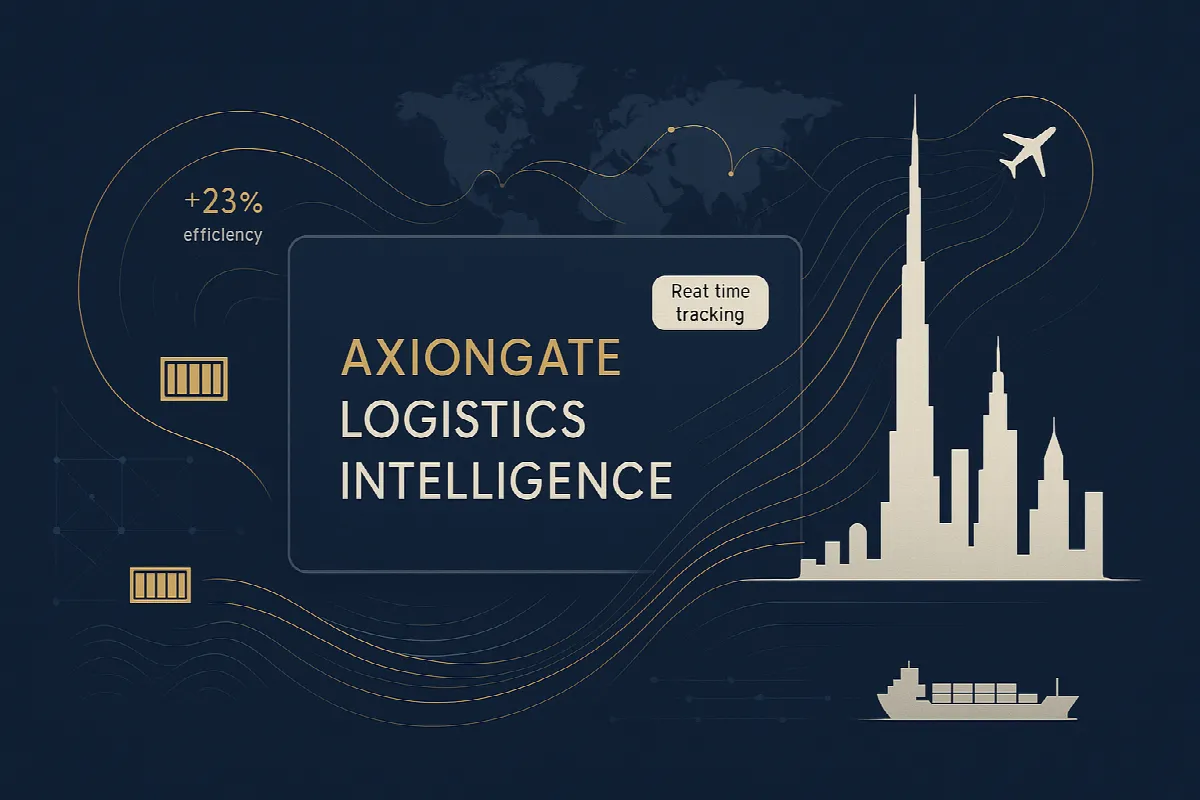
The European logistics landscape and now, UAE’s, is witnessing a remarkable transformation, driven by an algorithm that most industry professionals hadn’t heard of twelve months ago. Axiongate, a company that describes itself as building “quietly” and delivering “precisely,” has emerged from relative obscurity to become one of the most discussed technologies in UAE’s freight and shipping sector.
The company’s approach to logistics intelligence represents a significant departure from traditional shipping solutions. Rather than focusing solely on cost comparison or tracking capabilities, Axiongate has developed what industry observers describe as a comprehensive algorithmic system that analyses and optimises global shipping patterns in real-time.
From European Experiment to UAE Innovation Hub
Axiongate’s journey began in Europe, where their partner company spent years developing its core technology across multiple markets including China, the UK, and the United States. This extensive international experience has now been channeled into creating solutions specifically adapted for the UAE’s position as a global logistics hub.
The company’s European origins provided crucial insights into cross-border logistics challenges. Operating across diverse regulatory environments, currency systems, and shipping protocols gave their development team exposure to the complexities that define modern international commerce. These learnings have proved invaluable in designing systems capable of handling the UAE’s role as a bridge between Eastern and Western markets.
According to recent industry coverage, the company’s algorithmic approach extends beyond simple courier comparison. The system appears to incorporate years of observational data on how packages move across borders, airlines, and delivery networks, creating a predictive intelligence layer that anticipates shipping challenges before they occur.
Advanced Automation Meets UAE Logistics Demands
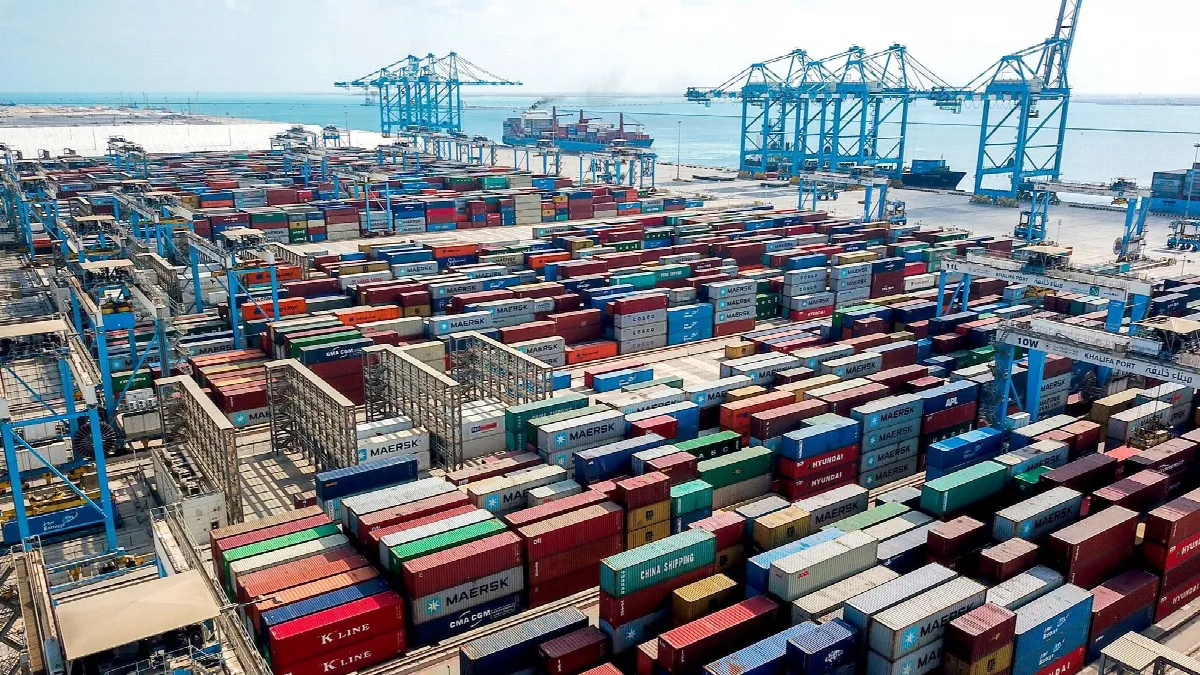
The UAE processes extraordinary volumes of international cargo. Dubai International Airport alone handles over 2.5 million tonnes of cargo annually, whilst the country’s seaports manage millions more. This massive throughput requires sophisticated coordination between multiple logistics providers, customs authorities, and end-destination networks.
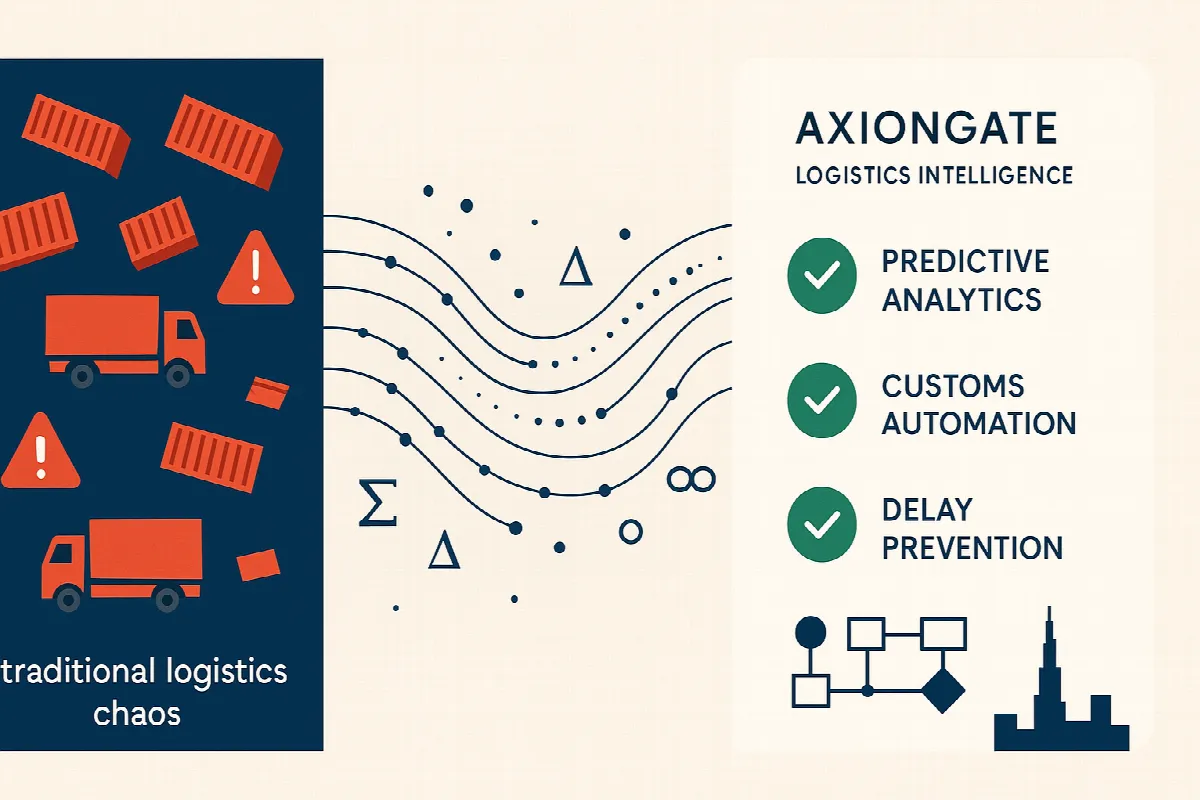
Axiongate’s platform addresses these coordination challenges through what the company terms “intelligent logistics and customs automation.” The system integrates multiple data streams to provide real-time optimisation decisions, potentially reducing delays and improving cost efficiency across the entire supply chain.
For UAE-based businesses, this technological capability offers several competitive advantages. E-commerce companies can reduce shipping uncertainties during peak trading periods. Manufacturers benefit from more predictable delivery timelines for both inbound materials and outbound products. Retailers gain access to more reliable cross-border fulfilment options, particularly important given the UAE’s role serving regional markets.
Industry Response and Market Positioning
The logistics sector’s response to Axiongate has been characterised by cautious interest mixed with genuine curiosity. Senior executives from established logistics providers acknowledge the potential value of algorithmic decision-making whilst maintaining healthy scepticism about implementation challenges.
“Data intelligence in logistics isn’t new,” explains a department head at a major UAE freight company. “However, the scope of what they’re claiming to analyse and predict goes well beyond current industry standards. If even half of their capabilities prove accurate, it could reshape how we approach cross-border shipping.”
This sentiment reflects broader industry recognition that logistics technology is approaching an inflection point. Traditional methods of route planning, carrier selection, and customs processing are increasingly inadequate for the speed and complexity demands of modern commerce.
Axiongate’s positioning as a logistics intelligence provider rather than a direct shipping competitor has also influenced industry reception. By focusing on optimisation rather than displacement, the company has avoided some of the defensive reactions that typically greet new market entrants.
Technical Capabilities and Operational Integration
The technical architecture behind Axiongate’s platform represents years of development across multiple international markets. The system’s ability to process customs requirements, predict shipping delays, and optimise carrier selection requires sophisticated integration with numerous external data sources.
Customs automation capabilities are particularly relevant for UAE businesses. The country’s strategic position requires constant interaction with different regulatory frameworks, documentation requirements, and trade protocols. Automating these processes could significantly reduce administrative overhead whilst improving compliance accuracy.
The platform’s predictive capabilities extend to identifying potential shipping disruptions before they impact delivery schedules. By analysing patterns across global logistics networks, the system can recommend alternative routing or carrier options when primary shipping paths show signs of congestion or delay.
For businesses operating from Dubai’s free zones, these capabilities offer additional value. The complex logistics requirements of free zone operations, including specialized customs procedures and documentation, benefit from automated processing and intelligent decision-making.
Regional Market Impact and Growth Implications
Axiongate’s presence in the UAE market coincides with ambitious government initiatives to enhance the country’s logistics capabilities. The UAE’s National Logistics Strategy aims to position the country among the world’s top ten logistics hubs by 2031. Advanced logistics intelligence platforms align directly with these strategic objectives.
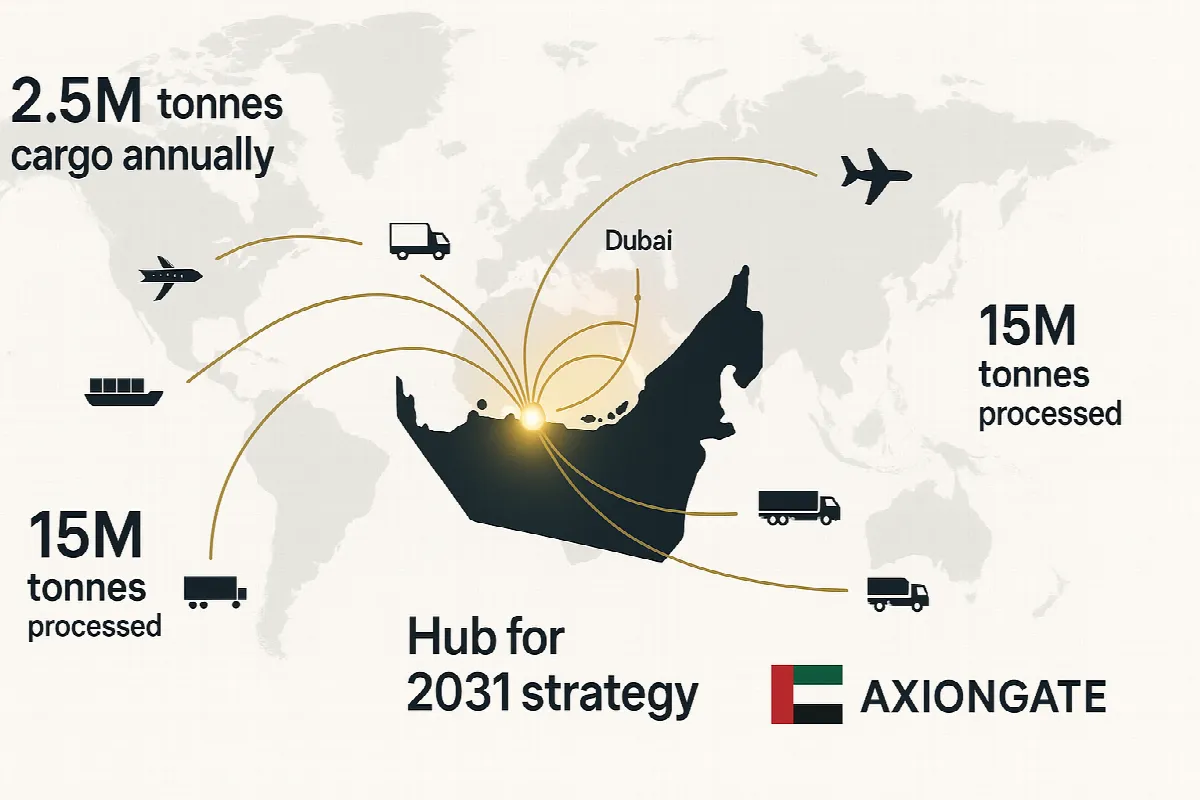
The company’s focus on cross-border logistics particularly supports the UAE’s role as a regional distribution hub. Many international businesses use Dubai as their Middle East headquarters, requiring sophisticated logistics coordination across multiple countries and regulatory environments.
Local logistics providers are monitoring Axiongate’s market development closely. Some view the technology as a potential competitive threat, whilst others see opportunities for strategic collaboration. The company’s approach of enhancing existing logistics infrastructure rather than replacing it may facilitate partnerships with established providers.
Early adopters in the UAE market appear to be primarily e-commerce businesses and manufacturers with complex international supply chains. These sectors face the greatest challenges from shipping delays and customs complications, making them natural beneficiaries of algorithmic optimisation.
Future Developments and Market Evolution
The logistics technology sector continues evolving rapidly, driven by increasing e-commerce volumes and growing complexity in international trade. Axiongate’s algorithmic approach represents one potential direction for industry development, emphasising intelligence and automation over traditional manual processes.
Success in the UAE market will likely depend on the company’s ability to demonstrate measurable improvements in shipping performance and cost efficiency. The logistics sector values proven results over technological promises, requiring Axiongate to substantiate its capabilities through client outcomes.
The company’s international experience provides advantages in scaling operations and adapting to local market requirements. However, the competitive landscape in UAE logistics includes well-established providers with strong client relationships and local market knowledge.
Integration capabilities with existing logistics systems will prove crucial for market adoption. Businesses cannot afford operational disruptions during technology transitions, requiring seamless integration with current processes and suppliers.
Technological Innovation in Regional Context
Axiongate’s emergence reflects broader trends in Middle Eastern technology adoption. The UAE government actively promotes innovation across multiple sectors, including logistics and supply chain management. This supportive environment encourages both local development and international technology companies to establish regional operations.
The company’s focus on customs automation aligns with regional digitalisation initiatives. Government efforts to streamline trade processes and reduce administrative barriers create demand for sophisticated automation solutions.
Dubai’s position as a technology hub also facilitates access to skilled personnel and supporting infrastructure. The city’s established ecosystem of logistics providers, technology companies, and international businesses creates an ideal environment for testing and refining advanced logistics solutions.
Market Validation and Performance Metrics
The ultimate test of Axiongate’s technology will be measurable performance improvements for client businesses. Key metrics include delivery time reductions, cost savings, customs processing efficiency, and overall supply chain reliability.
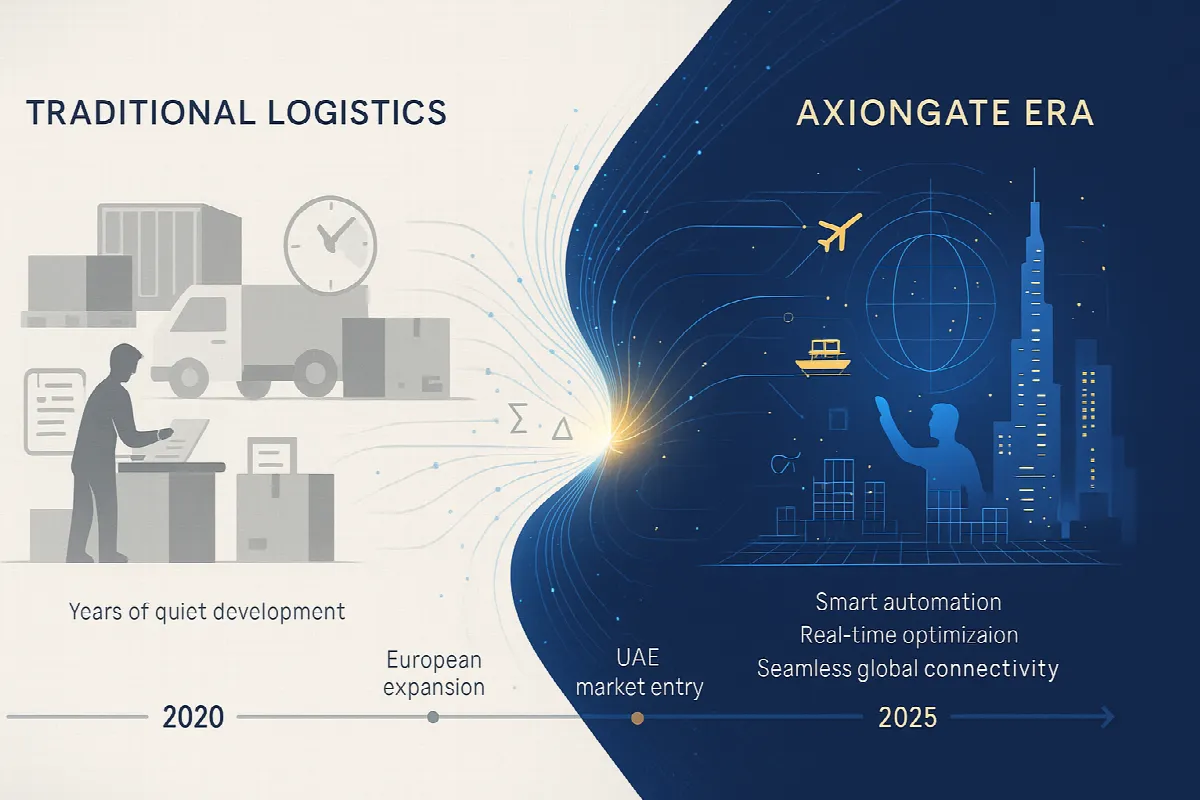
Early indicators suggest positive market reception, though comprehensive performance data remains limited. The company’s deliberate approach to market development prioritises building sustainable client relationships over rapid expansion.
Industry observers expect more detailed performance information to emerge as client implementations mature. Successful case studies from UAE businesses would likely accelerate broader market adoption and validate the company’s technological approach.
The logistics sector’s conservative approach to new technologies means that proven results carry more weight than innovative features. Axiongate’s long-term success will depend on consistently delivering the efficiency gains and cost reductions that drive adoption decisions.
Strategic Implications for UAE Logistics
Axiongate’s presence in the UAE market signals the growing importance of logistics intelligence in maintaining competitive advantage. As international trade becomes increasingly complex, businesses require more sophisticated tools for managing supply chain challenges.
The company’s success could encourage additional technology investment in UAE logistics infrastructure. Government initiatives supporting logistics innovation may receive increased focus if algorithmic solutions demonstrate clear benefits for trade efficiency.
Regional logistics providers face decisions about technology adoption and competitive positioning. Embracing advanced automation may be necessary for maintaining market relevance, whilst traditional approaches risk becoming obsolete.
The broader impact extends beyond individual companies to the UAE’s regional logistics strategy. Enhanced logistics intelligence capabilities could strengthen the country’s position as the preferred hub for international businesses operating across Middle Eastern and African markets.
Key Takeaway: Axiongate’s algorithmic approach to logistics intelligence represents a significant technological advancement for UAE’s cross-border shipping sector, offering automation capabilities and predictive analytics that could enhance the country’s position as a global logistics hub whilst providing measurable benefits for businesses managing complex international supply chains.
Further Reading:
The UAE week, every Monday
The week's stories on jobs, visas, money and daily life in one short email. Unsubscribe in one click.