UAE-Pakistan Visa Waiver for Diplomatic Passports Now Active
UAE and Pakistan activate mutual visa waiver for diplomatic passport holders from July 25, 2025. Learn eligibility and impact.
By Vadim Kouznetsov, published
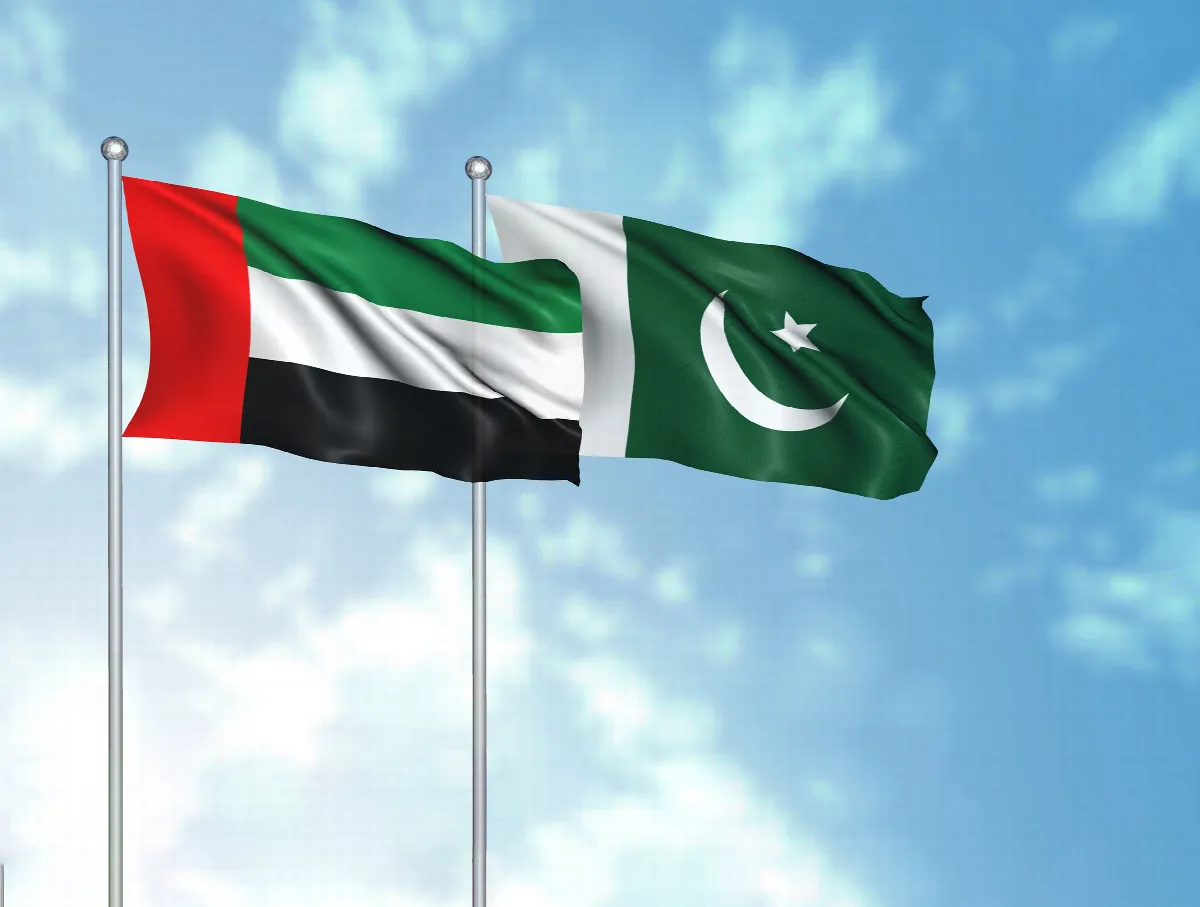
The UAE and Pakistan have activated a mutual visa waiver for diplomatic and official passport holders, effective 25th July 2025. This arrangement allows qualifying Pakistani nationals to enter the UAE without a visa, whilst UAE nationals receive reciprocal treatment at Pakistani airports.
This historic agreement emerged from the 12th Pakistan-UAE Joint Ministerial Commission meeting held in Abu Dhabi, where both nations signed a memorandum of understanding on 24th June 2025. The 30-day implementation period concluded with the waiver becoming operational across all UAE airports.
Who benefits from the UAE-Pakistan visa exemption?
The visa waiver exclusively applies to Pakistani nationals holding diplomatic or official passports. Regular passport holders cannot use this exemption and must continue following standard visa procedures for UAE entry.
Pakistani Deputy Prime Minister Ishaq Dar confirmed the activation during his meeting with UAE Deputy Prime Minister Sheikh Abdullah bin Zayed Al Nahyan. The arrangement represents a significant diplomatic milestone between the two nations, strengthening their already robust bilateral relationship.
How does this visa waiver affect Pakistan-UAE relations?
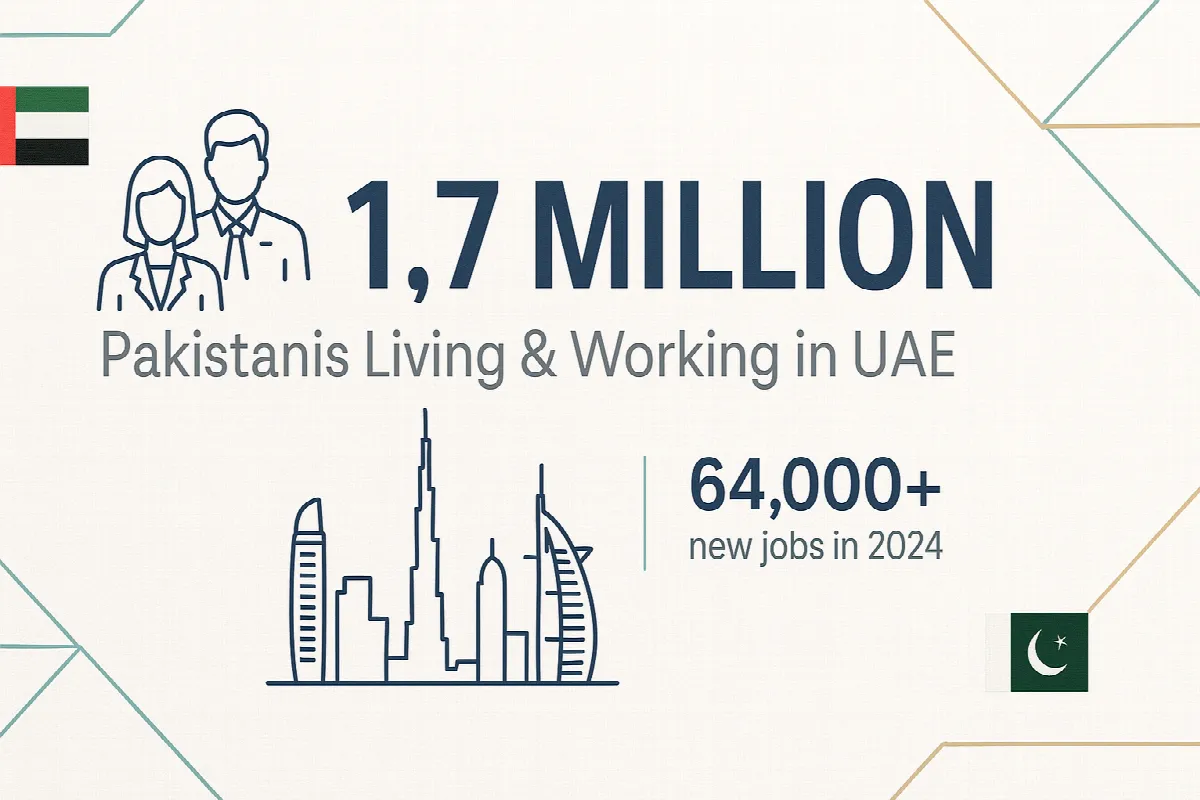
This agreement reinforces the strong ties between both countries, particularly given that over 1.7 million Pakistanis currently live and work in the UAE. The Emirates hosts one of the world’s largest Pakistani expatriate communities, with more than 64,000 Pakistanis securing employment there in 2024 alone.
The visa exemption forms part of three crucial memorandums signed during the JMC session, alongside cooperation agreements in artificial intelligence, digital economy, and joint investment promotion. These initiatives demonstrate both nations’ commitment to expanding their strategic partnership beyond traditional diplomatic channels.
What other agreements were signed alongside the visa waiver?
The 12th JMC session produced comprehensive cooperation frameworks spanning multiple sectors. Both countries agreed to strengthen collaboration in trade, banking, investment, aviation, railways, energy, food security, climate change, defence, healthcare, manpower, higher education, and information technology.
The meetings, co-chaired by Ishaq Dar and Sheikh Abdullah bin Zayed Al Nahyan, established concrete measures for enhanced institutional mechanisms and inter-ministerial coordination. These developments signal deeper economic integration between Pakistan and the UAE moving forward.
When will the visa waiver take effect at UAE airports?
The visa waiver became operational on 25th July 2025 at all UAE airports for Pakistani diplomatic and official passport holders. Similarly, UAE nationals with qualifying passports can now enter Pakistan without visa requirements at all Pakistani airports.
This reciprocal arrangement follows the standard 30-day implementation period outlined in the original memorandum signed in June 2025. The timing reflects both governments’ commitment to swift implementation of bilateral agreements.
FAQ: UAE-Pakistan Visa Waiver Agreement
Q: Can regular Pakistani passport holders benefit from this visa waiver? A: No, this exemption only applies to diplomatic and official passport holders.
Q: Which UAE airports accept the visa waiver? A: All UAE airports accept the visa waiver for qualifying Pakistani passport holders.
Q: When did the visa waiver become effective? A: The waiver became operational on 25th July 2025.
Q: Do UAE nationals receive similar benefits in Pakistan? A: Yes, UAE nationals with diplomatic or official passports can enter Pakistan without visas.
Q: How many Pakistanis currently work in the UAE? A: Over 1.7 million Pakistanis live and work in the UAE.
Q: What other agreements were signed during the JMC session? A: Cooperation agreements in AI, digital economy, and joint investment promotion were also signed.
Key Takeaway
The UAE-Pakistan visa waiver for diplomatic and official passport holders represents a significant diplomatic achievement, facilitating easier travel for government officials whilst strengthening bilateral relations between two nations with deep economic and cultural ties.
Further Reading:
The UAE week, every Monday
The week's stories on jobs, visas, money and daily life in one short email. Unsubscribe in one click.