UAE Sugar Tax 2026: New Excise Rules Based on Sugar Content
UAE introduces sugar-content-based excise tax from 2026. Learn how the new system benefits consumers with lower prices and encourages healthier drinks.
By Vadim Kouznetsov, published

The United Arab Emirates is transforming its approach to taxing sugary drinks, moving from a blanket tax system to a more precise sugar-content-based model. Starting early 2026, excise tax on sugar-sweetened beverages (SSBs) will be calculated based on actual sugar content rather than product category.
Current UAE Excise Tax System
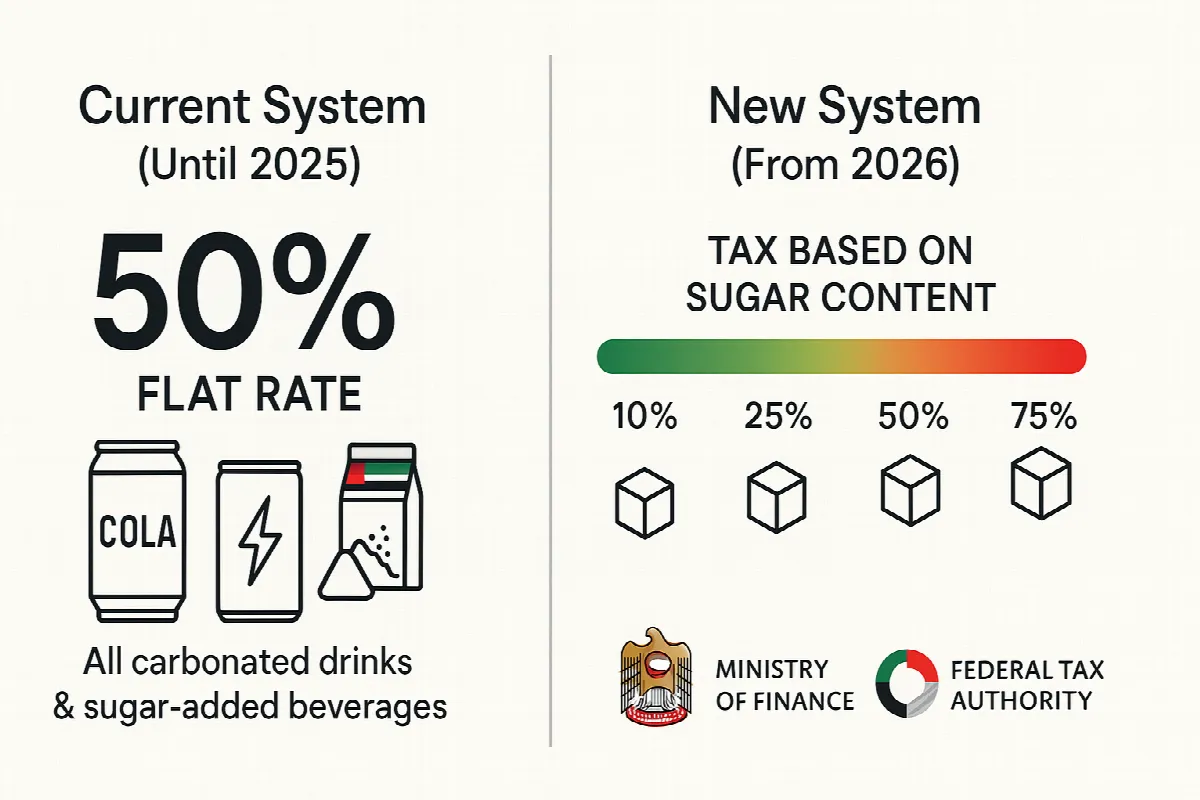
Under the existing framework, all carbonated drinks and powdered drink mixes with added sugar face a flat 50% excise tax rate. Energy drinks attract an even higher 100% rate alongside tobacco products. This fixed percentage system applies regardless of actual sugar content.
The current tax structure, expanded in 2019, calculates taxes based on retail sales prices – the amount consumers pay at purchase. This approach treats all products within the same category equally, regardless of their health impact.
The Sugar-Content Revolution
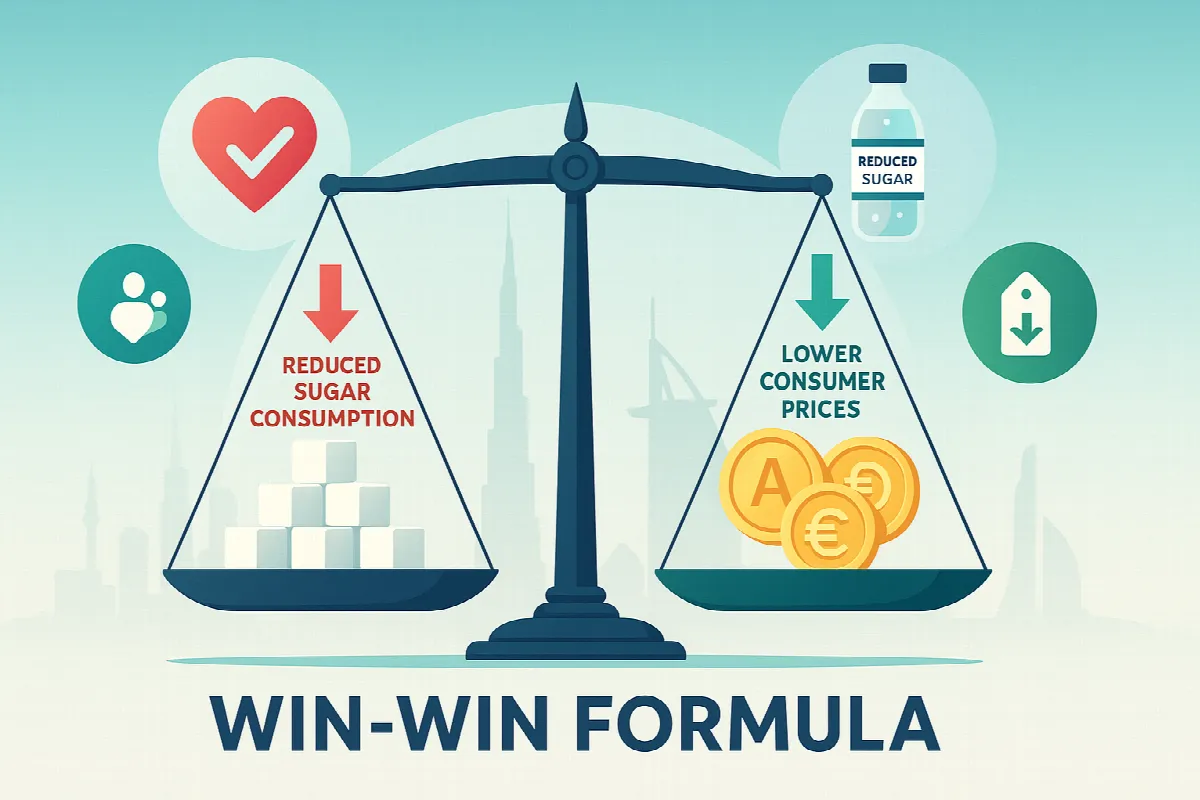
Thomas Vanhee, founding partner at Aurifer Middle East Tax Consultancy and affiliate professor of tax law, describes the forthcoming change as “a win-win formula for consumers.” The new system will replace retail-price-based calculations with sugar-content measurements.
“This could provide an incentive for companies to reduce sugar content so they can improve their margins, reduce taxes, and therefore be more beneficial for consumers with retail prices being lowered,” Vanhee explained.
The Ministry of Finance and Federal Tax Authority have yet to announce specific tax percentages for different sugar levels. However, the policy shift signals a move towards more health-conscious taxation.
Who Benefits from Sugar-Based Taxation?
Manufacturers and Importers
The primary beneficiaries of the new tax structure will be importers and manufacturers. Companies that reduce sugar content in their products can expect:
- Lower tax burdens
- Improved profit margins
- Competitive pricing advantages
- Reduced regulatory compliance costs
Consumers and Businesses
The benefits should cascade to end consumers through lower retail prices. Local restaurants, cafeterias, and food service businesses will also benefit when purchasing from distributors and manufacturers.
“Even the local restaurants or cafeterias will benefit as they will be buying from the distributors or manufacturers,” Vanhee noted.
Health Policy Acceleration
The UAE’s excise tax originally aimed to reduce consumption of health-harmful products including energy drinks, tobacco, and later, sugary beverages. The sugar-content-based approach represents an acceleration of these health objectives.
“The excise tax was initially meant to reduce consumption of products which are considered harmful for health,” Vanhee observed. “I believe the UAE now wants to accelerate the effects of this tax by a change in policy, hoping to further decrease consumption of sugar in drinks.”
This refined approach aligns with global health initiatives whilst maintaining the UAE’s competitive business environment for responsible manufacturers.
Implementation Timeline and Expectations
The new sugar-based excise tax system will commence in early 2026, giving manufacturers approximately 12 months to adjust their product formulations and tax compliance systems.
Industry experts expect this transition period will witness:
- Product reformulation by major beverage manufacturers
- Investment in lower-sugar alternatives
- Price adjustments across retail channels
- Enhanced consumer awareness of sugar content
Market Impact Predictions
The policy change could significantly reshape the UAE’s beverage market. Companies may invest heavily in research and development to create appealing low-sugar alternatives. This innovation could position UAE-based manufacturers as leaders in healthier beverage production.
Consumer behaviour may also shift as price differentials between high-sugar and low-sugar options become more pronounced. Health-conscious consumers will benefit from both lower prices on healthier options and clearer price signals about sugar content.
Broader Tax Policy Context
This sugar tax reform occurs alongside other significant tax developments in the UAE. The country recently introduced corporate tax obligations and continues refining its tax compliance frameworks.
The sugar-content-based taxation demonstrates the UAE’s commitment to evidence-based policy making that balances health objectives with business competitiveness.
Key Takeaway
The UAE’s shift to sugar-content-based excise taxation represents a progressive approach to public health policy. By creating financial incentives for manufacturers to reduce sugar content, the system benefits consumers through lower prices on healthier options whilst encouraging industry innovation. This policy change demonstrates how tax systems can effectively drive positive health outcomes without compromising business growth.
Further Reading
The UAE week, every Monday
The week's stories on jobs, visas, money and daily life in one short email. Unsubscribe in one click.