UAE Corporate Tax Refunds: AED 10,000 Penalty Relief Programme Guide
UAE businesses receive automatic AED 10,000 corporate tax penalty refunds. Learn qualification requirements, deadlines, and EmaraTax portal process.
By Vadim Kouznetsov, published

UAE businesses that missed corporate tax registration deadlines and paid the AED 10,000 penalty are now receiving refunds directly into their tax accounts. This welcome relief comes following the Federal Tax Authority’s May 2025 announcement offering automatic penalty waivers for companies meeting specific filing requirements.
Automatic Penalty Relief Programme Details
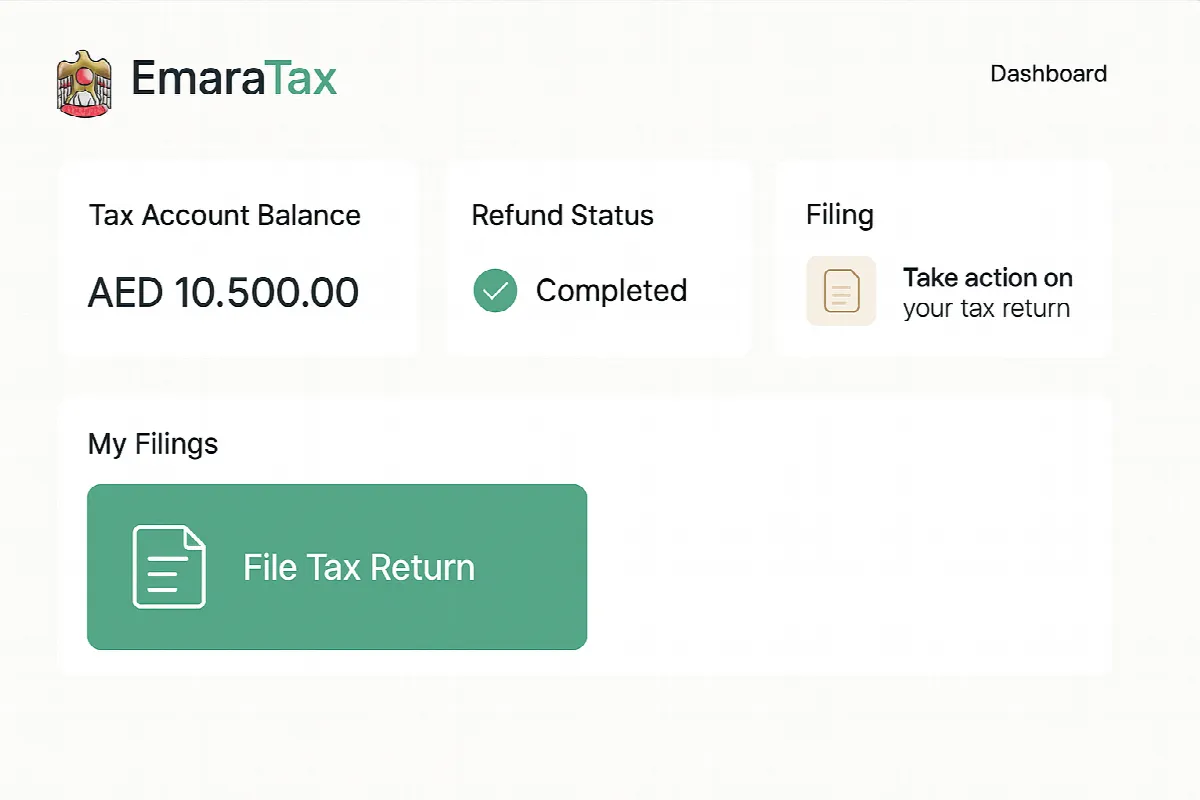
The Federal Tax Authority has implemented a comprehensive relief system that benefits businesses in two key scenarios. Companies that previously paid the AED 10,000 late registration penalty will receive automatic refunds to their EmaraTax portal accounts. Meanwhile, businesses with outstanding penalties that remain unpaid will see these amounts automatically waived from the system.
This initiative particularly benefits small and medium enterprises (SMEs) across the UAE, where operational costs significantly impact daily business activities. For many business owners, the AED 10,000 penalty represented a substantial unexpected expense during their initial corporate tax compliance journey.
Qualification Requirements for Penalty Relief
The relief programme operates under specific conditions that businesses must meet to qualify for refunds or waivers. Companies must submit their corporate tax returns within seven months from the end of their first tax period to benefit from this programme.
Key Timeline Examples:
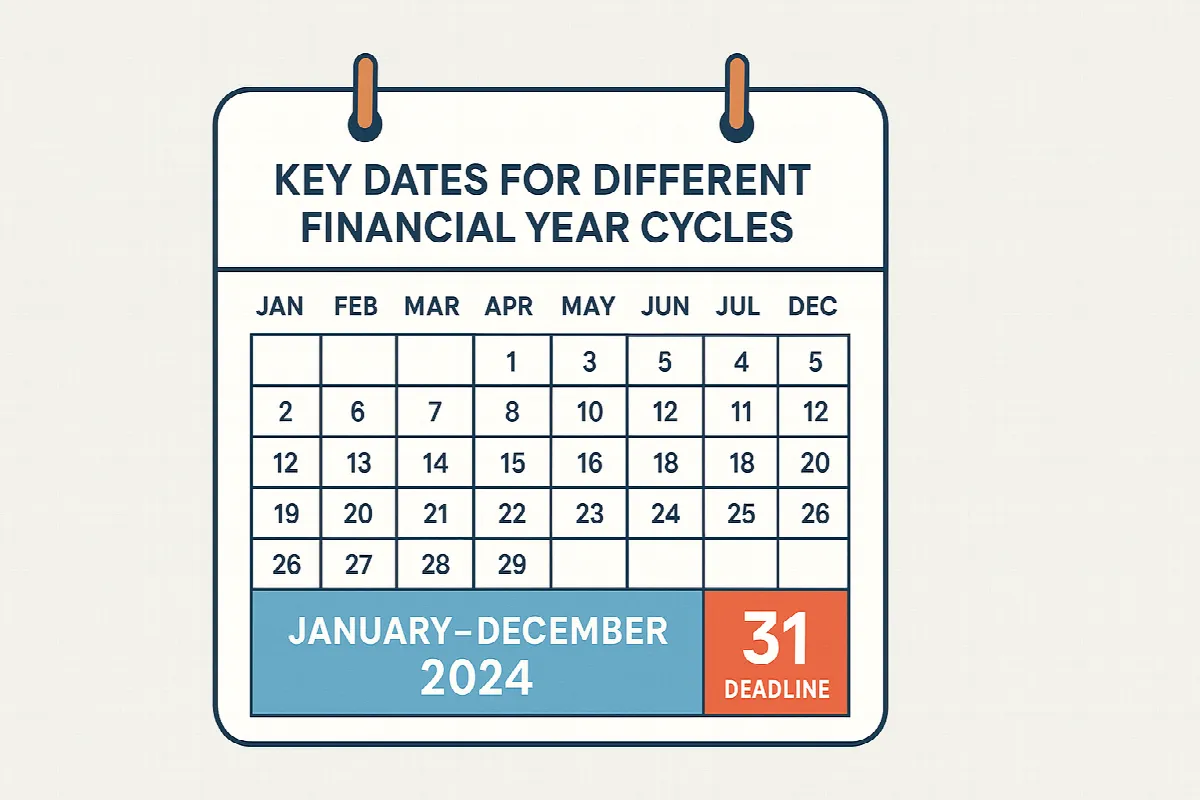
For businesses with a financial year running from 1 January to 31 December 2024, the submission deadline falls on 31 July 2025. Companies operating different financial year cycles face proportionally adjusted deadlines based on their specific tax periods.
Businesses with earlier tax periods also qualify for relief, including those with financial years running from July 2023 to June 2024, provided they submitted returns within the seven-month compliance window.
Impact on UAE Business Community
The penalty relief programme addresses widespread concerns among UAE businesses regarding corporate tax compliance complexity. Many companies struggled with registration processes during the initial implementation phase, leading to inadvertent deadline violations despite good-faith compliance efforts.
According to Sumayya Zain, founder-CEO at Dubai-based Hallmark International Auditors, “Where the penalty has already been paid, the amount will be refunded to that business’s tax account.” This confirmation provides clarity for businesses awaiting resolution of their penalty situations.
The programme’s timing proves particularly beneficial for SMEs managing tight operational budgets. Business owners report that every dirham saved through penalty relief directly supports operational activities and growth initiatives.
EmaraTax Portal Integration
All refunds process through the EmaraTax portal, the Federal Tax Authority’s centralised platform for corporate tax management. Businesses must maintain active tax accounts through this system to receive penalty refunds and manage ongoing compliance requirements.
The portal serves as the primary interface for tax registration, return submissions, penalty management, and refund processing. Companies new to the corporate tax system must establish EmaraTax accounts to participate in the relief programme and future tax activities.
Strategic Business Planning Considerations
This penalty relief initiative reflects the Federal Tax Authority’s recognition of implementation challenges during the corporate tax introduction period. The programme demonstrates governmental flexibility in supporting business adaptation to new regulatory requirements whilst maintaining overall compliance standards.
Business owners should view this relief as an opportunity to establish robust tax compliance procedures for future periods. The temporary relief programme may not extend indefinitely, making current compliance efforts crucial for avoiding future penalties.
Compliance Timeline Management
Understanding specific filing deadlines becomes critical for maintaining good standing with tax authorities. Companies with standard calendar year financial periods face different deadlines compared to businesses operating alternative financial year cycles.
Standard Calendar Year (January-December 2024):
- Return submission deadline: 31 July 2025
- Relief qualification: Seven months from tax period end
Alternative Financial Years:
- Businesses with different year-end dates face proportionally adjusted deadlines
- Nine-month windows apply to certain financial year configurations
- Individual deadline calculations depend on specific tax period dates
Administrative Process Efficiency
The automated nature of penalty waivers and refunds streamlines administrative burden for both businesses and tax authorities. Companies need not submit separate applications or documentation to receive relief, provided they meet filing deadline requirements.
This efficiency reduces compliance costs and administrative complexity whilst encouraging voluntary tax return submission. The streamlined process supports broader corporate tax adoption across the UAE business community.
Financial Planning Benefits
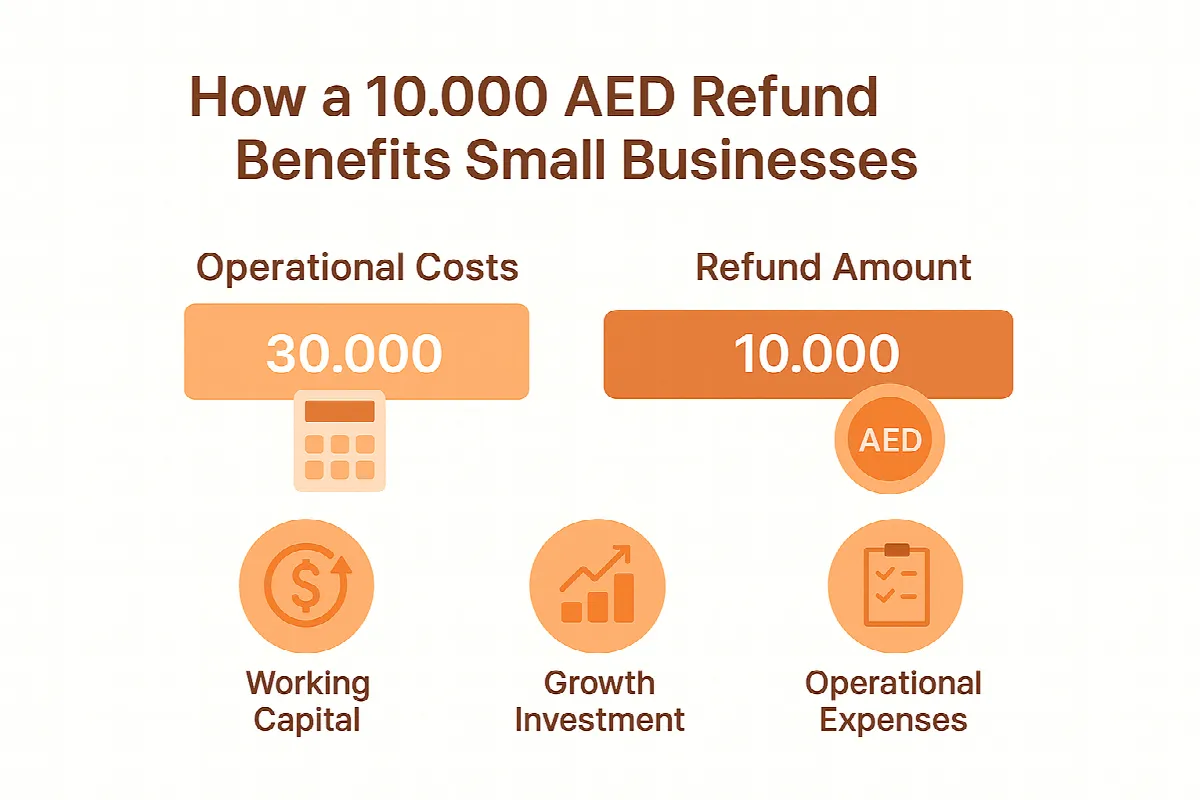
For businesses that paid penalties, refunds provide immediate cash flow improvements during ongoing economic planning periods. These returned funds can support working capital requirements, operational expenses, or strategic growth initiatives.
SMEs particularly benefit from penalty relief, as AED 10,000 represents significant operational funding for smaller enterprises. The relief programme effectively reduces the initial corporate tax implementation cost for businesses across various sectors.
Future Compliance Strategies
Businesses should leverage this relief period to establish comprehensive tax compliance systems preventing future deadline violations. Investment in professional tax advisory services, automated filing systems, and compliance calendars supports long-term regulatory adherence.
The current relief programme offers valuable breathing room for businesses to adapt their financial and administrative processes to corporate tax requirements. Companies should use this opportunity to build sustainable compliance frameworks for future tax periods.
Professional Advisory Recommendations
Tax professionals recommend that businesses actively monitor their EmaraTax accounts for refund processing and maintain current contact information for communications. Regular account reviews help identify any processing delays or additional requirements.
Professional advisory services become increasingly valuable as businesses navigate evolving corporate tax regulations and compliance requirements. Early investment in professional guidance often prevents costly mistakes and ensures optimal tax planning strategies.
Key Takeaway
The UAE Federal Tax Authority is automatically refunding AED 10,000 corporate tax registration penalties to businesses that submit their tax returns within seven months of their first tax period ending. Companies with January-December 2024 financial years must file by 31 July 2025 to qualify, with refunds processing through EmaraTax portal accounts. This relief programme particularly benefits SMEs while encouraging compliance with ongoing corporate tax requirements.
Further Reading
The UAE week, every Monday
The week's stories on jobs, visas, money and daily life in one short email. Unsubscribe in one click.