Dubai Education Reforms 2025: Student Visa Changes & University Growth Plan
Dubai unveils ambitious education reforms including new student visa system, international university expansion, and career guidance to become top 10 global student city by 2033.
By Vadim Kouznetsov, published
Key Takeaway
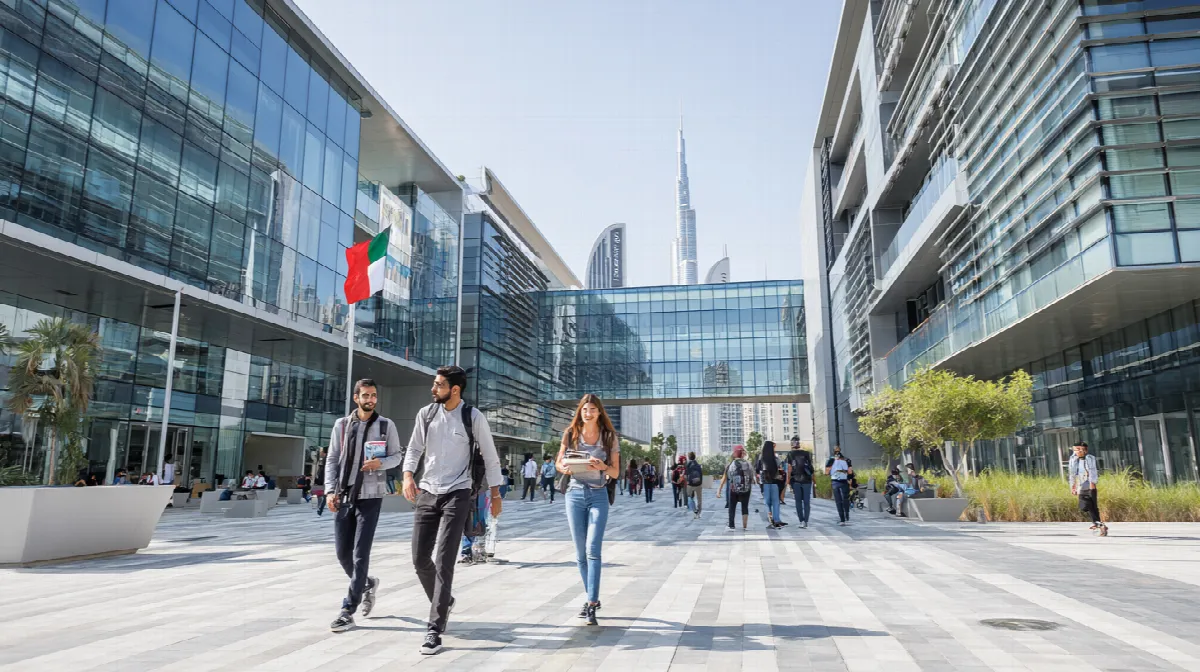
Dubai’s Executive Council has approved comprehensive education reforms including a new student visa system and plans to double international universities from 37 to over 70 by 2033, positioning the emirate as a global top 10 student destination.
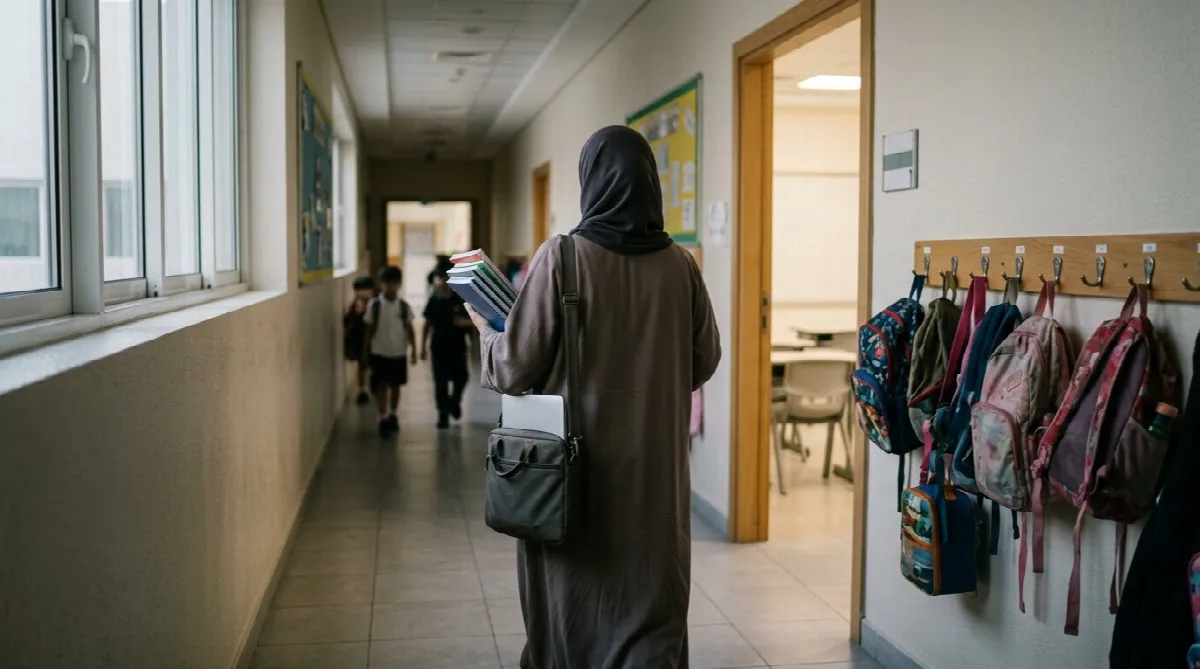
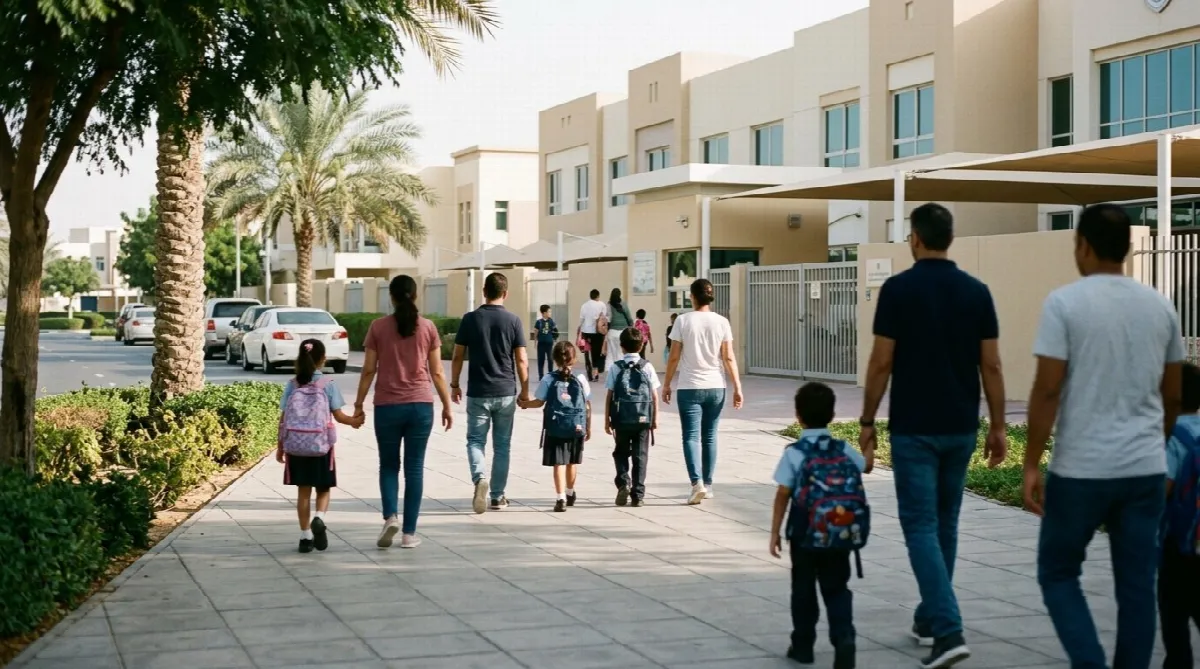
Dubai has launched an ambitious transformation of its education sector, unveiling sweeping reforms designed to establish the emirate as one of the world’s top 10 student cities by 2033. The comprehensive package addresses everything from visa policies to career guidance, marking a significant shift in how Dubai approaches international education.
Crown Prince Announces Vision for Global Education Hub
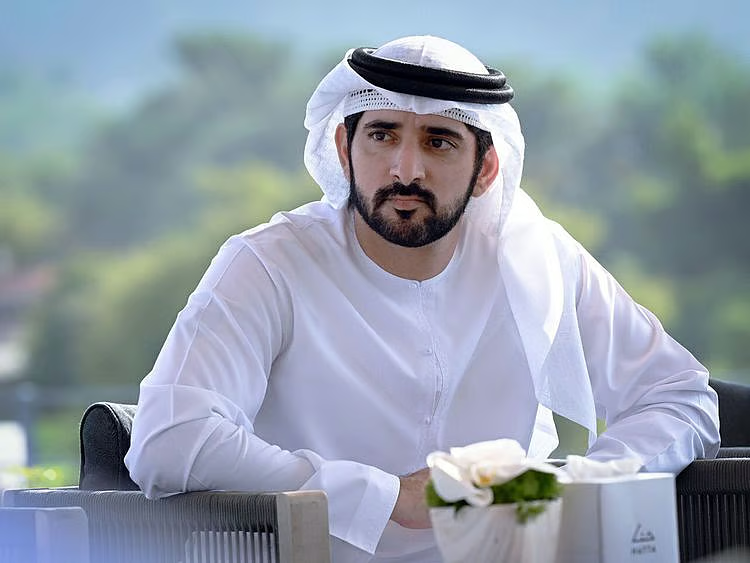
Sheikh Hamdan bin Mohammed bin Rashid Al Maktoum, Crown Prince of Dubai, emphasised the strategic importance of these reforms during the Executive Council meeting at Emirates Towers. “Youth are the architects of the future, shaping it with their awareness, optimism, and openness to the world,” he stated.
The Crown Prince outlined Dubai’s commitment to providing world-class academic, practical, and research opportunities, with the ultimate goal of making Dubai “a destination for outstanding students from around the world and an incubator for innovation.”
Revolutionary Student Visa System Takes Centre Stage
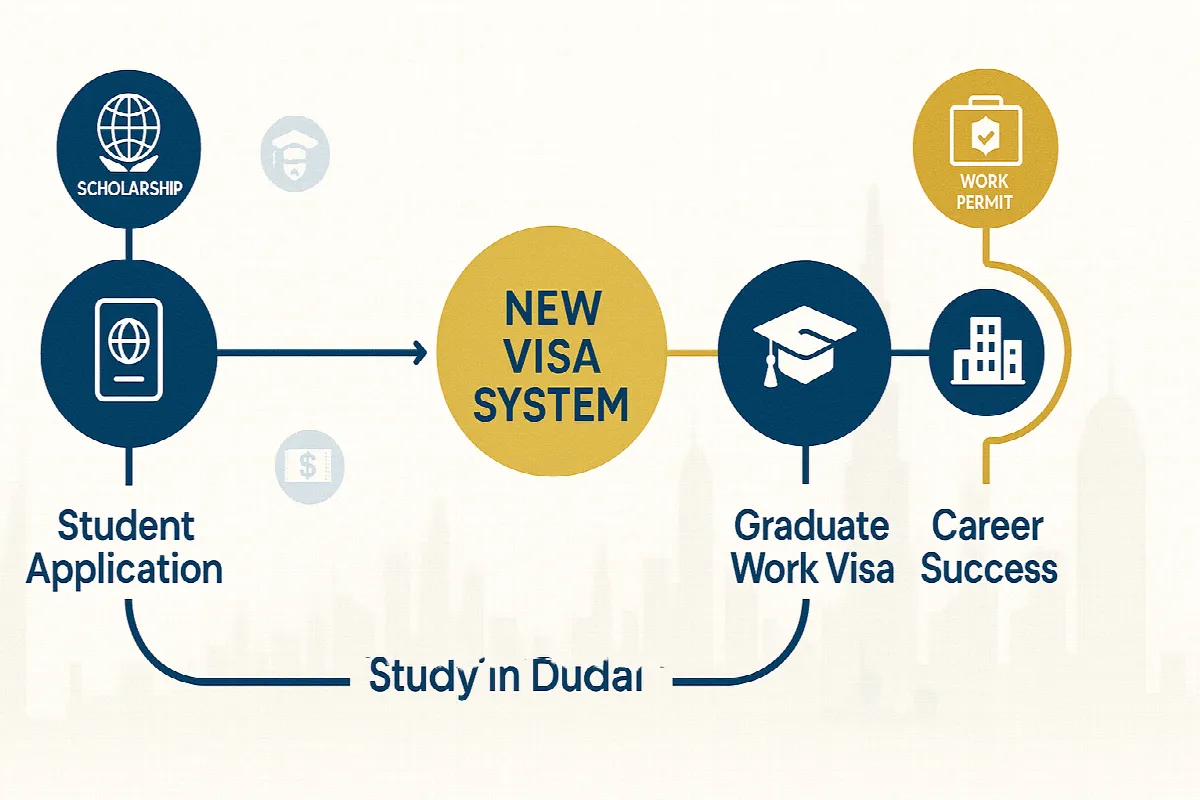
The centrepiece of these reforms involves a complete overhaul of Dubai’s student visa framework. The new system will streamline application processes and create clearer pathways for international students seeking education in the emirate.
Beyond student visas, the package includes provisions for work visas specifically designed for graduates, addressing a critical gap in the previous system that often saw talented individuals leave Dubai after completing their studies.
International scholarship programmes will complement these visa reforms, making Dubai education more accessible to exceptional students worldwide regardless of their financial circumstances.
University Expansion: From 37 to Over 70 Institutions
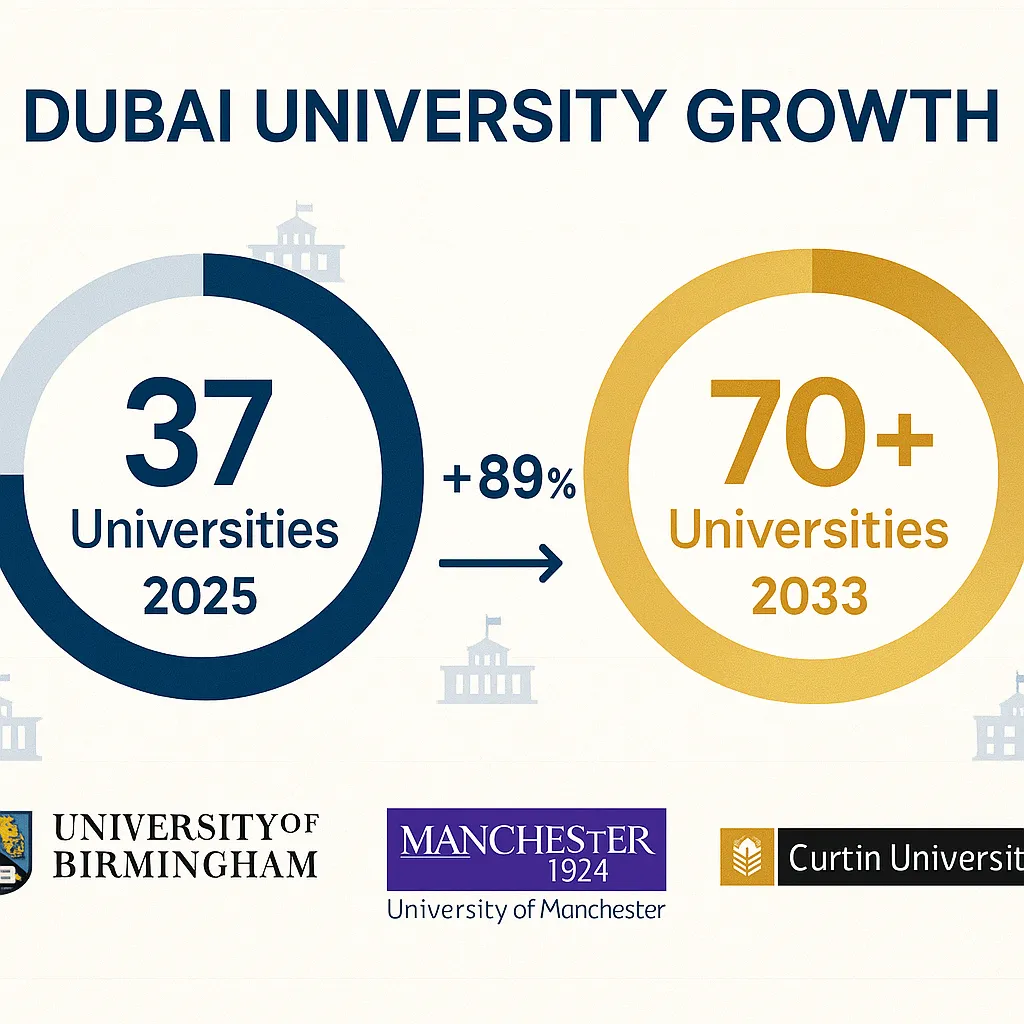
Dubai currently hosts 37 international universities, including prestigious institutions such as Curtin University, University of Wollongong, University of Birmingham, and University of Manchester. The new strategy ambitiously targets increasing this number to over 70 universities by 2033.
This expansion represents more than simple numerical growth. Dubai aims to establish 11 universities within the global top 200 rankings, fundamentally elevating the quality and international recognition of education offered in the emirate.
The projected outcome includes international students comprising 50% of all university enrolments by 2033, transforming Dubai into a truly global education destination.
Financial Infrastructure and Research Investment
Supporting this educational transformation, Dubai will establish a Higher Education Investment Fund specifically designed to support university clusters and foster research excellence. This fund will work alongside a new Scientific Research Network, creating an ecosystem where academic institutions can collaborate effectively.
The economic projections are substantial, with higher education expected to contribute AED 5.6 billion to Dubai’s GDP. This figure reflects the broader economic impact of positioning Dubai as a regional education hub.
Academic and Career Guidance Policy
The Executive Council also approved the Academic and Career Guidance Policy, led by the Knowledge and Human Development Authority. This policy establishes clear connections between education and employment opportunities.
Key components include:
Employment Success Targets: 90% employment rate within six months for Emirati graduates, creating accountability for education providers and clear outcomes for students.
Career Choice Achievement: 70% of graduates will gain entry into one of their top three university or career choices, indicating improved guidance and preparation.
Service Provider Standards: 80% of education providers will offer effective career advice services, establishing minimum standards across the sector.
Comprehensive Support Programmes
The reforms extend beyond structural changes to include practical support mechanisms. Entrepreneurship programmes will encourage innovation and business creation among students and graduates.
Life skills camps will provide practical training complementing academic education, whilst digital platforms will offer real-time insights into job market trends and opportunities.
These initiatives address the frequent disconnect between academic preparation and workplace requirements, creating more employment-ready graduates.
Strategic Alignment with Economic Agenda D33
These education reforms align directly with Dubai’s Economic Agenda D33 and Education Strategy 2033, demonstrating integrated planning across government sectors. This coordination suggests sustained commitment and resource allocation for successful implementation.
The timing reflects Dubai’s broader ambitions to diversify its economy and establish leadership in knowledge-based industries, with education serving as both a sector in itself and a foundation for other strategic priorities.
Implementation Timeline and Milestones
The 2033 timeline provides nearly a decade for systematic implementation, allowing for gradual scaling and adjustment based on early results. This extended timeframe suggests recognition of the complexity involved in transforming an education system whilst maintaining quality standards.
Early indicators will likely include the rate of new university establishment, international student application numbers, and employment outcomes for recent graduates.
Global Competition and Positioning
Dubai’s education reforms occur within a competitive international landscape where cities like Singapore, Melbourne, and London compete for international students. The emirate’s approach combines regulatory flexibility with strategic investment, potentially creating advantages over more established education destinations.
The focus on employment outcomes and career guidance addresses a key concern for international students: return on educational investment through career advancement opportunities.
Impact on UAE’s Broader Education Landscape
These reforms position Dubai as a leader within the UAE’s federal education system, potentially influencing approaches in other emirates. The success of Dubai’s initiatives could serve as a model for broader national education policy development.
The emphasis on international collaboration and research networks may strengthen the UAE’s overall position in global education rankings and research output.
Dubai’s comprehensive approach to education reform demonstrates serious commitment to becoming a global education destination. By addressing visa policies, university expansion, career guidance, and financial support simultaneously, the emirate creates a compelling proposition for international students and education providers.
The success of these initiatives will ultimately depend on execution quality and the ability to maintain educational standards whilst rapidly expanding capacity. However, the integrated approach and substantial resource commitment suggest Dubai is positioned to achieve its ambitious 2033 targets.
Further Reading
- Dubai Future Careers: 11 High-Demand Jobs to Prepare For Today
- Work in the United Arab Emirates (UAE): Complete Guide to Finding Jobs in 2025
- Top In-Demand Jobs in Dubai for 2024-2025: Emerging Careers Guide
- UAE Job Market 2025: Blue-Collar Surge, White-Collar Shifts
For the latest UAE education and career opportunities, visit JobXDubai – connecting global talent with Emirates opportunities.
The UAE week, every Monday
The week's stories on jobs, visas, money and daily life in one short email. Unsubscribe in one click.