Dubai Short Stay Rentals Value Money 2025 Market Rate Analysis
Dubai short-stay rental rates drop as new supply floods market. Current rates $100-$350 vs peak $250-$750. Investment advice for landlords.
By Vadim Kouznetsov, published
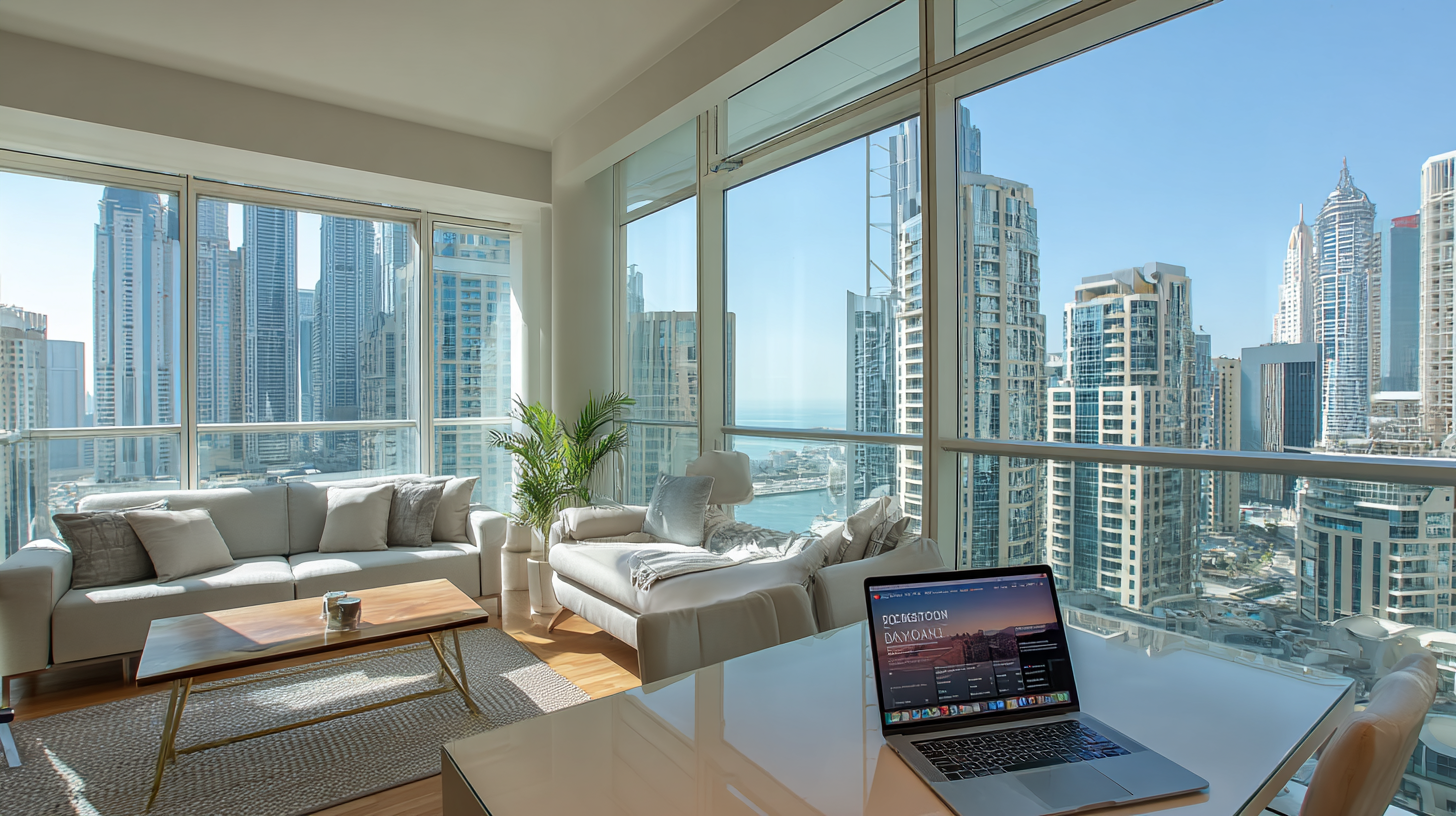
The golden era of Dubai’s short-stay rental market may be cooling as a wave of new properties enters the sector, creating downward pressure on daily rates and leaving landlords questioning their returns.
Market Flooding with New Short-Term Rental Properties
Since early 2025, Dubai’s short-stay rental market has experienced an influx of new properties that is fundamentally changing the pricing landscape. The additional supply comes primarily from individual owners and smaller operators, many entering the market without hospitality experience.
Vinayak Mahtani, CEO of bnbme holiday home consultancy, explains the challenge: “Most of the supply increase is driven by individual owners and smaller operators—sometimes with just a handful of properties—along with a wave of new micro-management companies.”
The abundance of inexperienced operators has created erratic pricing patterns, with newcomers quick to slash rates rather than maintain market stability.
Current Rate Reality Across Dubai Locations
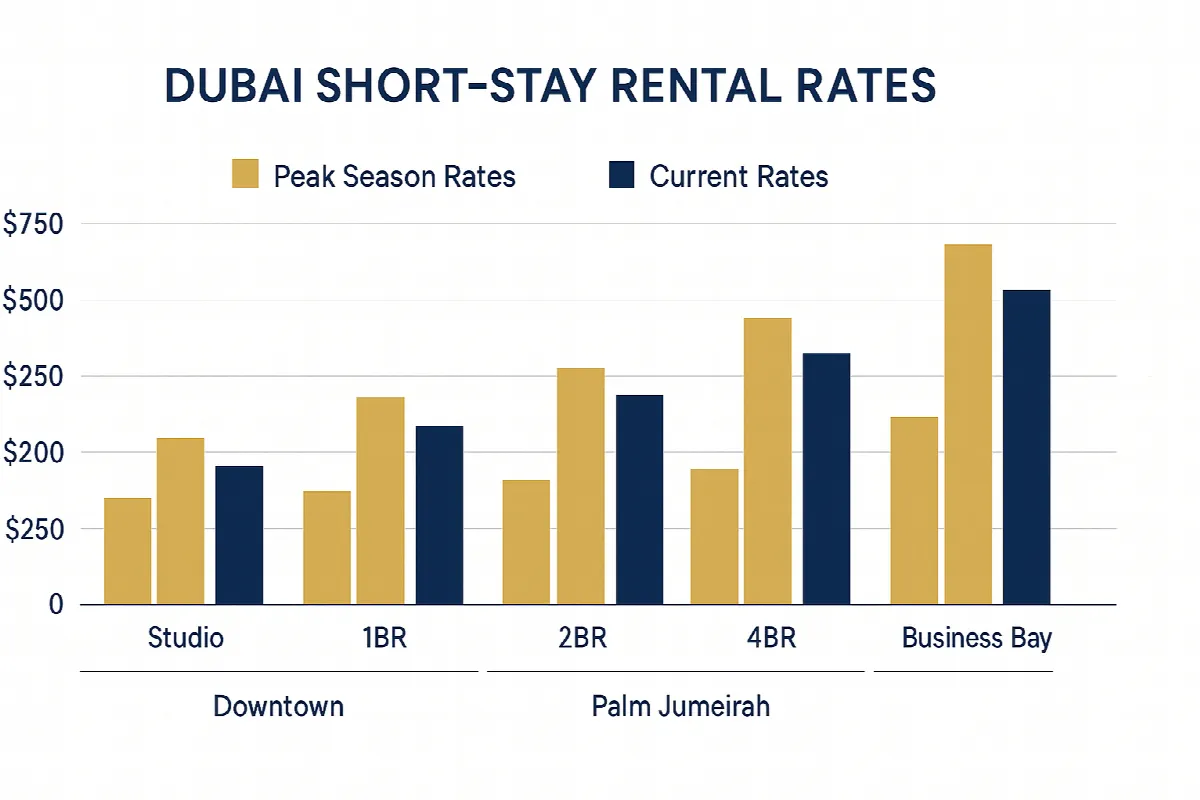
Dubai’s prime short-stay locations are experiencing consistent price drops across all key areas. Average daily rates in prestigious locations including Downtown, Dubai Marina, Palm Jumeirah, and Business Bay currently range from $100 to $350 for studios through four-bedroom apartments.
These figures represent a significant decline from peak season pricing. During the December to March high season, the same properties commanded $250 to $750 nightly, with Palm Jumeirah and Marina properties at the premium end.
“Price drops have been fairly consistent across all key locations – no area has really bucked the trend,” confirms Mahtani.
Summer Season Amplifies Pricing Pressures
The approaching summer months traditionally bring a 30-40% reduction in short-stay rates compared to peak seasons. Combined with the current oversupply situation, this creates a challenging environment for property owners seeking consistent returns.
Anna Skigin, founder of Frank Porter short-stay specialist, notes additional market pressures: “We are seeing a bit of drop in demand because of what’s happening in the region. It will level off once the regional situation improves.”
However, she maintains optimism about underlying market health: “New rental supply has been happening for a while – it’s not as if the market’s taking a hit only now. May was still good.”
Landlord Strategies and Return Expectations
The current market conditions are testing landlord resolve, particularly among newcomers attracted by the sector’s recent double-digit growth over the past three years. Some newly delivered apartment buildings now see 10-15% of units entering short-term leasing, compared to just 5-10 individual apartments previously.
Matthew Montgomery, Sales Director at consultancy Espace, highlights the continued appeal: “Well-managed units can outperform long-term leases, particularly when the product is competitive. In some cases, landlords are earning up to 15% return on investment through short-term lets.”
The highest returns typically come from studios, one-bedroom, and two-bedroom apartments in areas with consistently high rental demand.
Long-Term vs Short-Term Investment Comparison
While short-stay rentals face current challenges, Dubai’s traditional rental market continues providing solid returns to landlords. Long-term leases offer perceived security with some landlords preferring single annual payments covering full tenancy agreements.
However, long-term rentals carry limitations including 12-month notice requirements for personal use or sale. This restriction drives many current property investors toward short-stay options for greater flexibility and faster entry-exit capabilities.
The appeal of surge pricing during peak seasons remains a powerful draw, despite current market softness.
Regional Factors Affecting Occupancy
Current geopolitical tensions in the region are contributing to reduced demand patterns. The uncertainty affects booking confidence, particularly among international visitors who form a significant portion of Dubai’s short-stay market.
Despite these temporary challenges, industry experts maintain that underlying market fundamentals remain strong, with recovery expected once regional stability improves.
Market Outlook and Professional Advice
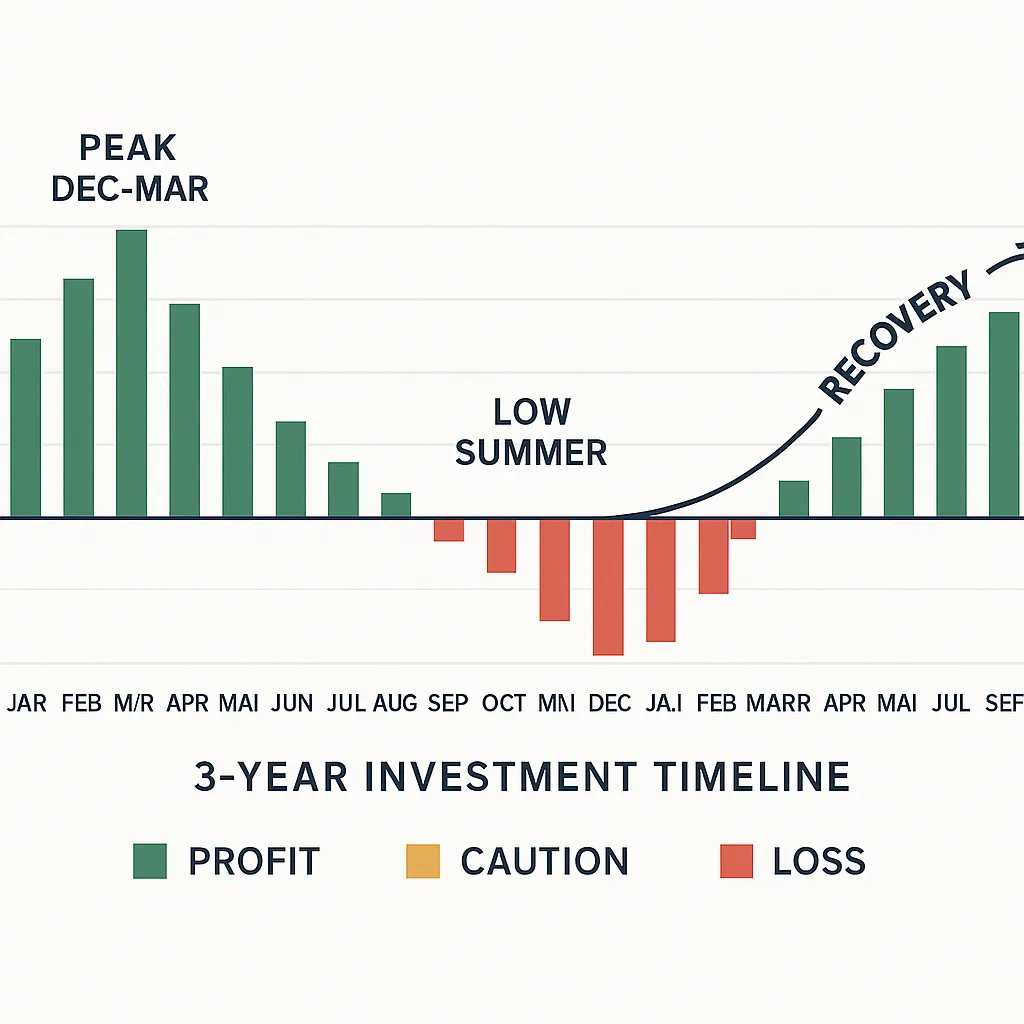
Industry professionals recommend taking a longer-term perspective on short-stay rental investments. Mahtani advises worried landlords: “Do not judge the business month-to-month. You need a 3-year perspective to see the real returns in short-term rentals.”
The key to success lies in maintaining pricing discipline during the current oversupply period. Operators who resist the temptation to slash rates may find themselves better positioned when market conditions normalise.
Building Classifications Impact Rental Decisions
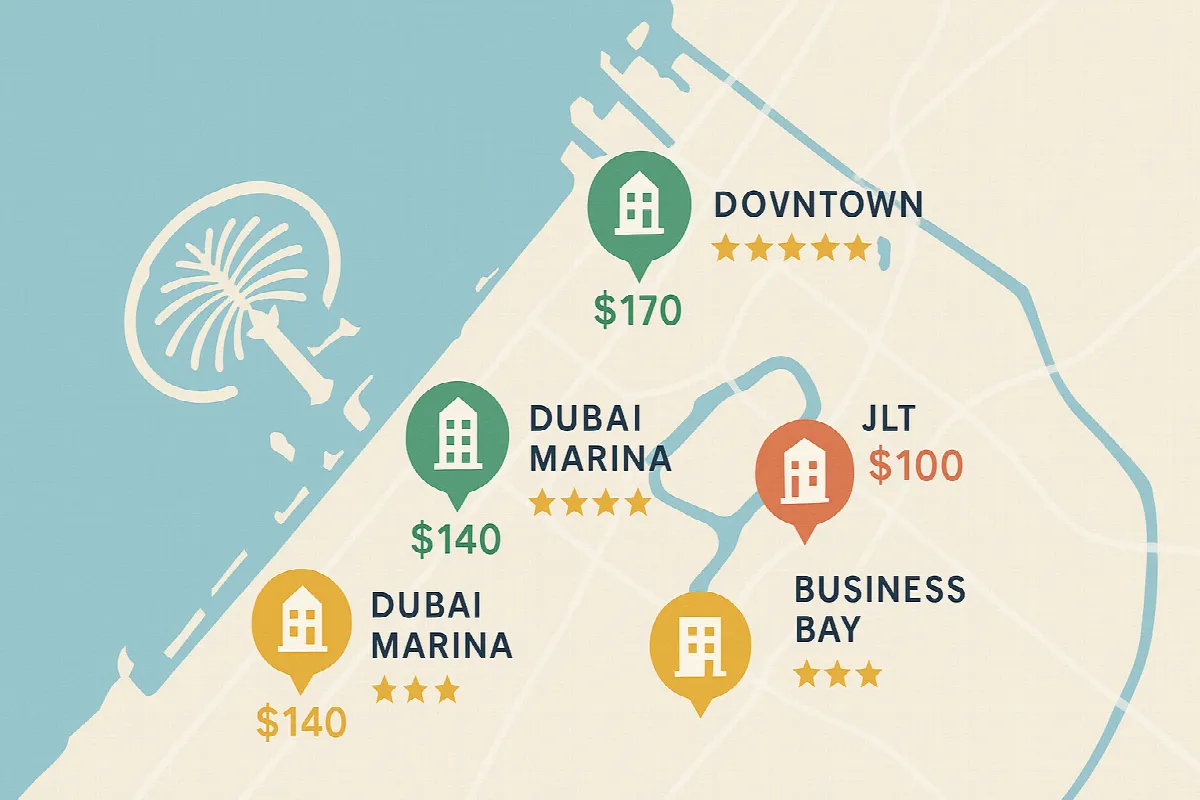
Dubai’s new property star rating system is influencing landlord choices between short and long-term rental strategies. High-rated buildings command premium rents in traditional leasing markets, creating compelling alternatives for property owners.
This rating system adds another variable to investment calculations, potentially tipping some landlords toward longer lease arrangements for properties in premium-rated buildings.
Future Supply Concerns

More new supply is expected in the second half of 2025, which could further pressure rates if demand doesn’t keep pace. The success of the market will depend on whether current and new landlords maintain pricing discipline during the challenging summer period.
The sector’s ability to weather this supply wave whilst maintaining reasonable returns will determine the long-term viability of Dubai’s short-stay rental market as an investment option.
Investment Recommendations for Property Owners
Current market conditions require strategic thinking from property investors. Those considering short-stay rentals should focus on:
Professional Management: Working with experienced operators who understand pricing strategies and market cycles.
Location Selection: Choosing properties in consistently high-demand areas that can weather market fluctuations.
Realistic Expectations: Understanding that returns may be lower during oversupply periods but can recover with market stabilisation.
Financial Planning: Having sufficient reserves to maintain properties during slower periods without panic pricing.
For property owners already in the market, the current period represents a test of resolve. Those who maintain quality standards and reasonable pricing are likely to benefit when market conditions improve.
Key Takeaway: Dubai’s short-stay rental market faces significant rate pressure due to new supply flooding the sector since early 2025. While current daily rates have dropped to $100-$350 from peak season highs of $250-$750, industry experts advise taking a 3-year perspective rather than month-to-month judgements for realistic investment returns.
Further Reading
The UAE week, every Monday
The week's stories on jobs, visas, money and daily life in one short email. Unsubscribe in one click.