Dubai Landlords Weigh Long vs Short Rentals as Star Ratings Impact Market
Dubai’s new property star rating system shifts landlord preferences toward long-term leases, as short-stay market growth slows in 2025.
By Vadim Kouznetsov, published
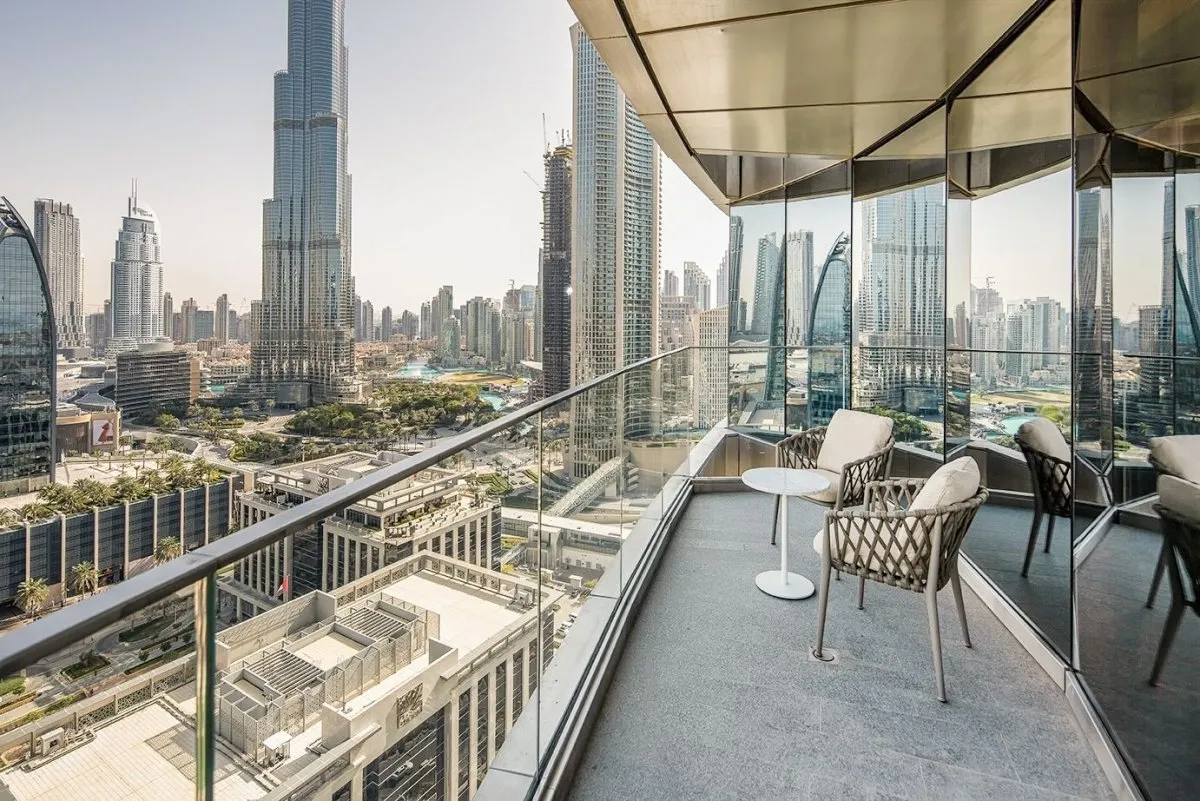
New star rating system influences property decisions as short-stay market growth stabilises
Star Ratings Change Landlord Calculations
Dubai’s property market is seeing a shift in landlord behaviour. Since early 2025, fewer properties are entering the short-term rental market as owners reconsider their options.
The recently introduced digital Rental Index and star rating system has become a decisive factor for many property owners.
“Three landlords I represent decided to withdraw from short lets and put all their properties for long lease,” reports one estate agent. “These landlords placed around 30-40 units for one-year leases, securing tenants immediately at above-market rates.”
How Star Ratings Work
Under Dubai’s new Rental Index, buildings receive star ratings that determine:
- What landlords can charge for new leases
- Acceptable increase ranges for existing tenants
- Premium potential for high-rated properties
This creates fresh opportunities in the long-term rental market, especially for owners of newer buildings which typically receive higher ratings.
Short-Term Market Plateaus
Meanwhile, the short-stay rental market has begun to stabilise after two years of rapid growth.
Market sources point to:
- Large number of new units entering the market in 2024
- Growth slowdown continuing into 2025
- Less room for landlords to demand premium rates
Despite this, short-term rentals still maintain advantages for many owners.
Beyond Immediate Income
Vinayak Mahtaini, CEO of bnbme, suggests landlords look at the complete picture.
“There are over 40,000 apartments now in the short-term market in Dubai. Property owners should consider more than just rental income,” he advises.
“Long-term rents have hidden costs such as refurbishment when tenants leave, during which the apartment generates no income. Asset preservation and property control are equally important factors.”
Flexibility Remains Key
Anna Skigin, CEO of Frank Porter, highlights another benefit of short-term rentals: “It’s about the flexibility of using the unit or selling when you want without tenant complications.”
This flexibility continues to attract landlords who value control over their assets.
Holiday Impact
The short-stay market is seeing increased demand during this week’s Eid holidays, particularly in popular locations.
However, some segments show softer performance compared to previous years.
“This year’s Eid booking has been slightly soft, coinciding with school holidays,” notes Mahtaini. “The staycation market is seeing rates between $100-$250 a night, approximately 30% down from last year.”
Decision Time for New Properties
With many new properties being handed over in Dubai, owners face an important choice between long-term stability and short-term flexibility.
The star rating system adds a significant new variable to this calculation, potentially tipping the balance for many toward longer leases—particularly for high-rated buildings.
What’s Next for Dubai Rentals?
The short-stay rental market hopes for a rate rebound after a relatively slow start to 2025. This potential recovery will influence landlord decisions in the coming months.
Meanwhile, buildings with high star ratings continue to command premium rents in the long-term market, creating compelling alternatives for property owners.
Key Takeaway
Dubai’s new star rating system is reshaping the rental landscape by adding significant value to long-term leases in highly-rated buildings. While short-term rentals offer flexibility and potential premium returns during peak seasons, landlords are increasingly weighing these benefits against the guaranteed income and higher rates now available through annual leases in well-rated properties.
Published: 31 March 2025
Additional Reading Material
- Dubai Real Estate Breaks Records: February 2025 Sales Hit Dh41 Billion | JobXDubai
- Dubai Real Estate Hits $13.9bn in February 2025: Market Analysis & Trends
- Dubai Property Prices Surge 20%: 2025 Real Estate Market Analysis & Forecast
- Dubai Property Guide: Expert Tips to Avoid Common Real Estate Mistakes 2025
The UAE week, every Monday
The week's stories on jobs, visas, money and daily life in one short email. Unsubscribe in one click.