Dubai Flight Cancellations Surge 300% as Iran-Israel Crisis Spreads
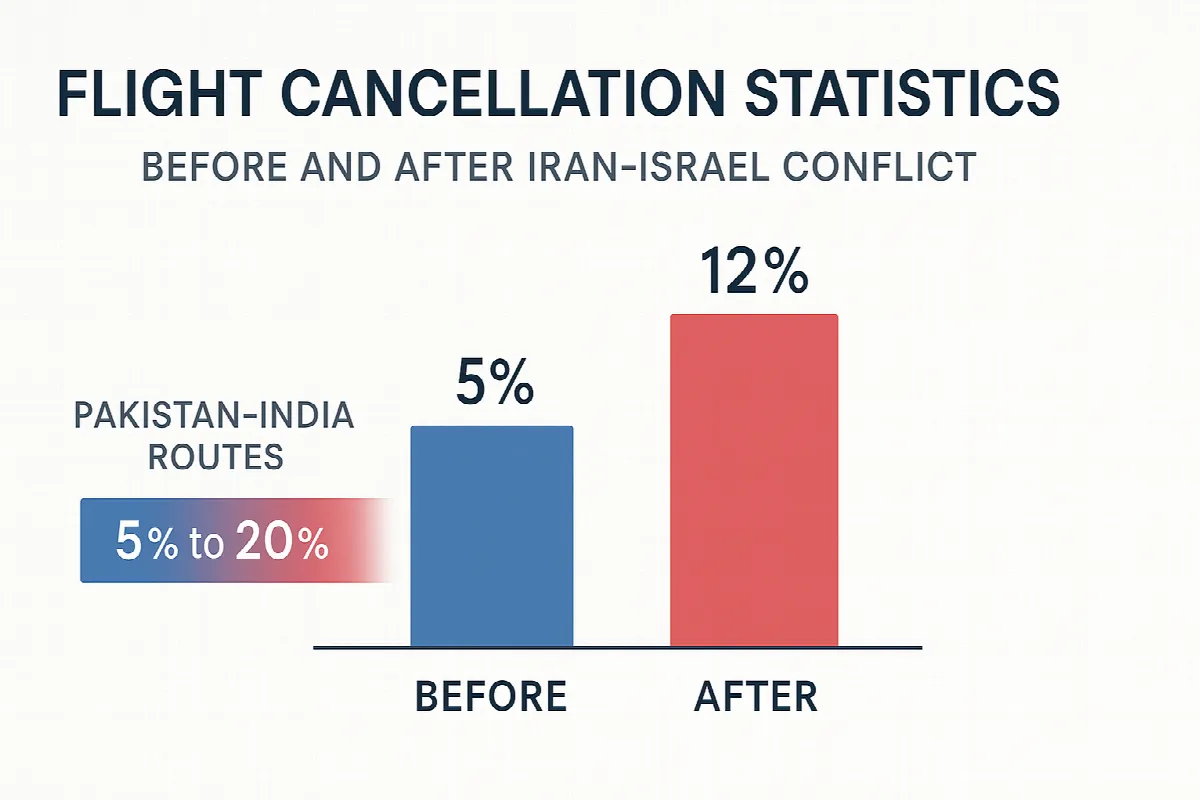
Dubai airport sees flight cancellations jump from 5% to 20% on Pakistan-India routes as Iran-Israel conflict disrupts global aviation networks.
By Vadim Kouznetsov, published

Regional Airspace Closures Create Worldwide Aviation Ripple Effects
Key Takeaway: Flight cancellations to Dubai International Airport have increased dramatically on non-regional routes, with Pakistan and India seeing cancellation rates jump from 5% to 20%. The Iran-Israel conflict’s airspace restrictions are forcing airlines to make longer detours or cancel flights entirely, significantly impacting global travel patterns and Dubai’s aviation hub status.
The Iran-Israel conflict has triggered unprecedented disruptions to global aviation networks, with Dubai International Airport experiencing a surge in flight cancellations from destinations far beyond the conflict zone. New tracking data reveals how regional airspace closures are creating worldwide aviation chaos.
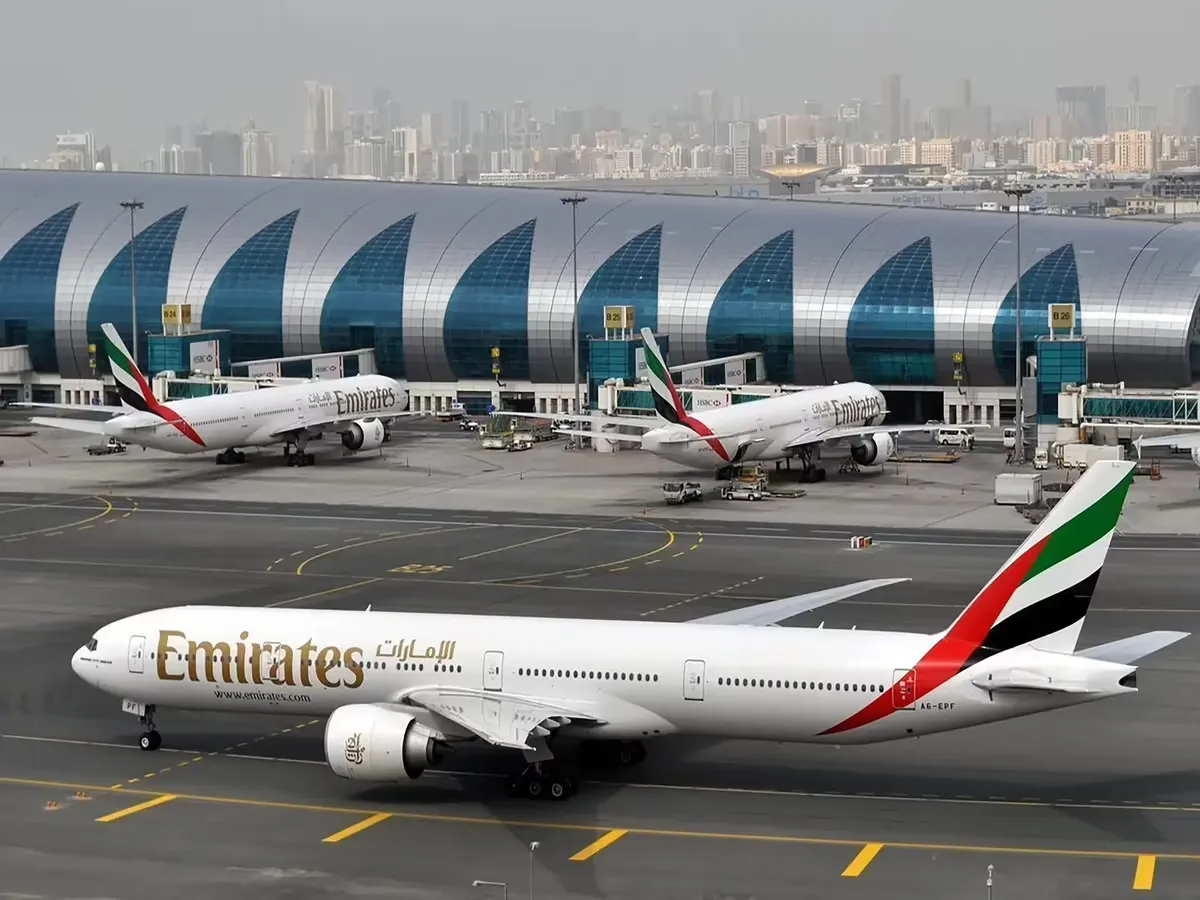
Aviation Industry Under Pressure
Flight Cancellation Data Analysis
According to Flightradar24 and FlightAware tracking systems, Dubai International Airport (DXB) has experienced significant increases in flight cancellations since the conflict began on 13th June. The most dramatic impacts affect routes from countries completely outside the conflict zone.
Pakistan and India Routes:
- Cancellation rates increased fourfold: from 5% to 20%
- Flights from Karachi, Lahore, and Multan particularly affected
- Services scrubbed around 7th June as crisis escalated
European Connections:
- Istanbul routes now face 5-10% cancellation rates (previously 1-3%)
- Other European hubs showing similar strain patterns
- Less severe impact but still significant operational disruption
Airspace Closure Impact
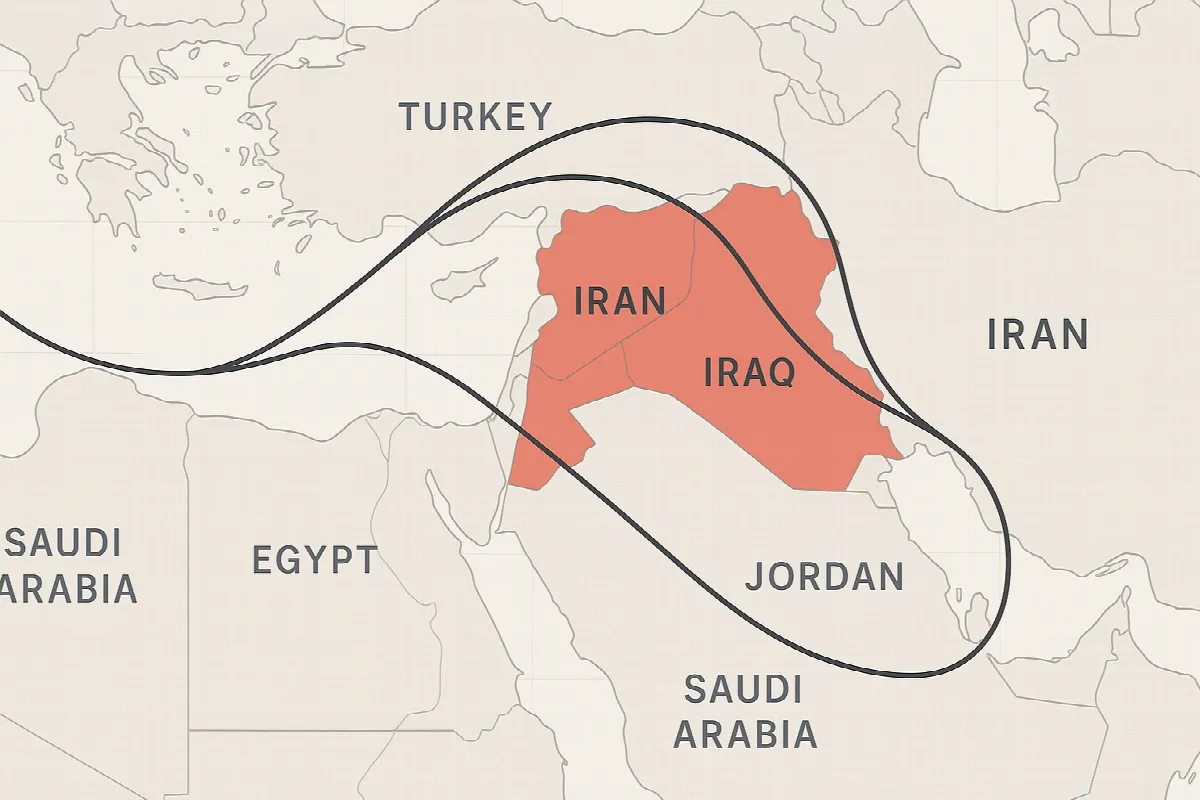
The conflict has resulted in comprehensive airspace restrictions across Iran, Iraq, Jordan, and Israel. These corridors traditionally serve as primary pathways for:
- Westbound traffic between Asia and Europe
- Eastbound routes connecting Europe to the Gulf region
- Critical flight paths linking major international hubs
Airlines now face impossible choices: undertake lengthy detours adding hours to flight times, or cancel services entirely to prevent cascading schedule disruptions.
Dubai’s Aviation Hub Status at Risk
Economic Implications for UAE
Dubai’s position as a global aviation hub faces significant challenges from prolonged airspace restrictions. The UAE’s aviation sector, which was projected to create 185,000 new jobs by 2030, could experience substantial setbacks if regional instability continues.
The aviation industry represents a crucial component of the UAE’s diversified economy, supporting numerous employment sectors including:
- Airport operations and ground services
- Tourism and hospitality industries
- Logistics and cargo operations
- International business travel facilitation
Operational Challenges for Emirates and Partners
Major UAE carriers including Emirates, Etihad, and flydubai have implemented route cancellations and significant schedule adjustments. The operational complexities extend beyond simple route changes:
Fleet Management Issues:
- Aircraft pulled from regional services reduce overall fleet flexibility
- Crew scheduling disruptions affect multiple route networks
- Maintenance cycles disrupted by unexpected route changes
Network Connectivity:
- Dubai’s role as a connecting hub between continents compromised
- Passenger transfer opportunities significantly reduced
- Competitive disadvantage against airports with unrestricted airspace access
Global Travel Pattern Disruption
Passenger Impact and Market Response
Travellers from Pakistan, India, and European destinations face unprecedented uncertainty when planning UAE travel. The aviation disruption affects multiple passenger categories:
Business Travellers: International companies with operations in the UAE face significant logistical challenges, potentially affecting Dubai’s position as a business hub.
Tourism Industry: The UAE’s substantial tourism sector, which supports thousands of jobs across hospitality and related industries, faces potential revenue impacts from reduced accessibility.
Employment Seekers: Professionals considering jobs in Dubai for foreigners may experience difficulties with relocation and interview travel.
Airline Industry Strategic Responses
Airlines are implementing various strategies to manage the crisis:
Route Prioritisation: Carriers focus resources on long-haul, high-demand routes whilst sacrificing secondary services to maintain operational viability.
Alternative Routing: Extended flight paths through available airspace corridors, though this significantly increases operational costs and flight duration.
Schedule Optimisation: Complete network restructuring to accommodate airspace restrictions whilst maintaining essential connectivity.
Regional Economic Consequences
UAE Employment Market Resilience
Despite aviation challenges, the UAE job market demonstrates remarkable resilience, with recent data showing 35.2% growth in job openings. However, prolonged aviation disruption could affect several key sectors:
Tourism and Hospitality: Reduced visitor numbers directly impact employment in hotels, restaurants, and entertainment venues.
Logistics and Trade: Dubai’s role as a regional trade hub depends heavily on efficient air cargo operations.
International Business: Multinational companies may reconsider UAE operations if travel accessibility remains compromised.
Comparative Regional Impact
The UAE’s strategic response to aviation disruption contrasts with other regional economies. The country’s economic diversification strategy provides some insulation from single-sector shocks, though aviation remains critically important.
Technology Sector Opportunities
Digital Solutions and Remote Work
Interestingly, aviation disruption may accelerate adoption of remote work solutions and digital business practices. The surge in hybrid job opportunities in the UAE could benefit from increased corporate focus on flexible work arrangements.
Companies may invest more heavily in:
- Video conferencing and collaboration technologies
- Digital project management solutions
- Remote team coordination platforms
- Virtual event and meeting capabilities
This technological pivot could create new employment opportunities in IT and digital services sectors.
Travel Advisory and Passenger Guidance
Immediate Recommendations
Passengers planning UAE travel should implement flexible booking strategies:
Booking Flexibility: Choose airlines offering free rebooking options during the crisis period.
Route Alternatives: Consider alternative routing through unaffected airports, though journey times may increase significantly.
Travel Insurance: Comprehensive coverage becomes essential given unprecedented cancellation rates.
Real-Time Monitoring: Closely track flight status using airline apps and flight tracking services.
Long-Term Planning Considerations
For professionals considering UAE employment opportunities, current disruptions highlight the importance of flexible travel planning. However, the fundamental attractiveness of working in the UAE remains strong despite temporary accessibility challenges.
Industry Recovery Prospects
Post-Conflict Scenarios
Aviation industry analysts suggest several potential recovery trajectories:
Rapid Recovery: If diplomatic solutions emerge quickly, pent-up travel demand could drive rapid route restoration and schedule normalisation.
Gradual Stabilisation: Extended but manageable conflict might require permanent route adjustments whilst maintaining core connectivity.
Prolonged Disruption: Sustained regional instability could fundamentally alter global aviation patterns and hub competitiveness.
UAE Competitive Position
Dubai’s long-term aviation hub status depends on several factors:
Government Support: Continued investment in airport infrastructure and airline partnerships.
Alternative Route Development: Creating new connectivity options that bypass conflict-affected airspace.
Service Excellence: Maintaining superior passenger experience despite operational challenges.
Economic Diversification Benefits
Broader UAE Economy Resilience
The current crisis demonstrates the value of the UAE’s economic diversification strategy. While aviation faces significant challenges, other sectors continue showing strength:
Technology Growth: Continued expansion in AI, fintech, and digital services provides employment stability.
Financial Services: Dubai’s position as a regional financial centre remains largely unaffected by aviation disruption.
Tourism Alternatives: Domestic and regional tourism may partially offset reduced international arrivals.
Conclusion
The Iran-Israel conflict’s impact on Dubai’s aviation sector illustrates how regional political tensions can create global economic consequences. Flight cancellation rates jumping from 5% to 20% on key routes demonstrate the interconnected nature of modern aviation networks.
For the UAE’s employment market, current challenges highlight both vulnerabilities and strengths. While aviation-dependent sectors face immediate pressure, the country’s economic diversification provides resilience against single-industry shocks.
The situation emphasises the importance of flexible travel planning for anyone considering UAE opportunities. However, the fundamental attractions of working in one of the world’s most dynamic economies remain compelling despite temporary accessibility challenges.
As diplomatic efforts continue, the aviation industry’s rapid recovery capabilities suggest that route normalisation could occur quickly once airspace restrictions lift. Meanwhile, the crisis may accelerate adoption of digital business practices and remote work solutions, creating new employment opportunities in technology sectors.
Further Reading:
- Complete Guide to Working in the UAE: 2025 Edition
- UAE Job Market: Hybrid Positions Surge 84% in 2025
- Dubai Jobs Guide: Find Your Dream Career in 2024
- Jobs in Dubai for Foreigners: Your 2025 Guide
This article provides analysis of current aviation disruptions and their impact on UAE employment markets. For the latest job opportunities and career guidance in the UAE, visit JobXDubai.com.
The UAE week, every Monday
The week's stories on jobs, visas, money and daily life in one short email. Unsubscribe in one click.