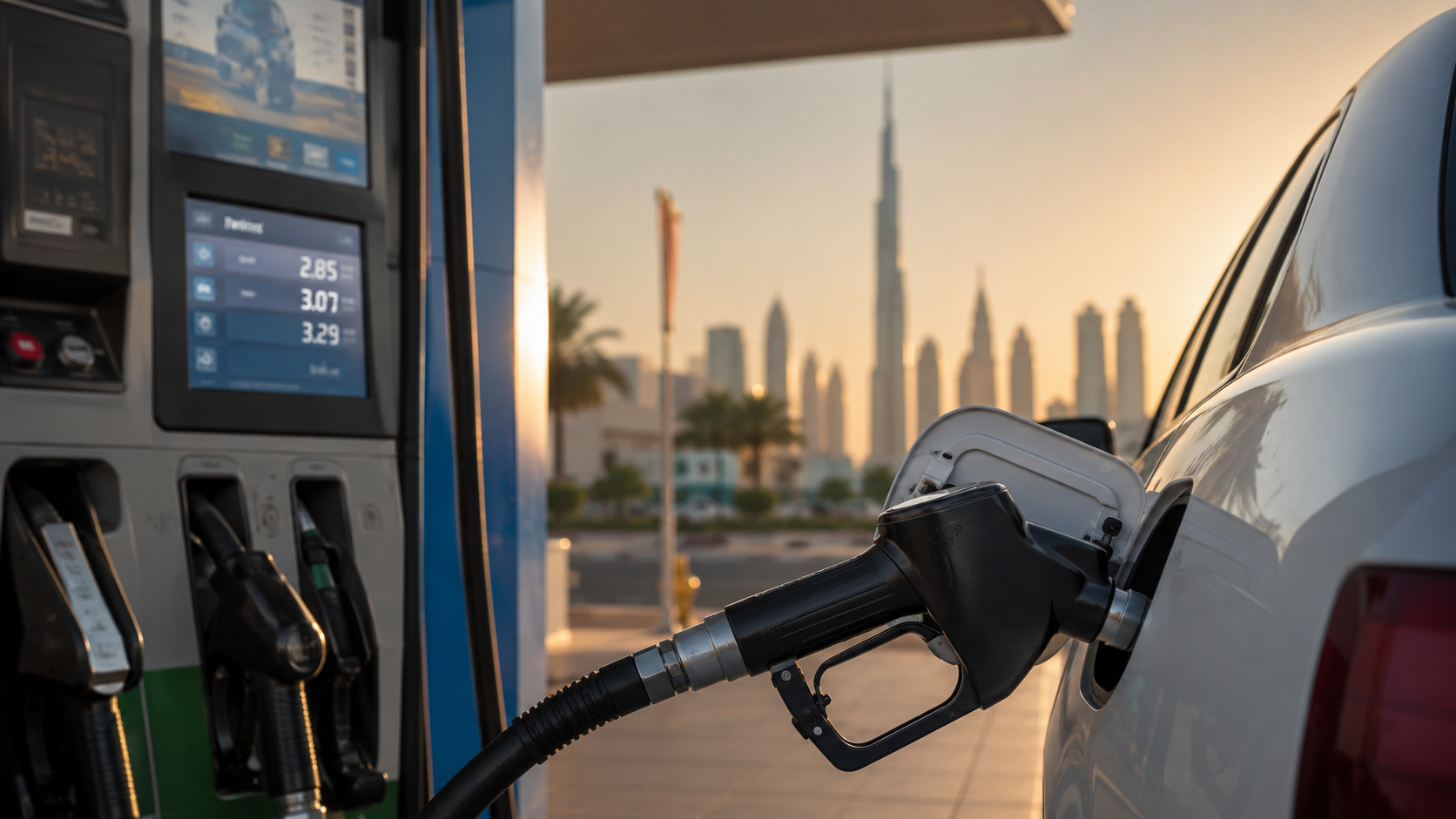
UAE Fuel Prices to Rise as Oil Surges 14% on Middle East War
UAE motorists face higher fuel costs as oil prices surge 14% following Middle East conflict. Analysts warn prices could hit $100+ per barrel.
By Vadim Kouznetsov, published

UAE motorists face potential fuel price increases next month following a 14% surge in crude oil prices after Israel launched major attacks on Iranian nuclear and military facilities on Friday morning.
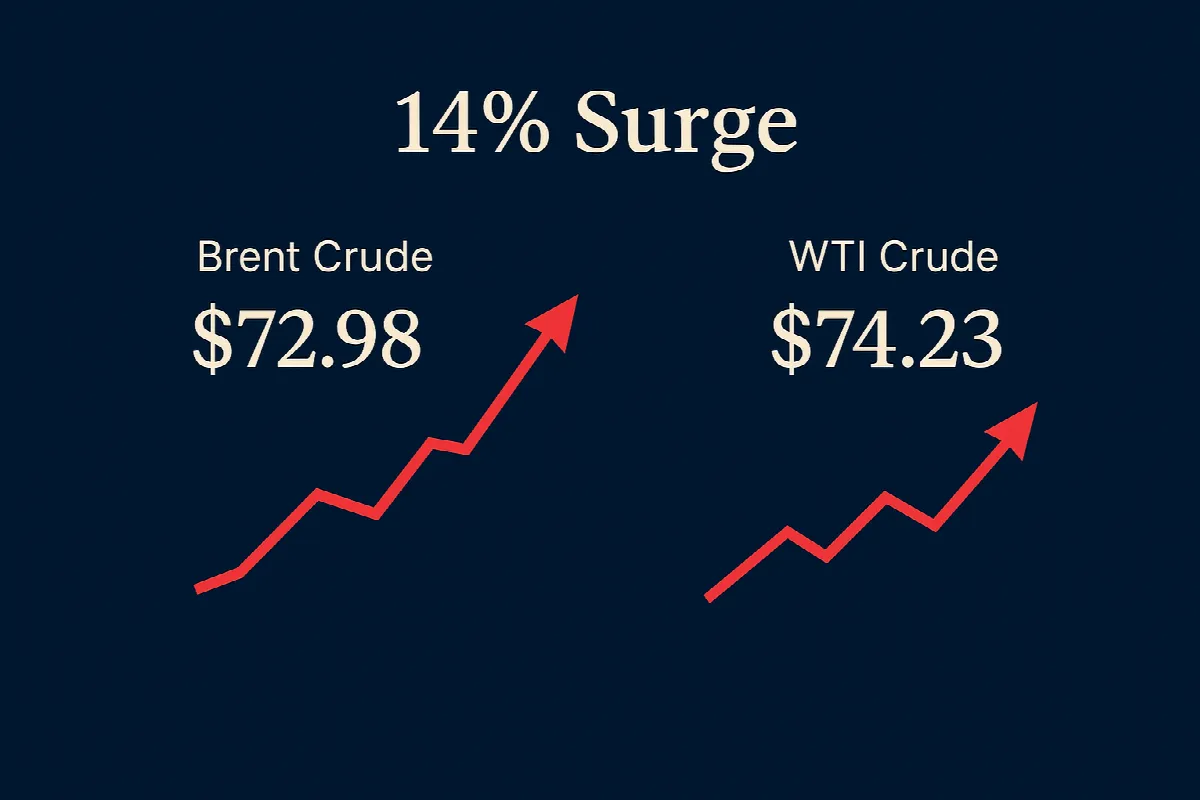
Oil markets experienced significant volatility as WTI and Brent prices closed the weekend at $72.98 and $74.23 per barrel respectively, marking increases of 7.26% and 7.02%. This dramatic price movement suggests UAE drivers could pay substantially more at petrol stations in the coming weeks.
Key Takeaway: UAE fuel prices are likely to increase significantly next month as crude oil prices surge 14% following escalating Middle East tensions, with analysts warning prices could breach $100 per barrel if the conflict expands.
Current UAE Fuel Prices Maintained at June Levels
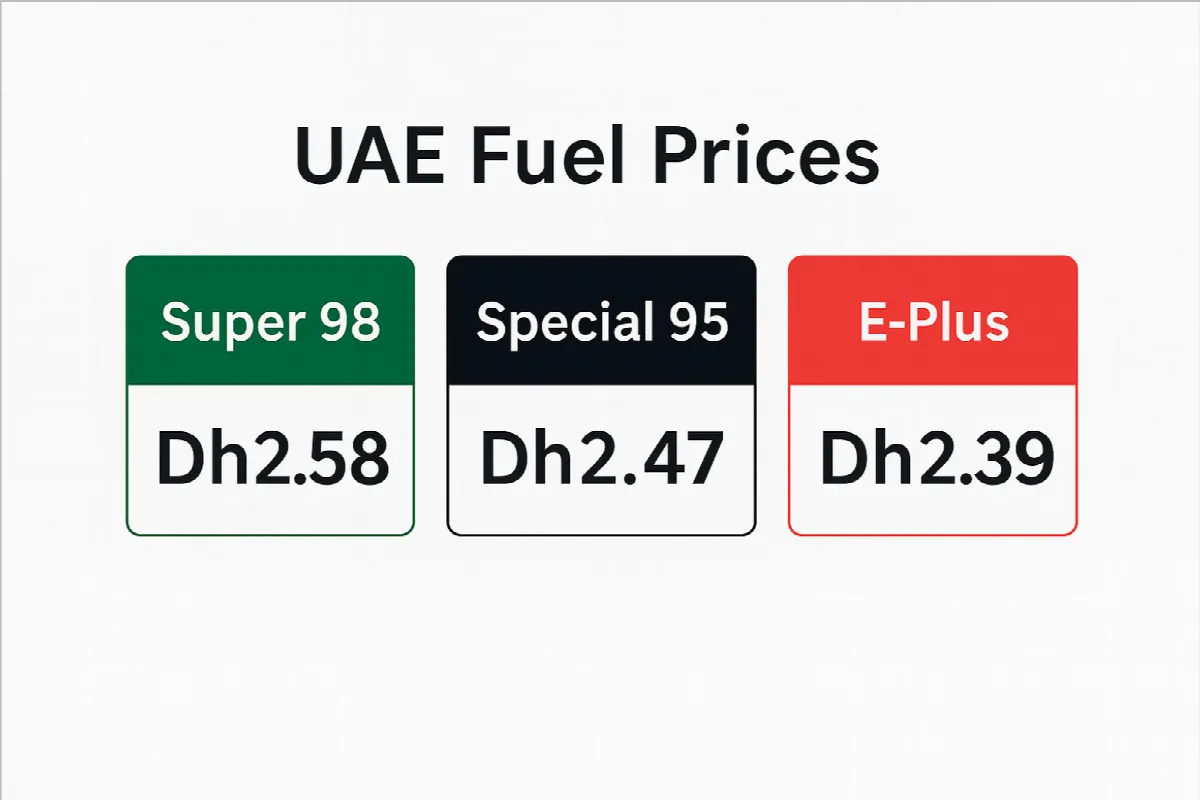
In June 2025, the UAE maintained fuel prices unchanged, offering motorists temporary relief with competitive rates across all fuel grades:
- Super 98: Dh2.58 per litre
- Special 95: Dh2.47 per litre
- E-Plus 91: Dh2.39 per litre
These prices represented some of the most favourable rates seen throughout 2024, providing cost savings for both individual drivers and commercial transport operators. However, the recent geopolitical developments threaten to reverse this trend dramatically.
Market Analysts Predict Two Potential Scenarios
Leading financial experts have outlined contrasting scenarios for oil price movements, each carrying significant implications for UAE consumers:
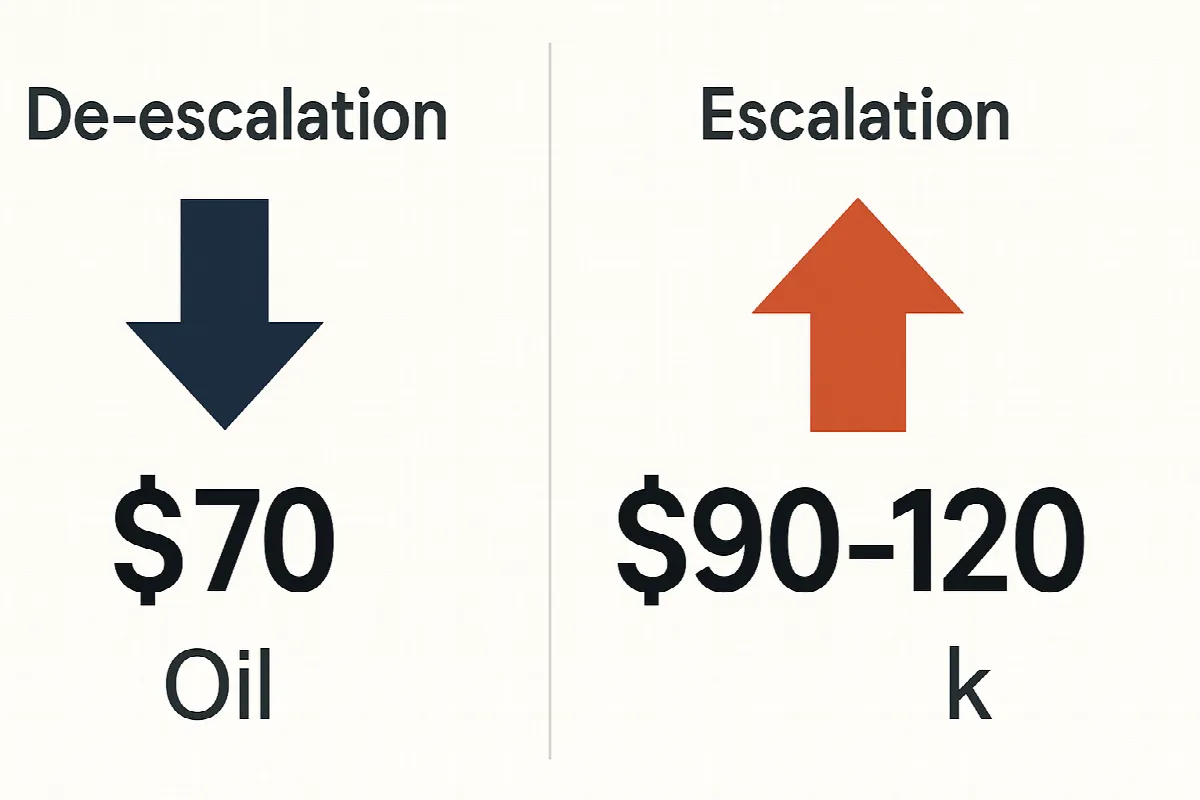
Scenario 1: De-escalation Could Bring Relief
Ipek Ozkardeskaya, senior analyst at Swissquote Bank, suggests markets could experience rapid stabilisation similar to October 2024’s events. During that period, Israel launched major strikes on Iranian nuclear facilities, prompting Iranian drone attacks that were largely intercepted and perceived as warnings rather than full retaliation.
“Tensions eventually eased, and markets quickly settled. A similar de-escalation is possible now, but not guaranteed,” Ozkardeskaya explained. Under this scenario, oil could retreat below $70 per barrel, potentially maintaining current fuel price levels.
Scenario 2: Escalation Could Push Prices to $90-$120
The alternative scenario presents concerning implications for UAE motorists. Ozkardeskaya warns that broader escalation could drive oil prices toward $90-$100 per barrel, whilst Naeem Aslam from Zaye Capital suggests even higher peaks.
“Oil’s surged up to 14% on Israel’s strikes; prices could breach $120 if energy infrastructure gets hit,” Aslam noted. Such increases would translate directly into higher fuel costs across the Emirates.
Strait of Hormuz Remains Critical Risk Factor
The Strait of Hormuz, through which more than 20 million barrels of crude pass daily, represents the most significant potential disruption point. Ole Hansen, head of commodity strategy at Saxo Bank, emphasised that even brief closures could trigger sharp price spikes.
This narrow waterway serves as a crucial chokepoint for global oil supplies, making it a focal point for market concerns during regional conflicts. Any disruption to shipping through this route would have immediate implications for global oil prices and, consequently, UAE fuel costs.
Supply Resilience Offers Some Market Stability
Despite geopolitical tensions, several factors provide market stability according to industry experts:
Norbert Ruecker from Julius Baer highlighted the oil market’s current resilience: “Storage is ample, spare capacity plentiful, and exports grow outside of the Middle East.” His firm lifted their near-term target to $72.5 per barrel whilst acknowledging ongoing uncertainty.
Global oil producers maintain spare production capacity exceeding 5% of worldwide output, which they recently began bringing back to market. Additionally, extensive oil inventories in China and Western nations provide buffer against supply disruptions.
Impact on UAE Residents and Economy
Rising fuel prices would create additional pressure on UAE households already facing increasing living costs. Recent analysis shows that nearly 70% of UAE employees report rising costs outpacing salaries, making fuel price increases particularly challenging.
Commercial transport operators would experience the most immediate impact, with potential increases in logistics costs across supply chains. This could contribute to broader inflationary pressure throughout the Emirates’ economy.
The timing proves especially challenging as UAE workers are already pushing for higher allowances to offset rising housing and transport costs in major cities like Dubai and Abu Dhabi.
Historical Context: October 2024 Pattern
The current situation mirrors events from October 2024, when similar regional tensions led to temporary oil price volatility. During that period, UAE fuel prices experienced fluctuations before markets eventually stabilised.
However, market analysts note that each geopolitical event carries different risk factors, making historical comparisons valuable but not definitive for predicting outcomes.
UAE’s Monthly Fuel Price Adjustment System
Since 2015, the UAE has operated a deregulated fuel pricing system that aligns local rates with international market conditions. The Fuel Price Committee reviews and adjusts rates monthly, typically announcing changes at the end of each month.
This system promotes market-driven economics whilst supporting sustainable consumption patterns. Monthly announcements allow residents to plan their budgets accordingly, though sudden geopolitical events can create volatility between adjustment periods.
Recent fuel price trends have shown significant variation throughout 2024 and 2025, with prices reaching yearly lows in December 2024 before experiencing modest adjustments in subsequent months.
Planning for Potential Price Increases
UAE residents should prepare for possible fuel cost increases by considering several strategies:
Budget Adjustments: Review monthly transport expenses and identify potential savings areas if fuel prices rise significantly.
Alternative Transport: Explore public transport options, carpooling arrangements, or remote work possibilities to reduce fuel consumption.
Vehicle Efficiency: Consider fuel-efficient driving habits and vehicle maintenance to maximise mileage during higher price periods.
Commercial Planning: Businesses dependent on transport should evaluate pricing strategies and operational adjustments to manage increased fuel costs.
Regional Economic Implications
Higher fuel costs could affect multiple sectors of the UAE economy beyond direct transport expenses. Industries relying heavily on logistics, tourism operators using significant ground transport, and retail businesses with extensive delivery networks would face increased operational costs.
However, the UAE’s position as an oil-producing nation means higher global prices could provide offsetting benefits to government revenues and energy sector profits.
The government’s continued focus on economic diversification helps reduce the economy’s vulnerability to oil price volatility, though fuel costs remain a significant factor for residents and businesses.
Monitoring Market Developments
The situation remains fluid, with daily developments in Middle East tensions potentially affecting oil prices. UAE residents should monitor official announcements from the Fuel Price Committee and consider the broader regional context when planning transport expenses.
Financial markets will continue watching key indicators including diplomatic developments, actual oil infrastructure damage, and international response measures. These factors will ultimately determine whether current price surges prove temporary or signal sustained increases.
The UAE’s strategic location and strong economic fundamentals provide resilience against external shocks, though individual households and businesses must adapt to changing fuel cost realities.
As tensions continue, the coming weeks will reveal whether markets follow the de-escalation pattern seen in October 2024 or witness more sustained price increases reflecting prolonged regional instability.
Further Reading
Related Articles:
The UAE week, every Monday
The week's stories on jobs, visas, money and daily life in one short email. Unsubscribe in one click.