UAE Issues Travel Advisory: Israel-Iran Conflict Disrupts Regional Flights
UAE Ministry issues urgent travel advisory as Israel-Iran conflict escalates. UAE nationals must register with Twajudi service. Flight cancellations widespread.
By Vadim Kouznetsov, published
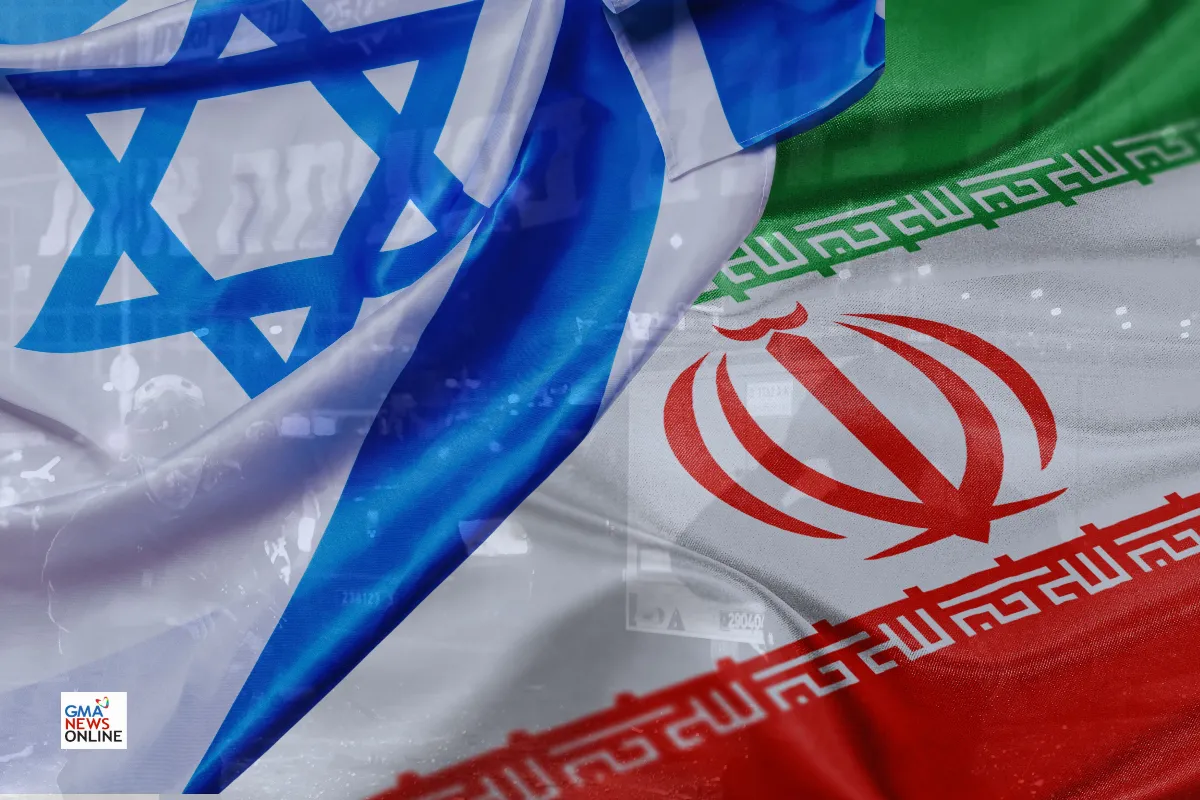
The UAE Ministry of Foreign Affairs has issued an urgent travel advisory for citizens, residents, and visitors as the escalating Israel-Iran conflict severely impacts regional aviation and travel safety. The advisory comes as ongoing military exchanges between Israel and Iran have resulted in widespread flight cancellations and airspace closures across the Middle East.
Following Israel’s unprecedented strikes on Iranian nuclear facilities and military targets on 13 June 2025, which killed senior Iranian commanders including Revolutionary Guard chief Hossein Salami, Iran has retaliated with missile barrages targeting Israeli cities.
UAE Ministry Advisory Details
Essential Contact Requirements
The Ministry of Foreign Affairs has urged all individuals in the UAE to contact their airlines directly for the latest updates on flight schedules, as disruptions may occur due to the evolving regional situation.
Twajudi Registration for UAE Nationals
UAE nationals currently staying in affected countries must immediately register with the ‘Twajudi’ consular service to access support and emergency updates. This applies to citizens in:
- Jordan
- Iraq
- Lebanon
- Syria
- Iran
- Israel
Emergency Contact Information
UAE citizens can contact the Ministry of Foreign Affairs on 0097180024 in case of emergencies during this period of heightened regional tensions.
Current Conflict Impact on Regional Travel
Widespread Airspace Closures
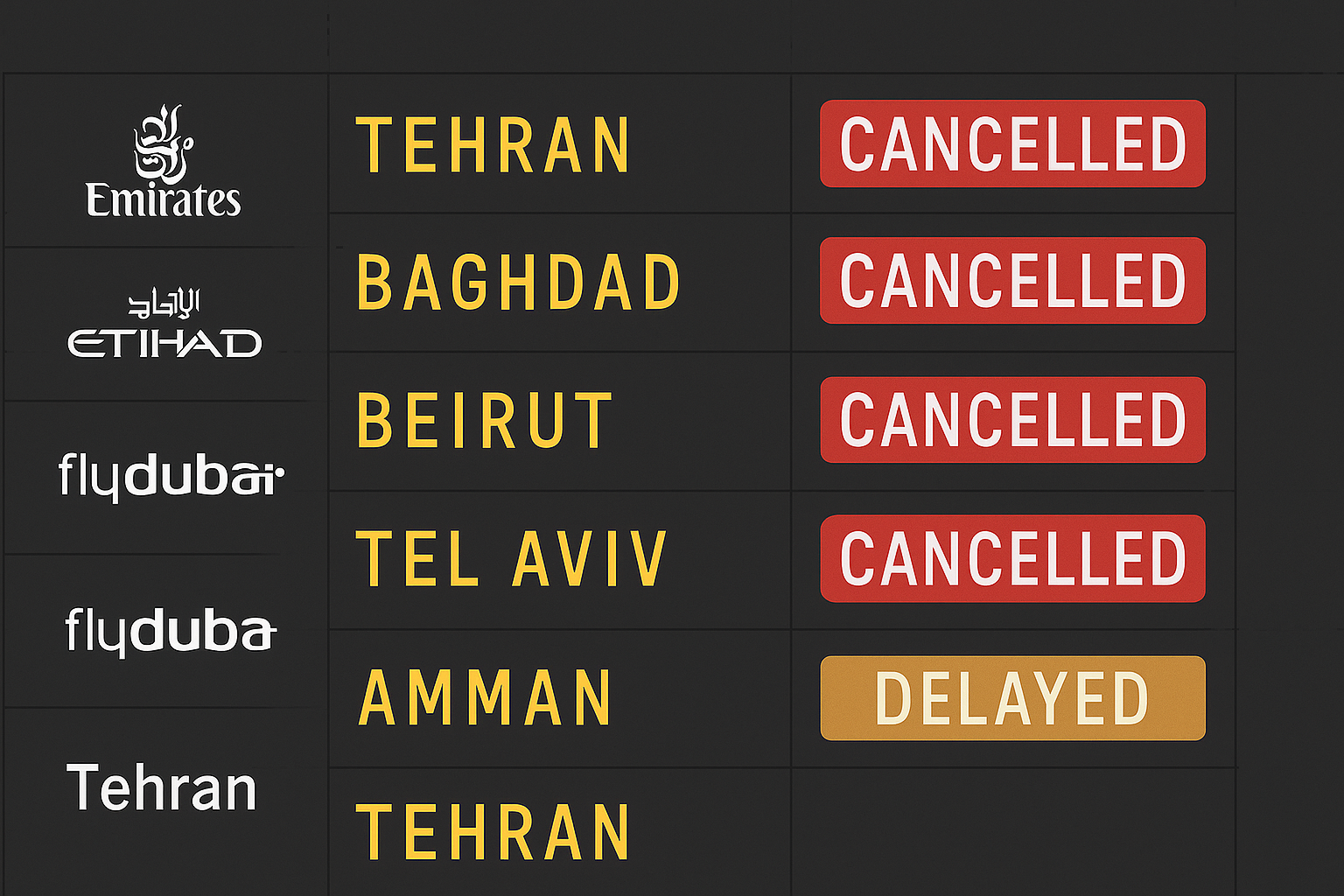
Jordan, Iraq, Iran, and Syria have closed their airspace, while Israel has closed Ben Gurion Airport. The closures affect major international carriers including:
Airlines Suspending Operations
Multiple international carriers have suspended or modified operations due to airspace restrictions. This situation echoes previous Middle East tensions that affected UAE airfares, though the current scale is significantly larger.
Major Carriers Affected:
- Emirates: Cancelled flights to Iraq, Iran, Jordan, and Lebanon
- Etihad Airways: Suspended Abu Dhabi-Tel Aviv routes
- flydubai: Halted services to multiple Middle Eastern destinations
- Lufthansa: Avoiding Iranian, Iraqi, and Jordanian airspace
- Air India: Rerouting flights around conflict zones
This represents a significant escalation from previous UAE airline adjustments during regional tensions.
Flight Cancellation Statistics
Iran has launched approximately 150 ballistic missiles in multiple salvos targeting Israel, prompting widespread aviation disruptions. Airlines have stopped operations over Israel, Iran, Iraq, and Jordan airspace, diverting flights and cancelling others.
Escalation Timeline: Israel-Iran Conflict June 2025
13 June: Israeli Strikes on Iran
Israeli forces conducted Operation Rising Lion, targeting Iranian nuclear facilities including Natanz, military bases, and Defence Ministry headquarters in Tehran. The strikes resulted in significant casualties:
Iranian Military Losses:
- Revolutionary Guard Commander Hossein Salami killed
- Top military official Mohammad Hossein Bagheri killed
- Multiple nuclear scientists eliminated
- At least 78 people killed and 320 wounded, mostly civilians
13-14 June: Iranian Retaliation
Iran launched “Operation Severe Punishment” with hundreds of ballistic missiles targeting Israeli military centres and air bases. Israeli casualties include:
- One woman killed and approximately 40 people injured
- Multiple missile impacts in Tel Aviv area
- Nationwide air raid sirens activated
Ongoing Military Exchange
Both Israel and Iran have announced their attacks will continue, raising prospects of protracted Middle East conflict. The situation remains highly volatile with continuous military strikes affecting regional stability.
Travel Safety Recommendations
For Current Travellers in the Region
Immediate Actions Required:
- Contact airlines for rebooking or cancellation options
- Monitor local news and official emergency channels
- Register with nearest consular services
- Avoid airports and transport hubs during active conflicts
- Maintain emergency contact information updated
For Planned Travel
Pre-Travel Considerations:
- Postpone non-essential travel to affected countries
- Purchase comprehensive travel insurance with conflict coverage
- Maintain flexible booking arrangements
- Monitor airline and government advisories continuously
The UK’s Foreign Office has issued updated travel warnings for UAE, Qatar, Tunisia, and Oman due to heightened regional risks, indicating international concern about conflict escalation.
Regional Airport Disruptions
Major Hub Closures
Israel:
- Ben Gurion International Airport closed
- El Al has suspended all flights due to airspace closures
Iran:
- Imam Khomeini International Airport suspended flights
- Tehran Mehrabad Airport reported explosions and fires
Jordan:
- Queen Alia International Airport closed at 10:30 AM on 13 June
- Air raid sirens activated at 09:30 AM warning residents to stay indoors
Economic Impact on Aviation
Airline stocks have significantly decreased: Lufthansa dropped 5%, while Air France, KLM, and EasyJet fell 3-4%. The aviation disruption extends beyond immediate safety concerns to broader economic implications for regional carriers.
UAE’s Diplomatic Position
The UAE has condemned in the strongest terms Israel’s military targeting of Iran, expressing deep concern over ongoing escalation and regional security implications. The Ministry emphasized the importance of:
- Exercising utmost self-restraint to mitigate risks
- Preventing conflict expansion through diplomatic dialogue
- Adhering to international law and state sovereignty
- Resolving disputes through diplomatic rather than military means
Business and Employment Implications
For UAE-Based Workers
The conflict affects professionals across multiple sectors:
Aviation Industry: Flight crew, ground staff, and aviation management face operational challenges and potential route cancellations
Tourism Sector: Regional travel restrictions impact hospitality bookings and tour operations
Financial Services: Market volatility affects banking and investment operations, with oil prices increasing 7-11%, making them the highest in a month
Logistics: Supply chain disruptions affect cargo and freight operations across affected airspace
Despite current challenges, the UAE’s job market for 2025 shows resilience with legal and tech sectors expected to lead salary growth, demonstrating the economy’s diversification benefits during regional instability.
For professionals seeking stable employment opportunities in Dubai, the current situation highlights the importance of working in resilient sectors less affected by regional volatility. The UAE’s aviation sector, which plans to create 185,000 jobs by 2030, demonstrates long-term growth potential despite short-term disruptions.
International Response and Support
Global Diplomatic Efforts
China has condemned Israel’s violation of Iran’s sovereignty and urged immediate cessation of military actions to prevent further escalation. Multiple countries are calling for de-escalation and return to diplomatic negotiations.
US Position
President Trump has indicated support for Israel whilst warning Iran of worse consequences, suggesting nuclear negotiations could resume if Iran accepts programme limitations. However, scheduled nuclear talks in Muscat, Oman for 15 June have been suspended indefinitely.
Safety Protocols and Emergency Procedures
For UAE Residents
Aviation Safety Measures:
- Check airline websites before travelling to airports
- Allow extra time for security procedures
- Maintain alternative travel arrangements
- Monitor UAE government channels for updates
Personal Safety:
- Avoid areas with large gatherings
- Keep emergency supplies readily available
- Maintain charged communication devices
- Follow local authority guidance immediately
Emergency Resources
UAE Emergency Contacts:
- Ministry of Foreign Affairs: 0097180024
- Local emergency services: 999
- Tourist helpline: 800424
Looking Forward: Regional Stability Concerns
The escalating conflict raises questions about Middle East stability and its impact on UAE’s position as a regional business hub. The UAE’s strategic neutrality and emphasis on diplomatic solutions reinforces its role as a safe haven for international business and residents.
These measures are part of the UAE’s commitment to safeguarding citizen well-being abroad and maintaining effective communication during periods of heightened uncertainty.
Further Reading
Related Travel and Security Articles:
- UAE Airlines Adjust Flights Amid Middle East Airspace Closures
- UAE Airfares Soar: Middle East Tensions Affect Regional Routes
- Dubai Aviation Sector to Create 185,000 New Jobs by 2030
Career and Employment Guidance:
- Work in the United Arab Emirates: Complete Guide
- UAE Job Market 2025: Legal and Tech Sectors Set for Growth
- UAE Jobs: Influx of White-Collar Talent from US, UK, Europe
Key Takeaway
The UAE Ministry of Foreign Affairs has issued critical travel advisories as the Israel-Iran conflict escalates, with 150+ missiles exchanged and major airspace closures affecting regional aviation. UAE nationals in Jordan, Iraq, Lebanon, Syria, Iran, and Israel must register with ‘Twajudi’ services immediately, whilst all travellers should contact airlines directly for flight updates during this volatile period.
The UAE week, every Monday
The week's stories on jobs, visas, money and daily life in one short email. Unsubscribe in one click.