Prenups in UAE: Why More Couples Are Signing Marriage Contracts
Legal reforms make prenuptial agreements easier in UAE. Learn why more expat couples are choosing prenups for financial protection and clarity.
By Vadim Kouznetsov, published

More couples across the Gulf region are embracing prenuptial agreements as a practical step before marriage, particularly in the UAE where recent legal reforms have made these contracts easier to draft, recognise, and enforce. While prenups cannot prevent a marriage from breaking down and may still carry social stigma in some circles, legal experts say they can significantly reduce the bitterness and legal chaos that sometimes follow a relationship’s end.
Legal Breakthrough Paves the Way for Civil Marriages
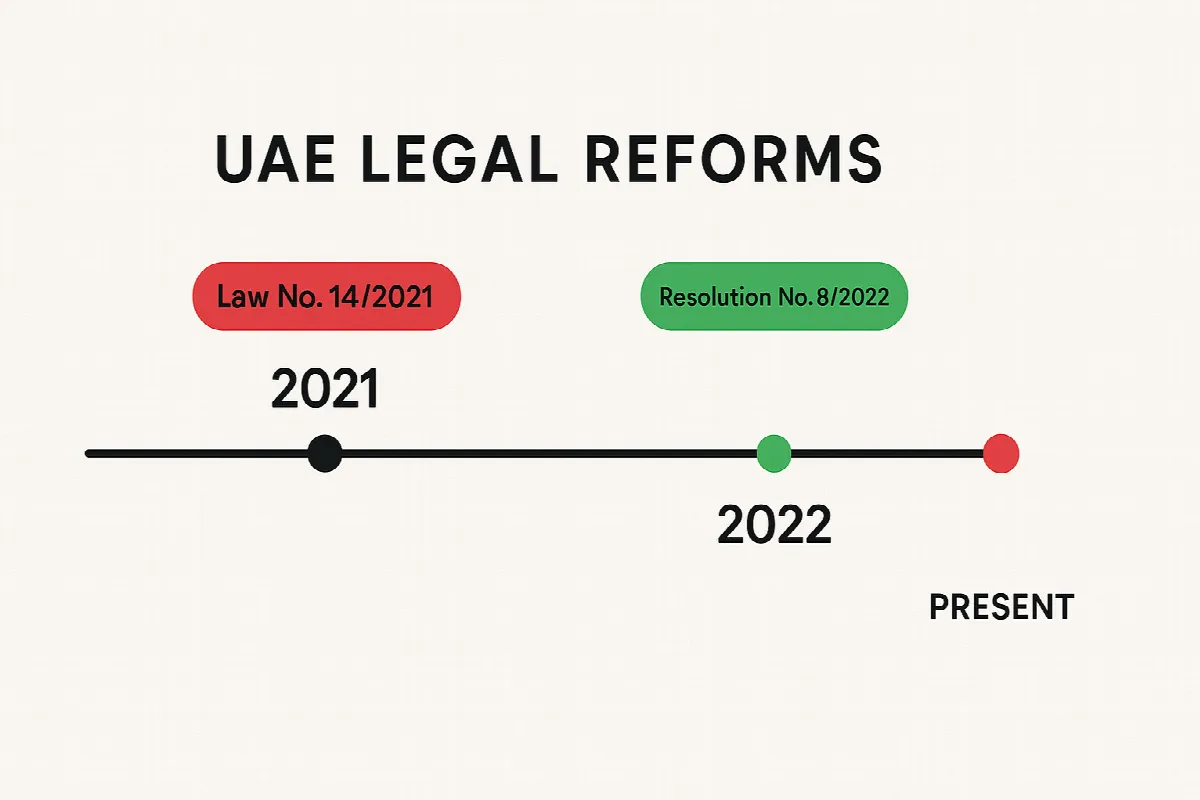
A significant turning point came in 2021 when Abu Dhabi introduced Law No. 14/2021 on Personal Status for Non-Muslim Foreigners, followed by Resolution No. (8) of 2022. This legislation established a legal framework for civil marriages, allowing non-Muslim couples—mostly expatriates—to marry under a civil contract, independent of religious laws.
“As the ceremony is civilly based, it effectively allows for prenuptial agreements to be signed before marriage,” explained Tyne Hugo, Senior Associate from law firm BSA. “Couples now have the opportunity to customise their financial arrangements from the outset, something that was previously unavailable or legally ambiguous.”
With the UAE home to millions of expatriates from diverse cultural backgrounds, officials have increasingly worked to make the country feel like a long-term home rather than just a stopover. “To attract foreigners, the UAE must cater to their cultural norms, and in the West, prenups are not only common but expected,” Hugo added.
The UAE’s commitment to supporting expatriate families is evident across multiple areas, from employment contract protections to comprehensive salary guidelines that help couples plan their financial future together.
Learning from Real-World Experience
While prenups cannot guarantee a marriage will succeed, they often serve as a powerful tool to reduce emotional and legal fallout if it fails. BSA recently handled a divorce case where no prenup was in place, but the couple still managed to amicably negotiate a financial agreement.
“That’s not always the case,” Hugo noted. “We’ve seen divorces where couples fought over everything, including the cutlery. These kinds of disputes are often more about emotions than assets.”
By contrast, couples who sign prenups typically experience less conflict and faster resolutions. “There’s clarity,” Hugo added, “and that clarity helps prevent unnecessary legal battles.”
Maha A., a Lebanese designer who got married last year, shared her experience: “I was surprised when my fiancé suggested a prenup. At first, I felt hurt. But he explained it wasn’t about preparing for divorce, it was about protecting each other. We both have separate assets and wanted to keep things clear. In the end, it actually made me feel more secure.”
She said the process also forced them to have difficult but important conversations about spending habits, savings goals, and potential risks. “It wasn’t romantic, but it was responsible.”
For couples considering such arrangements, understanding broader financial planning in the UAE becomes crucial. This includes knowing about salary deduction rules and employment termination procedures that could affect household finances.
A Tool for Comprehensive Protection
Although still an uncomfortable topic in some families, prenups are increasingly being viewed not as a threat to marriage but as a means of clarity and mutual understanding.
“Prenups don’t just deal with how assets are split in case of a divorce; they can also outline how assets are managed during the marriage,” Hugo noted. “Partners can decide whether to have joint or separate estates and shield themselves from each other’s financial liabilities. If one person goes into debt, the other can protect their assets from creditors.”
This protection aspect becomes particularly relevant given the UAE’s evolving family law framework and the importance of comprehensive estate planning for expatriate families.
Cultural Adaptation in a Globalised World
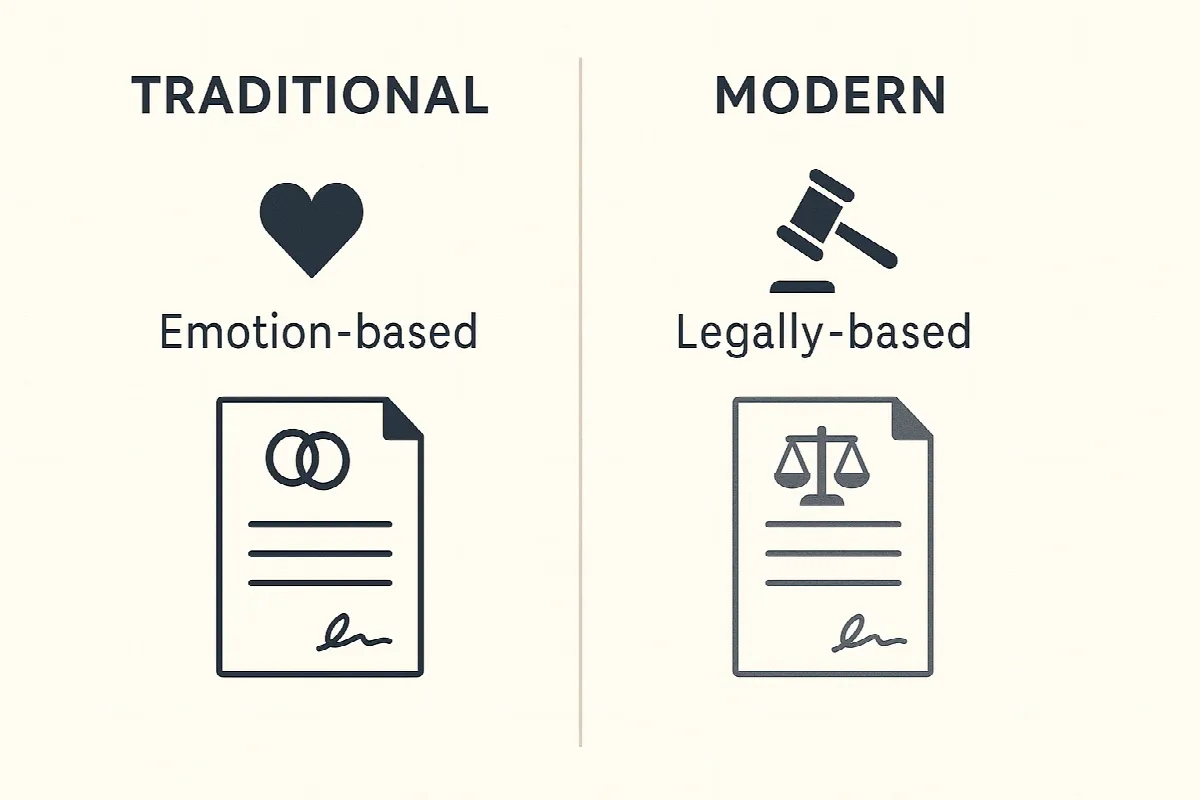
Cultural differences still shape how prenups are perceived. In more conservative families, the idea of signing a legal agreement before marriage can feel like an admission of doubt or distrust.
“Some cultures may see this as a betrayal of what a marriage is supposed to be,” Hugo said. “But the beauty of a prenup is that it’s entirely customisable. It can reflect any cultural or religious values the couple deems important.”
Yet younger couples, especially those from dual-nationality backgrounds or raised in more globalised environments, are seeing prenups in a new light.
“Couples are beginning to realise that love and legal planning are not mutually exclusive,” said Rania F., a licensed marriage and family therapist based in Dubai. “A prenup doesn’t mean you expect a divorce, it just means you’re mature enough to talk about money, expectations, and personal boundaries before problems arise.”
Rania noted that more clients are now asking about prenups during premarital counselling, particularly when one partner owns a business, has children from a previous marriage, or carries significant debt.
This trend aligns with the UAE’s growing focus on supporting entrepreneurs and business owners who need clear legal frameworks to protect their professional and personal assets.

How Prenups Fit Within UAE’s Broader Legal Framework
The acceptance of prenuptial agreements in the UAE aligns with broader legal reforms affecting expatriate families. The country’s new Personal Status Law has introduced significant changes to marriage and custody rights, whilst recent legal profession regulations have established clearer frameworks for family law practitioners.
For couples considering prenups, it’s worth understanding how these agreements might interact with other legal documents. Many expatriates also need to consider creating local wills to protect their assets and clarify inheritance matters.
Understanding the broader context of UAE family law can help couples make informed decisions about prenuptial agreements and other legal protections. Additionally, accessing free legal help when needed can provide valuable guidance throughout the process.
The Path Forward for UAE Couples
As the UAE continues to position itself as a global hub for international families, prenuptial agreements represent just one facet of evolving family law practices. Legal experts anticipate that these agreements will become increasingly common as more couples recognise their practical benefits.
The conversation around prenups also reflects broader changes in how couples approach financial planning and relationship management. Rather than being seen as preparation for failure, they’re increasingly viewed as responsible planning tools that can actually strengthen relationships by encouraging open communication about finances and expectations.
For couples considering a prenup in the UAE, legal experts recommend consulting with family law specialists who understand both local regulations and international considerations, particularly for expatriate families with assets in multiple countries.
Given the UAE’s evolving legal landscape and enhanced legal profession standards, couples have access to increasingly sophisticated legal advice and services to help them navigate these important decisions.
Key Takeaway: Prenuptial agreements in the UAE have become more accessible and legally sound following recent civil marriage reforms. Rather than indicating distrust, they’re increasingly viewed as responsible financial planning tools that can protect both partners and reduce conflict if relationships end. For expatriate couples especially, prenups offer clarity and protection in a complex legal landscape.
Further Reading
- UAE Personal Status Law 2025: Major Reforms in Marriage and Custody Rights
- UAE Divorce Laws: Travel Bans and Debt Recovery Challenges Explained
- Why UAE Expats Need a Will: Legal Experts Warn of Potential Complications
- UAE Family Law 2025: Complete Guide to New Custody and Rights Changes
- Free Legal Help in the UAE: 4 Ways to Get Pro Bono Support
- UAE Employment Contract Guide: 10 Essential Checks Before Signing
- Maximize Your Financial Planning in the UAE with Expert Expatriate Support Services
The UAE week, every Monday
The week's stories on jobs, visas, money and daily life in one short email. Unsubscribe in one click.