UAE Court Orders Landlord to Pay Dh125,000 in Rental Property Dispute
Al Ain Court rules landlord must repay Dh125,000 after taking rent money but failing to deliver property keys. UAE tenant rights protection case.
By Vadim Kouznetsov, published

Key Takeaway: Al Ain Court ruled in favour of a tenant who paid Dh125,000 annual rent but never received property keys, demonstrating that UAE courts protect tenants even in informal rental arrangements when payment evidence exists.
A recent court ruling in Al Ain highlights important protections for tenants in the UAE rental market. The Al Ain Court for Civil, Commercial, and Administrative Claims ordered a property owner to repay Dh125,000 to a prospective tenant after failing to deliver a residential property despite receiving full payment.
Case Background and Timeline
The dispute centred around a rental agreement worth Dh125,000 annually. The plaintiff transferred the full amount to the homeowner’s minor son’s bank account, following specific instructions from the property owner. However, the landlord never provided access to the property as agreed.
According to court documents reported by local media Emarat Al Youm, the situation escalated when the defendant completely denied the existence of any rental arrangement after receiving the payment.
Court Proceedings and Evidence
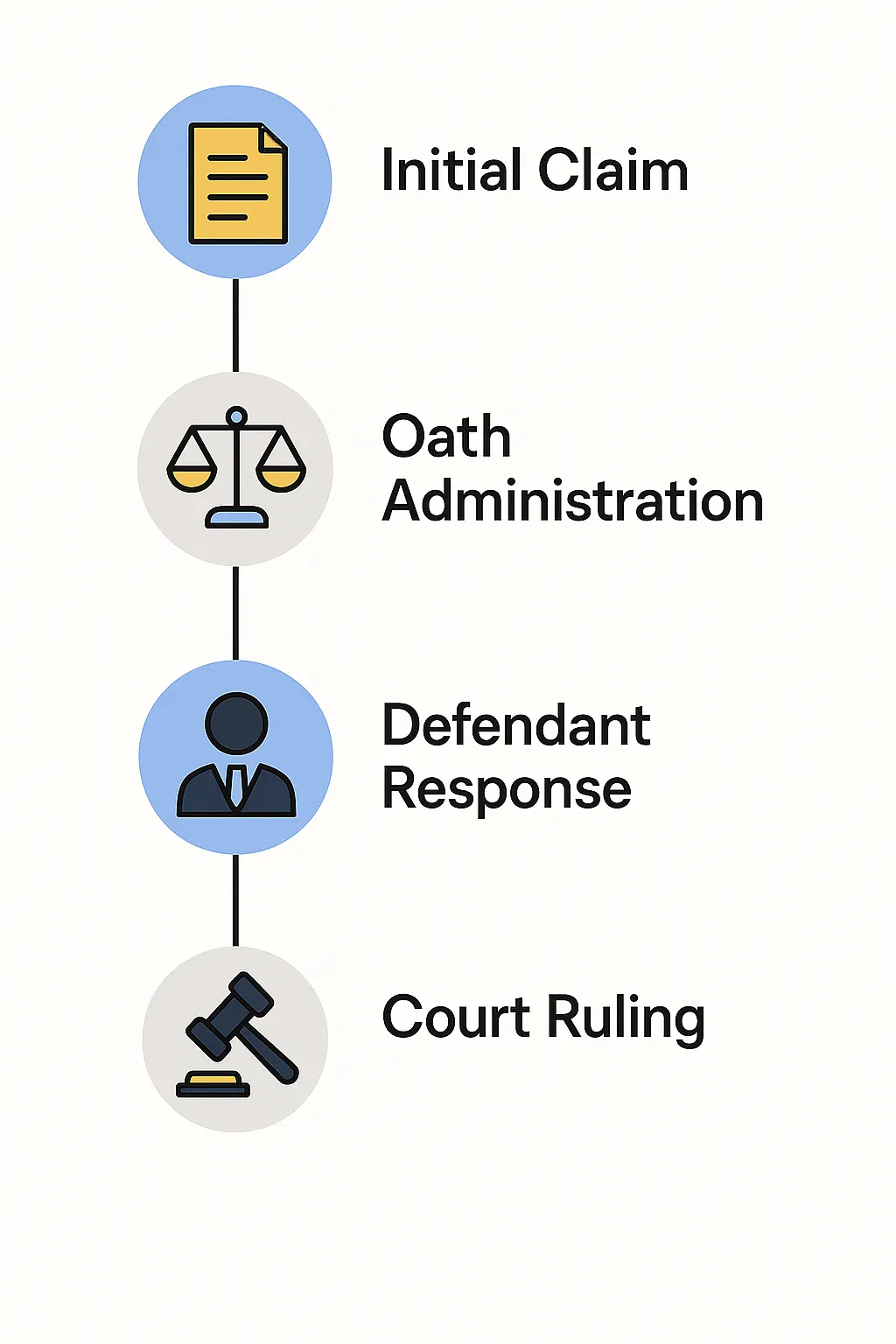
The case proceeded through several key stages that demonstrate how UAE courts handle rental disputes:
Initial Claims
The plaintiff filed a lawsuit seeking recovery of the transferred amount, providing evidence of the bank transfer to the homeowner’s son’s account based on the father’s direct instructions.
Oath Administration Process
The court prepared to administer a decisive oath to the defendant, requiring him to swear: “I swear by Almighty God that I do not owe the plaintiff the amount of Dh125,000, and God is my witness to what I say.”
The defendant’s failure to attend this crucial hearing proved pivotal to the case outcome.
Defendant’s Response
When the case resumed, both parties appeared for questioning. The plaintiff clarified that their arrangement constituted a promise to rent rather than a formal rental contract.
The defendant maintained there was no rental relationship and claimed the money never entered his account. However, he acknowledged the plaintiff’s claim and requested to pay the amount in instalments due to financial difficulties.
Court’s Legal Analysis
The Al Ain Court based its decision on several critical factors:
Acknowledgment of Debt: The defendant’s request to repay the money in instalments constituted an acknowledgment of the debt, even whilst denying the rental relationship.
Failure to Take Oath: The defendant’s absence during the oath session was interpreted as unwillingness to swear under oath, supporting the plaintiff’s position.
Lack of Explicit Denial: The court noted that the defendant had not explicitly denied the plaintiff’s claims or the submitted evidence.
Final Ruling and Implications
The court ordered the defendant to pay Dh125,000 to the plaintiff in his dual capacity:
- As an individual
- As legal guardian of his minor son (since the money was transferred to the child’s account)
Additionally, the court required the defendant to cover all court fees and legal expenses.
Legal Protections for UAE Tenants
This case demonstrates several important aspects of tenant protection in the UAE:
Evidence Documentation
Bank transfer records proved sufficient evidence to support the plaintiff’s claim, even without a formal rental contract.
Informal Arrangements
The court recognised the validity of a “promise to rent” arrangement, showing protection extends beyond traditional lease agreements.
Account Transfer Requirements
The practice of requesting payment to third-party accounts (including minors) does not absolve the actual property owner of responsibility.
Red Flags for Rental Transactions
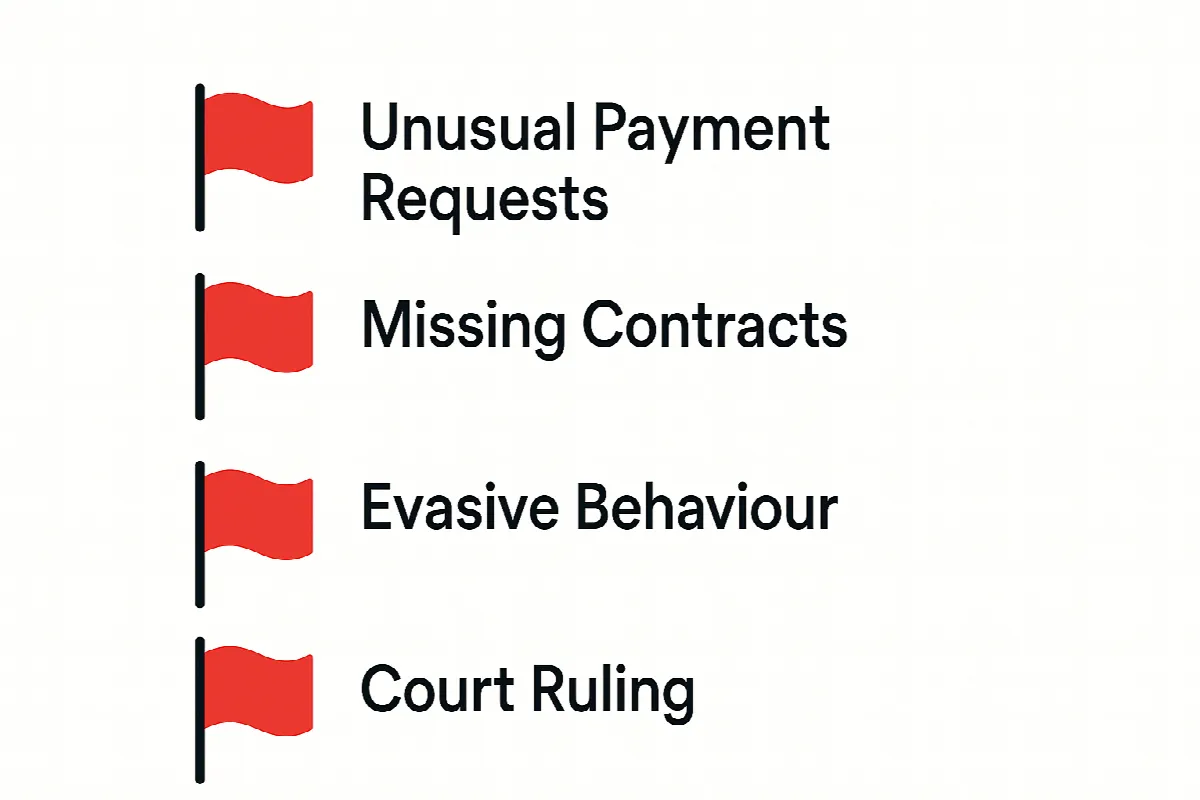
This case highlights several warning signs for prospective tenants:
Unusual Payment Instructions: Requests to transfer money to accounts other than the property owner’s name, particularly to minors.
Absence of Formal Documentation: Lack of proper rental contracts or official documentation.
Evasive Behaviour: Property owners who avoid meeting in person or providing keys after receiving payment.
Denial After Payment: Landlords who deny arrangements after receiving money.
Best Practices for Rental Agreements
To avoid similar disputes, tenants should:
Insist on Formal Contracts: Always demand written rental agreements before making any payments.
Verify Account Ownership: Pay only to accounts in the property owner’s name or verified property management companies.
Document All Communications: Keep records of all discussions, agreements, and payment instructions.
Conduct Property Inspections: Visit and inspect properties before making any financial commitments.
Use Secure Payment Methods: Opt for traceable payment methods that provide clear transaction records.
Legal Recourse Options
The case shows that UAE courts provide several avenues for tenant protection:
Civil Courts: Handle rental disputes and can order compensation for financial losses.
Evidence Standards: Accept bank records and other documentation as valid proof of transactions.
Oath Procedures: Provide mechanisms to test the credibility of defendants’ claims.
Comprehensive Remedies: Can order both principal amounts and additional costs including legal fees.
Understanding UAE Rental Market Dynamics
This ruling occurs within the context of the UAE’s evolving rental market, where tenant rights and landlord obligations continue to develop through legislation and court precedents.
The decision reinforces that UAE courts prioritise evidence-based decision making and protect parties who can demonstrate legitimate financial losses, regardless of the formality of agreements.
Conclusion
The Al Ain Court’s ruling sends a clear message about tenant protections in the UAE. Even in cases involving informal rental promises rather than traditional contracts, courts will enforce repayment when evidence supports legitimate claims.
For tenants, this case underscores the importance of maintaining detailed records of all rental transactions and communications. For landlords, it demonstrates the legal risks of accepting payments without fulfilling corresponding obligations.
The ruling contributes to a growing body of UAE case law that strengthens tenant protections and establishes clear expectations for both parties in rental relationships.
Further Reading
Stay informed about UAE legal developments and tenant rights:
The UAE week, every Monday
The week's stories on jobs, visas, money and daily life in one short email. Unsubscribe in one click.