UAE Summer Heat Survival Guide: Beat 50°C Temperatures
Essential safety tips for UAE’s extreme summer heat. Learn to recognise heat stroke symptoms, stay hydrated, and protect vulnerable groups.
By Vadim Kouznetsov, published

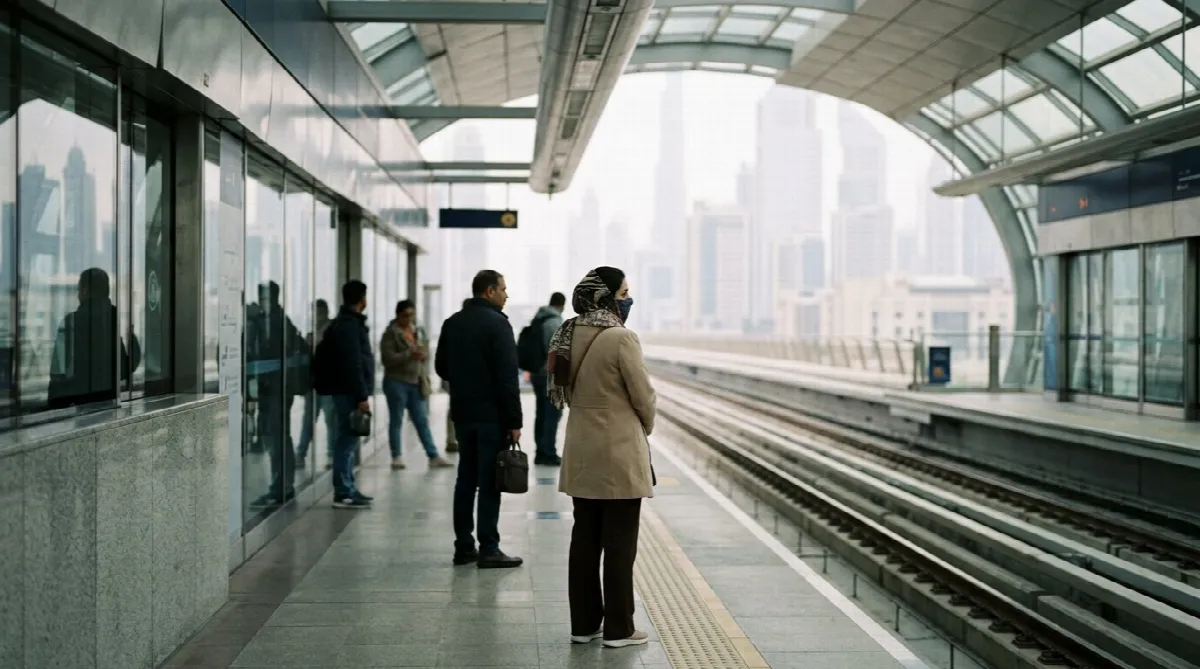
As UAE temperatures soar beyond 50°C this summer, protecting yourself from extreme heat becomes critical for health and safety. High humidity levels combined with scorching temperatures create dangerous conditions that affect everyone—from outdoor workers to families at home.
Summer in the UAE presents serious health risks. Prolonged exposure to extreme temperatures leads to dehydration, heat stroke, and respiratory complications, particularly affecting elderly residents, children, pregnant women, and those with chronic medical conditions.
Recognising Heat-Related Health Symptoms
Understanding early warning signs can prevent serious complications during extreme weather conditions. Watch for these critical symptoms:
Immediate attention required:
- Severe dehydration with excessive sweating
- Dizziness, lightheadedness, and nausea
- Skin blisters, rash, or frequent nosebleeds
- Muscle cramps and rapid heartbeat
- Accelerated breathing patterns
Severe symptoms demand immediate medical intervention. Contact emergency services without delay if these signs appear.
Essential Heat Protection Strategies
Clothing and Sun Protection Choose breathable, light-coloured fabrics that minimise sweat accumulation. Apply broad-spectrum sunscreen before outdoor exposure and wear protective headwear or carry umbrellas for additional shade.
Hydration and Nutrition Drink refreshing fluids regularly, including herbal teas like anise, mint, hibiscus, and green tea. Include water-rich fruits and vegetables in your diet to boost immunity against summer-related illnesses.
Activity Planning Avoid peak daytime heat to prevent fatigue and heat stroke. Schedule outdoor activities during cooler morning or evening hours. Exercise for 150 minutes weekly but only during favourable weather conditions.
Understanding UAE Heatwaves
The Ministry of Health and Prevention explains that heatwaves occur when temperatures exceed normal averages for several consecutive days. Simple temperature rises don’t constitute heatwaves—they represent sustained periods of extreme heat trapped in the atmosphere.
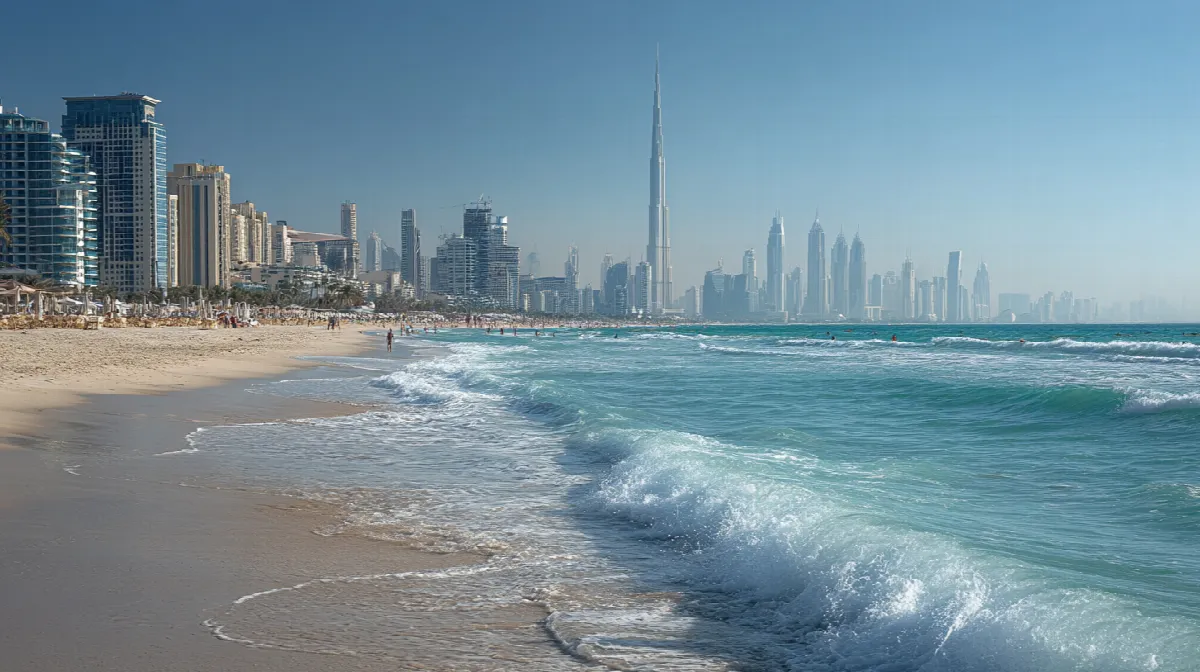
Higher humidity levels intensify the feeling of heat beyond actual temperatures. Coastal areas like Dubai and Abu Dhabi experience this effect more intensely, making temperatures feel significantly hotter than inland regions.
Most vulnerable groups include:
- Pregnant women and infants
- Children and elderly residents
- Outdoor workers and delivery staff
- People with chronic medical conditions

Heatwave Preparation and Safety Measures
Home Preparation Monitor weather forecasts regularly and stay informed about temperature predictions. Utilise fans and air conditioning systems effectively. Maintain a home first aid kit containing oral hydration salts, thermometer, cooling cloths, water bottles, and battery-operated sprayers.
Block sunlight during peak hours using curtains or shades. Open windows at night for ventilation and natural cooling.
Personal Safety Kit Create a guidebook covering heat stress symptoms recognition and treatment. Record contact information for nearest health centres and ambulance services. Carry a small, damp cloth for neck cooling and drink water frequently throughout the day.
Pregnancy and Summer Heat Safety
Expectant mothers face increased vulnerability during heatwaves. Follow these specific precautions:
- Wear lightweight, sweat-absorbing clothing
- Carry cold water bottles for constant hydration
- Avoid daytime exercise—consult doctors for suitable activities
- Apply sunscreen to prevent burns and skin irritation
- Minimise direct sun exposure to avoid excessive fatigue
- Consume water-rich fruits and vegetables regularly
- Sleep eight hours nightly in air-conditioned environments
Heat Stroke Prevention and Treatment
Prevention Strategies Wear light cotton clothing to reduce sweating. Time outdoor activities appropriately and apply sunscreen before leaving home. Maintain proper hydration levels and eat cooling foods like watermelon and cucumber.
Emergency Response If heat stroke symptoms develop, take immediate action:
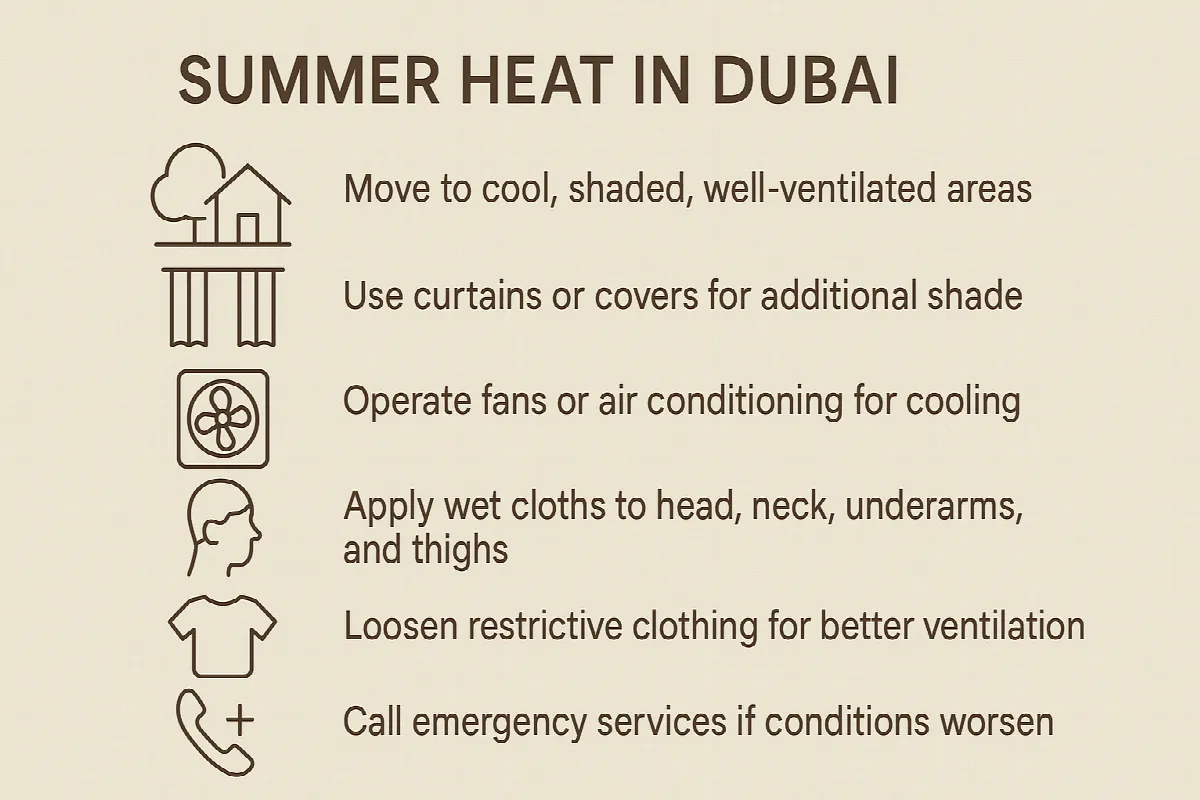
- Move to cool, shaded, well-ventilated areas
- Use curtains or covers for additional shade
- Operate fans or air conditioning for cooling
- Apply wet cloths to head, neck, underarms, and thighs
- Loosen restrictive clothing for better ventilation
- Call emergency services if conditions worsen
Dust Storm Safety Protocols
Dust storms frequently occur during UAE summer months, carrying pollutants and irritants harmful to respiratory health.
Protection Measures:
- Limit unnecessary outdoor activities
- Wear N95 masks when outside—dust storms trigger allergies, throat irritation, eye discomfort, and respiratory problems
- Use protective eyewear against harmful UV rays
- Follow prescribed medication schedules strictly
- Carry emergency inhalers if you have asthma or respiratory conditions
High-risk groups requiring extra caution:
- Asthma patients
- Elderly residents
- Children
- People with autoimmune diseases
- Those with existing respiratory conditions
Hydration and Monitoring Drink water regularly to prevent dehydration-related complications like fatigue, dizziness, and heat stroke. Check weather conditions frequently to plan appropriate activities and protective measures.
Key Takeaway
UAE summer temperatures exceeding 50°C create serious health risks requiring proactive prevention strategies. Recognise early heat-related symptoms, maintain proper hydration, time outdoor activities wisely, and prepare your home with cooling systems and emergency supplies. Vulnerable groups—including pregnant women, children, elderly residents, and outdoor workers—need extra protection during extreme weather conditions. When heat stroke symptoms appear, seek immediate medical attention and apply emergency cooling measures.
Stay informed about UAE summer working conditions and employee safety regulations at JobXDubai.
The UAE week, every Monday
The week's stories on jobs, visas, money and daily life in one short email. Unsubscribe in one click.