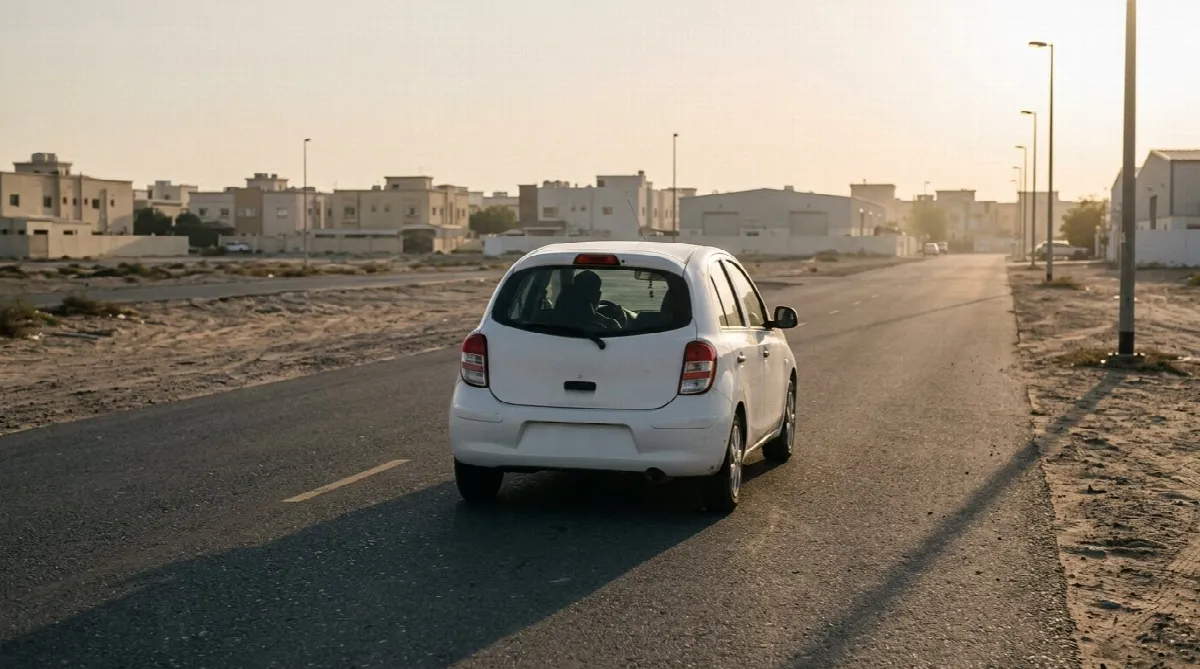
Trump Tariffs: UAE, Middle East, Africa to Have More Chinese Cars
New US tariffs redirect Chinese cars to MENA where market share will triple to 34% by 2030, bringing lower prices and advanced technology to UAE consumers.
By Vadim Kouznetsov, published
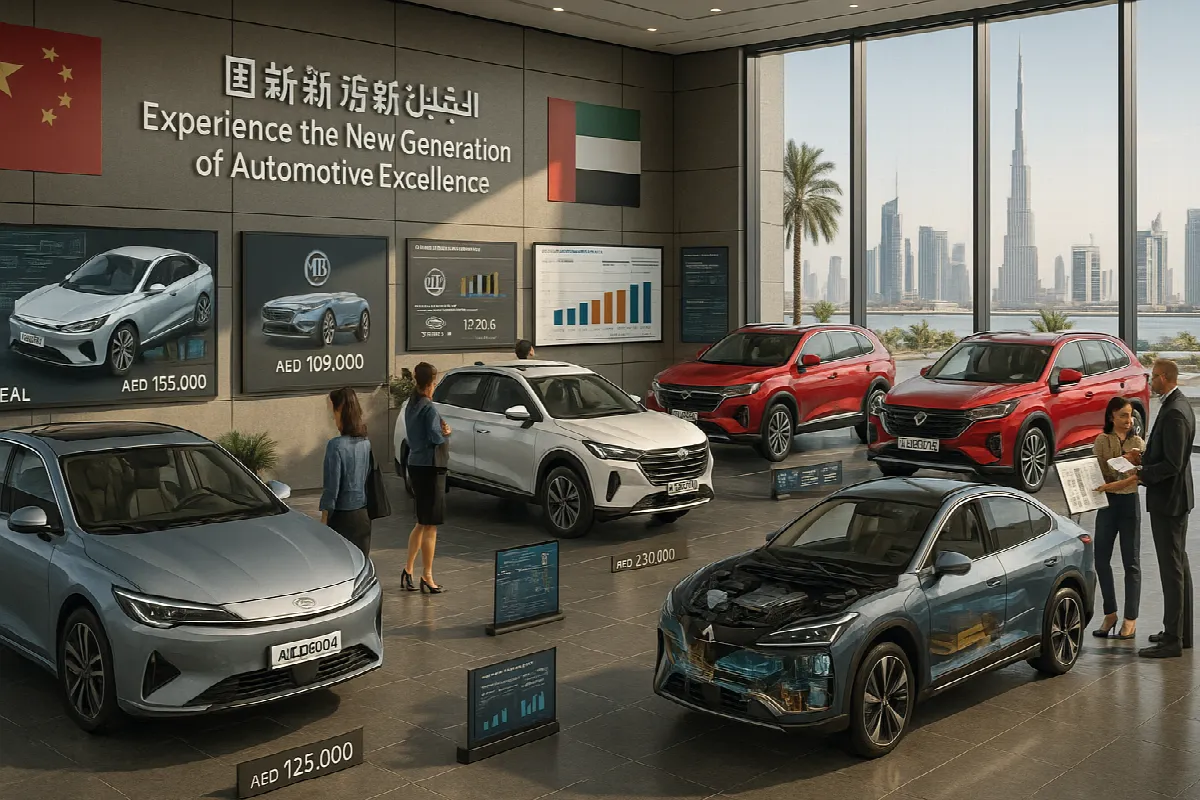
Chinese automotive presence in the MEA region predicted to triple by 2030 despite global tariff tensions
2 May 2025
Key Takeaway
Trump’s tariffs on Chinese imports are redirecting vehicle exports to the Middle East and Africa, where Chinese car market share is projected to surge from 10% to 34% by 2030. UAE consumers may benefit from lower prices and increased availability as manufacturers seek alternative markets.
Chinese Car Exports Surge Despite Global Tariff Storm
Chinese-made cars in the Middle East and Africa (MEA) region are projected to increase three-fold in the coming years, with market share expected to grow to 34% by 2030—a dramatic jump from just 10% in 2024, according to analysis by New York-based consulting firm AlixPartners.
This shift comes as China continues to strengthen its position in the global automotive export market, even amid increasing international tariff pressures, particularly from the United States.
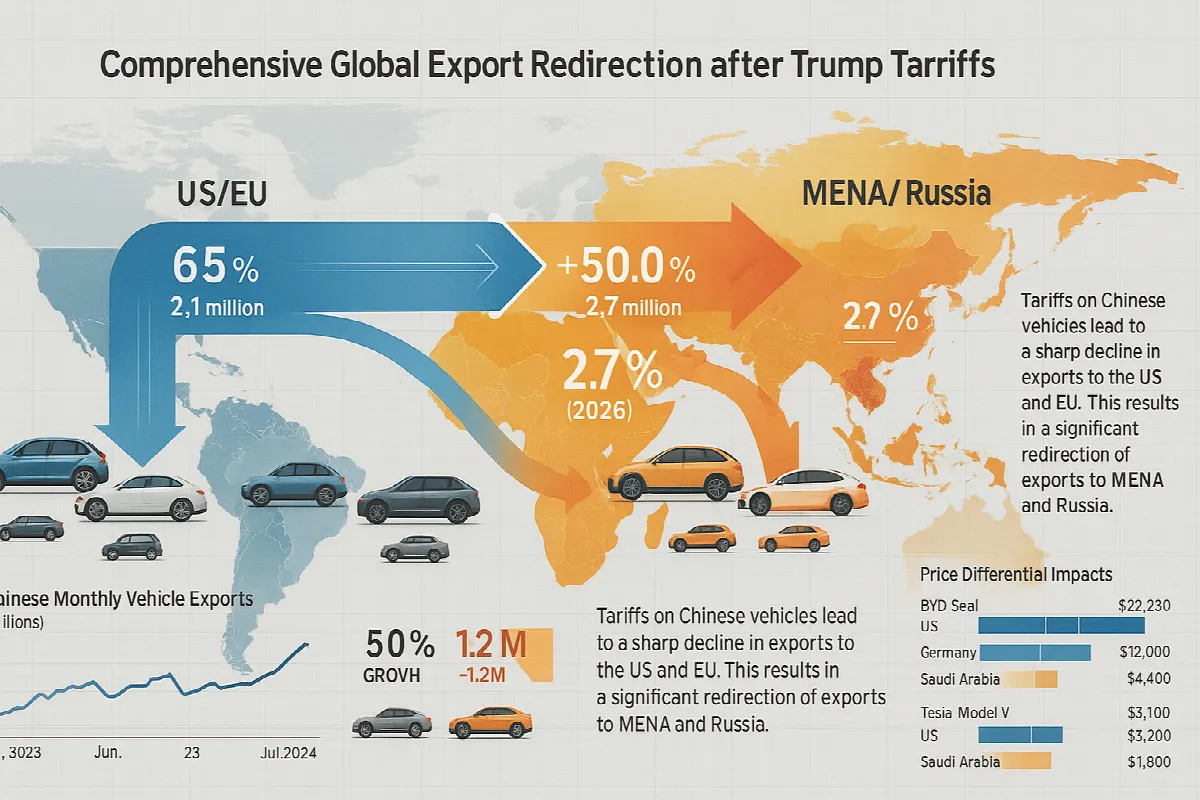
“The MEA region and Russia will hold the highest share of vehicles produced by the Asian country, outside of China, Russia, and Belarus by the end of the decade,” the AlixPartners report stated. “Russia and the Middle East together accounted for 35% of China-origin vehicle exports in 2024, surpassing the combined shipments to Europe and North America for the first time.”
The firm’s analysis shows that Chinese exports grew by 23% to 6.4 million passenger vehicles in 2024—more than 50% above second-ranked Japan. This growth trajectory appears set to continue despite mounting trade barriers.
Trump’s Tariff Impact: Redirection Rather Than Reduction
On 2 April 2025, US President Donald Trump announced sweeping tariffs across global imports, with particularly harsh measures aimed at Chinese goods. While these tariffs have triggered market uncertainty worldwide, their effect on Chinese automotive manufacturers appears to be more about market redirection than overall reduction.
“Tariffs issued by the US and other countries will have a muted impact on the Chinese automotive industry,” the AlixPartners report noted. “Although recent tariffs from the US and other countries will increase the cost of China’s vehicle and auto components exports by about 24%, or $46 billion, this represents only about 3.8% of China’s total auto-industry production value.”
This relatively modest impact on total production suggests Chinese manufacturers are well-positioned to adapt by redirecting exports to more receptive markets—with the Middle East and Africa positioned as primary beneficiaries.
MENA Tariff Structure: Who’s Affected and How
The tariff picture across the Middle East and North Africa reveals significant variation in how different countries are affected. While many Gulf states face the baseline 10% tariff, other countries in the region face considerably higher rates:
| Country | US Tariff Rate | Impact Level |
|---|---|---|
| UAE | 10% | Low |
| Saudi Arabia | 10% | Low |
| Jordan | 10%* | Moderate |
| Egypt | 10% | Low |
| Algeria | 30% | High |
| Israel | 10%* | Moderate |
| Tunisia | 28% | High |
The varied tariff landscape across MENA countries creates different market conditions, with some nations potentially becoming more attractive destinations for redirected Chinese automotive exports.
UAE Market Outlook: Potential Price Decreases and Increased Supply
For consumers in the UAE, the redirection of Chinese automotive exports could bring unexpected benefits. Market analysts suggest that vehicle prices—particularly those originating from China—might decrease as manufacturers seek new markets for inventory that would previously have been shipped to the US.
“Motorists might further adopt more Chinese cars since there is a possible chance of lowering car prices as larger inventories of cars will be displaced in markets like the UAE,” observed Rahul Singh, Managing Director of the Car Rental Division at Dollar and Thrifty UAE.
He explained: “With approximately 7 to 8 million vehicles exported by various countries into the US annually, not all of these units will be absorbed domestically due to tariff-related restrictions. As a result, global automakers are likely to seek alternative markets for these displaced vehicles, and the GCC region—particularly the UAE—is well-positioned to benefit.”
Impact on Different Regional Economies
The tariff situation creates varying challenges and opportunities across different MENA economic profiles:
Oil Exporters: Indirect Pressure
While energy exports from MENA countries have been exempted from US tariffs, broader implications of a potential global trade slowdown are affecting the region’s oil-exporting economies. A deceleration in global industrial activity could weaken demand for crude oil and refined products.
This presents fiscal challenges for countries such as Saudi Arabia, whose budget breakeven oil price is estimated at around $96 per barrel. The UAE maintains a significantly lower breakeven threshold at approximately $57 per barrel, affording it greater economic resilience in the short term.
Oil Importers: Caught in Crosswinds
For oil-importing economies like Egypt, Jordan, and Morocco, the risks are reversed but no less significant. These countries, already grappling with inflationary pressures and external debt constraints, may face increased import costs if market volatility affects energy prices.
Chinese Automotive Technology Advantage
As Chinese automakers continue to gain traction in the Middle East, they bring advanced technological offerings that are proving attractive to consumers in the region.
“Customers appreciate the competitive pricing and high technology content of Chinese vehicles,” said Alessandro Missaglia, Partner & Managing Director at AlixPartners. “These brands are steadily gaining ground on established players, a trend expected to accelerate with the gradual shift toward electric vehicles (EVs).”
The report noted that advanced driver-assistance system (ADAS) Level 2 and above features were included on almost 60% of passenger-vehicle sales in China last year, compared with fewer than 40% in the US.
Outlook: Chinese Manufacturers’ Regional Strategy
As Chinese automakers continue to advance in intelligent-driving technologies and electric vehicles, the Middle East is set to play an increasingly strategic role in their global growth ambitions.
“The region’s appetite for innovation, coupled with its investments in future mobility and sustainability, positions it as a key destination for next-generation automotive solutions,” the AlixPartners report stated.
The growing alignment between Chinese brands’ offerings and Middle Eastern market needs is expected to drive deeper partnerships, technology adoption, and competitive intensity across the automotive landscape in the coming years.
The growth of the Chinese automotive industry will also be supported by domestic demand in China, which is expected to grow by 4% in 2025, reaching 26.8 million units. This is driven by rapid adoption of electric vehicles, increasingly with intelligent-vehicle features such as autonomous-driving systems.
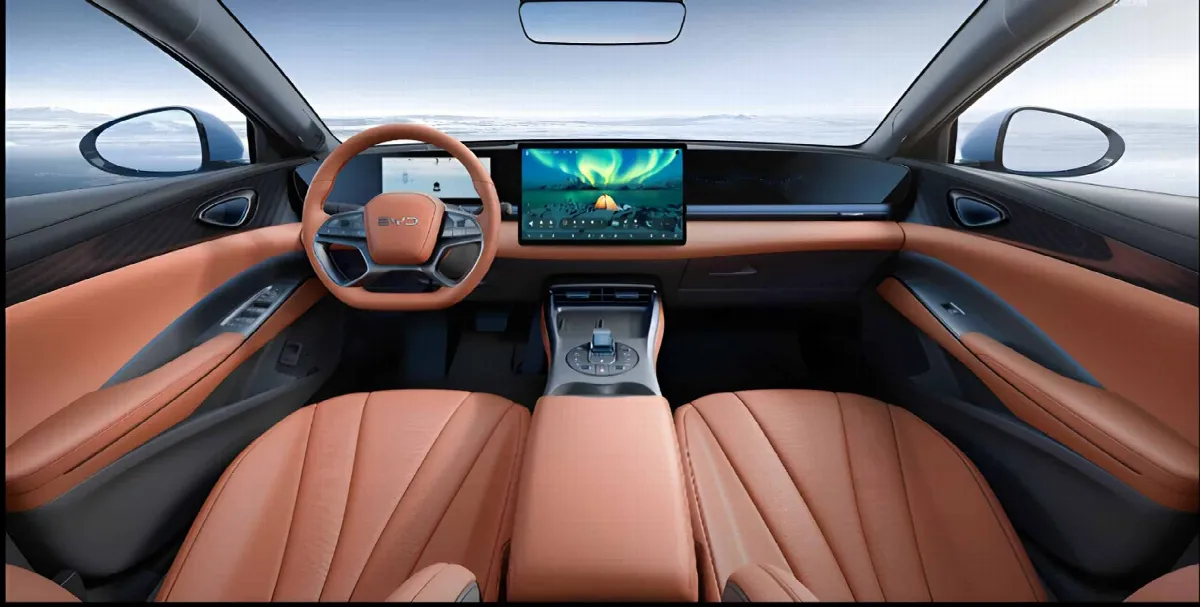
Chinese Automotive Brands Making Inroads in the Region
Several Chinese automotive brands have already established a significant presence in the Middle East and are poised to expand further:
| Brand | Key Models | Market Presence |
|---|---|---|
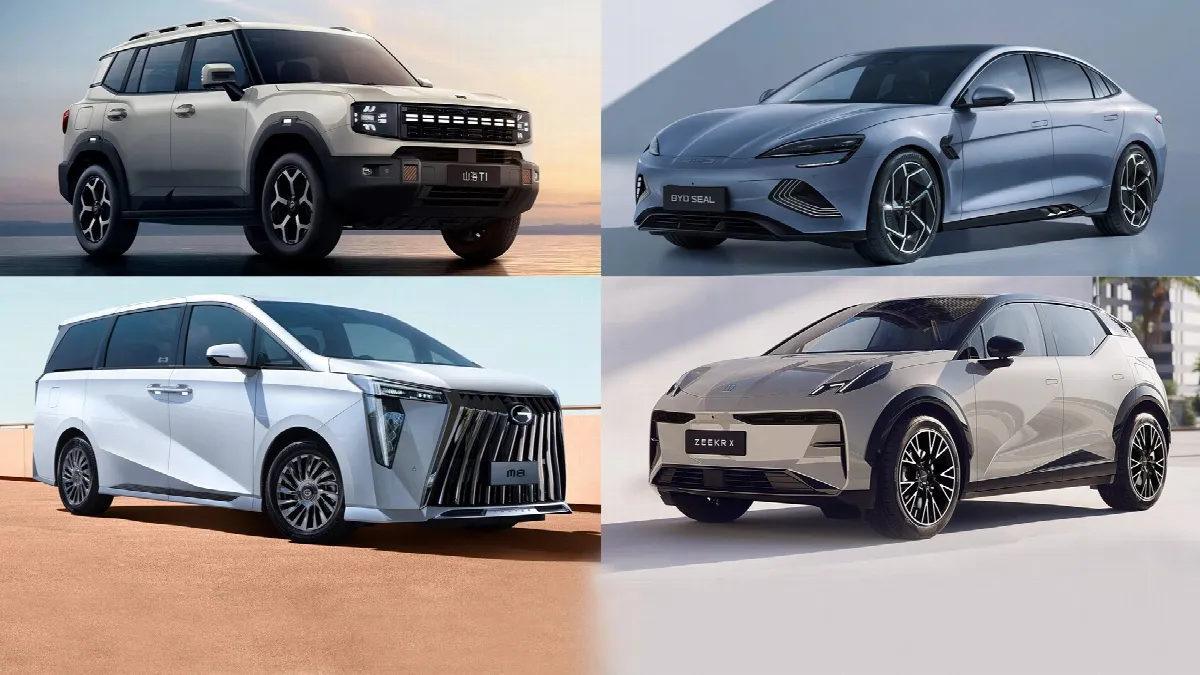
| BYD | Atto 3, Han, Tang | Strong |
| Chery | Tiggo 7 Pro, Arrizo | Established |
| Geely | Coolray, Azkarra | Growing |
| MG (SAIC) | HS, ZS, MG5 | Established |
| GAC | GS8, GS3 | Emerging |
| NIO | ES6, ET7 | Entering |
Industries Facing Tariff Challenges
Beyond the automotive sector, several key industries in the Gulf region are navigating the new tariff environment:
Aluminium
Gulf aluminium producers, led by Emirates Global Aluminium (EGA) in the UAE and Aluminium Bahrain (ALBA), have been key suppliers to the US market. With a 10% tariff now in place, Gulf aluminium finds itself in a precarious position—still competitive, but no longer at an advantage. Producers are likely to diversify efforts, focusing on Europe and Asia while shifting toward more high-value products.
Petrochemicals
The Gulf’s petrochemical giants, such as Saudi Aramco, SABIC, and QatarEnergy, seem partially insulated. However, the real issue is potential demand destruction—if US manufacturers face higher costs for raw materials, their reduced output could weaken demand for Gulf exports.
Pharmaceuticals
Saudi Arabia and the UAE’s emerging pharmaceutical industry could see growth plans affected by tariff-induced export slowdowns. Regional pharmaceutical firms are adapting by exploring deeper ties with African and South Asian markets, where demand for cost-effective medicines continues to rise.
Frequently Asked Questions
Q: How will Trump’s tariffs affect car prices in the UAE?
A: Contrary to typical tariff effects, car prices in the UAE might actually decrease, particularly for Chinese-manufactured vehicles. As these vehicles get redirected from US markets due to high tariffs, increased supply in the UAE market could drive competitive pricing.
Q: Which countries in the MENA region are most affected by Trump’s tariffs?
A: Countries with high tariff rates include Algeria (30%), Tunisia (28%), and previously Jordan (20%, now reduced to 10%). Gulf states like the UAE and Saudi Arabia face the baseline 10% tariff rate, putting them in a relatively advantageous position.
Q: Are electric vehicles (EVs) from China likely to increase in the region?
A: Yes, Chinese EV manufacturers are expected to accelerate their presence in the Middle East as they seek alternative markets to the US. The region’s growing interest in electric mobility aligns with Chinese manufacturers’ strengths in this segment.
Q: Will the tariffs affect oil exports from the Middle East?
A: Oil, gas, and refined products are exempt from the new US tariffs. However, if tariffs lead to broader economic slowdowns globally, this could indirectly impact oil demand and prices, affecting MENA oil exporters.
Q: How are Chinese car manufacturers responding to the tariff situation?
A: Chinese manufacturers are redirecting exports to alternative markets like the Middle East and Africa, accelerating technology development (particularly in EVs and intelligent driving features), and strengthening domestic market growth to offset potential export challenges.
Q: What advantages do Chinese cars offer Middle Eastern consumers?
A: Chinese vehicles increasingly offer competitive pricing combined with advanced technology features, particularly in areas like driver assistance systems and electric powertrains. Many models now include ADAS Level 2 and above features that were previously only available in premium European and American vehicles.
Conclusion: Reshaping Regional Automotive Landscape
Trump’s tariffs on Chinese imports are reshaping global trade flows, with significant implications for the Middle East and African automotive markets. While intended to protect American industries, these measures appear to be accelerating Chinese automotive penetration in the MENA region.
For consumers in markets like the UAE, this redirection of Chinese exports presents potential benefits through increased competition, lower prices, and greater availability of technologically advanced vehicles. As Chinese manufacturers continue to gain traction in the region, established automotive players will face growing pressure to adapt their strategies and offerings.
The coming years will likely see Chinese automotive brands become increasingly prominent features on Middle Eastern roads, as what was intended as a protective measure for US industry inadvertently strengthens China’s position in alternative global markets.
Additional Reading Material
The UAE week, every Monday
The week's stories on jobs, visas, money and daily life in one short email. Unsubscribe in one click.