Trump Tariffs: Impact on UAE Car Prices and Market Shifts in 2025
Discover how Trump’s 25% tariffs might affect UAE car prices, with experts divided on whether costs will rise or fall as manufacturers seek new markets.
By Vadim Kouznetsov, published

The UAE automotive market faces potential shifts following the implementation of new tariffs by US President Donald Trump. Industry experts predict varying impacts on car prices, with some suggesting increases while others foresee potential benefits for GCC markets.
Mixed Outlook for UAE Car Buyers
“This will fuel a price increase not just in the UAE but across the world,” warns Shah Bashrat, an automotive industry expert with over 30 years of experience. “Many top car manufacturers have plants in the US and these new tariffs will impact them.”
Trump announced 25 percent tariffs on all cars shipped to the US. These tariffs apply not only to foreign-made vehicles but also to car parts, including engines and transmissions—measures expected to be fully implemented by May 3.
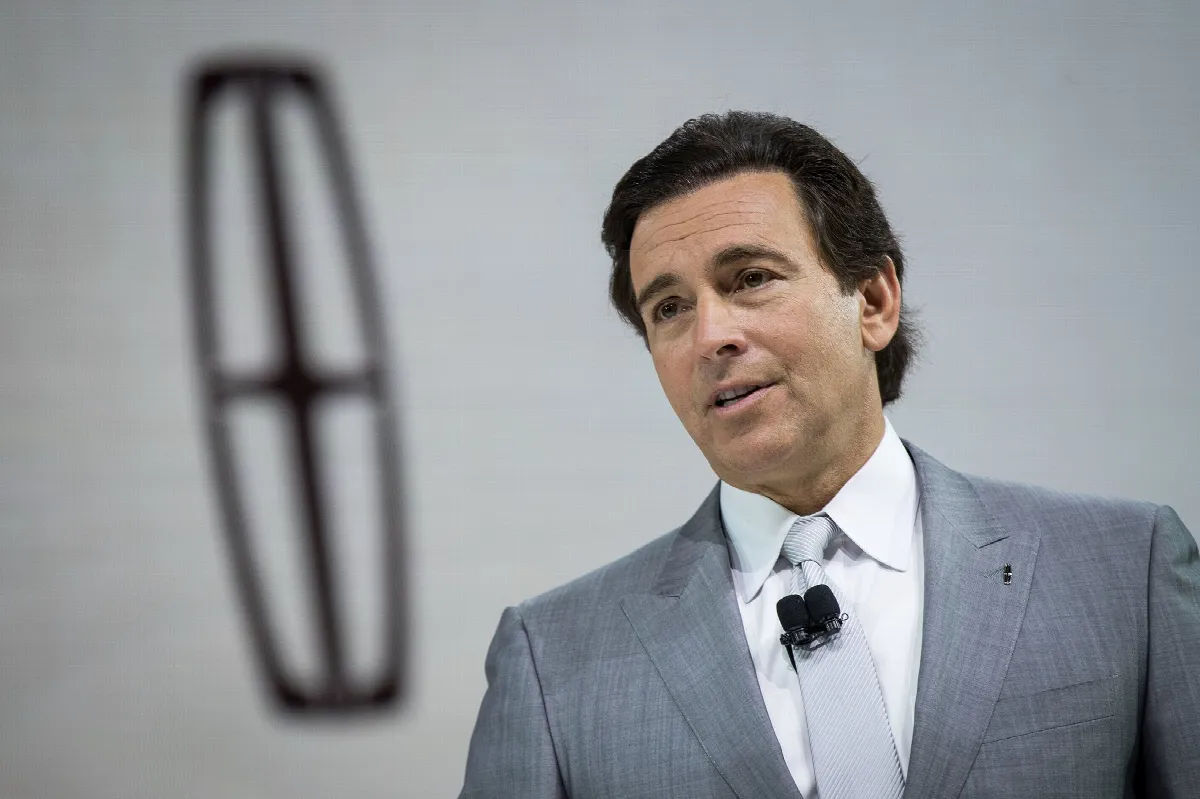
Former Ford CEO Mark Fields supported this assessment in a CNN interview, stating that “every single vehicle would become more expensive.”
Luxury and American Cars Expected to See Price Hikes
For specialty dealers like Ifthikar Aly, Founder and MD of Kandy Cars, which imports second-hand American muscle cars to the UAE, the outlook is clear. “The price of the vehicles we specialise in will likely increase, albeit after a few months,” he explained.
“The tariffs will also increase costs for US-manufactured vehicles that rely on internationally sourced components. American specification vehicles from non-US-based manufacturers like Lexus, BMW and Mercedes may experience price increases ranging from 10 to 15 percent.”
Aly predicts a rush of consumers looking to purchase vehicles sooner rather than later to avoid these additional costs.
Potential Benefits for UAE Market
However, not all experts foresee negative outcomes. Rahul Singh, Managing Director of the Car Rental Division at Dollar and Thrifty UAE, presents a more optimistic view, suggesting the UAE’s automotive landscape is “entering a period of opportunity” with potentially lower prices, better availability, and intense competition.
“Unlike the US, where tariffs will directly increase costs, the UAE is more likely to see stable or even lower car prices,” Singh explained. “The tariffs will disrupt global automotive supply chains, forcing major manufacturers to find new markets for cars. Since production lines cannot be adjusted overnight, these vehicles must go somewhere, and the GCC, including the UAE, is a strong contender.”
Singh suggests that if manufacturers redirect excess inventory from the US to alternative markets like the UAE, this could create an abundance of vehicle availability and help stabilise or even lower prices.
Supply Chain Disruptions and New Opportunities
Abhinav Gupta, CEO of CARS24 in the Gulf region, expects the auto sector in the GCC to “largely remain on the safe side for customers,” though he cautions about potential disruptions to the global supply chain.
“The Chinese EV car market will experience some potential fluctuations, so the next few months will be crucial to assess consequences,” Gupta noted.
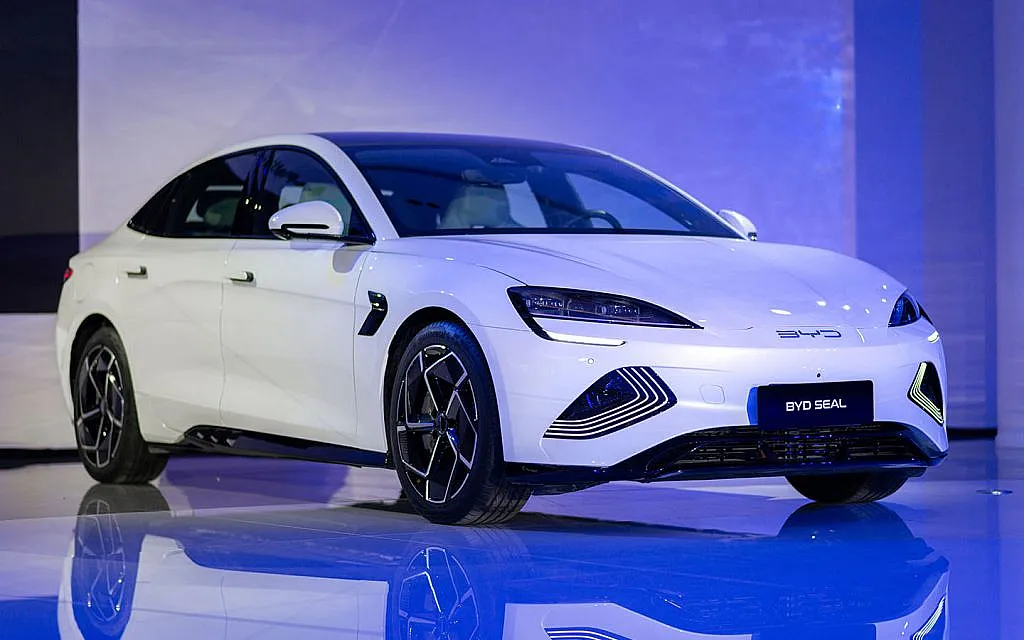
He anticipates some delays in the availability of spare parts and new car models from countries affected by tariffs but also sees fresh possibilities. “The tariffs will also open an opportunity for cars produced in Asia, especially China, to capture a higher market share in this region due to their competitive pricing and high-efficiency models.”
Global Realignment in Automotive Industry
The next six months will be pivotal in understanding how these tariffs reshape the global automotive landscape. Singh describes it as a “period of global realignment” as automakers scramble to redirect supply while adjusting production for the long term.
“Countries in the Middle East are focusing on trade talks, especially about tariffs, while major economies like China, Japan, and Korea are struggling with their manufacturing,” he stated. “This means the global supply chain may continue to face challenges. Additionally, there’s growing uncertainty around inflation and interest rates, creating a sense of instability.”
What This Means for UAE Residents
For UAE residents considering a vehicle purchase, the situation presents both challenges and possibilities:
- Potential price increases for American vehicles and luxury European models with US-manufactured components
- Possible price stability or decreases as manufacturers seek new markets
- Greater availability of Asian-manufactured vehicles, particularly from China
- Some delays in new model availability and spare parts
Industry experts recommend monitoring the market closely over the coming months as the full impact of these tariffs becomes clearer.
This article reflects market conditions as of April 2025. Prices and availability may vary based on global economic factors and trade negotiations.
Additional Reading Material
The UAE week, every Monday
The week's stories on jobs, visas, money and daily life in one short email. Unsubscribe in one click.