Dubai to Improve Beaches with New Facilities, Extensions to Bring in More Tourists
Dubai plans 400% expansion of public beaches with night swimming, floating bridges, and eco-tourism features like turtle sanctuaries to boost year-round tourism and enhance resident experiences.
By Vadim Kouznetsov, published
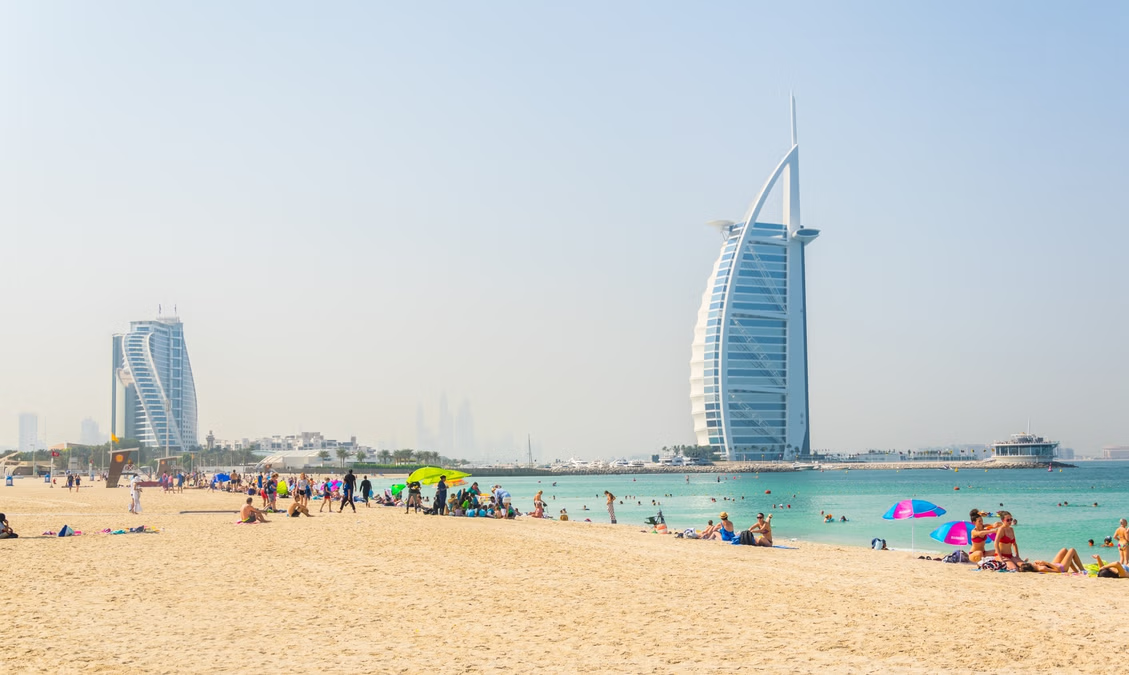
Key Takeaway
Dubai is transforming its coastline through multiple beach development projects including the 6.6km Jebel Ali Beach, upgraded Al Mamzar and Jumeirah beaches, and night swimming facilities—all part of a comprehensive plan to increase public beach length by 400% and strengthen Dubai’s position as a premier global beach tourism destination.
Dubai Beaches Set for Major Enhancement
Dubai is set to significantly upgrade its public beaches with new facilities and experiences as part of an ambitious development strategy to bolster tourism and enhance quality of life for residents.
“The project is based on the visitor experience. The experiences are different. The beaches we are used to are different from the past,” said Mohammed Ahli, Acting Director of Public Parks and Recreational Facilities Department at Dubai Municipality.
According to Ahli, the municipality has development plans to improve services in partnership with the private sector until 2029. “We support tourism throughout the year in our beaches. We want to enhance the attractiveness of the beaches as a global leader in tourism options. We want the coast to be inclusive for residents as well as tourists,” he added.
Night Beaches Prove Highly Successful
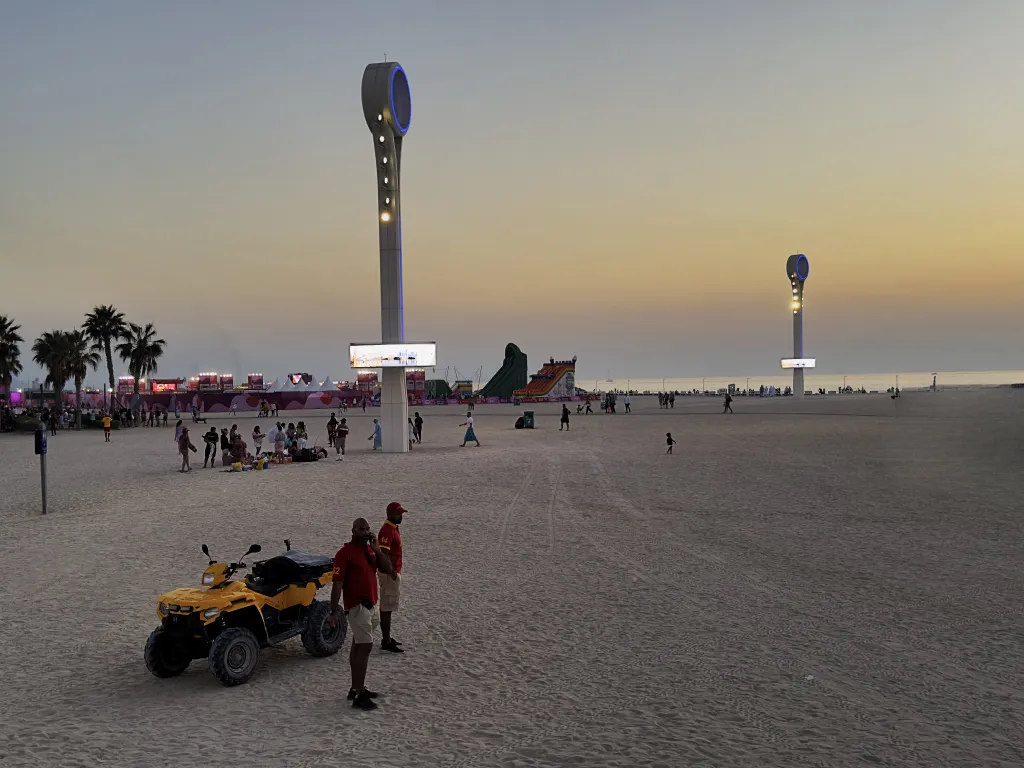
To maintain beach tourism momentum during the summer months, when scorching temperatures often deter beachgoers, Dubai introduced night beaches in May 2023. This innovative concept has proven remarkably successful, attracting 1.5 million visitors within just 18 months of launch, according to Dubai Municipality data from December 2024.
The night beach initiative forms part of Dubai’s strategy to create year-round attractions, addressing the seasonal challenges posed by the region’s climate and diversifying the emirate’s tourism offerings.
Master Plan for Public Beaches
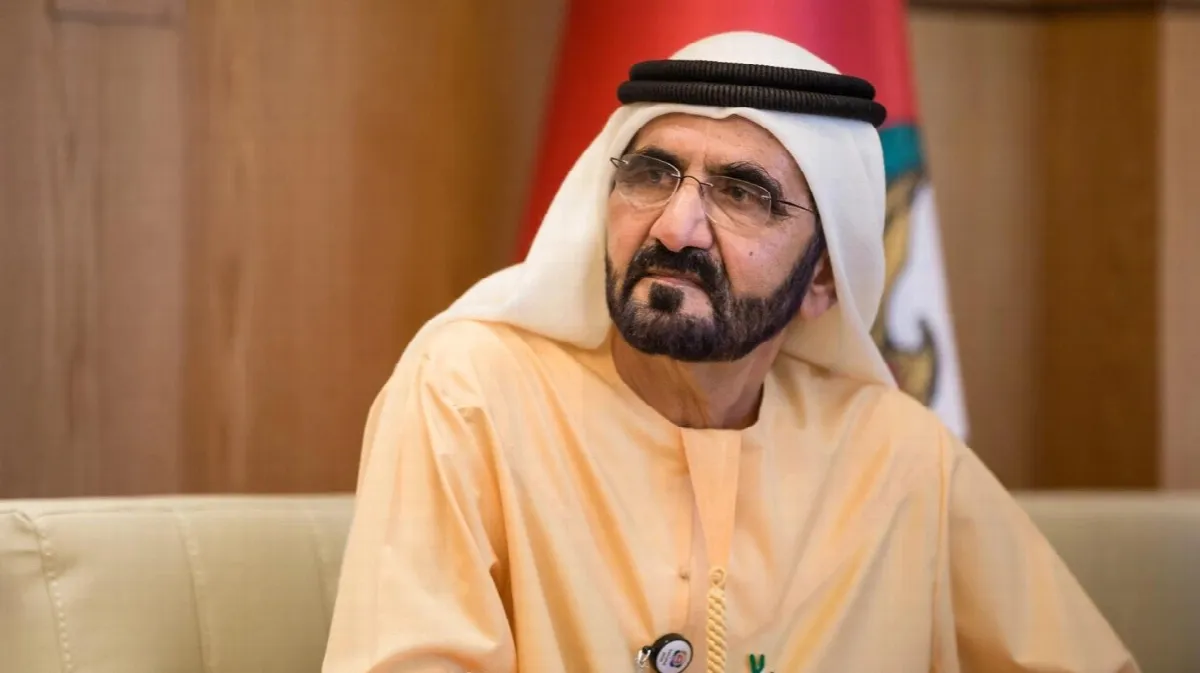
In 2023, His Highness Sheikh Mohammed bin Rashid Al Maktoum, Vice President and Prime Minister of the UAE and Ruler of Dubai, approved an ambitious master plan that aims to increase the total length of public beaches by an impressive 400%.
This comprehensive blueprint, officially termed the ‘Dubai Master Plan for Public Beaches,’ falls under the broader Dubai 2040 Urban Master Plan. It encompasses both developing existing beaches with improved facilities and opening entirely new beaches across the emirate.
The plan aligns with Dubai’s vision to enhance key urban areas, improve resource utilisation efficiency, develop green spaces, create healthy and inclusive communities, and provide sustainable mobility options.
Jebel Ali Beach Development: A Flagship Project
One of the most significant developments is the Jebel Ali Beach Development Project, recently approved by His Highness Sheikh Hamdan bin Mohammed bin Rashid Al Maktoum, Crown Prince of Dubai and Chairman of The Executive Council of Dubai.
Extending 6.6 kilometres, this ambitious project is set to become Dubai’s longest public open beach, covering an area of 330 hectares. The development emphasises environmental preservation and protection of local ecosystems and wildlife, particularly turtle habitats.
| Feature | Description | Area |
|---|---|---|
| Sandy Beach | Developed by Nakheel | 5 km |
| Mangrove Beach | Developed by Dubai Municipality | 1.6 km |
| Open Swimmable Beach | Public access | 2 km |
| Diving Sports Area | Water activities zone | 2.5 km |
| Running Track | Along beachfront | 5 km |
“Jebel Ali Beach will be the longest public open beach in Dubai, stretching 6.6 km and covering an area of 330 hectares,” explained His Excellency Mattar Al Tayer, Commissioner General for Infrastructure, Urban Planning, and Well-Being Pillar. “The plan includes developing two areas: a 5 km sandy beach to be developed by Nakheel and a 1.6 km mangrove beach to be developed by Dubai Municipality.”
The development will include a 2 km open swimmable beach, a 2.5 km diving sports area, a walkway with viewing platforms, and recreational and service areas for all ages, including children’s play zones and sports areas. The beach will feature integrated infrastructure, including a two-lane road in each direction, parking for 1,000 vehicles, 80 bicycle racks, a cycling track, and a 5 km running track.
Three Distinct Zones
The Jebel Ali Beach Development will be divided into three specially designed locations, each with its own unique attractions and purpose:
- The Pearl – Located near the entrance of Palm Jebel Ali, this will be a centre for beach and recreational activities offering options for a lively family beach, sports activities, a swimming pool, kids play zones, a beach club with a pool and private beach (for a fee), several restaurants, cafes, shops, and a floating restaurant.
- The Sanctuary – Offering a haven for turtles and natural habitats, this area prioritises environmental conservation while housing recreational and sports activities that enable safe environmental exploration.
- The Nest – Situated within the mangrove area, this will be a recreational educational destination featuring environmental education initiatives, turtle rehabilitation and care programmes, and opportunities for visitors to learn about coastal ecosystem preservation.
Architectural Innovation
The architectural design of the buildings and facilities at Jebel Ali Beach draws inspiration from natural geometry found in marine environments, such as coral formations and turtle shells, as well as the Boho Style, which utilises locally available materials. The buildings are designed to resemble the natural dunescape, blending harmoniously with the surrounding environment.
The project will offer several investment opportunities, including restaurants, leisure centres, and commercial kiosks, to enhance comfort for beachgoers and meet their various needs.
Al Mamzar and Jumeirah 1 Beaches Upgrade
The Supreme Committee for Urban Planning and Quality of Life has already awarded contracts for the development of the Al Mamzar and Jumeirah 1 Beaches, extending 5.7 km in total (4.3 km at Al Mamzar Beach and 1.4 km at Jumeirah 1 Beach).
| Beach Name | Length | Key Features |
|---|---|---|
| Al Mamzar Beach | 4.3 km | First 24/7 night-swimmable beach in Deira, 200-metre floating bridge |
| Jumeirah 1 Beach | 1.4 km | Enhanced infrastructure, improved facilities |
| Jebel Ali Beach | 6.6 km | Environmental focus, turtle conservation, mangrove beach |
This comprehensive project involves extensive infrastructure changes aimed at developing beaches and transforming them into world-class attractions. The developments will add new recreational tourism destinations catering to the increasing number of beachgoers and water sports enthusiasts in the emirate.
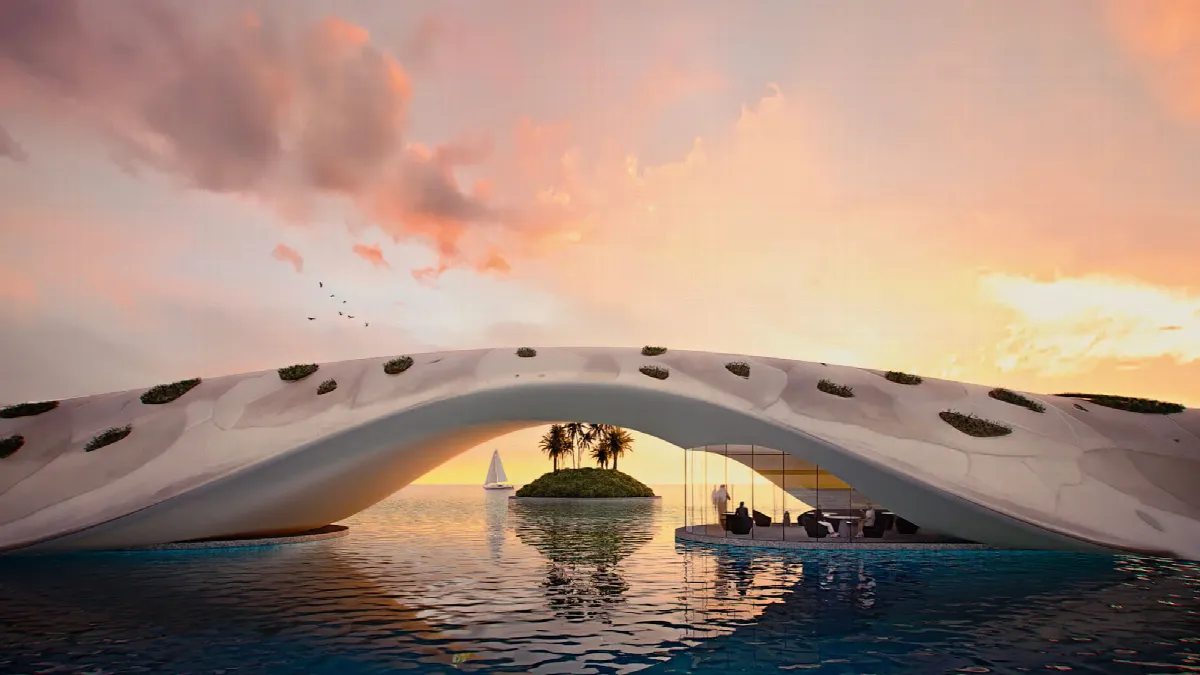
A standout feature of the Al Mamzar Beach development is Dubai’s first 24/7 night-swimmable beach in Deira, along with a 300-metre pedestrian path, 11 km of cycling and jogging tracks surrounded by trees, and a 200-metre floating bridge connecting both sides of Al Mamzar Beach – the first of its kind in the emirate.
State-of-the-Art Facilities
The beach developments will incorporate advanced facilities and amenities, including:
- Public health and service facilities such as restrooms, shower areas, and changing rooms along the beaches, designed according to top global practices
- Ten areas designated for recreational and kids play zones, beach and physical sports, and barbecue areas
- Beach rest areas and spaces for seasonal events with secured entrances and exits
- Approximately 1,400 parking spaces for cars and buses, including dedicated spaces for charging eco-friendly vehicles
- Drinking water stations, irrigation networks, and sewage disposal systems extending over 5 km
- Modern automatic irrigation systems to increase green spaces
Advanced Technology Integration
Dubai’s enhanced beaches will feature cutting-edge technology services, including:
- Advanced locker systems
- Wi-Fi internet services throughout
- Electronic information screens
- Beach rescue services using the latest artificial intelligence technologies
- Enhanced beach monitoring through more than 100 modern cameras connected to central control rooms in Dubai Municipality and Dubai Police
Dubai’s Blue Flag Beaches
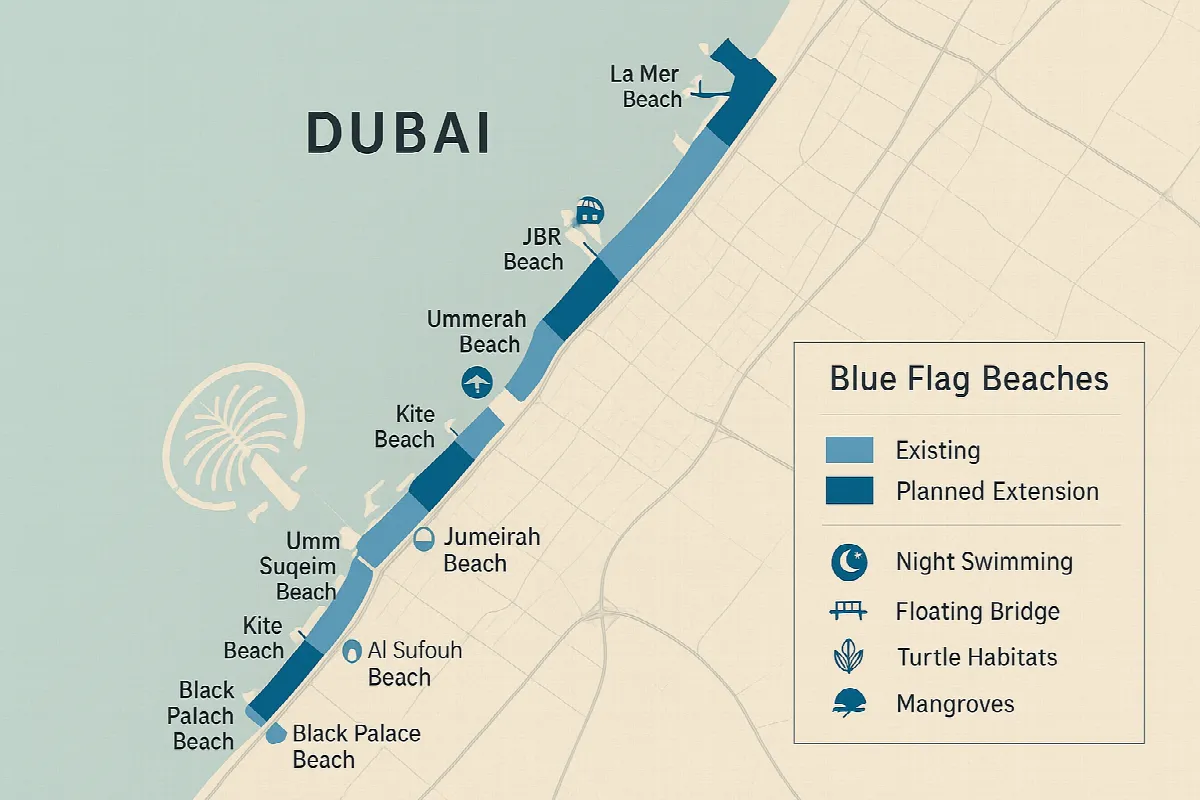
Dubai currently boasts eight public beaches that have all obtained the globally prestigious Blue Flag accreditation, awarded to beaches that meet stringent criteria including marine water quality, environmental education, environmental management, public safety, and services. These beaches include:
- Al Mamzar Beach
- Al Mamzar Corniche
- Jumeirah 1
- Jumeirah 2
- Jumeirah 3
- Umm Suqeim 1
- Umm Suqeim 2
- Jebel Ali Beach
Supporting Dubai’s Tourism Strategy
These beach development initiatives align perfectly with Dubai’s broader tourism strategy, which has seen remarkable success in recent years. The city welcomed a record 18.72 million international overnight visitors in 2024, a 9% year-over-year increase from the previous record of 17.15 million in 2023, according to data from the Dubai Department of Economy and Tourism (DET).
The continued investment in beach infrastructure supports Dubai’s position as one of the world’s leading travel destinations and demonstrates the success of its strategic approach to expanding the tourism sector and investing in infrastructure to meet growing demand.
“Through careful planning and dynamic, agile policy implementation, Dubai has successfully navigated global economic and geographic headwinds to achieve record-setting growth in tourism for a second consecutive year, having long resumed its pre-pandemic upward trajectory,” noted His Excellency Helal Saeed Almarri, Director General of the Dubai Department of Economy and Tourism (DET).
Accessibility and Inclusivity
A key focus of Dubai’s beach development strategy is ensuring accessibility for people of determination. The beach enhancements will include services and facilities designed specifically to cater to their needs, compatible with the Dubai Code for an Accessible Environment and global best practices.
Dubai College of Tourism (DCT) has also played a major role in taking the city on the journey towards becoming the first Certified Autism Destination™ in the Eastern Hemisphere, offering autism and sensory awareness training for the city’s tourist-facing workforce as well as courses in inclusive service, accessible tourism, and sustainable tourism.
Environmental Sustainability
Environmental preservation is a central theme in Dubai’s beach development projects, particularly at Jebel Ali Beach, which is located within the Jebel Ali Wildlife Sanctuary, listed under the Ramsar Convention on Wetlands of International Importance.
The project aims to create a unique, attractive recreational beachfront with a strong emphasis on protecting the environment and supporting the emirate’s sustainability and eco-tourism goals. The beach’s development will ensure the preservation and enhancement of ecosystems and wildlife at the site, including enhancing turtle habitats and planting mangrove trees, which will contribute to blue carbon footprint growth.
Outlook: Transforming Dubai’s Coastline
Dubai’s comprehensive beach development strategy represents a transformative approach to coastal management and tourism development. By expanding beach access, enhancing facilities, and integrating environmental conservation, Dubai is positioning itself as a global leader in beach tourism while ensuring sustainability and inclusivity.
The planned 400% increase in public beach length, combined with world-class facilities and year-round access through innovations like night beaches, will significantly enhance Dubai’s appeal as a premier beach destination for both residents and international visitors.
As these developments progress over the coming years, Dubai’s coastline will evolve into an even more vibrant, accessible, and diverse recreational space, supporting the emirate’s ambitions in the Dubai 2040 Urban Master Plan and reinforcing its status as one of the world’s most attractive places to visit and live.
Frequently Asked Questions
Q: How much will Dubai’s public beaches expand under the new master plan?
A: Dubai plans to increase the total length of public beaches by 400% through developing existing beaches and opening new ones.
Q: What is the Jebel Ali Beach Development Project?
A: It’s a 6.6 km beach development that will become Dubai’s longest public open beach, featuring environmental preservation, turtle conservation, a 5 km sandy beach, and a 1.6 km mangrove beach.
Q: What are “night beaches” in Dubai?
A: Introduced in May 2023, night beaches allow people to enjoy the beach during cooler evening hours. These have proven highly successful, attracting 1.5 million visitors in just 18 months.
Q: How many public beaches does Dubai currently have?
A: Dubai currently has eight public beaches: Al Mamzar Beach, Al Mamzar Corniche, Jumeirah 1, Jumeirah 2, Jumeirah 3, Umm Suqeim 1, Umm Suqeim 2, and Jebel Ali Beach.
Q: What special features will the new beach developments include?
A: New features include 24/7 night-swimmable beaches, floating bridges, cycling and jogging tracks, advanced technology services including AI-powered beach rescue, dedicated sports zones, environmental education centers, and turtle rehabilitation programmes.
Q: When will these beach developments be completed?
A: According to Dubai Municipality, development plans for beach improvements in partnership with the private sector extend until 2029, with various projects at different stages of implementation.
Q: How are the beaches supporting Dubai’s tourism growth?
A: The enhanced beaches support Dubai’s tourism strategy by providing year-round attractions, diverse experiences, and world-class facilities that cater to both residents and the growing number of international visitors, which reached a record 18.72 million in 2024.
Additional Reading Material
The UAE week, every Monday
The week's stories on jobs, visas, money and daily life in one short email. Unsubscribe in one click.