UAE to Create Thousands of Jobs with Dh128 Billion FDI Target by 2031 | JobXDubai
UAE’s ambitious foreign investment strategy will generate thousands of jobs across manufacturing, technology, finance, and renewable energy sectors over the next six years.
By Vadim Kouznetsov, published
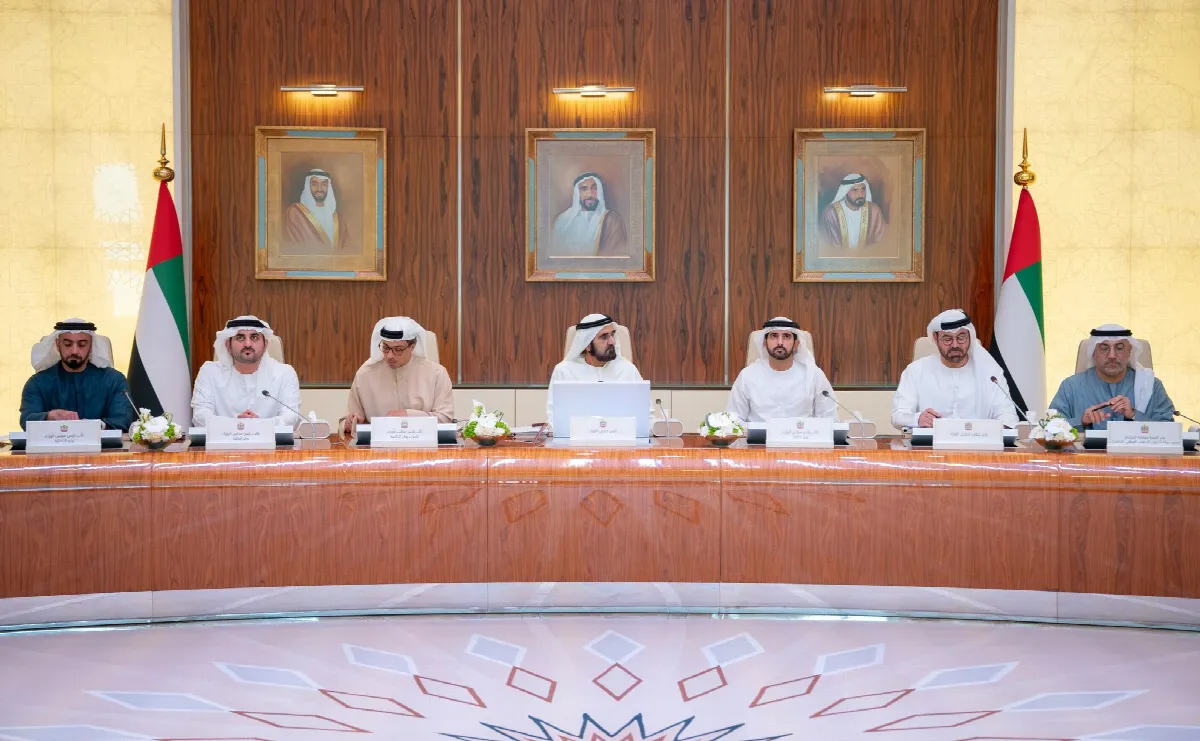
The UAE’s ambitious plan to attract Dh128 billion in foreign direct investment (FDI) over the next six years is expected to generate thousands of new jobs across multiple sectors, according to industry analysts and economic experts.
National Investment Strategy to Boost Employment
On Monday, the UAE Cabinet approved the National Investment Strategy with the goal of more than doubling annual foreign investment inflows from Dh112 billion in 2023 to an impressive Dh240 billion by 2031.
Experts predict this strategic initiative will create significant employment opportunities across various high-growth sectors, particularly in:
- Manufacturing and industrial innovation
- Technology and digital economy
- Hospitality and tourism
- Retail and consumer goods
- Financial services
- Healthcare and life sciences
- Logistics and supply chain
- Renewable energy and sustainability
High-Demand Skills and Professions
Hamza Dweik, head of trading and pricing for Mena at Saxo Bank, highlighted that the strategy will have a substantial impact on the employment landscape as new businesses enter the market and existing companies expand operations.
“The demand for skilled professionals in key sectors such as technology, finance, logistics, and renewable energy will rise. This will open doors for both local talent and global professionals seeking opportunities in a dynamic and growing economy,” Dweik explained.
According to market analysts, several specific roles are expected to be in particularly high demand:
- Technology sector: AI specialists, cybersecurity experts, software developers, and cloud computing analysts
- Renewable energy: Researchers and engineers focusing on sustainable technologies
- Financial services: Wealth managers and credit risk analysts
- Logistics: Skilled supply chain professionals and warehousing specialists
- Advanced manufacturing: Experts in 3D printing, automation, and industrial innovation
Large-Scale Projects Driving Diverse Skill Requirements
Dweik noted that large-scale projects and infrastructure developments will require professionals with diverse skill sets, extending job creation beyond primary investment sectors.
“Beyond that, the boost in business activity will generate jobs in other sectors too, like retail, hospitality, and professional services,” he added.
The increased investment in manufacturing and industrial innovation is expected to create particular demand for engineers, technicians, and supply chain professionals, with advanced manufacturing technologies opening up specialized positions.
Digital Economy Set to Thrive
In the IT sector, increased FDI will allow the digital economy to flourish, creating job opportunities in cutting-edge fields such as artificial intelligence, cybersecurity, software development, and cloud computing.
Hassan Fawaz, chairman and founder of GivTrade, emphasized that the National Investment Strategy 2031 will create a more diverse and resilient job market, reducing dependence on traditional economic sectors.
“The focus on key growth sectors suggests that the strategy will not only create immediate job opportunities but also foster long-term career prospects in emerging industries, contributing to the UAE’s vision of building a knowledge-based economy,” Fawaz stated.
Economic Diversification and Global Talent Attraction
Vijay Valecha, chief investment officer at Century Financial, pointed out that FDI projects lead to both direct and indirect job creation. New businesses established through foreign investment create immediate employment opportunities, while also stimulating activity in supporting industries.
The strategy aligns with the UAE’s broader economic diversification goals, as highlighted by Hamza Dweik, who noted that a key objective is “to diversify the non-oil economy and reduce dependency on oil revenues to build a more resilient and future-ready economic model.”
Valecha added that increased FDI inflows can also encourage entrepreneurship and boost existing business activity, “directly leading to not only a reduction in unemployment but also attracting a skilled workforce from across the world.”
Digital Economy Strategy Complements Investment Plan
The Cabinet also reviewed progress on the National Digital Economy Strategy 2031, which aims to raise the digital economy’s contribution to GDP from 9.7 per cent to 19.4 per cent, indicating a strong focus on technology-related job creation.
Hassan Fawaz highlighted that the increased FDI will generate positive spillover effects, including knowledge transfer and improved business practices, combined with infrastructure development and financial sector growth.
“This will contribute to sustainable long-term economic expansion and cement the UAE’s position as a leading global investment hub,” he concluded.
Key Takeaway
The UAE’s aggressive foreign investment strategy represents a significant opportunity for job seekers across multiple sectors over the next six years. With a clear focus on future-oriented industries like technology, renewable energy, and advanced manufacturing, the initiative aligns perfectly with the nation’s vision of building a diverse, knowledge-based economy while creating thousands of high-quality jobs for both local talent and international professionals.
Additional Reading Material
The UAE week, every Monday
The week's stories on jobs, visas, money and daily life in one short email. Unsubscribe in one click.