Dubai-Sharjah Commuters Lose 460 Hours Annually in Traffic: Adaptation Strategies
Discover how Dubai-Sharjah commuters cope with daily traffic jams costing them 60 working days annually, as authorities plan comprehensive solutions.
By Vadim Kouznetsov, published
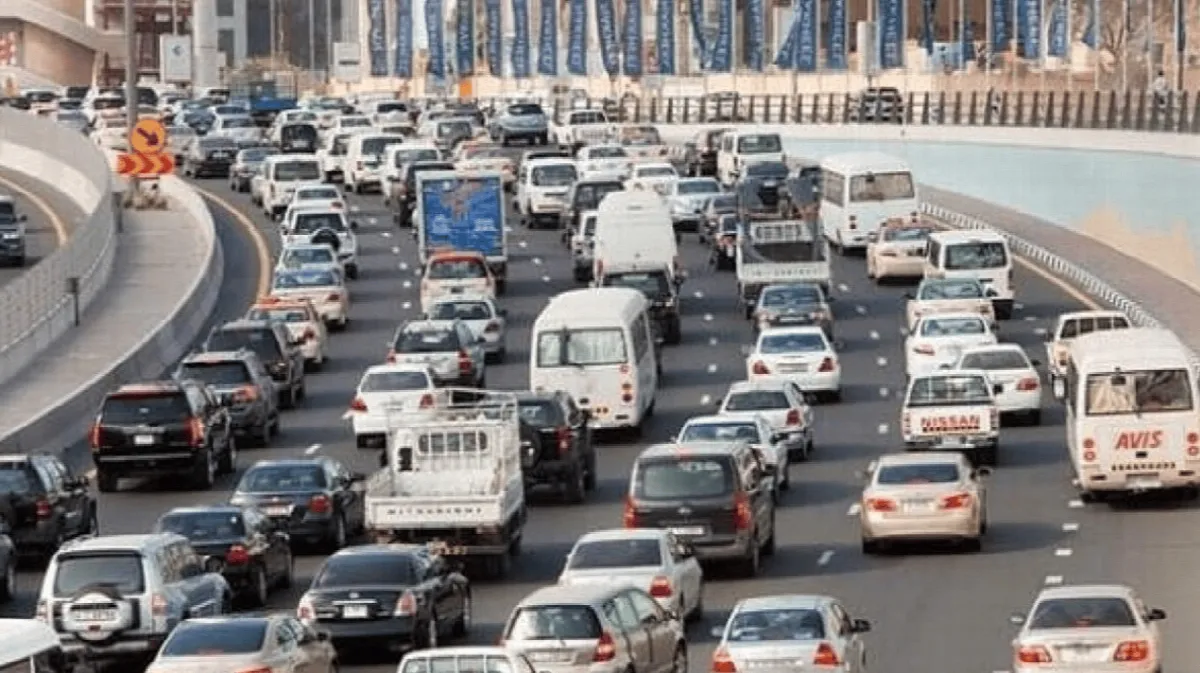
The Infrastructure Ministry plans to collaborate with local authorities on a comprehensive traffic solution as commuters share their daily struggles
The severe traffic congestion between Dubai and Sharjah has become a daily ordeal for thousands of commuters, forcing many to drastically adjust their routines. Recent data revealed by Federal National Council (FNC) member Adnan Al Hammadi indicates that employees travelling between these emirates lose approximately 460 hours annually—equivalent to 60 working days—stuck in gridlock.
Creative Solutions to Avoid Traffic Standstills
Many residents have developed innovative strategies to circumvent peak-hour congestion, with some leaving home before dawn while others find temporary sanctuaries after work hours.
Morning Departures Before Sunrise
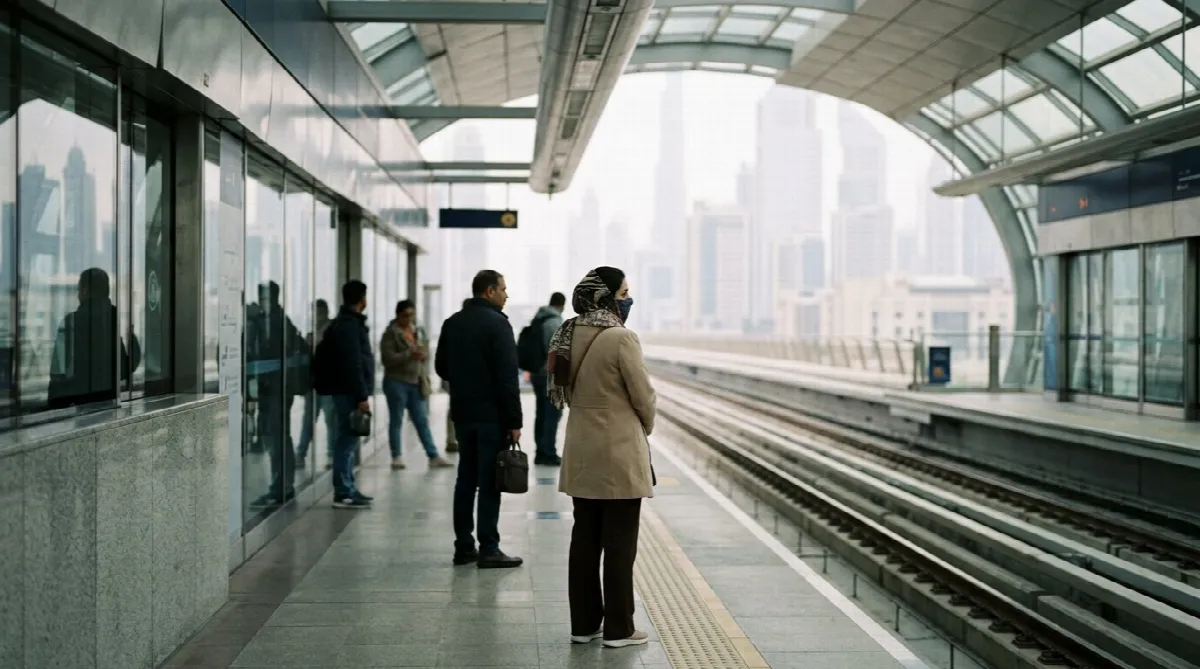
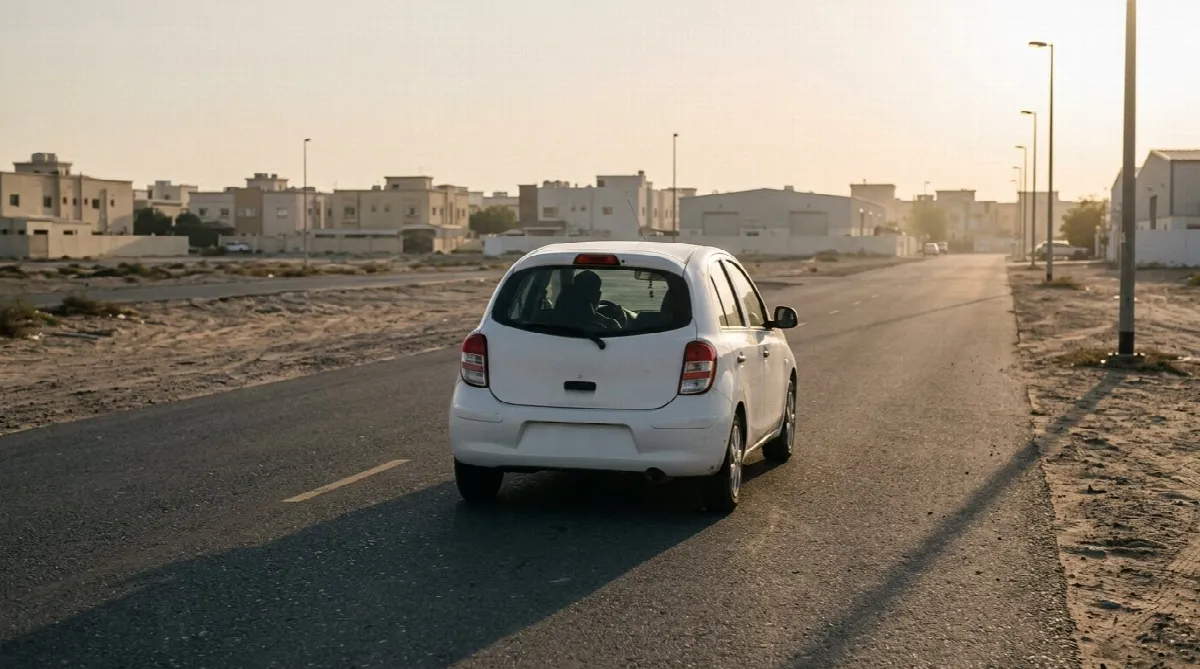
Reem Al Qaidhi, an advertising professional living in Al Noaf, departs her home at 6:30 AM to reach her office in Media City by 8:00 AM. “The return journey is much more challenging,” she explains. “Sometimes, it takes me more than two hours to get home.”
Al Qaidhi constantly monitors Google Maps to identify the least congested routes. When traffic is particularly heavy, she stops at mosques to pray and wait until congestion decreases. “There have been days when I just sit in the mosque, waiting for the traffic to ease. I lose so much time daily,” she added.
Extended Evening Activities
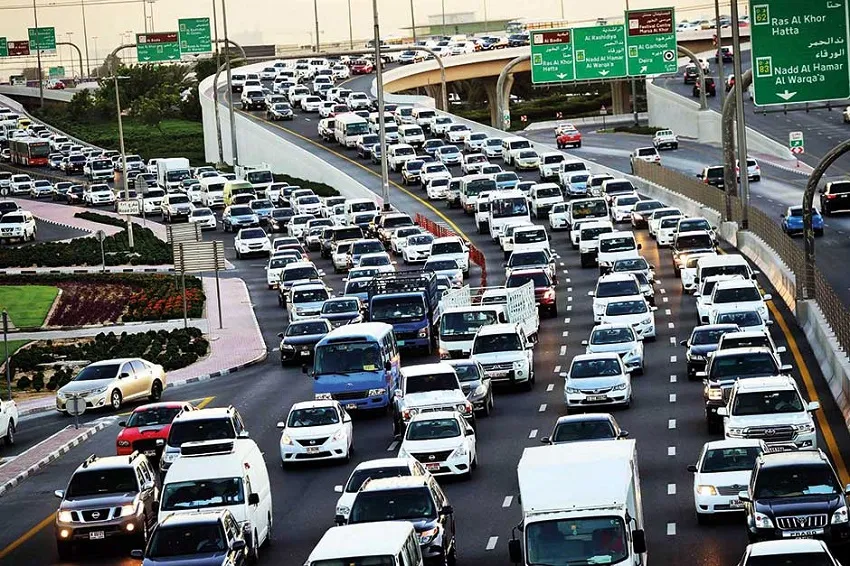
Zaheer Hussain, an Indian expatriate residing in Muhaisinah, has developed his own after-work routine. “I log out at 6 PM, but I don’t even think about leaving then,” he shares. Instead, Hussain visits a nearby mosque for evening prayers before exercising for an hour.
“When I leave around 9 PM, the roads are much clearer, and I get home in about an hour,” he explains. While this arrangement helps him avoid sitting in standstill traffic, Hussain finds it frustrating: “I would rather be home earlier, but this is the only way to avoid sitting in my car for two hours.”
The Growing Impact on Well-being
The traffic situation has profound effects on commuters’ quality of life, with many reporting significant physical and mental strain.
Physical Exhaustion
Noura Al Mandous, who lives in Ras Al Khaimah, describes her gruelling schedule: “Every day I leave home at 5:30 AM and reach work around 8 AM. During Ramadan, the congestion has become worse, and I often get home around 6 PM, completely exhausted.”
The unpredictability adds another layer of stress to her commute. “Some days, there’s no clear reason for the congestion, yet you still find yourself stuck for hours. It’s draining, both mentally and physically,” she notes.
Family Time Sacrificed
Even Dubai residents living near the Sharjah border face similar challenges. Shamsa Darwish, who lives in Al Awir, often finds herself caught in traffic despite working within Dubai.
“I reach home around 4 PM during Ramadan, and by the time I break my fast, I’m too tired to do anything else,” she explains. The long hours spent commuting have significantly impacted her personal relationships: “I hardly get quality time with my family. It affects my mental wellbeing, and there’s no real solution in sight.”
Government Response and Future Plans
The issue has garnered attention at the highest levels of government. Responding to concerns raised by Al Hammadi, Suhail Al Mazrouei, Minister of Energy and Infrastructure, confirmed that the ministry would conduct a thorough assessment and collaborate with local authorities to develop a strategic plan addressing the traffic challenges.
Al Hammadi has emphasised the need for “effective solutions to this crisis,” describing it as “a constant and painful issue for all road users.” He also highlighted the dramatic increase in vehicles entering Dubai daily—from 850,000 eighteen months ago to 1.2 million currently—alongside approximately 4,000 new driver’s licences being issued each day by the Dubai Traffic and Licensing Department.
As the authorities work toward solutions, commuters continue to adapt their daily schedules, seeking ways to maximise their time and minimise the stress of their necessary journeys between these vital UAE emirates.
This article was published on March 20, 2025. Stay updated with the latest news from Dubai and the UAE by following JobXDubai on social media platforms.
Key Takeaway
Commuters between Dubai and Sharjah lose approximately 460 hours (equivalent to 60 working days) annually due to traffic congestion, forcing them to adopt unusual schedules and waiting strategies. The Infrastructure Ministry has pledged to work with local authorities on developing a comprehensive traffic plan as vehicle numbers continue to rise dramatically across the emirates.
Additional Reading Material
The UAE week, every Monday
The week's stories on jobs, visas, money and daily life in one short email. Unsubscribe in one click.