Dubai Salik Gates 2025: Impact on Traffic Flow and Public Transport Usage
Discover how Dubai’s new Salik toll gates and dynamic pricing are reshaping traffic patterns. Learn about commuter experiences and public transport developments in 2025.
By Vadim Kouznetsov, published
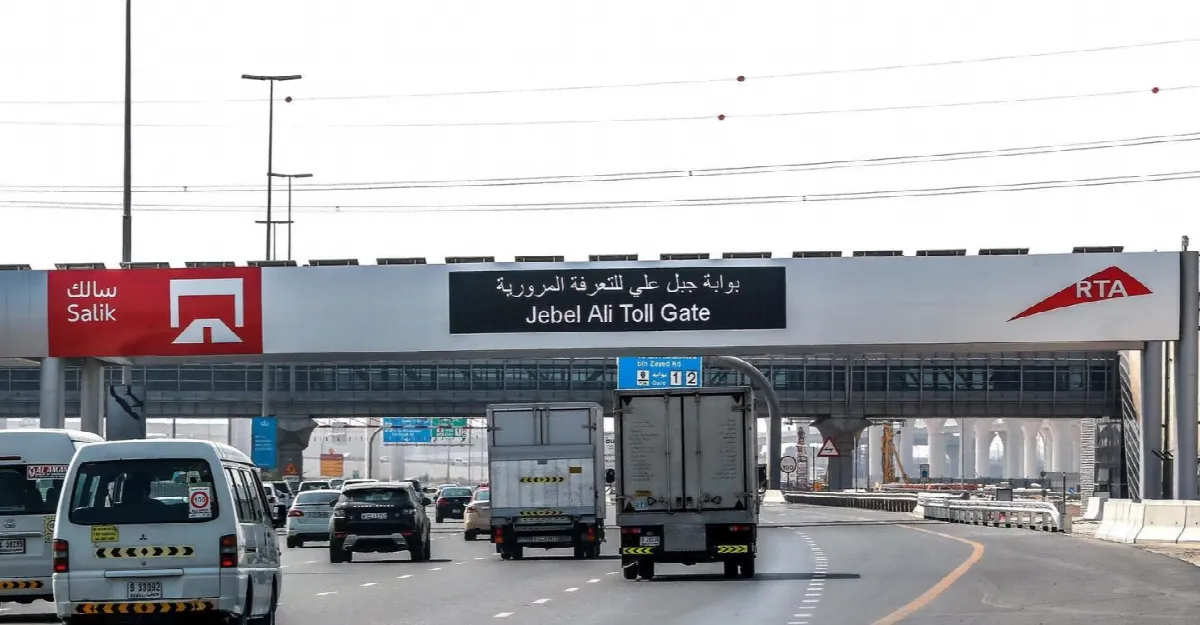
The implementation of additional toll gates and dynamic pricing in Dubai is creating noticeable shifts in traffic patterns across the city. Dr Khaled Alawadi, associate professor of Sustainable Urbanism at Khalifa University, indicates that the full benefits of these changes might extend over a ten-year period.
Dynamic Pricing: A Game-Changer for Dubai Commuters
Since January 31, 2025, Salik’s dynamic pricing structure has introduced:
- Dh6 fee during peak hours (morning and evening)
- Dh4 during off-peak weekday hours
- Free passage from 1am to 6am
- Flat Dh4 rate on Sundays (excluding special occasions)
Community Impact and Traffic Redistribution
Local residents report mixed experiences with the new system:
Mohammed Iqbal, a Dubai Media City professional, benefits from early morning commutes: “I pass through two Salik gates before 6am, getting free trips one way.”
However, some areas face increased congestion. Dubai Creek Harbor resident Ayesha Nawaz reports: “Evening traffic has intensified as drivers seek alternative routes through our community to avoid the Business Bay bridge toll gate.”
Public Transport Development
Dubai’s public transport infrastructure shows promising growth:
- 78% of the city is currently serviced by public transport
- Future metro lines are strategically positioned for population growth
- Transit zones are being optimised within 300-500 meters in high-density areas
Strategic Implementation of New Toll Gates
The Roads and Transport Authority (RTA) has expanded the network to 10 toll gates, with new additions in:
- Business Bay
- Safa
Alternative routes recommended by RTA include:
- Sheikh Mohammed bin Zayed Road
- Dubai-Al Ain Road
- Ras Al Khor Street
- Al Manama Street
Expert Perspective on Long-Term Impact
Dr Alawadi emphasises the importance of studying travel behaviours: “Understanding chain trips versus fixed-destination commutes is crucial for optimising public transport usage.”
Key Takeaway
Dubai’s implementation of dynamic toll pricing and additional Salik gates represents a significant step toward sustainable urban mobility. While some areas experience temporary traffic adjustments, the long-term strategy aims to promote public transport usage and optimise traffic flow across the city’s road network.
Additional Reading Material
The UAE week, every Monday
The week's stories on jobs, visas, money and daily life in one short email. Unsubscribe in one click.