UAE Food Sector: 20,000 New Jobs by 2030 | Reduced Imports
Discover how the UAE plans to create 20,000 food sector jobs by 2030, reduce imports, and boost GDP. Learn about opportunities in this growing industry.
By Vadim Kouznetsov, published
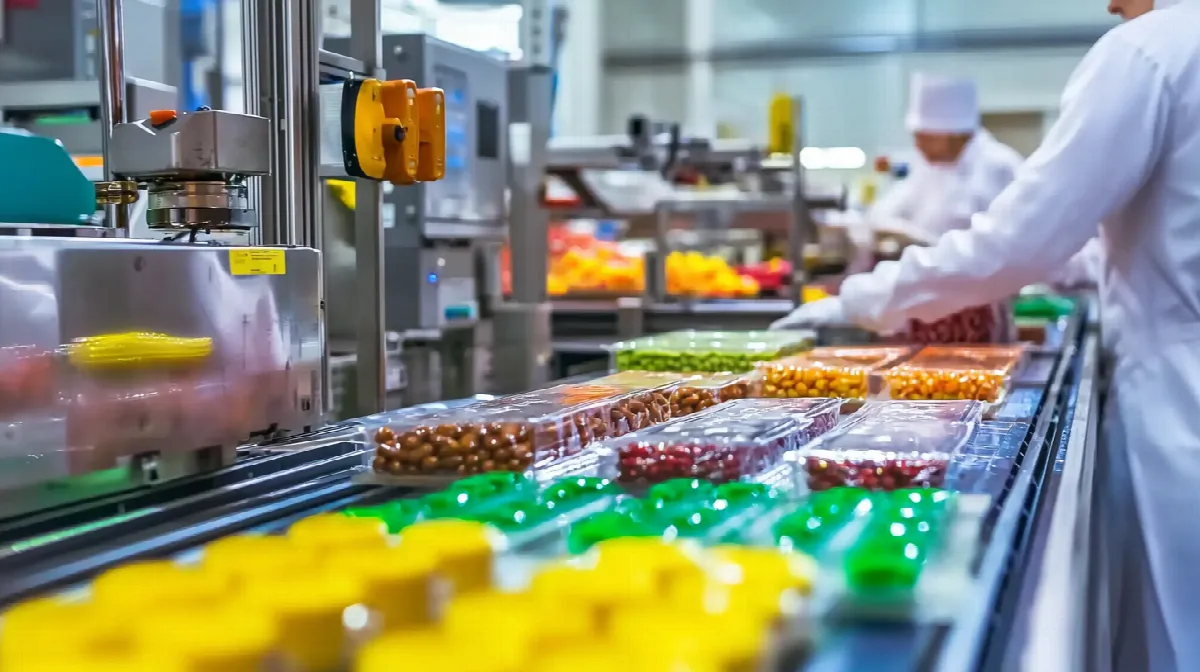
The United Arab Emirates is set to revolutionise its food sector, creating thousands of job opportunities and bolstering food security. Let’s explore how the UAE plans to transform its food industry landscape over the next decade.
A Vision for Food Security
The UAE has ambitious plans for its food sector. By 2030, the country aims to:
- Create 20,000 new jobs in the food industry
- Reduce food imports from 90% to 50% by 2050
- Increase the food sector’s contribution to GDP by $10 billion
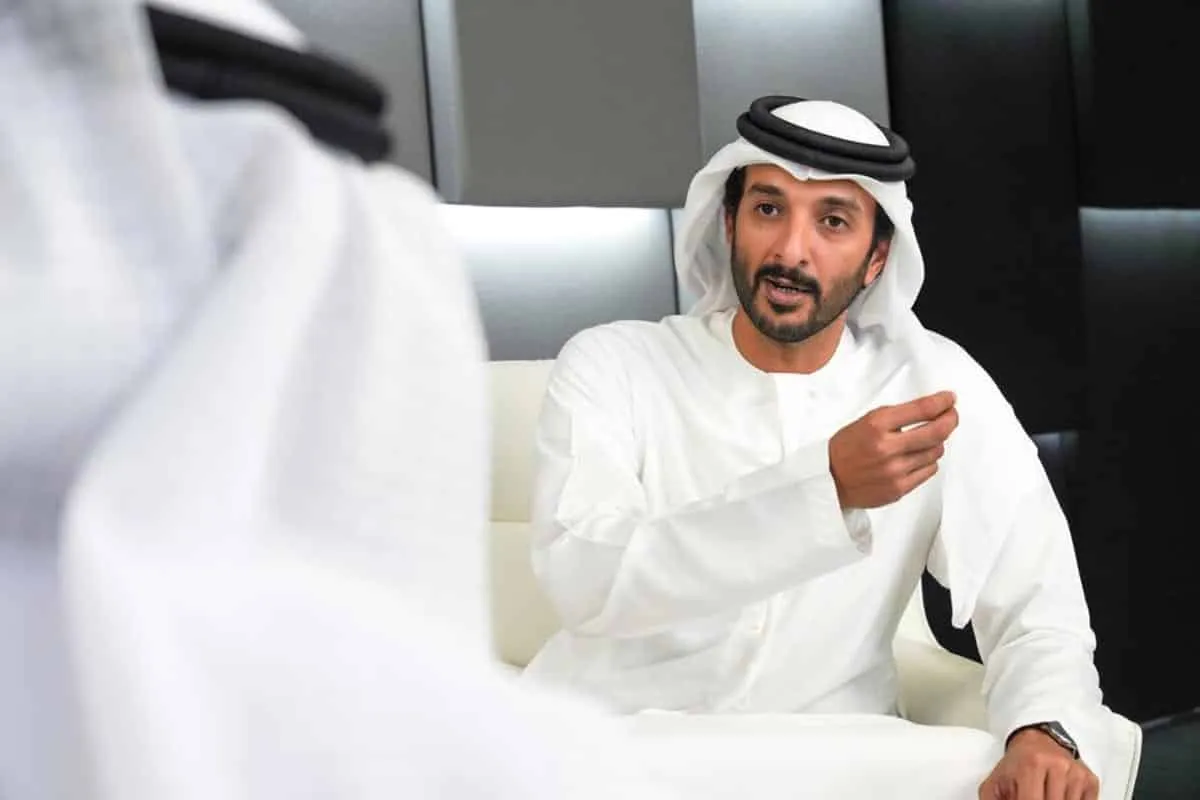
These goals reflect the UAE’s commitment to enhancing food security and fostering economic growth. Abdullah bin Touq Al Marri, Minister of Economy, emphasised the importance of these initiatives, stating, “The UAE’s commitment to food security is evident from the fact that UAE has placed food security as a national priority, since the 2007 global food crisis.”
Current Food Trade Figures
To understand the scale of the UAE’s food industry transformation, let’s look at some key statistics from 2023:
- Total food imports: $23 billion
- Total food exports: $6.6 billion
- First-half growth in total food trade: 20%
- Increase in food imports: 23%
- Rise in food exports: 19%
These figures demonstrate the significant role that food trade plays in the UAE’s economy and highlight the potential for growth in domestic production.
Strategies for Growth
The UAE is implementing several strategies to achieve its food sector goals:
- Investing in Innovation: The country is focusing on world-class R&D to drive innovation in food production and distribution.
- Supporting Future Food Disruptors: By nurturing innovative startups and entrepreneurs, the UAE aims to create global champions in the food industry.
- Promoting Sustainable Practices: Embedding sustainability across the food production value chain is a key priority to protect the environment for future generations.
- Developing Food Clusters: The UAE is creating food clusters to facilitate dialogue between stakeholders, including universities, scientists, research institutions, and government ministries.
- Policy Reforms: The government is exploring policy changes to enhance food security, improve supply chains, increase exports, and protect the domestic market.
Regional Growth Potential
The UAE’s food sector transformation is part of a larger regional trend. Al Marri noted that the GCC food and beverage sector is expected to reach $128 billion by 2029, presenting significant opportunities for growth and innovation.
Collaborative Approach
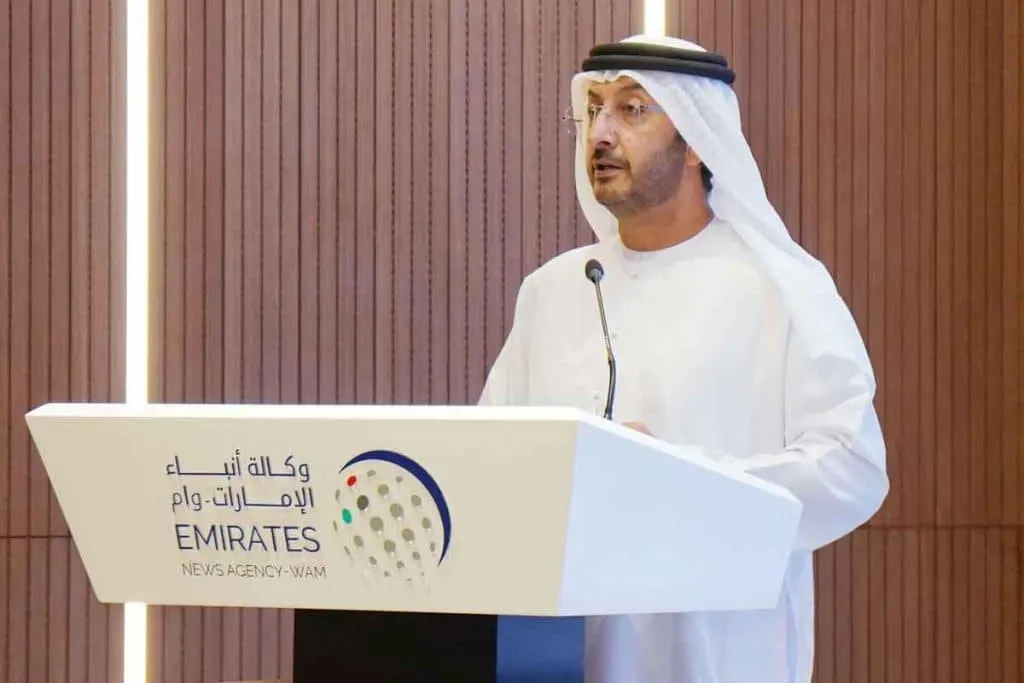
To achieve these ambitious goals, the UAE is fostering collaboration between various stakeholders. Abdullah Ahmad Al Saleh, Undersecretary of the Ministry of Economy, highlighted the importance of open dialogue: “As an import-heavy country, we know that there are a number of things that we, as a key sector, can do to enhance food security and supply chain, increase export, protect our market and practical policies. These topics should be openly discussed between the stakeholders.”
Conclusion
The UAE’s vision for its food sector is both ambitious and necessary. By creating new jobs, reducing imports, and fostering innovation, the country is positioning itself as a leader in food security and sustainable agriculture. As these initiatives unfold over the coming years, the UAE’s food industry is set to become a model for other nations facing similar challenges in an increasingly complex global food system.
For businesses and job seekers in the UAE, the food sector presents exciting opportunities for growth and innovation. Stay tuned to JobXDubai for updates on job openings and industry developments as the UAE’s food sector transformation unfolds.
The UAE week, every Monday
The week's stories on jobs, visas, money and daily life in one short email. Unsubscribe in one click.