Etihad Airways Breaks Records: 12 Million Passengers in 8 Months
Etihad Airways reports impressive growth with 12 million passengers in 2024, expanding fleet and network. Learn about their ambitious future plans.
By Vadim Kouznetsov, published
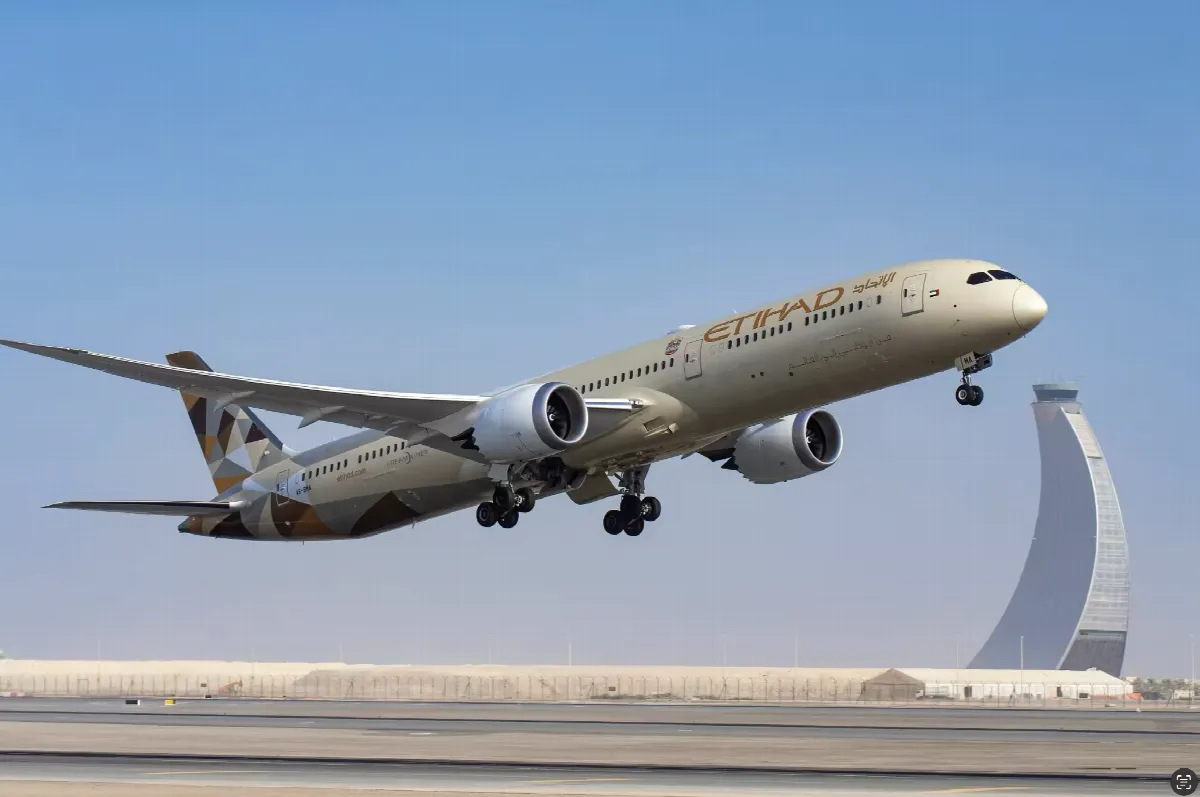
Etihad Airways, the flag carrier of the United Arab Emirates, has achieved remarkable growth in passenger numbers and operational capacity, setting the stage for an exciting future in global aviation.
Impressive Passenger Numbers
The Abu Dhabi-based airline has reported extraordinary figures for the first eight months of 2024:
- 12 million passengers carried year-to-date
- 36% increase compared to the previous year
- 1.7 million passengers in August alone
- 89% passenger load factor in August
- 86% year-to-date passenger load factor
These statistics demonstrate Etihad’s strong performance and growing popularity among travellers.
A Year of Substantial Growth
Looking at the broader picture, Etihad’s achievements over the past year are even more impressive:
- Over 17 million passengers carried from August 2023 to August 2024
- Nearly 70% higher than the total passenger count for all of 2022

Antonoaldo Neves, CEO of Etihad Airways, commented on this success: “Our passenger numbers in August increased significantly compared to the same period last year, demonstrating our continued growth momentum. This robust performance, particularly during the holiday period, underscores the growing preference for Etihad among travellers.”
Fleet Expansion and Network Growth
Etihad’s growth isn’t limited to passenger numbers. The airline has also significantly expanded its fleet and destination network:
- Operating fleet increased to 95 aircraft, up from 79 in the previous year
- 16 new aircraft added in the past 12 months
- Two A321neos brought into operation in August 2024
- Now serving 76 passenger destinations, 10 more than the previous year
This expansion enhances Etihad’s network and supports Abu Dhabi’s position as a global aviation hub and major tourist destination.
Ambitious Plans for the Future
Etihad Airways has laid out an ambitious growth strategy through to 2030:
- Aim to triple passenger numbers to 33 million
- Double fleet size to over 150 aircraft
Summer 2025 Schedule
In preparation for next summer, Etihad has unveiled an expanded schedule featuring:
- Year-round double-daily flights to major European cities including Paris, Milan, Rome, Manchester, Frankfurt, Munich, Zurich, Barcelona, and Madrid
- Increased seasonal flights to Malaga (five times per week)
- Daily flights to Bali
- Increased flights to Sydney (10 per week)
Potential IPO on the Horizon
Sources have indicated that a potential Initial Public Offering (IPO) for the ADQ-owned airline is in the works, expected no later than 2025. While Etihad has not officially commented on these reports, the airline’s strong financial performance and growth trajectory make it an attractive prospect for investors.
Etihad’s Impact on Abu Dhabi’s Economy
The airline’s growth and expansion plans have significant implications for Abu Dhabi’s economy:
- Increased tourism: More flights and destinations will bring more visitors to the emirate
- Job creation: Fleet and network expansion will require additional staff across various sectors
- Economic diversification: A strong national carrier supports Abu Dhabi’s efforts to diversify its economy beyond oil
- Global connectivity: Enhanced air links position Abu Dhabi as a key global business and transit hub
Challenges and Opportunities
While Etihad’s growth is impressive, the airline faces several challenges:
- Geopolitical instability in the region
- Increasing competition from other Gulf carriers
- Sustainability concerns in the aviation industry
However, these challenges also present opportunities for innovation and leadership in areas such as sustainable aviation and customer experience enhancement.
Conclusion
Etihad Airways’ remarkable growth in passenger numbers, fleet size, and network reach demonstrates its strong position in the global aviation market. With ambitious expansion plans and a potential IPO on the horizon, the airline is poised to play an increasingly significant role in shaping the future of air travel and contributing to Abu Dhabi’s economic development.
As Etihad continues to soar to new heights, it not only strengthens its position as a leading global carrier but also reinforces Abu Dhabi’s status as a key player in international aviation and tourism.
The UAE week, every Monday
The week's stories on jobs, visas, money and daily life in one short email. Unsubscribe in one click.