Uber Partners with Waymo: Driverless Rides Coming to US Cities in 2025
Uber and Waymo join forces to launch autonomous rides in Austin and Atlanta. Learn about this groundbreaking partnership and its impact on the future of urban transportation.
By Vadim Kouznetsov, published
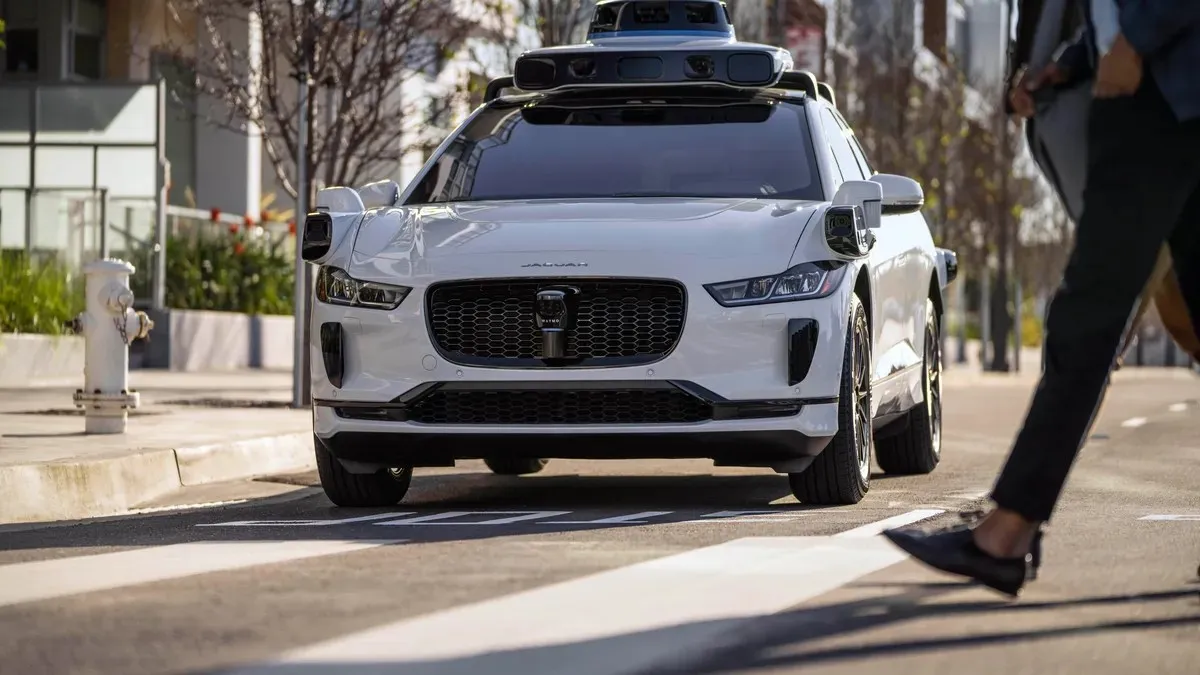
In a groundbreaking move set to reshape urban transportation, Uber Technologies Inc. has announced an exclusive partnership with Alphabet Inc.’s Waymo to launch driverless rides in select US cities. This collaboration marks a significant milestone in the journey towards widespread adoption of autonomous vehicles in the ride-hailing industry.
The Dawn of a New Era in Ride-Hailing
Starting early 2025, Uber will become the sole provider of driverless rides using Waymo’s cutting-edge autonomous technology in Austin and Atlanta. This partnership represents a strategic shift for Uber, moving away from its previous in-house development of self-driving technology towards a platform-based approach for commercialising autonomous vehicles.
Key Details of the Uber-Waymo Partnership
- Vehicle Fleet: Uber will manage and dispatch a new fleet of Waymo’s all-electric Jaguar I-PACE vehicles.
- Operational Responsibilities:
- Uber: Vehicle cleaning, maintenance, and repair
- Waymo: Testing and operating Waymo Driver, roadside assistance, and rider support
- Fleet Size: Initially limited, with plans to “grow to hundreds over time”
- Launch Timeline: Early 2025 in Austin and Atlanta
Uber’s Strategic Pivot in Autonomous Technology

This partnership is part of Uber’s broader strategy to position itself as a leading platform for autonomous vehicle commercialisation. CEO Dara Khosrowshahi highlighted the company’s unique value proposition at the recent Goldman Sachs Communacopia + Technology Conference:
“We bring it to scale, we bring it all over the world, and we think it’s a reason why many, many autonomous players are choosing to work with us, including the leading players.”
Uber’s approach offers several advantages:
- High utilisation of expensive autonomous fleets
- Ability to shape supply and demand
- Flexibility to operate hybrid networks (autonomous and human-driven) during peak times
A Growing Network of Partnerships
The Waymo collaboration is just one of several strategic alliances Uber has formed in the autonomous vehicle space:
- General Motors’ Cruise LLC (launching early 2025)
- BYD Co.
- Strategic investment in Wayve Technologies Ltd.
These partnerships underscore Uber’s commitment to leading the transition to autonomous ride-hailing services while leveraging the expertise of established players in the field.
Impact on the Future of Urban Transportation
As autonomous vehicles inch closer to mainstream adoption, the Uber-Waymo partnership could have far-reaching implications:
- Improved Safety: Potential reduction in human error-related accidents
- Enhanced Efficiency: Optimised routing and reduced congestion
- Environmental Benefits: All-electric fleet contributing to lower emissions
- Economic Transformation: Potential shifts in employment patterns within the transportation sector
Looking Ahead
While the initial rollout is limited to Austin and Atlanta, the success of this partnership could pave the way for rapid expansion to other cities across the United States and potentially globally. As the technology matures and public acceptance grows, we may be witnessing the early stages of a fundamental shift in how we think about and use urban transportation.
The Uber-Waymo collaboration represents a significant step forward in the journey towards a future where autonomous vehicles are an integral part of our daily lives. As this technology continues to evolve, it will be fascinating to see how it reshapes our cities and our relationship with transportation.
The UAE week, every Monday
The week's stories on jobs, visas, money and daily life in one short email. Unsubscribe in one click.