Apple Intelligence: Revolutionizing App Interaction in iOS 18
Discover how Apple Intelligence in iOS 18 transforms app usage, enabling natural language control and AI-powered interactions across your favorite apps.
By Vadim Kouznetsov, published
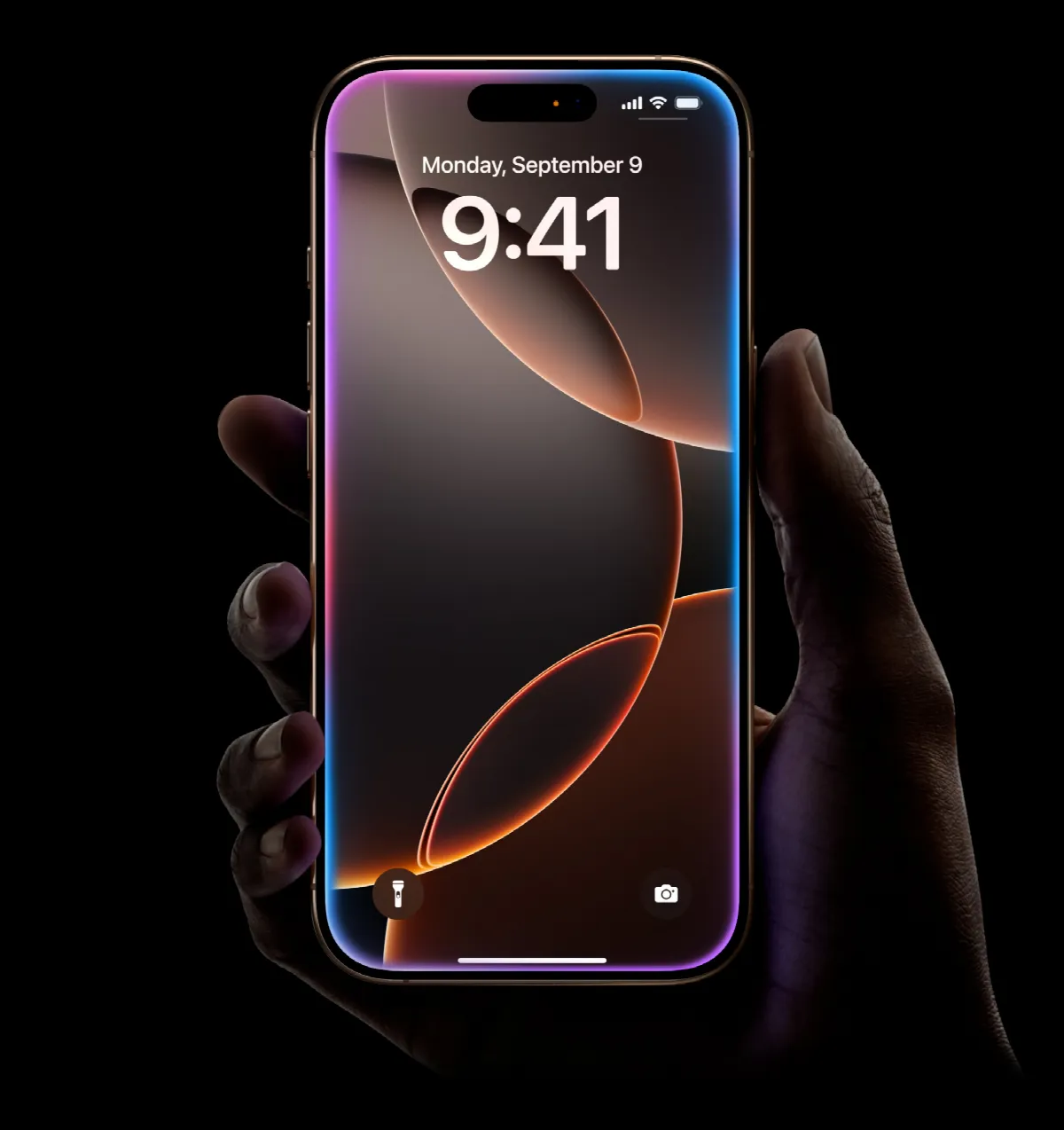
Apple’s latest innovation, Apple Intelligence, is set to transform how we interact with our favorite apps. This new AI-powered feature, coming with iOS 18, promises to make app usage more intuitive and efficient than ever before.
The Evolution of App Interaction
In today’s digital landscape, the traditional App Store model faces ongoing challenges. Meanwhile, AI assistants like ChatGPT have shown us how simple queries can accomplish complex tasks. This shift has left many wondering about the future of apps and Apple’s substantial services revenue.
Apple’s response? A groundbreaking AI strategy that enhances rather than replaces the app ecosystem.
Apple Intelligence: More Than Meets the Eye
At first glance, Apple Intelligence might seem like a basic set of AI tools. It offers writing assistance, summarization features, and generative art capabilities. However, the real power lies in how it integrates with third-party apps.
During the 2024 Worldwide Developers Conference (WWDC), Apple unveiled exciting features that allow developers to connect their apps with both Siri and Apple Intelligence. This integration opens up a world of possibilities for more natural and efficient app interactions.
Siri’s New Superpowers
The improved Siri can now access any item from an app’s menu without additional developer input. Imagine asking Siri to “show my presenter notes” in a slide deck app, and it just works. Siri can also understand and act on any text displayed on your screen.
For example, if you’re looking at a reminder to wish someone a happy birthday, you could simply say, “FaceTime them,” and Siri would know exactly what to do.
Apple Intelligence for Developers
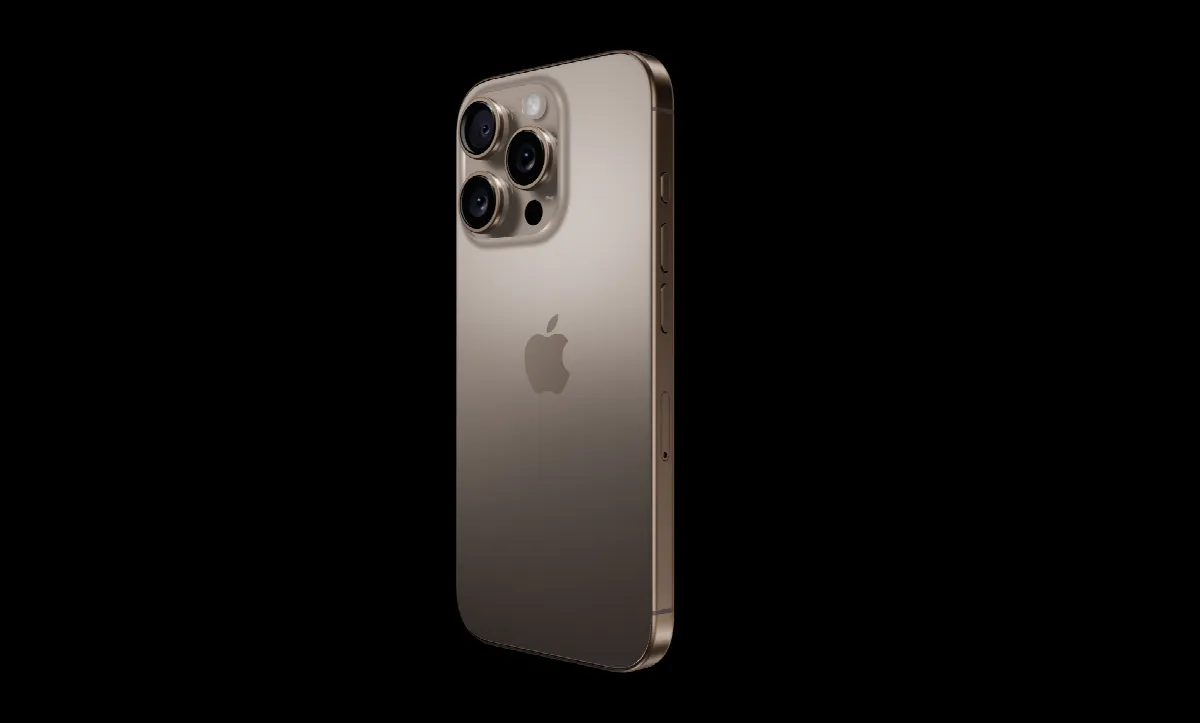
Apple is providing developers with tools to incorporate Apple Intelligence into their own apps. Initially available for specific app categories like Books, Cameras, Mail, and Word processors, this functionality is expected to expand across the App Store over time.
The AI capabilities will build upon the App Intents framework, allowing users to interact with Siri not just to open apps, but to use them in sophisticated ways.
Natural Language App Control

With these advancements, users can make requests using natural, conversational language. You could ask a photo-editing app to “apply a cinematic preset to the photo I took of Ian yesterday,” and the AI-powered Siri would understand and execute the command.
This natural language control extends to cross-app actions as well. After editing a photo, you could ask Siri to move it into another app, like Notes, without any manual tapping or navigation.
Enhanced Search Capabilities
The iPhone’s Spotlight search will also benefit from Apple Intelligence. It will be able to search data from apps by incorporating app entities into its index. This means a more comprehensive and intelligent search experience across your device.
The Developer Opportunity
While these changes require developer adoption, they present an exciting opportunity. Instead of creating complex onboarding processes, developers can focus on ensuring Siri understands how their app works and how users might want to interact with it.
This shift could make apps more accessible and user-friendly, potentially drawing developers back to the Apple ecosystem despite ongoing conversations about revenue-sharing models.
Integration with OpenAI and Visual Search
Apple’s partnership with OpenAI will allow Siri to hand off queries to ChatGPT when needed. Additionally, the new visual search feature on iPhone 16 models will enable users to access OpenAI’s chatbot or Google Search directly from the camera viewfinder.
The Road Ahead
While these developments are promising, it’s important to note that the full potential of Apple Intelligence may take time to realize. Early beta versions of iOS 18 show that the functionality is still developing, with some limitations in even Apple’s own apps.
However, as developers embrace these new capabilities and Apple continues to refine the system, we can expect a future where interacting with our apps feels as natural and effortless as having a conversation.
Apple Intelligence represents a significant step forward in how we use our devices and apps. By leveraging AI to enhance rather than replace the app ecosystem, Apple is paving the way for a more intuitive and powerful mobile experience.
As we look to the future, it’s clear that the real power of Apple Intelligence will indeed show up in third-party apps, creating a more seamless and intelligent digital world for all iOS users.
The UAE week, every Monday
The week's stories on jobs, visas, money and daily life in one short email. Unsubscribe in one click.