Telegram CEO Arrested: A Watershed Moment for Social Media Moderation
Explore the implications of Telegram CEO Pavel Durov’s arrest and its impact on social media moderation, free speech, and online safety.
By Vadim Kouznetsov, published
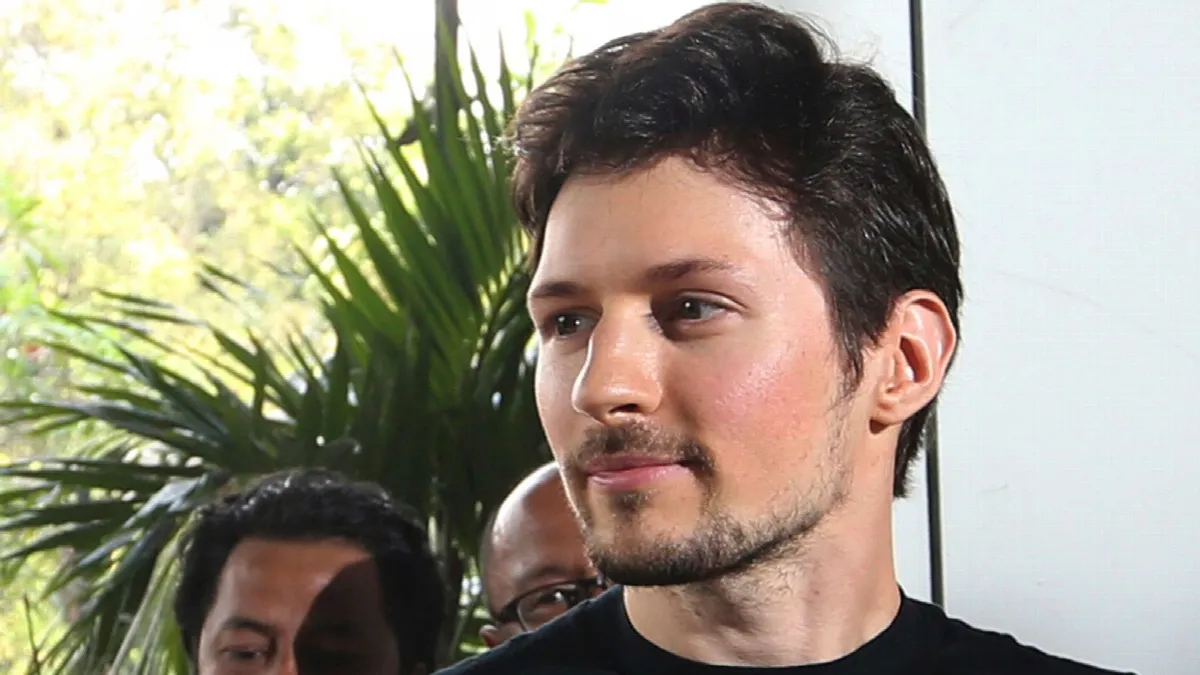
In a shocking turn of events, Telegram CEO Pavel Durov was arrested at a Paris airport on Saturday. This development marks a significant moment in the ongoing debate about social media platforms’ responsibilities and the balance between free speech and online safety.
The Rise of Telegram
Telegram, launched in 2013, has grown rapidly to reach 1 billion users. Durov, often called the “Mark Zuckerberg of Russia,” positioned the app as a politically neutral platform free from government interference. This stance attracted various users, including protesters, human rights advocates, and refugees.
However, the app’s hands-off approach to moderation has led to concerns. Researchers have long warned that Telegram has become a haven for criminals, hackers, disinformation spreaders, and extremists who have been pushed off other platforms with stricter policies.
The Arrest and Its Implications
French prosecutors arrested Durov as part of an investigation into Telegram’s alleged failure to moderate criminal activity, including the spread of child sexual abuse content. This move represents the most drastic attempt yet to hold a platform chief accountable for content shared on their service.
The arrest has sparked a heated debate:
- Online Safety Advocates: Many view this as a long-overdue action, arguing that Telegram has been negligent in addressing serious criminal activities on its platform.
- Free Speech Supporters: Some, including Elon Musk, are hailing Durov as a free speech hero, seeing the arrest as government overreach.
- Tech Industry: Silicon Valley is watching closely, with some concerned about potential repercussions for social media operations and innovation.
Telegram’s Moderation Challenges
Durov has consistently emphasized Telegram’s commitment to free expression, citing his experiences with oppression in Russia. However, this stance has led to conflicts with various governments:
- Brazil temporarily banned Telegram in 2023 for not responding to data requests related to neo-Nazi activity.
- France has harbored deep mistrust of the platform since its use by terrorists in the 2015 Paris attacks.
The Broader Impact
This case raises important questions about the future of social media moderation:
- Global Regulations: Will we see more countries taking similar actions against platforms perceived as lax in moderation?
- Platform Responsibilities: How will this affect the ongoing debate about social media companies’ obligations regarding content moderation?
- User Privacy vs. Safety: Can platforms balance user privacy protections with the need to cooperate with law enforcement in criminal investigations?
- Innovation and Compliance: How will increased scrutiny impact tech innovation and the operations of social media companies?
Looking Ahead
As the investigation unfolds, the tech industry and governments worldwide will be watching closely. The outcome could have far-reaching implications for how social media platforms operate and are regulated globally.
This case underscores the complex challenges facing social media companies as they navigate the competing demands of free speech, user safety, and legal compliance in an increasingly interconnected world.
The UAE week, every Monday
The week's stories on jobs, visas, money and daily life in one short email. Unsubscribe in one click.