What does Freezone mean in Dubai?
Explore Dubai’s freezones: benefits, popular zones, and setup process. Learn about tax incentives, foreign ownership, and challenges. Essential guide for businesses considering Dubai’s free trade zones.
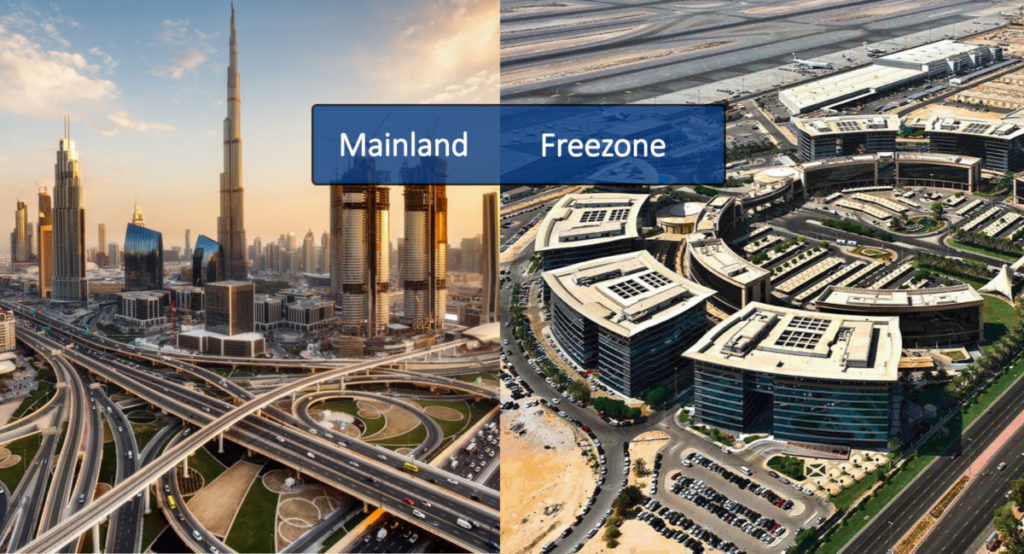
In the bustling metropolis of Dubai, the term “freezone” has become synonymous with business opportunity and economic growth. But what exactly does freezone mean in Dubai, and why has it become such a pivotal concept in the city’s economic landscape? This comprehensive guide will delve into the world of Dubai’s freezones, exploring their benefits, challenges, and impact on the local and global business community.
What is a Freezone?
A freezone, also known as a free trade zone, is a designated area within Dubai where businesses can operate under special regulations that differ from those in the rest of the country. These zones are designed to attract foreign investment, foster economic growth, and diversify the emirate’s economy beyond its traditional oil-based foundations.
Key Characteristics of Dubai Freezones
- 100% Foreign Ownership: Unlike businesses in the mainland, companies in freezones can be fully owned by foreign investors without the need for a local sponsor or partner.
- Tax Incentives: Freezones offer significant tax benefits, including 0% corporate and personal income tax, and exemption from import and export duties.
- Full Repatriation of Profits: Companies are allowed to transfer 100% of their profits and capital back to their home countries without restrictions.
- Simplified Setup Process: Freezones typically offer streamlined business registration and licensing procedures, making it easier for companies to establish their presence.
- Industry-Specific Zones: Many freezones in Dubai cater to specific industries, providing tailored infrastructure and support services.
The Evolution of Dubai’s Freezones
The concept of freezones in Dubai dates back to the 1980s when the Jebel Ali Free Zone (JAFZA) was established. Since then, the emirate has witnessed a proliferation of freezones, each designed to cater to different sectors and business needs.
Timeline of Major Freezone Developments
- 1985: Jebel Ali Free Zone (JAFZA) established
- 2000: Dubai Internet City (DIC) launched
- 2001: Dubai Media City (DMC) opened
- 2004: Dubai International Financial Centre (DIFC) inaugurated
- 2002: Dubai Multi Commodities Centre (DMCC) founded
- 2007: Dubai Healthcare City (DHCC) established
Popular Freezones in Dubai
Dubai boasts over 30 freezones, each with its unique focus and offerings. Here are some of the most prominent ones:
- Dubai Multi Commodities Centre (DMCC)
- Focus: Commodities trading
- Notable features: World’s largest free zone for commodities trade
- Dubai International Financial Centre (DIFC)
- Focus: Financial services
- Notable features: Independent regulatory framework and common law jurisdiction
- Dubai Internet City (DIC)
- Focus: Technology and IT
- Notable features: Home to global tech giants and startups
- Dubai Media City (DMC)
- Focus: Media and broadcasting
- Notable features: State-of-the-art infrastructure for media production
- Jebel Ali Free Zone (JAFZA)
- Focus: Manufacturing and trading
- Notable features: Strategic location near Jebel Ali Port
- Dubai Healthcare City (DHCC)
- Focus: Healthcare and medical services
- Notable features: World-class medical facilities and research centers
Benefits of Setting Up in a Dubai Freezone
Establishing a business in a Dubai freezone offers numerous advantages that have made these zones attractive to entrepreneurs and multinational corporations alike.
1. Tax Benefits
The most significant draw of Dubai’s freezones is their tax-friendly environment. Companies enjoy:
- 0% corporate tax for up to 50 years (renewable)
- 0% personal income tax
- 100% exemption from import and export duties
These tax incentives allow businesses to maximize their profits and reinvest in their growth.
2. Full Foreign Ownership
Unlike mainland Dubai, where foreign investors are required to have a local partner with 51% ownership, freezones allow 100% foreign ownership. This gives international businesses complete control over their operations and profits.
3. Simplified Business Setup
Freezones offer a streamlined process for company registration and licensing. Many provide a one-stop-shop approach, handling everything from initial registration to visa processing under one roof.
4. Strategic Location and Infrastructure
Dubai’s freezones are strategically located near key transportation hubs, including ports and airports. They also offer state-of-the-art infrastructure tailored to the needs of specific industries.
5. Flexible Office Options
From virtual offices to fully-serviced spaces, freezones provide a range of office solutions to suit different business needs and budgets.
Challenges of Operating in Dubai Freezones
While the benefits are numerous, businesses should also be aware of potential challenges when setting up in a Dubai freezone.
1. Market Access Restrictions
Freezone companies face limitations on trading directly with the UAE mainland market. To engage with the broader UAE market, businesses may need to work through local distributors or establish a separate mainland entity.
2. Higher Operational Costs
While initial setup costs can be lower, ongoing operational expenses in freezones, such as office rent and service fees, can be higher compared to mainland locations.
3. Industry-Specific Limitations
Many freezones are tailored to specific industries, which can limit the scope of business activities allowed within the zone.
4. Visa Quota Restrictions
The number of visas available to a company is often tied to the size of its office space, potentially limiting hiring capabilities.
Setting Up a Business in a Dubai Freezone
The process of establishing a company in a Dubai freezone typically involves the following steps:
- Choose a Freezone: Select a freezone that aligns with your business activities and budget.
- Select a Business Activity: Determine the specific business activities you’ll be conducting.
- Choose a Company Name: Select and reserve a company name that complies with UAE naming conventions.
- Apply for a Business License: Submit the necessary documents and fees to obtain your business license.
- Lease Office Space: Secure the required office space within the freezone.
- Obtain Visas: Apply for residency visas for yourself and your employees.
- Open a Corporate Bank Account: Set up a local bank account for your freezone company.
Cost Considerations
The cost of setting up in a Dubai freezone can vary significantly based on factors such as the specific zone, type of license, and office space requirements. Here’s a general breakdown of potential costs:
- Company Registration Fee: AED 9,000 – AED 10,000
- License Fee: AED 10,000 – AED 50,000 per year
- Office Fee: Starting from AED 15,000 for flexi or serviced desks
- Visa Costs: Varies based on the number of visas required
To minimise costs, consider:
- Choosing a more affordable freezone
- Starting with a virtual office or flexi-desk
- Opting for bundled setup packages
- Carefully planning your visa requirements

The Future of Dubai’s Freezones
As Dubai continues to position itself as a global business hub, its freezones are likely to play an increasingly important role. Several trends are shaping the future of these special economic zones:
- Focus on Innovation: Many freezones are emphasizing innovation and technology, attracting startups and tech companies.
- Sustainability Initiatives: There’s a growing focus on sustainability, with some freezones implementing green building standards and eco-friendly policies.
- Enhanced Digital Services: Freezones are investing in digital infrastructure to offer more efficient online services for business setup and operations.
- Cross-Zone Collaboration: There’s a trend towards greater collaboration between different freezones, allowing businesses to leverage the strengths of multiple zones.
- Alignment with UAE’s Economic Vision: Freezones are evolving to support the UAE’s broader economic goals, including diversification and knowledge-based growth.
Conclusion
Freezones in Dubai represent a unique economic model that has significantly contributed to the emirate’s rapid development and its position as a global business hub. By offering a combination of tax incentives, foreign ownership opportunities, and streamlined business processes, these zones have attracted thousands of companies from around the world.
While operating in a freezone comes with its own set of challenges, the benefits often outweigh the drawbacks for many businesses, particularly those looking to establish a presence in the Middle East or use Dubai as a gateway to other markets.
As Dubai continues to innovate and adapt its economic policies, freezones are likely to remain a cornerstone of its strategy to attract foreign investment and foster economic growth. For entrepreneurs and corporations alike, understanding the intricacies of Dubai’s freezones is crucial for making informed decisions about business setup and expansion in this dynamic region.
Whether you’re a startup looking for a cost-effective entry point or a multinational corporation seeking strategic advantages, Dubai’s freezones offer a diverse range of options to suit various business needs. As with any major business decision, thorough research and professional advice are key to navigating the opportunities and challenges of operating in these unique economic zones.