What does the DIFC stand for?
Discover what DIFC stands for and how it’s revolutionising Dubai’s financial landscape. Learn about its benefits, legal framework, and impact on global business.
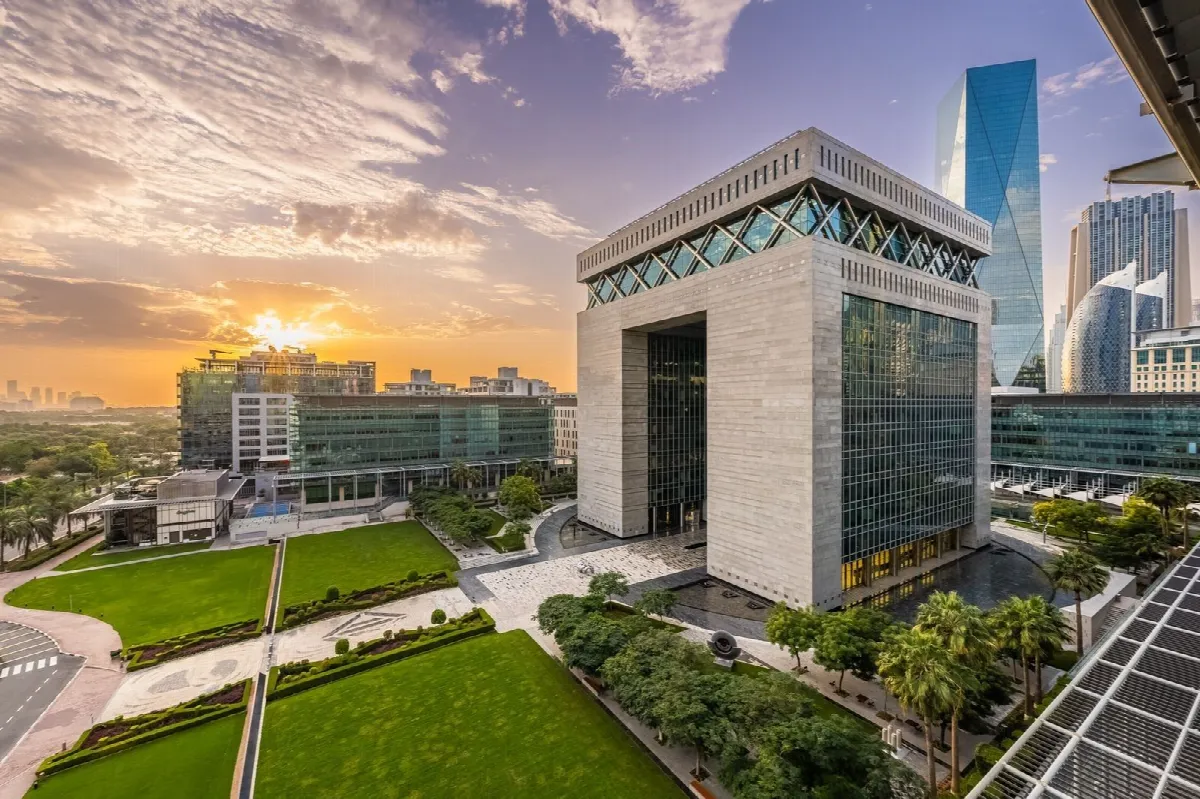
In the heart of Dubai’s bustling business district stands a testament to the emirate’s ambitious vision for the future of global finance. The Dubai International Financial Centre, commonly known as DIFC, has rapidly emerged as a pivotal player in the world of international finance. But what exactly does DIFC stand for, and why has it become such a crucial component of Dubai’s economic landscape?
Decoding DIFC: More Than Just an Acronym
DIFC stands for Dubai International Financial Centre. However, this acronym represents far more than just a geographical location or a business district. It embodies Dubai’s aspirations to become a global financial powerhouse, bridging the gap between the financial markets of the East and West.
Established in 2004, DIFC has transformed from a bold vision into a thriving reality. It’s not merely a cluster of skyscrapers housing financial institutions; it’s a carefully crafted ecosystem designed to attract international businesses, foster innovation, and facilitate global trade.
The DIFC Advantage: A Free Zone Like No Other
At its core, DIFC is a free zone, but it stands apart from the numerous other free zones dotting the UAE landscape. What sets DIFC apart is its specialised focus on financial services and its unique legal and regulatory framework.
Key Features that Define DIFC:
- Free Zone Status: DIFC offers 100% foreign ownership, allowing international companies to establish a presence without local partnerships. This, coupled with a 0% tax rate on profits for 50 years, creates an irresistible proposition for global businesses.
- Independent Legal System: Unlike other free zones in the UAE, DIFC operates under its own legal framework based on English common law. This provides a familiar and predictable legal environment for international businesses, reducing risks associated with legal ambiguities.
- Robust Regulatory Framework: Overseen by the Dubai Financial Services Authority (DFSA), DIFC adheres to international standards, ensuring transparency and stability in its financial operations.
- Strategic Location: Positioned between the financial hubs of London and Singapore, DIFC offers a gateway to the emerging markets of the Middle East, Africa, and South Asia.
Setting Up Shop in DIFC: A Gateway to Opportunity
For businesses eyeing global expansion, DIFC presents an attractive proposition. The process of establishing a presence in DIFC is streamlined, yet thorough, ensuring that only quality businesses contribute to the centre’s ecosystem.
Who Can Open a Business in DIFC?
DIFC welcomes a diverse range of businesses, from multinational corporations to innovative startups. The types of businesses that can thrive in DIFC include:
- Financial services firms
- FinTech companies
- Professional service providers
- Retail businesses
- Hospitality establishments
The Setup Process: From Application to Operation
While the prospect of setting up in an international financial centre might seem daunting, DIFC has streamlined the process:
- Submit an application to the DIFC Authority
- Obtain initial approval
- Lease office space within DIFC
- Complete registration and licensing
The initial registration fee stands at $12,000, with an annual license renewal fee of the same amount. Additional costs vary based on business activity and office space requirements.


DIFC’s Legal Framework: A Common Law Oasis
One of DIFC’s most distinctive features is its legal system, which operates independently from the rest of the UAE. Based on English common law, this system provides a familiar legal environment for international businesses.
Key Aspects of DIFC’s Legal System:
- DIFC Courts: These independent courts handle commercial disputes within the centre. Proceedings are conducted in English, with judges experienced in international commercial law.
- Comprehensive Legal Infrastructure: DIFC has enacted laws covering various aspects of business operations, including company law, contract law, and employment law.
- Arbitration-Friendly Environment: DIFC offers modern arbitration facilities and laws, making it an attractive venue for international dispute resolution.
- Strong Intellectual Property Protection: Stringent IP laws and effective enforcement mechanisms provide confidence for businesses to protect their valuable assets.
This legal framework not only enhances legal certainty but also fosters a stable business environment conducive to growth and investment.
The Regulatory Landscape: Balancing Freedom and Oversight
While DIFC offers a business-friendly environment, it doesn’t compromise on regulatory standards. The Dubai Financial Services Authority (DFSA) provides robust oversight, ensuring that DIFC maintains its reputation as a trusted financial centre.
DFSA’s Role in DIFC:
- Regulates financial and ancillary services conducted in or from DIFC
- Sets and enforces standards for financial services companies
- Promotes transparency and maintains the integrity of the financial system
This regulatory approach, aligned with international best practices, has helped DIFC attract major financial institutions and build confidence among investors operating in the region.
DIFC Innovation Hub: Nurturing the Future of Finance
Recognising the transformative power of technology in finance, DIFC has established the DIFC Innovation Hub. This initiative aims to support FinTech and innovation within the centre.
Key Features of the DIFC Innovation Hub:
- Offers accelerator programmes and funding opportunities
- Provides co-working spaces for startups
- Hosts networking events and knowledge-sharing sessions
By fostering innovation, DIFC is not just keeping pace with global financial trends but is actively shaping the future of finance in the region.
The DIFC Lifestyle: Beyond Business
DIFC is more than just a business district; it’s a vibrant community that offers a unique lifestyle. The centre boasts world-class restaurants, art galleries, and luxury retail outlets, creating an environment where work and leisure seamlessly blend.
Alcohol Licensing in DIFC
Unlike other parts of Dubai, DIFC follows a more relaxed approach to alcohol licensing:
- Establishments must obtain a liquor license from Dubai Municipality
- Personal alcohol licenses are not required for DIFC residents
- Tourists can drink in licensed venues without a license
This approach aligns with DIFC’s international outlook, catering to the diverse needs of its global community.
The Cost of Doing Business in DIFC: Investment and Returns
While setting up in DIFC requires a significant investment, many businesses find the returns well worth it. Here’s a breakdown of the main costs:
- Name reservation application: $800
- Company incorporation application: $8,000
- Commercial license (annual fee): $12,000
- Data protection registration: $500 (plus $250 annual renewal)
Office space costs vary, starting from $27,000 for a one-desk office in the DIFC Business Centre. For regulated firms, there are additional DFSA fees, starting from $15,000 for a Category 4 license.
While these costs might seem steep, they reflect the premium nature of DIFC and the value it offers in terms of global connectivity, legal certainty, and business opportunities.
DIFC vs Other Financial Hubs: A Competitive Edge
How does DIFC stack up against other global financial centres? While each hub has its strengths, DIFC offers several unique advantages:
- Strategic Location: Bridging East and West, DIFC provides access to emerging markets in the Middle East, Africa, and South Asia.
- Tax Advantages: The 0% corporate tax rate for 50 years is a significant draw for businesses.
- Regulatory Flexibility: While maintaining high standards, DIFC’s regulatory approach is often more flexible than some traditional hubs, attracting new entrants and fostering innovation.
- Quality of Life: Dubai’s modern infrastructure, safety, and lifestyle offerings make it an attractive destination for global talent.
The Future of DIFC: Expanding Horizons
As DIFC continues to evolve, it’s setting its sights on new horizons. Recent initiatives include:
- Expansion of Common Law Framework: There are plans to introduce a common law framework across all Dubai free zones, further enhancing legal certainty for businesses.
- Focus on Sustainable Finance: DIFC is positioning itself as a hub for sustainable finance, aligning with global trends towards responsible investing.
- Digital Transformation: Embracing technologies like blockchain and AI to streamline operations and foster innovation in financial services.
Conclusion: DIFC – A Symbol of Dubai’s Financial Ambitions
The Dubai International Financial Centre stands as a testament to Dubai’s vision of becoming a global financial powerhouse. By offering a unique blend of strategic location, business-friendly policies, and a robust legal and regulatory framework, DIFC has carved out a niche in the world of international finance.
For businesses looking to tap into emerging markets or establish a presence in a dynamic financial hub, DIFC offers a compelling proposition. Its success story is not just about what DIFC stands for in terms of its acronym, but what it represents – a bridge between East and West, a catalyst for innovation, and a symbol of Dubai’s ambitious journey towards becoming a global financial leader.
As DIFC continues to grow and evolve, it’s clear that its impact will extend far beyond the borders of Dubai, shaping the future of finance in the region and beyond. Whether you’re a multinational corporation, a startup with global ambitions, or an investor looking for new opportunities, DIFC stands ready to open doors to a world of financial possibilities.