Is Jebel Ali a free trade zone?
Discover why Jebel Ali Free Zone (Jafza) is a leading global free trade zone. Explore its benefits, economic impact, and role in Dubai’s success. Learn about tax incentives, logistics advantages, and thriving industries in this comprehensive guide to Jafza.
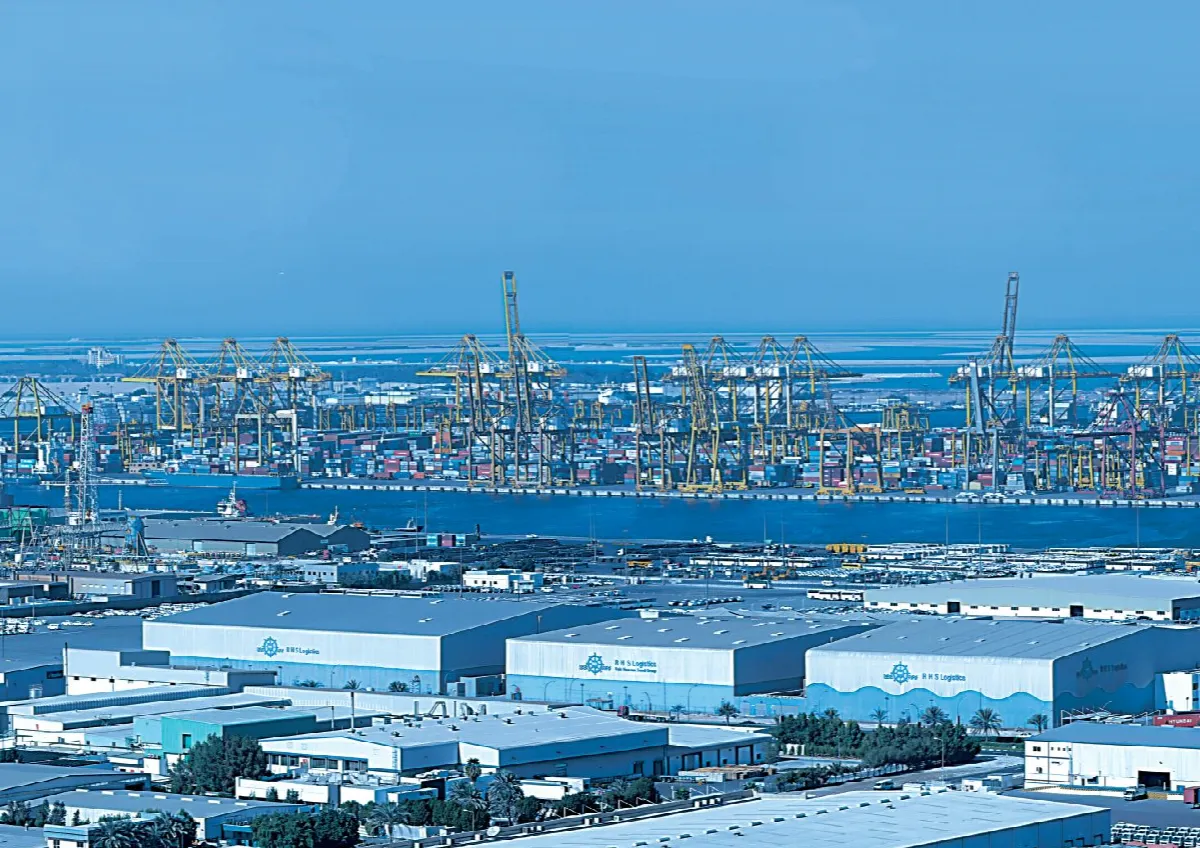
When discussing free trade zones in the United Arab Emirates, the Jebel Ali Free Zone (Jafza) stands out as a prime example of economic innovation and success. But is Jebel Ali truly a free trade zone? The answer is a resounding yes, and its impact on Dubai’s economy and global trade is nothing short of remarkable.
Understanding Free Trade Zones
Before delving into the specifics of Jebel Ali, it’s essential to understand what a free trade zone is. A free trade zone, also known as a free zone or free economic zone, is a designated area within a country where normal trade barriers such as tariffs, quotas, and bureaucratic requirements are significantly reduced or eliminated. These zones are designed to attract foreign investment, boost economic growth, and facilitate international trade.
The Birth of Jebel Ali Free Zone
Jafza was established in 1985 by a decree from Sheikh Mohammed bin Rashid Al Maktoum, the Ruler of Dubai. The creation of this free zone was a strategic move to capitalize on the newly opened Jebel Ali Port and to diversify Dubai’s economy beyond its traditional reliance on oil.
Starting with just 19 companies, Jafza has grown exponentially over the years. Today, it hosts over 9,500 companies, including more than 100 Fortune Global 500 enterprises, making it one of the world’s largest and most important free zones.
Key Features of Jebel Ali Free Zone
As a free trade zone, Jafza offers a range of benefits and features that make it attractive to businesses from around the world:
- 100% Foreign Ownership: Unlike in mainland Dubai, companies in Jafza can be fully owned by foreign entities without the need for a local partner.
- Tax Incentives: Jafza offers 0% corporate and personal income tax for 50 years (renewable), making it a highly tax-efficient location for businesses.
- Customs Duty Benefits: Companies enjoy 0% import and export duties, facilitating smoother international trade.
- Capital Repatriation: Businesses are allowed 100% repatriation of capital and profits, providing financial flexibility.
- Strategic Location: Jafza’s proximity to Jebel Ali Port, Al Maktoum International Airport, and major highways provides excellent connectivity for logistics and trade.
- World-Class Infrastructure: The free zone offers state-of-the-art facilities, including modern office spaces, warehouses, and logistics support.
- Streamlined Processes: Jafza provides simplified company formation procedures and fast-track visa processing, reducing bureaucratic hurdles.
These features align perfectly with the definition of a free trade zone, confirming that Jebel Ali is indeed a prime example of such an economic area.
Industries Thriving in Jafza
Jafza’s free zone status has attracted businesses from a wide range of industries. Some of the key sectors that have found success in this zone include:
- Logistics and Transportation: Given its strategic location and excellent connectivity, Jafza has become a major logistics hub.
- E-commerce: Many e-commerce companies have set up distribution centers in Jafza to serve the Middle East, Africa, and South Asia regions efficiently.
- Manufacturing: From electronics to automotive parts, Jafza hosts a variety of manufacturing industries.
- Food and Beverage: The F&B sector is growing rapidly, with numerous companies involved in food processing, packaging, and distribution.
- Chemicals and Petrochemicals: Leveraging the UAE’s status as a major oil producer, this sector has a strong presence in Jafza.
- Pharmaceuticals and Healthcare: The free zone has attracted numerous companies in this growing sector.
- Renewable Energy and Sustainability: Aligning with global trends, Jafza is seeing increased activity in green technologies and sustainable solutions.
The Unique Sea-Land-Air Logistics Corridor
One of Jafza’s most distinctive features is its sea-land-air logistics corridor, which sets it apart from many other free zones globally. This corridor connects Jebel Ali Port, Jebel Ali Free Zone, and Al Maktoum International Airport within a single customs bonded area.
Key aspects of this corridor include:
- Seamless Multimodal Connectivity: It provides smooth connections between sea, land, and air transportation modes in one integrated system.
- Reduced Transfer Time: The corridor reduces sea-air transfer time from 4 hours to less than 1 hour, significantly improving logistics efficiency.
- Elimination of Intermediate Customs Checks: Cargo can move from sea to air without any intermediate customs checks, speeding up the process considerably.
- Extensive Infrastructure: Spanning approximately 200 square kilometers, it offers extensive logistics facilities and infrastructure.
This unique logistics corridor enhances Dubai’s capability to move goods across the region and globally, serving as a crucial link in international trade.
Economic Impact of Jafza
The impact of Jebel Ali Free Zone on Dubai’s economy is substantial:
- It contributes 23.9% of Dubai’s total Foreign Direct Investment.
- Jafza generates over 135,000 jobs in the UAE.
- It accounts for 32% of total FDI flow into the UAE.
- The free zone contributes 21% of Dubai’s GDP annually.
These figures underscore the crucial role that Jafza plays in Dubai’s economic landscape and its importance as a free trade zone.
Challenges and Considerations
While Jafza offers numerous benefits, businesses considering setting up in this free zone should also be aware of potential challenges:
- Initial Setup Costs: While long-term tax benefits are significant, initial setup costs in Jafza can be higher compared to some other jurisdictions.
- Competition: With thousands of companies operating in the free zone, competition in certain sectors can be intense.
- Regulatory Compliance: While processes are streamlined, companies still need to comply with various regulations and regular audits.
- Limited Mainland Market Access: Companies in Jafza face some restrictions when trading directly with the UAE mainland market.
- Dependence on Global Economic Trends: As an international trade hub, Jafza can be sensitive to global economic fluctuations.
The Future of Jebel Ali Free Zone
Looking ahead, Jafza continues to evolve and adapt to changing global economic trends. Some key developments and future directions include:
- Focus on Innovation and Technology: Jafza is increasingly emphasizing innovation, attracting tech startups and companies focusing on emerging technologies like AI, blockchain, and IoT.
- Sustainability Initiatives: In line with global trends, Jafza is implementing more green building standards and eco-friendly policies.
- E-commerce Expansion: With the rapid growth of online retail, Jafza is positioning itself as a key e-commerce hub for the region.
- Enhanced Digital Services: The free zone is investing in digital infrastructure to offer more efficient online services for business setup and operations.
- Integration with Dubai’s Economic Vision: Jafza continues to align its strategies with Dubai’s broader economic goals, including diversification and knowledge-based growth.
- Expansion of Logistics Capabilities: With the ongoing development of Al Maktoum International Airport and continued enhancement of Jebel Ali Port, Jafza’s logistics capabilities are set to grow further.
Comparing Jafza to Other Free Zones
While Jebel Ali is undoubtedly a free trade zone, it’s worth comparing it to other free zones in the UAE and globally:
- Dubai International Financial Centre (DIFC): Unlike Jafza’s focus on trade and logistics, DIFC specializes in financial services.
- Dubai Multi Commodities Centre (DMCC): DMCC focuses more on commodities trading, while Jafza has a broader industry focus.
- Shanghai Free Trade Zone: This Chinese free zone is similar in concept but operates under different regulations and focuses more on financial services and advanced manufacturing.
- Singapore Free Trade Zone: Singapore’s free zones are primarily focused on entrepôt trade, while Jafza has a more diverse industry base.
Jafza’s unique combination of location, infrastructure, and regulatory benefits sets it apart from many other free zones globally.
Conclusion: Jebel Ali as a Model Free Trade Zone
In conclusion, Jebel Ali is not just a free trade zone; it stands as one of the world’s most successful and influential free zones. Its strategic location, comprehensive range of benefits, and innovative features like the sea-land-air logistics corridor have made it a cornerstone of Dubai’s economic success and a model for free zones globally.
For businesses looking to establish a presence in the Middle East or seeking a strategic base for international trade, Jebel Ali Free Zone offers unparalleled advantages. Its status as a free trade zone provides the regulatory and financial benefits that companies seek, while its world-class infrastructure and strategic location offer practical advantages for operations and logistics.
As global trade patterns continue to evolve, Jafza’s ability to adapt and innovate will be crucial. Its ongoing focus on technology, sustainability, and alignment with Dubai’s broader economic vision suggests that it will continue to play a vital role in the region’s economic landscape for years to come.
Whether you’re a multinational corporation looking to expand your global footprint or a startup seeking to tap into the Middle Eastern market, Jebel Ali Free Zone offers a compelling proposition. It’s not just a free trade zone; it’s a gateway to opportunities in one of the world’s most dynamic economic regions.