Sustainable Agriculture Jobs in the UAE: An Economic and Environmental Pillar of the Future
In the UAE, sustainable agriculture is addressing environmental concerns and creating job opportunities. Innovative techniques like hydroponics and vertical farming are reducing water use and environmental impact while increasing yield. This shift is not only enhancing food security and economic growth but also spurring a diverse job market in fields like agronomy, engineering, and environmental education.
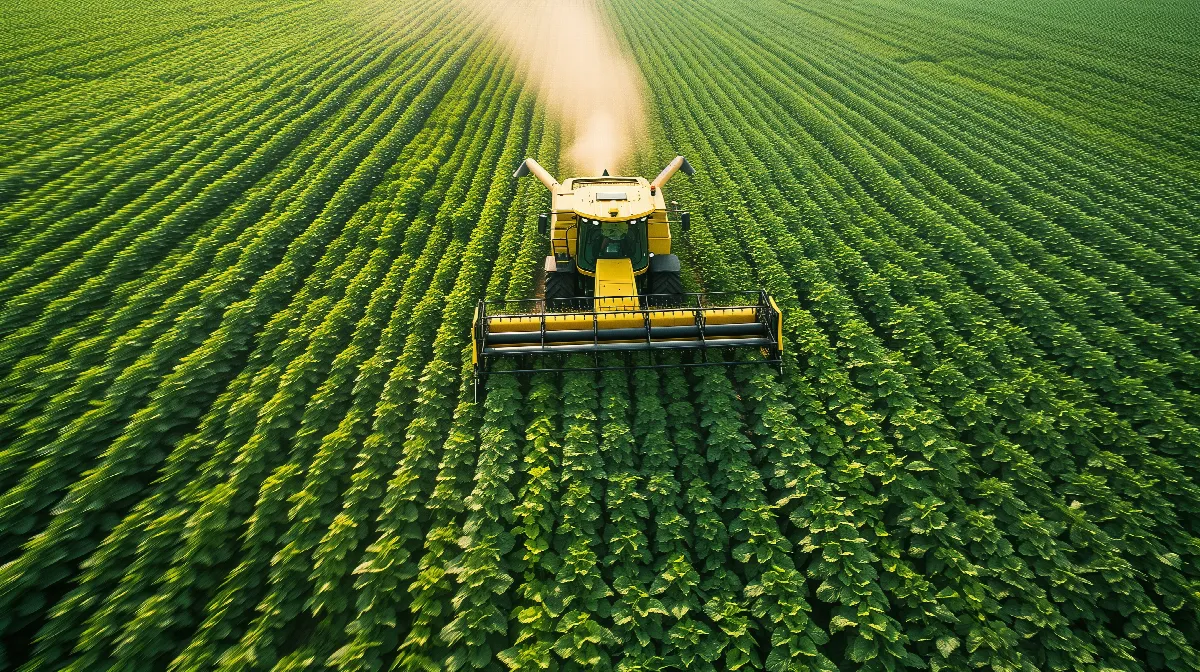
In a world where environmental concerns and sustainability issues are at the forefront, the UAE is positioning itself as a leader in sustainable agriculture. This shift not only addresses pressing climate challenges but also opens a myriad of job opportunities, thus marrying economic growth with environmental stewardship.
The Surge of Sustainable Agriculture in the UAE
The UAE’s harsh climate and arid landscape have traditionally posed significant challenges to conventional farming methods. However, advancements in technology and a strategic pivot towards sustainability have ushered in a new era of agriculture. Hydroponics, aquaponics, and vertical farming are not just buzzwords but are becoming the cornerstone of the UAE’s agricultural strategy. These innovative farming techniques use significantly less water and land, reduce transportation costs, and minimize the use of harmful pesticides and fertilizers, all while increasing yield.
Expanding Job Market in Green Agriculture
This green revolution is not just beneficial for the planet; it’s also creating a new, vibrant job market. From research and development, engineering, and biotechnology to sales, marketing, and management, the range of job opportunities is broad and multidisciplinary. Professionals are needed to design more efficient farming systems, manage operations, conduct research on crop varieties that thrive in arid conditions, and market sustainable produce to a growing consumer base interested in environmentally friendly products.
Key Job Roles in Sustainable Agriculture
- Agronomist: Specializing in crop and soil science to improve agricultural productivity.
- Hydroponic Farm Manager: Overseeing the production of crops in a controlled water-based environment.
- Agricultural Engineer: Designing new tools and machinery to advance sustainable farming practices.
- Sustainability Consultant: Advising farms on how to reduce their carbon footprint and become more sustainable.
- Environmental Educator: Creating awareness about sustainable practices within the community.
Economic and Environmental Impacts
The economic benefits of sustainable agriculture in the UAE are twofold. Firstly, it reduces the nation’s dependence on food imports, thereby enhancing food security. Secondly, it positions the UAE as a hub for green technology and sustainable farming practices, attracting investment and talent.
Environmental benefits are equally compelling. Sustainable agriculture conserves water – a precious resource in the UAE – and preserves soil health. Additionally, by localizing food production, the UAE can significantly reduce the carbon footprint associated with long-distance food transportation.
Key Takeaway
The transition toward sustainable agriculture in the UAE is more than an environmental necessity; it’s a robust economic opportunity. This sector not only promises a greener future but also offers a plethora of job prospects across various disciplines. As the UAE continues to innovate in sustainable agriculture, it sets a global example of how economic development and environmental stewardship can go hand in hand.