Dubai Real Estate Demand Climbs as Global Talent Shifts from US to UAE
Rising US visa costs and Dubai’s Golden Visa are driving a shift from renting to buying. Discover why skilled professionals are relocating to the UAE in 2025.
By Vadim Kouznetsov, published
By JobXDubai Team | November 24, 2025
Dubai’s property market is undergoing a fundamental transformation. For years, the sector was driven by speculative investors looking for quick returns. Today, a new wave of demand is emerging—fuelled by skilled professionals relocating from traditional hubs like the United States to build long-term futures in the UAE.
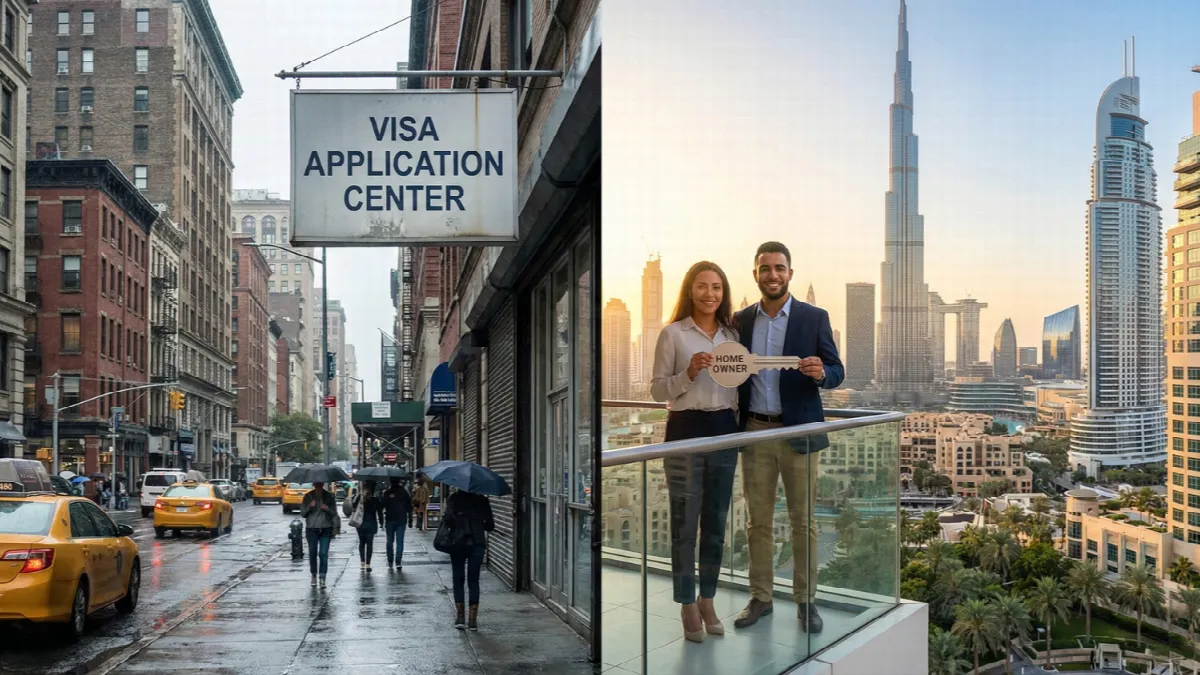
Industry leaders report that visa reforms, specifically the Golden Visa, combined with rising immigration pressures in the West, are accelerating the movement of both people and capital into Dubai.
Here is how this global talent shift is reshaping the emirate’s real estate landscape.
The US Connection: H-1B Fees and Tech Talent
One of the most surprising drivers of this shift is the changing immigration landscape in the United States. Recruitment experts have highlighted that rising costs are pushing companies to look for alternatives.
Mahesh Shahdadpuri, Founder and CEO of TASC Group, noted that the sharp rise in H-1B visa sponsorship fees (citing figures up to $100,000 per year) is reshaping global employment flows. As a result, the Gulf is becoming a compelling alternative for technology firms.
“Both companies and talent will migrate here… These companies would like to attract and hire more here to develop services for their global operations.” — Mahesh Shahdadpuri
This trend is evidenced by major moves like Microsoft’s $1.5 billion investment in G42, signaling that the UAE is becoming a serious contender for global tech talent.
For more on the tech opportunities driving this migration, read our report on UAE Tech Jobs 2025: Most In-Demand Positions.
From Renters to Owners
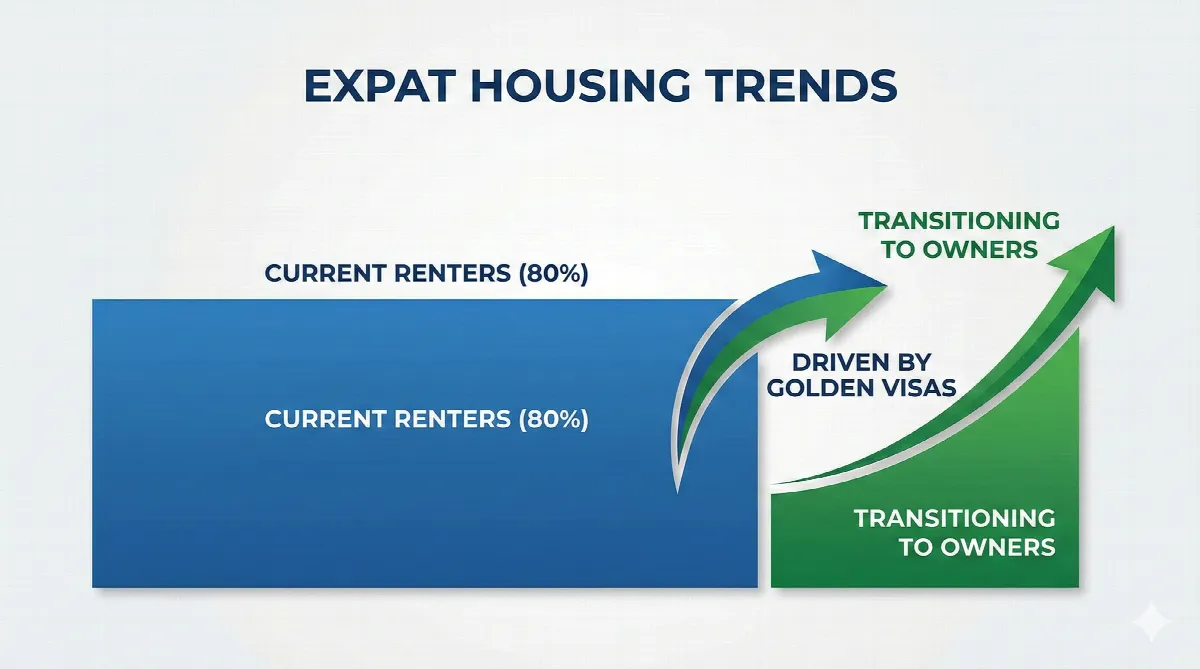
Currently, approximately 80% of expatriates in Dubai live in rental homes. However, Abdulla Lahej, Chairman of Amaal, observes that this is changing.
As residency policies mature and professionals secure Golden Visas, many long-term residents are transitioning from tenants to homeowners. The logic is simple: why pay rent when you can build equity in a tax-free environment?
With rental yields averaging 7.2% for apartments and steady capital appreciation, the secondary market remains active, while developers are accelerating off-plan supplies to meet this new end-user demand.
Competitive Edge Over Western Markets
The primary allure of Dubai remains its financial and regulatory framework. Compared to the US, UK, or Canada, where high taxes and tight lending criteria squeeze affordability, Dubai offers a unique value proposition.
Why Professionals are Choosing Dubai:
- Zero Income Tax: A massive incentive for high earners.
- World-Class Infrastructure: From transport to digital connectivity.
- Regulatory Clarity: Initiatives like the Golden Visa provide stability.
Saltini, another industry voice, noted that while financing can be a hurdle for some non-residents, the overall value continues to draw capital away from markets facing political uncertainty and rising taxes.
The Luxury Boom and Future Supply
The top end of the market is also seeing a surge. Home sales priced at $10 million-plus reached approximately $2.6 billion in the second quarter of 2025 alone.
However, analysts warn of a potential supply-demand mismatch.
- Supply Wave: Between 150,000 and 210,000 new units are expected to enter the market in 2026.
- The Mix: About 80% of new homes scheduled between 2025 and 2029 are apartments, with only 17% being villas.
While population growth is expected to absorb much of this volume, credit rating agencies predict a possible correction in real estate prices in 2026.
FAQ: Real Estate & Relocation
1. Can US citizens buy property in Dubai? Yes, Dubai offers freehold ownership to all nationalities in designated areas.
2. Does buying property get you a visa? Yes. Property investment is one of the key pathways to obtaining a Golden Visa (10-year residency) or a 2-year property investor visa, depending on the investment value.
3. Is it better to buy or rent in 2025? With rental yields high (7.2%) and rents rising, many long-term residents are finding that buying offers better financial stability, provided they have the down payment.
Key Takeaway
Dubai is no longer just a transit stop for expatriates. Driven by global shifts in immigration policies and the allure of a tax-free, stable lifestyle, skilled professionals are planting roots. This transition from “renter” to “owner” is fuelling a sustainable demand for real estate that goes beyond mere speculation.
Further Reading:
The UAE week, every Monday
The week's stories on jobs, visas, money and daily life in one short email. Unsubscribe in one click.