Travel Bans in the UAE: Can a Bounced Cheque or Unpaid Traffic Fine Stop You From Travelling?
Can a bounced cheque or traffic fine stop you from flying? Learn the difference between civil and criminal travel bans in UAE and how to check your status.
By Vadim Kouznetsov, published
By JobXDubai Team | November 22, 2025
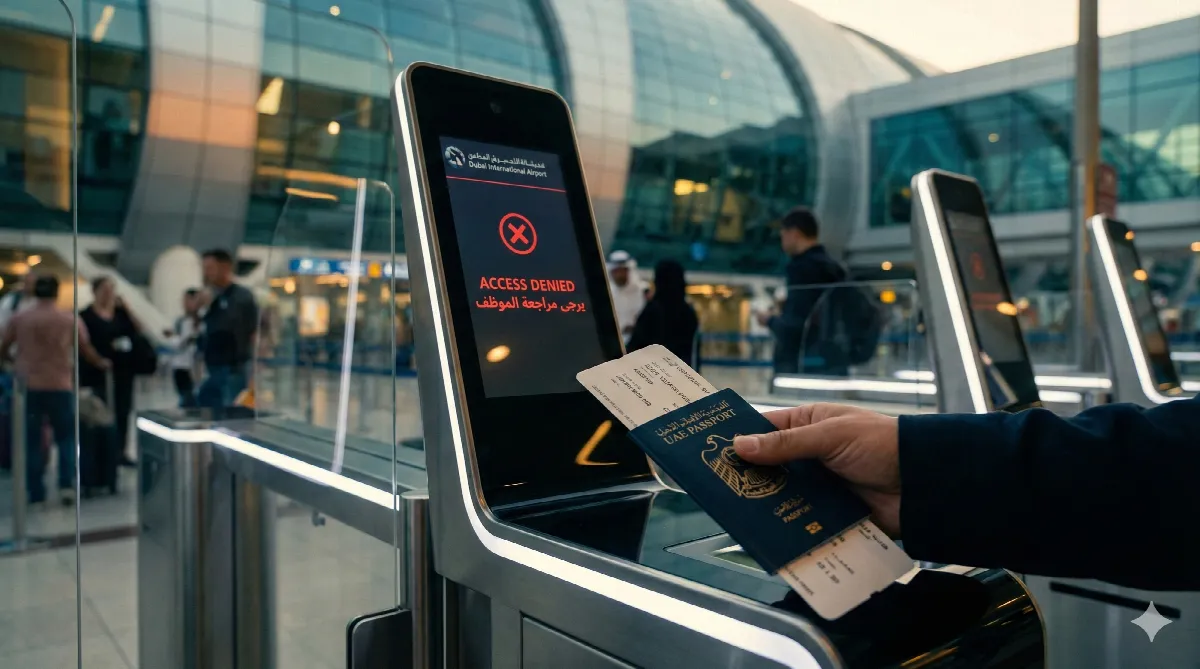
For many UAE residents, the fear of being stopped at airport immigration is a recurring nightmare. The confusion often stems from a lack of clarity: Does an unpaid speeding ticket trigger a ban? What about a credit card payment missed three months ago?
Travel bans are a serious legal tool in the UAE, typically used to prevent individuals involved in legal disputes or criminal investigations from leaving the country. However, not every violation leads to a flight restriction.
We consulted UAE legal experts to break down the differences between civil and criminal bans, and exactly what you need to do if you find yourself on the no-fly list.
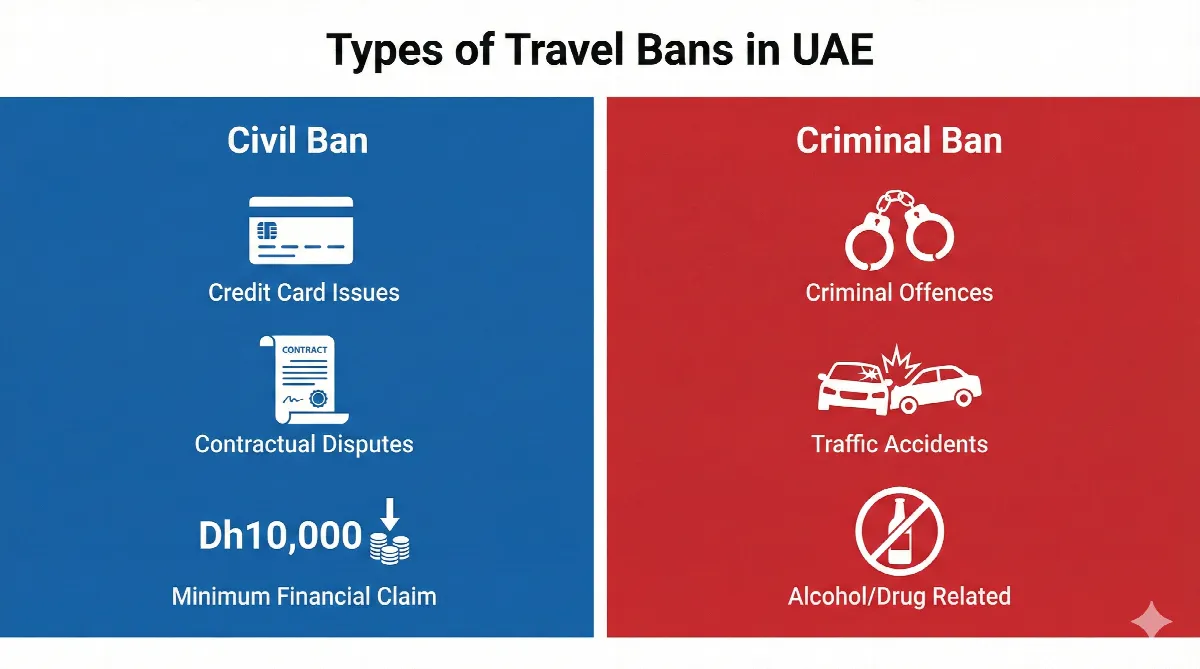
Civil vs. Criminal: What is the Difference?
Understanding the type of ban is the first step to resolving it.
- Civil Travel Bans: These are usually requested by a creditor (like a bank or landlord) to ensure you don’t leave the country without paying a debt. Under Federal Decree-Law No. 42 of 2022, the debt must be at least Dh10,000 for a ban to be considered.
- Criminal Travel Bans: These are imposed by the Police or Public Prosecution during investigations into crimes. This includes serious traffic offenses, theft, or fraud.
Can a Bounced Cheque Stop You?
Yes. In the UAE, a bounced cheque is a powerful document.
Dr. Hassan Elhais, a legal consultant, explains that a bounced cheque is considered an “executory deed.” This means a creditor can skip a long trial and go straight to the execution judge to demand payment.
If you fail to pay after being notified, the creditor can request a travel ban immediately. This is one of the most common reasons for sudden travel restrictions. For more on dealing with financial disputes, read our guide on UAE Labour Law: How to Claim Unpaid Benefits.
Do Traffic Fines Trigger a Ban?
Generally, no. Administrative traffic violations—like speeding, parking fines, or lane discipline issues—do not trigger a travel ban on their own.
However, Ahmed Odeh, Managing Partner at MIO Law Firm, highlights two exceptions:
- Criminal Traffic Offenses: Serious violations like driving under the influence (DUI), hit-and-run incidents, or reckless driving causing injury are criminal acts. These will likely lead to a travel ban under Federal Decree-Law No. 14 of 2024.
- Accumulated Civil Debt: If you refuse to pay significant fines and the authorities escalate the matter to a civil claim exceeding Dh10,000, a ban becomes possible.
To stay updated on traffic regulations, check out the UAE Traffic Law 2025: New Licence Rules & Penalties.
How to Lift a Travel Ban
If you discover a ban, don’t panic. The process to remove it is structured.
For Civil Bans: The ban is lifted once the reason for it disappears.
- Pay the Debt: Deposit the full amount due into the court’s treasury.
- Request Removal: Once paid, apply to the court to lift the execution measures.
- Automatic Clearance: The lifting process is often fast—sometimes within 24 to 48 hours—once the system updates.
For Criminal Bans: These remain until the investigation ends, the case is dismissed, or a final verdict (and punishment) is served.
FAQ: Travel Bans
1. How can I check if I have a travel ban? You can use the “Estafser” service on the MOJ website, the Dubai Police app, or the Dubai Courts website to check for active cases.
2. Can I travel if my debt is below Dh10,000? Generally, creditors cannot request a travel ban for civil debts under Dh10,000. However, this does not apply to maintenance (alimony) or specific work-related obligations.
3. Does a credit card default cause an automatic ban? Not “automatic.” The bank must file a case and request the ban. They typically do this only after you miss multiple payments and they fear you might flee.
Need Immediate Legal Answers?
If you are unsure about your legal status or rights, use our specialized AI assistant: uae-labour-law.com – Expert answers on UAE laws and regulations.
Key Takeaway
Travel bans in the UAE are specific legal measures, not random punishments. While a minor speeding ticket won’t stop you at the airport, a bounced cheque or an unpaid debt over Dh10,000 certainly can. Always check your status via official government apps before planning international travel.
Further Reading:
The UAE week, every Monday
The week's stories on jobs, visas, money and daily life in one short email. Unsubscribe in one click.