Do UAE Banks Freeze Accounts After Death? What Expats Need to Know
Discover why UAE banks freeze accounts after death, even joint ones. Learn how to protect your assets with a will and navigate inheritance laws.
By Vadim Kouznetsov, published

By JobXDubai Team | November 22, 2025
Thinking about what happens after death is never pleasant, but ignoring the financial reality can leave your grieving family in a precarious position.
For many expats, the assumption is that bank accounts—especially joint ones—will automatically transfer to a surviving spouse. In the UAE, this is a dangerous misconception. The reality is that banks operate under strict protocols that can lead to immediate complications, frozen funds, and significant stress during an already difficult time.
Here is the crucial information you need to protect your family’s financial future.
The Immediate Freeze: Even Joint Accounts
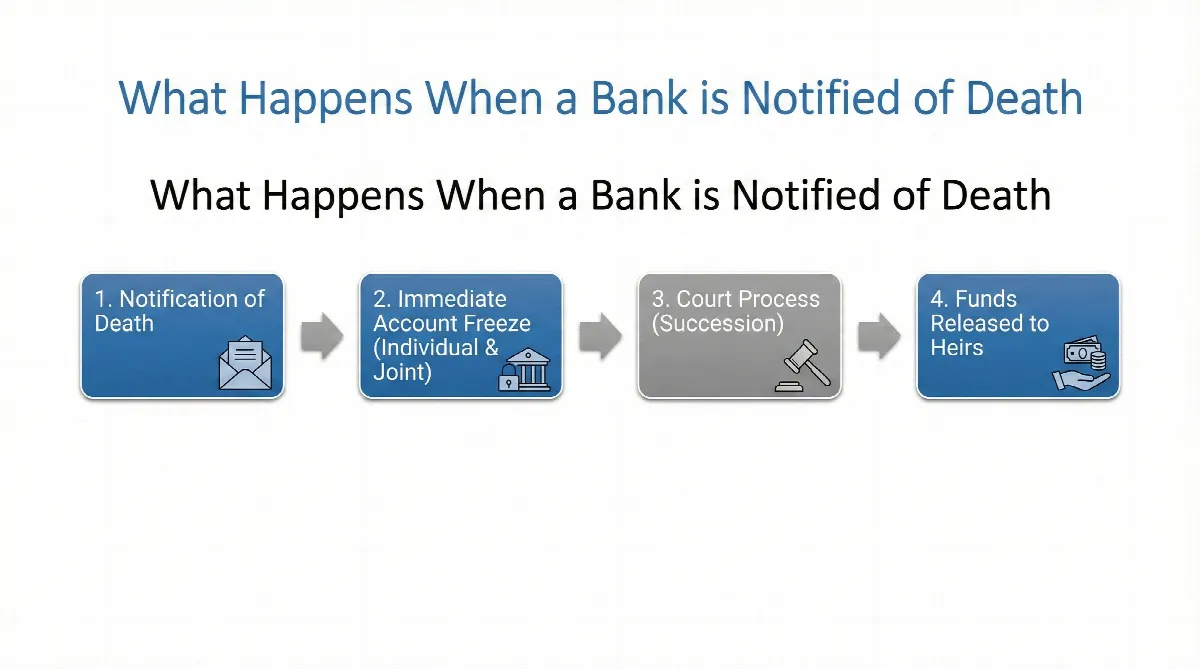
It is standard practice for UAE banks to freeze an individual’s accounts immediately upon being notified of the account holder’s death.
According to legal experts, this freeze is comprehensive. It applies not only to personal accounts but also to joint accounts. The freeze remains in place until the bank receives a specific court order to release or distribute the funds.
This measure is intended to protect the deceased’s assets and ensure debts are paid before inheritance is distributed. However, for a surviving spouse who relies on that joint account for daily expenses, rent, or school fees, the sudden loss of access can be devastating.
Why You Need a Locally Recognised Will
Having a valid, locally recognised will is one of the most effective ways to mitigate these risks. While it may not prevent the initial freeze, it significantly streamlines the subsequent legal process.
With a Will: The court process to identify heirs and unfreeze funds is predictable and typically faster. Without a Will: The court applies default inheritance rules. This can lead to outcomes that differ from your wishes, cause long delays, and create potential hardship for dependents while succession proceedings drag on.
For a deeper dive into legal asset protection, read our UAE Expat Property Guide: Essential Legal Steps.
Default Rules: Sharia vs. Home Country Law
In the absence of a will, the UAE courts apply the default succession regime.
- For Muslims: Inheritance is generally governed by Sharia-based rules, which mandate specific fixed shares for heirs.
- For Non-Muslims: The process varies by emirate. While some frameworks allow estates to be distributed under home-country laws, this often requires complex legal steps to be recognised by the court.
Without clear planning, families are often blindsided by the default distribution of assets. To understand how foreign wills are treated, check our guide on UAE Inheritance Laws: Can Foreign Wills Cover Your Assets?.
Actionable Steps for Expats
To safeguard your family, proactive planning is essential.
- Draft a Will: Choose a qualified draftsman registered with a regulated jurisdiction (like DIFC Wills Service Centre or Abu Dhabi Judicial Department).
- Consider Account Structures: Speak to your bank about “survivorship” clauses, though their enforceability can vary.
- Separate Accounts: Ensure your spouse has their own independent bank account with sufficient emergency funds to cover expenses for several months.
- Guardianship: If you have minor children, a will is critical for appointing interim and permanent guardians.
Recent reforms have updated these regulations significantly. Learn more about the UAE Personal Status Law 2025.
FAQ: Bank Freezes & Inheritance
1. Does the freeze apply to joint accounts? Yes. In most cases, the entire joint account is frozen until the court determines the deceased’s share and authorizes release.
2. Can I use my home country will? You can, but it must be legalised, translated, and recognised by UAE courts, which takes time. A UAE-specific will is generally faster and more effective.
3. How long does the account stay frozen? It depends on the complexity of the estate and whether a will exists. It can range from a few weeks to several months.
Key Takeaway
A UAE bank account freeze is an automatic procedure upon death that affects both personal and joint accounts. To prevent financial distress for your loved ones, do not rely on home-country laws or assumptions. Registering a locally recognised will and maintaining separate emergency funds are critical steps for every expat.
Further Reading:
The UAE week, every Monday
The week's stories on jobs, visas, money and daily life in one short email. Unsubscribe in one click.