Abu Dhabi Dh50,000 Fine: Quad Bike & E-Scooter Residential Ban
Abu Dhabi cracks down on unauthorised quad bikes and e-scooters in residential areas. Fines up to Dh50,000, vehicle confiscation, and legal action.
By Vadim Kouznetsov, published
Quick Answer: Abu Dhabi residents face fines up to Dh50,000, vehicle confiscation, and legal action for unauthorised quad bike and e-scooter use in residential areas. Al Ghadeer community issued official warnings after safety incidents involving teenagers riding irresponsibly in shared spaces. Security teams report violations through Abu Dhabi Police app.
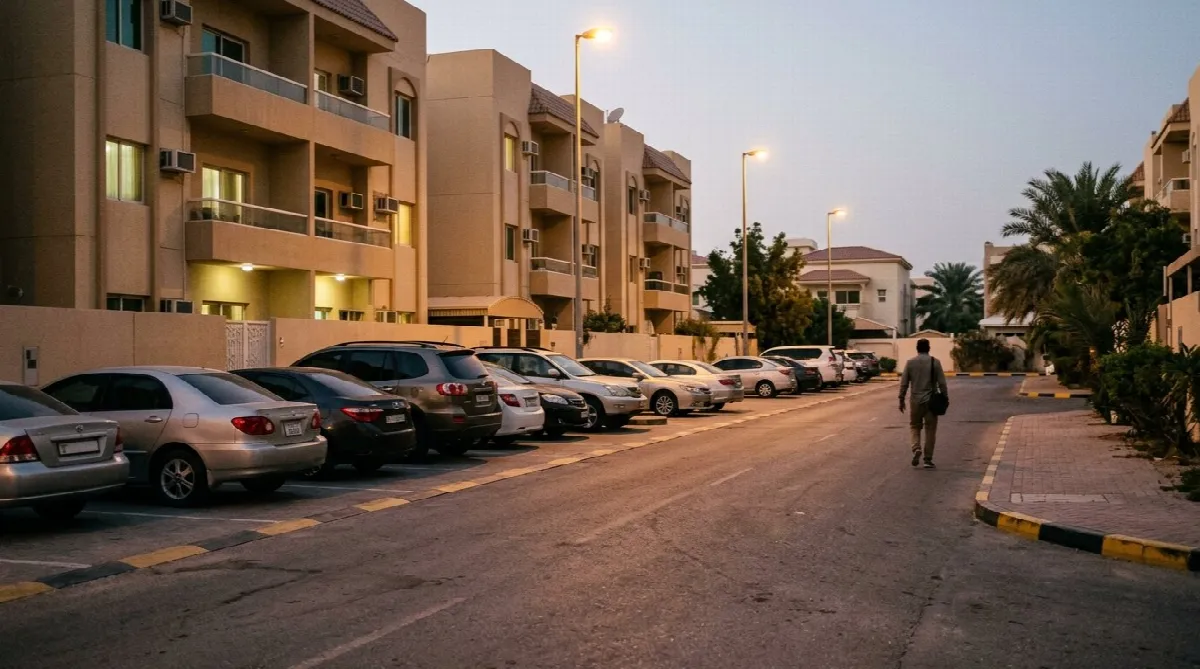
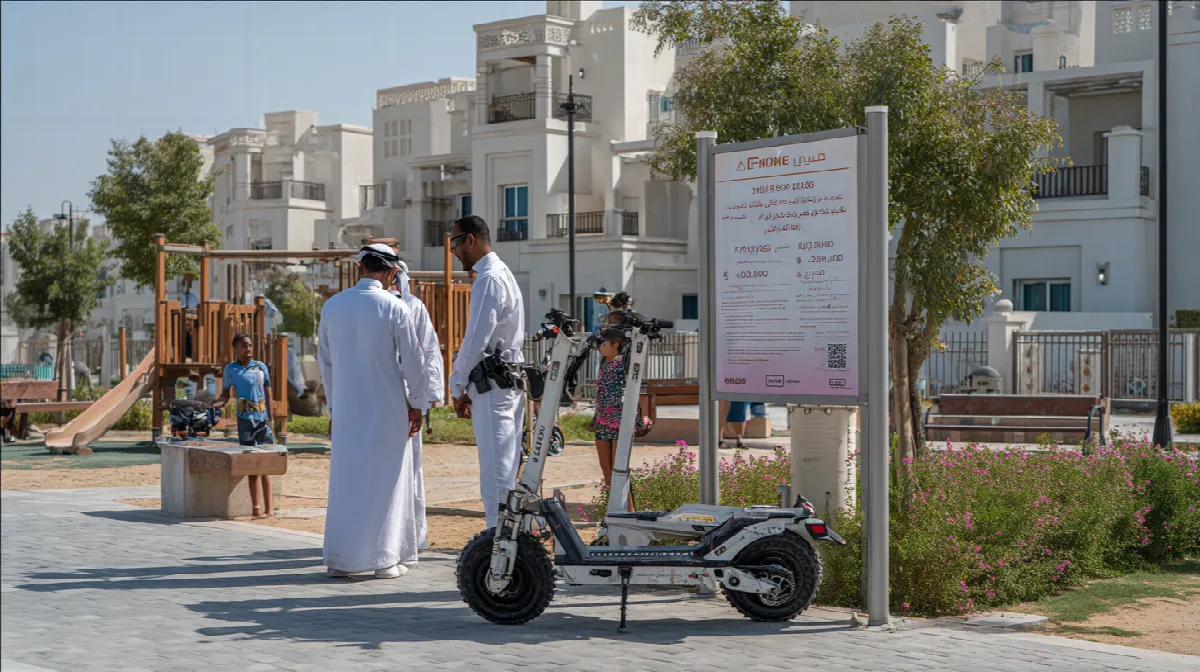
Abu Dhabi communities are taking firm action against the unauthorised use of quad bikes and e-scooters following increased safety concerns. Al Ghadeer residents received official notices highlighting dangers posed by teenagers riding these vehicles irresponsibly in pedestrian walkways and play areas.
The warning arrives as Abu Dhabi Police reiterate that using such vehicles in residential zones remains strictly prohibited. Violations can result in heavy fines, vehicle confiscation, and legal consequences for guardians who allow underage individuals to operate these vehicles.
What Are the Penalties?
The community management notice, seen by Khaleej Times, specifies three main consequences for violations:
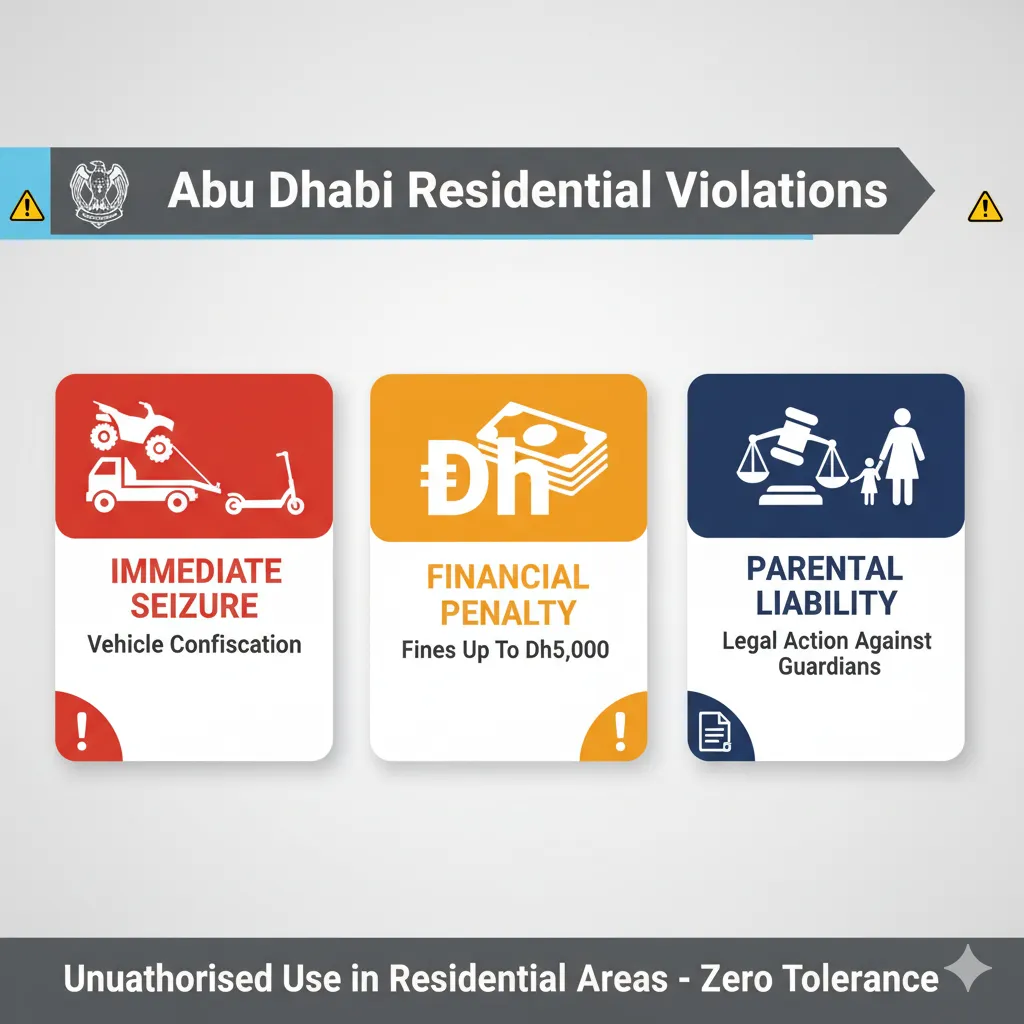
Vehicle Confiscation: Authorities will seize quad bikes and e-scooters used illegally in residential areas. This immediate action removes the vehicle from the rider’s possession regardless of ownership status.
Fines Up to Dh50,000: Financial penalties can reach Dh50,000, representing one of the strictest enforcement measures for micro-mobility violations in the UAE.
Legal Action Against Guardians: Parents and guardians face legal consequences for allowing underage individuals to operate such vehicles. This provision holds adults accountable for minors’ actions, emphasising parental responsibility.
These penalties align with broader UAE traffic safety measures introduced to reduce accidents and improve road safety across all emirates.
Why the Crackdown?
Recent community concerns triggered the official response. Residents shared reports of a minor accident on social media, voicing frustration over the growing presence of these vehicles in neighbourhoods.
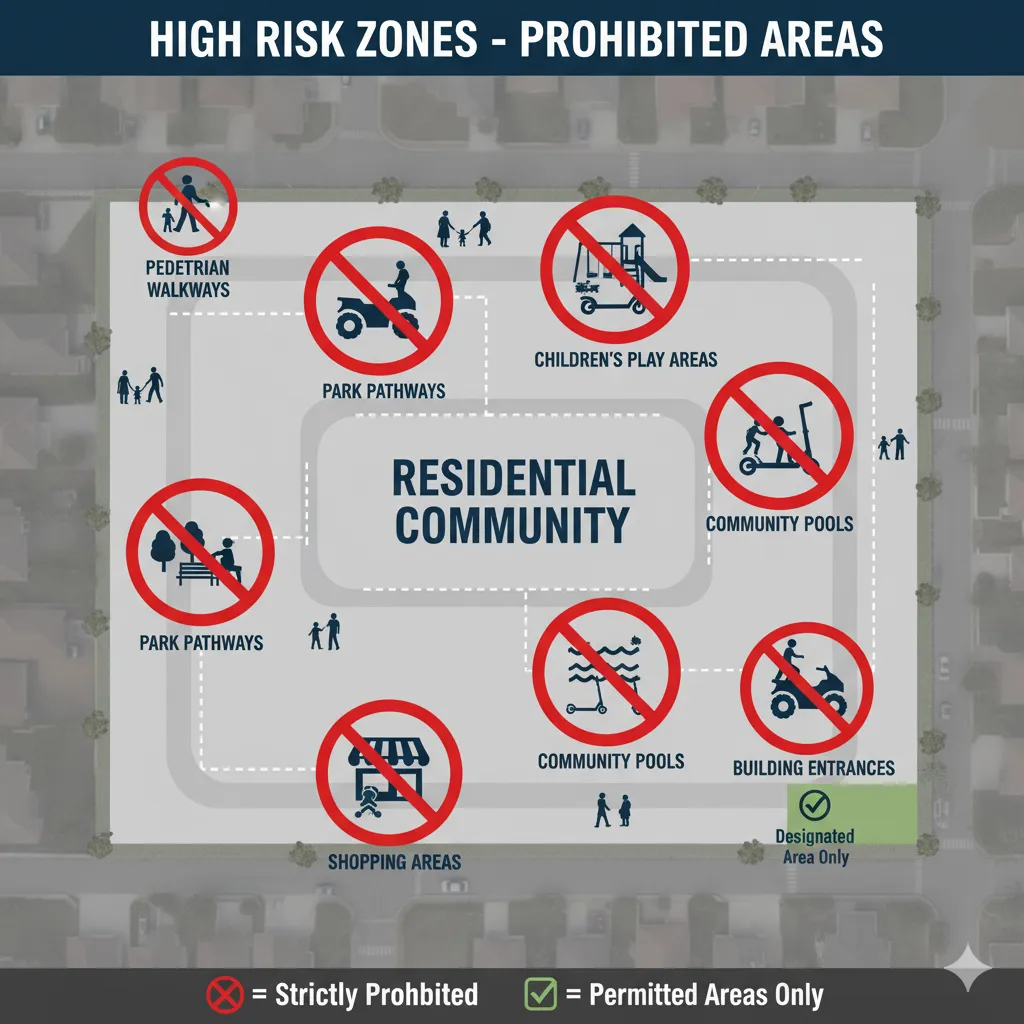
The community management notice stated: “While we understand the excitement and enjoyment these activities may bring, it is important to highlight that such practices pose a significant danger to the riders themselves and to other residents, especially children playing outdoors and pedestrians using walkways.”
Safety risks include collisions with pedestrians, property damage, noise disturbances, and the creation of hazardous environments in areas designed for walking and children’s play.
Resident Reactions
Long-term Al Ghadeer residents expressed strong support for the enforcement measures.
Dwain Teixeira, who has lived in the community for more than four years, called these micro-mobility vehicles “a nuisance.” The South African expatriate noted that “people driving them do not care for anyone else. It’s not just the young kids who aren’t obeying the rules; the older kids and grown-ups are, too.”
Emma Brain, a media professional living in Al Ghadeer Village, advocates for responsible use and adherence to law. “I think more should have been done sooner. Nearly every day, people are riding irresponsibly on e-scooters, quad bikes, and other types of transport that are not legal on the road. So many children have had near misses.”
She added: “Ideally, all these modes of transport should be off the streets, off pavements. We have community rules, but they’re not enforced. It won’t be long before there is a serious accident.”
Sam Kal, one of Al Ghadeer’s earliest residents since 2014, believes the community will now be safer. “As I drive around the neighbourhood frequently, I often see children riding e-scooters recklessly, posing a danger to themselves and to others.”
Parental Responsibility
Community members emphasise that parents must educate children about traffic rules before providing access to these vehicles.
Sam Kal stated: “Parents must educate kids about traffic rules before giving them these rides and adults, who use quad bikes in the community, should also follow the rules.”
Dwain Teixeira reinforced this sentiment: “Young kids should be taught by their parents, and yes, if their parents do not teach them, they should be held accountable for it.”
The legal framework supports this approach. By holding guardians liable for allowing underage individuals to operate prohibited vehicles, authorities create accountability structures extending beyond the riders themselves.
Enforcement Measures
Al Ghadeer’s security team received instructions to report all non-compliance incidents through the Abu Dhabi Police app, aligning with authorities’ directives.
This systematic reporting approach creates consistent enforcement rather than sporadic interventions. Community management can track violation patterns, identify repeat offenders, and coordinate with police for appropriate action.
Residents are urged to educate children about community rules and prioritise safety. This collaborative approach between authorities, security personnel, and residents aims to create lasting behaviour change.
Quad Bike Rules in Abu Dhabi
Abu Dhabi maintains strict regulations governing quad bike use. Public roads, residential areas, and parking lots remain strictly off-limits. These vehicles should only be used in off-roading areas such as deserts or other approved sites.
Safety Gear Requirements: Riders must wear helmets, with additional protective equipment including gloves, goggles, and appropriate clothing strongly recommended.
Age Restrictions: The minimum age to ride standard ATVs is generally 16 years. Some tour operators may have different guidelines for younger riders when accompanied by adults.
Licensing Requirements: Solo riders must hold valid quad bike licences or permits. A UAE driving licence isn’t required for guided tours, as licensed operators provide necessary permits and compliance.
Rental Restrictions: Renting a quad bike for solo use without proper permits isn’t allowed. This prevents unauthorised use by individuals lacking appropriate training or documentation.
Violating these rules results in severe penalties including fines, legal action, and vehicle seizure. The regulations reflect serious safety concerns surrounding quad bike operation in populated areas.
E-Scooter Rules in Abu Dhabi
E-scooter regulations in Abu Dhabi aim to balance convenience with safety. Recent enforcement actions highlighted the dangers of non-compliance.
In August, Abu Dhabi Police released footage capturing three men riding e-scooters across three separate intersections. The video showed riders weaving through traffic, with one narrowly avoiding collision with an SUV. They weren’t adhering to designated-area rules and rode without helmets or protective gear.
Age Requirements: Electric scooter riders must be at least 16 years old.
Mandatory Equipment: Riders must wear helmets and reflective gear whilst riding.
Lane Usage: E-scooters must use designated lanes where available.
Speed Limits: Riders must adhere to speed limits generally between 15-20 km/h, which may vary by location.
Pedestrian Crossings: Riders must dismount at pedestrian crossings.
Parking Rules: E-scooters should park only in marked areas.
Passenger Prohibition: Carrying passengers on e-scooters isn’t permitted.
Safe Riding: Reckless riding behaviour results in penalties and enforcement action.
These rules mirror regulations implemented in Dubai, where communities like JBR have banned e-scooters and e-bikes entirely following safety concerns.
Broader UAE Trends
The Al Ghadeer action follows similar measures across the UAE. In May 2025, Victory Heights residential community implemented a ban on electric motorbikes, following an earlier e-bike and e-scooter ban in JBR in 2024.
These measures sparked broader advocacy among residents across Dubai for wider restrictions on such vehicles in residential areas. The pattern demonstrates growing community concern about micro-mobility safety in shared spaces.
Thomas Edelmann, founder and managing director of RoadSafetyUAE, earlier told Khaleej Times: “We see blatant disrespect from riders regarding the helmet mandate, lights, areas of use, age limit, no-passenger rule, and allowed areas.”
He emphasised: “Regulation needs urgent attention. The current regulations should be updated to clearly define where e-scooters, e-bikes, and especially e-motorbikes are permitted to operate. When it comes to enforcement, riders who break the rules must be held responsible.”
The road safety expert added that security staff of residential developments, schools, and universities must engage with violators and make them aware of rules. Adult riders must lead by example.
Edelmann warned that unless stronger safety measures and licensing requirements are swiftly introduced, e-bikes and e-scooters could follow the same path as hoverboards, which faced bans due to public nuisance.
The Debate: Regulation vs Ban
Whilst e-scooters and e-bikes offer convenient, eco-friendly transportation, their growing popularity led to increased traffic violations and fatalities. Many residents call for either tighter regulation or outright bans within residential areas.
Others argue that blanket bans represent setbacks for daily commuters relying on these transport modes. One Al Ghadeer resident, who requested anonymity, said: “E-scooters and e-bikes serve an unquestionable purpose. I ride an e-scooter to the supermarket or to the park; there shouldn’t be a blanket ban.”
Emma Brain countered: “People were fine before these vehicles and will be okay even with these restrictions. Kids will be fitter again as they actually have to walk.”
This debate reflects tensions between innovation, convenience, and safety. Communities must balance multiple priorities: protecting pedestrians and children, accommodating legitimate transport needs, supporting environmental goals through alternative mobility, and maintaining pleasant living environments.
What This Means for Residents
Abu Dhabi residents must understand and comply with vehicle regulations in residential areas. The Dh50,000 fine represents a substantial financial penalty that far exceeds typical traffic violations.
Parents should:
- Educate children about traffic rules and community regulations
- Supervise young riders closely
- Understand legal liability for minors’ actions
- Consider alternative activities for children’s recreation
E-scooter and quad bike owners should:
- Use vehicles only in designated, permitted areas
- Wear required safety equipment
- Obtain necessary permits and licences
- Respect residential community rules
- Consider impact on other residents
Community members can:
- Report violations through official channels
- Engage constructively with security personnel
- Support education initiatives for young residents
- Advocate for clear, enforceable policies
Frequently Asked Questions
Can I ride an e-scooter in Abu Dhabi residential areas?
No, e-scooter use in residential areas faces restrictions. Riders must use designated lanes and areas. Unauthorised use results in fines, vehicle confiscation, and legal action.
What age can children ride e-scooters in Abu Dhabi?
The minimum age for e-scooter riders is 16 years. Younger individuals cannot legally operate e-scooters, even with parental supervision.
Are parents liable if their child violates these rules?
Yes, guardians face legal consequences for allowing underage individuals to operate prohibited vehicles. This includes fines and potential legal action.
Where can I legally ride a quad bike in Abu Dhabi?
Quad bikes are permitted only in off-roading areas such as deserts or other approved sites. Public roads, residential areas, and parking lots are strictly prohibited.
How do authorities enforce these regulations?
Community security teams report violations through the Abu Dhabi Police app. Police can impose fines, confiscate vehicles, and take legal action against offenders and their guardians.
What safety equipment is required for e-scooters?
Riders must wear helmets and reflective gear. Additional protective equipment, whilst not always mandatory, is strongly recommended.
Can adults ride quad bikes in residential communities?
No, adults also face restrictions. Quad bikes are prohibited in residential areas regardless of rider age or licensing status.
What happens if my vehicle is confiscated?
Vehicle confiscation means authorities seize the quad bike or e-scooter. Recovering the vehicle typically requires paying fines, potentially up to Dh50,000, and demonstrating compliance with regulations.
Moving Forward
The Al Ghadeer action signals Abu Dhabi’s commitment to residential safety. Communities across the emirate may implement similar measures as awareness grows about micro-mobility risks in shared spaces.
Residents should stay informed about local regulations, community rules, and enforcement priorities. Understanding these requirements prevents costly violations whilst contributing to safer neighbourhoods.
The balance between innovation and safety continues evolving. As micro-mobility options multiply, regulations will adapt to address new challenges whilst supporting legitimate transport needs.
For now, Abu Dhabi’s message remains clear: residential areas prioritise pedestrian safety, children’s wellbeing, and community tranquility over individual convenience in vehicle use.
Further Reading
The UAE week, every Monday
The week's stories on jobs, visas, money and daily life in one short email. Unsubscribe in one click.