Dubai Taxi Fares 2025: New RTA Rates for Smart Apps Explained
Dubai RTA raises minimum taxi fare to Dh13 with new peak-hour surcharges. Learn the complete fare structure for weekdays, weekends, and night trips via e-hail apps.
By Vadim Kouznetsov, published
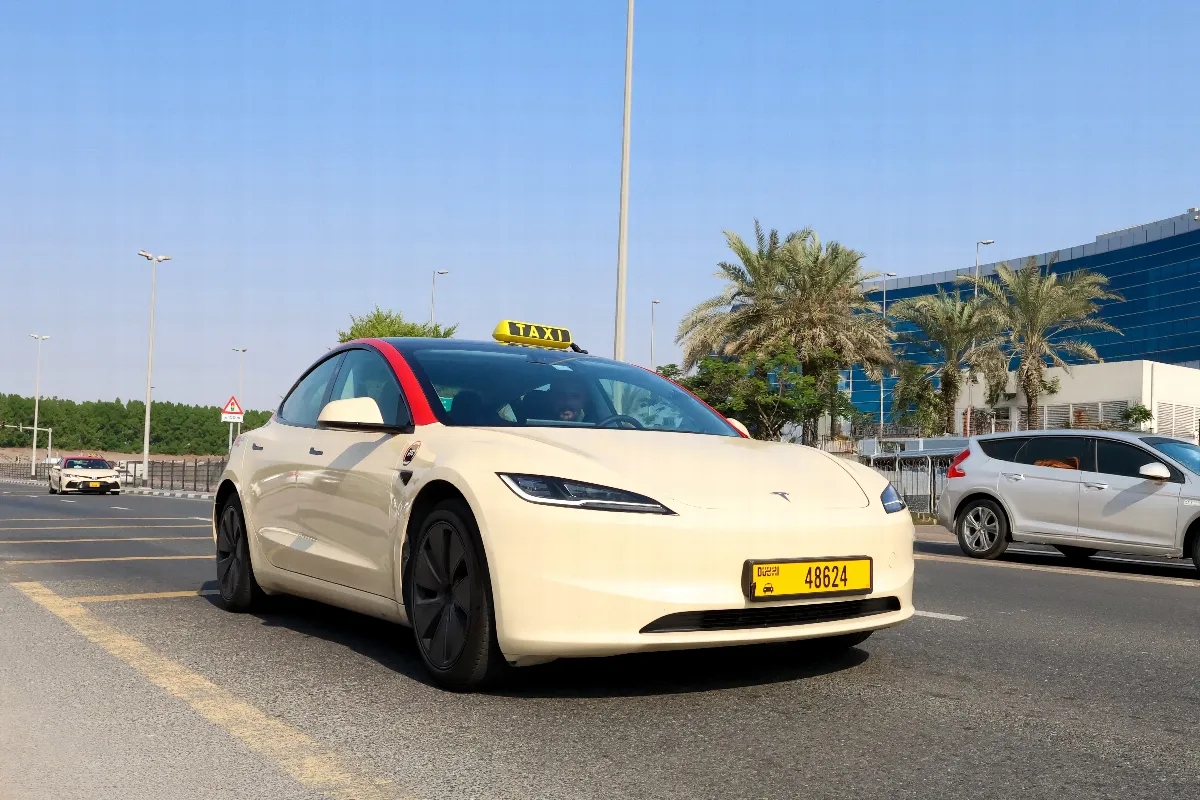
Dubai’s Road and Transport Authority (RTA) announced significant changes to taxi fares for rides booked through e-hail smart applications. The new pricing structure introduces increased minimum fares, variable peak-hour surcharges, and day-specific rates that will affect how residents and visitors budget for taxi travel.
These changes apply to all rides booked through smart booking platforms including Uber, Careem, and the RTA’s own Dubai Taxi app. Understanding the new fare structure helps you plan journeys more efficiently and manage transport costs across different times and days.
Dubai RTA Taxi Fares 2025 – Complete Guide
New Minimum Fare
Previous: Dh12 | Current: Dh13
Monday to Thursday
| Time Period | Hours | Type | Flagfall | Surcharge | Base Total |
|---|---|---|---|---|---|
| Morning Peak | 8:00am – 9:59am | PEAK | Dh5 | Dh7.5 | Dh12.5 |
| Daytime Off-Peak | 10:00am – 3:59pm | OFF-PEAK | Dh5 | Dh4 | Dh9 |
| Evening Peak | 4:00pm – 7:59pm | PEAK | Dh5 | Dh7.5 | Dh12.5 |
| Evening Off-Peak | 8:00pm – 11:59pm | OFF-PEAK | Dh5 | Dh4 | Dh9 |
| Night Hours | 12:00am – 5:59am | NIGHT | Dh5.5 | Dh4.5 | Dh10 |
| Early Morning | 6:00am – 7:59am | OFF-PEAK | Dh5 | Dh4 | Dh9 |
Friday
| Time Period | Hours | Type | Flagfall | Surcharge | Base Total |
|---|---|---|---|---|---|
| Morning Peak | 8:00am – 9:59am | PEAK | Dh5 | Dh7.5 | Dh12.5 |
| Daytime Off-Peak | 10:00am – 3:59pm | OFF-PEAK | Dh5 | Dh4 | Dh9 |
| Extended Evening Peak | 4:00pm – 9:59pm | PEAK | Dh5 | Dh7.5 | Dh12.5 |
| Late Evening | 10:00pm – 11:59pm | OFF-PEAK | Dh5.5 | Dh4 | Dh9.5 |
| Night Hours | 12:00am – 5:59am | NIGHT | Dh5.5 | Dh4.5 | Dh10 |
| Early Morning | 6:00am – 7:59am | OFF-PEAK | Dh5 | Dh4 | Dh9 |
Saturday & Sunday
| Time Period | Hours | Type | Flagfall | Surcharge | Base Total |
|---|---|---|---|---|---|
| Morning Off-Peak | 6:00am – 3:59pm | OFF-PEAK | Dh5 | Dh4 | Dh9 |
| Afternoon/Evening Peak | 4:00pm – 9:59pm | PEAK | Dh5 | Dh7.5 | Dh12.5 |
| Late Evening Peak | 10:00pm – 11:59pm | PEAK | Dh5.5 | Dh7.5 | Dh13 |
| Night Hours | 12:00am – 5:59am | NIGHT | Dh5.5 | Dh4.5 | Dh10 |
Important Notes:
• Base Total = Flagfall + Surcharge (before distance charges)
• All trips have a minimum fare of Dh13
• These rates apply to rides booked through e-hail smart apps (Uber, Careem, RTA Dubai Taxi app)
• Distance and time-based charges apply on top of base rates
Quick Reference: Best Times to Travel
| Day | Best Time to Travel | Base Cost | Avoid These Hours |
|---|---|---|---|
| Monday – Thursday | 10:00am – 3:59pm 8:00pm – 11:59pm |
Dh9 | 8:00am – 9:59am 4:00pm – 7:59pm |
| Friday | 10:00am – 3:59pm | Dh9 | 4:00pm – 9:59pm |
| Saturday & Sunday | 6:00am – 3:59pm | Dh9 | 4:00pm – 11:59pm |
| 💡 Pro Tip: Save Dh3.5 per trip by travelling during off-peak hours instead of peak hours! | |||
Understanding the New Fare Structure
The minimum taxi fare has increased from Dh12 to Dh13, representing an 8.3% rise. This minimum applies to all trips regardless of distance or duration, creating a new baseline cost for even the shortest journeys.
Beyond the minimum fare increase, the RTA has introduced a sophisticated pricing system that varies based on three key factors:
Time of Day: Peak hours, off-peak hours, and night hours each carry different flagfall rates and surcharges.
Day of Week: Weekdays (Monday-Thursday), Friday, and weekends (Saturday-Sunday) have distinct peak hour definitions and pricing structures.
Booking Method: These new rates specifically apply to rides booked through e-hail smart applications rather than traditional street hails.
The flagfall—the initial charge when you start a trip—now ranges between Dh5 and Dh5.5 depending on the time of day. Additional surcharges ranging from Dh4 to Dh7.5 apply on top of this flagfall, creating multiple pricing tiers throughout the week.
For residents considering alternatives to taxis, Dubai’s public transport network offers various options that might prove more economical for regular commuters.
Peak Hours and Surcharge Breakdown
The RTA has established distinct peak hour windows that differ between weekdays, Friday, and weekends. Understanding these timeframes helps you anticipate fare variations.
Monday Through Thursday
Morning Peak: 8am to 9:59am Evening Peak: 4pm to 7:59pm
During these peak periods, riders pay a Dh5 flagfall plus a Dh7.5 peak-hour surcharge. This Dh12.5 base charge applies before distance-based fare calculations begin.
Off-Peak Hours: Outside these peak windows (but during daytime), the flagfall remains Dh5, but the surcharge drops to Dh4. This creates a Dh9 base charge for off-peak daytime travel.
Night Hours: From midnight to 5:59am, the flagfall increases to Dh5.5, with a Dh4.5 surcharge, totalling Dh10 before distance charges.
Friday
Friday’s peak hours extend longer than weekdays, reflecting the emirate’s shopping and leisure patterns at the start of the weekend.
Morning Peak: 8am to 9:59am Extended Evening Peak: 4pm to 9:59pm
The extended evening peak on Friday acknowledges increased social and dining activity, with the same Dh5 flagfall plus Dh7.5 surcharge applied throughout.
Late Evening: From 10pm to 11:59pm, the flagfall increases to Dh5.5, though the RTA hasn’t specified whether the peak surcharge continues during this window.
Night Hours: Midnight to 5:59am follows the standard night rate of Dh5.5 flagfall plus Dh4.5 surcharge.
Saturday and Sunday
Weekend pricing reflects leisure travel patterns with peak hours focused on afternoon and evening periods.
Afternoon/Evening Peak: 4pm to 9:59pm Late Evening Peak: 10pm to 11:59pm
During the 4pm-9:59pm slot, riders pay the standard Dh5 flagfall plus Dh7.5 peak surcharge. The 10pm-11:59pm slot sees an increased Dh5.5 flagfall whilst maintaining the Dh7.5 peak surcharge.
Off-Peak Daytime: Before 4pm (excluding morning hours), the flagfall remains Dh5 with a Dh4 surcharge.
Night Hours: Midnight to 5:59am maintains the consistent Dh5.5 flagfall plus Dh4.5 surcharge seen across all days.
For those tracking transport costs in Dubai, understanding these patterns helps budget more accurately.
How the New Fares Apply to E-Hail Apps
These fare changes specifically target rides booked through smart applications. The RTA’s announcement focuses on digital booking platforms, which have become the primary method for hailing taxis in Dubai.
The affected platforms include:
RTA Dubai Taxi App: The authority’s official application for booking regulated taxis.
Uber: The international ride-hailing platform operating under RTA regulations in Dubai.
Careem: The regional ride-hailing service acquired by Uber but maintaining separate operations.
Other Licensed E-Hail Services: Any platform officially licensed by the RTA to operate taxi services in Dubai.
When booking through these applications, the fare calculation now incorporates:
- Minimum fare of Dh13 (for very short trips) 2. Flagfall charge (Dh5 or Dh5.5 depending on time) 3. Peak-hour surcharge (Dh7.5, Dh4, or Dh4.5 depending on period) 4. Distance-based charges calculated per kilometre 5. Time-based charges if applicable during traffic delays
The apps should display fare estimates before you confirm the booking, incorporating these new rates into their calculations. However, actual fares may vary slightly from estimates based on route variations or traffic conditions.
Street hails—flagging down taxis directly on the road—may follow different fare structures. The RTA’s announcement specifically addressed smart app bookings, suggesting traditional taxi meters might operate under separate regulations.
Those who regularly commute between emirates should note that inter-emirate taxi trips may have additional surcharges beyond the new base fare structure.
Practical Impact on Your Commute Costs
These fare adjustments will affect different user groups in varying ways depending on travel patterns and timing.
For Daily Commuters
If you rely on taxis for your daily work commute, the peak-hour surcharges will create noticeable cost increases. A typical commute during morning or evening peak hours now includes an additional Dh7.5 surcharge compared to off-peak travel.
Consider a 10-kilometre commute from Dubai Marina to Downtown Dubai:
Previous Structure: Approximately Dh30-35 depending on traffic and route
New Peak-Hour Rate: The Dh7.5 additional surcharge plus the Dh1 minimum fare increase could push this to Dh38-44
Off-Peak Alternative: Travelling outside peak hours reduces the surcharge to Dh4, making the journey approximately Dh34-40
Over a month of workday commutes (typically 20-22 days), the difference between peak and off-peak taxi usage can amount to Dh150-200 in additional costs.
For Occasional Users
Weekend leisure travellers and occasional taxi users will notice the minimum fare increase most prominently on short trips. The Dh1 increase from Dh12 to Dh13 represents a more significant percentage change for brief journeys.
A short trip from your apartment to a nearby restaurant that previously cost Dh12-15 might now cost Dh13-16, a modest but noticeable change for frequent short trips.
For Night-Time Travellers
The night-hour flagfall of Dh5.5 (compared to Dh5 during other periods) affects late-night social activities, airport transfers during night hours, and shift workers travelling outside standard hours.
However, the night surcharge of Dh4.5 falls between off-peak (Dh4) and peak (Dh7.5) rates, making night travel more expensive than off-peak daytime but cheaper than peak hours.
For Weekend Shoppers and Diners
Friday’s extended peak hours (until 9:59pm instead of 7:59pm) particularly affect residents who shop, dine, or socialise on this popular day. Planning shopping trips or restaurant visits slightly earlier or later can avoid the Dh7.5 peak surcharge.
Understanding lost item recovery procedures also proves valuable as taxi usage increases with these fare adjustments.
Comparing Costs: Taxi vs Public Transport
The fare increases create an opportunity to reassess transport options. Dubai’s public transport network offers alternatives that may prove more economical for certain journey types.
Dubai Metro: Standard fares range from Dh3 to Dh8.50 depending on zones travelled, significantly cheaper than most taxi trips even with the new minimum fare.
Dubai Bus: Bus fares typically cost Dh3-5 per trip, though journey times may be longer than taxis for certain routes.
Dubai Tram: Integrated with the Metro system, tram fares follow similar pricing structures to Metro services.
For a typical daily commute of 10-15 kilometres:
Taxi (Peak Hours): Approximately Dh38-44 each way = Dh76-88 daily Metro: Approximately Dh6-8 each way = Dh12-16 daily
The monthly cost difference for a regular commuter could reach Dh1,400-1,600 by switching from peak-hour taxis to Metro services.
However, taxis offer advantages that public transport cannot match:
- Door-to-door service without walking to stations – Privacy and comfort, especially during extreme heat – Flexibility in timing without waiting for scheduled services – Convenience when carrying shopping bags or luggage – Accessibility for those with mobility challenges
The calculation depends on your specific circumstances, routes, and priorities regarding time, comfort, and cost.
Practical Tips for Managing Taxi Costs
Several strategies can help you adapt to the new fare structure whilst maintaining convenient transport options:
Time Your Trips Strategically
Adjusting journey timing by even 30 minutes can move you from peak to off-peak rates. If your work schedule offers flexibility, travelling slightly earlier or later avoids the Dh7.5 peak surcharge.
Consider:
- Starting work 30 minutes earlier to travel before 8am – Leaving work at 3:30pm instead of 4pm to avoid evening peak – Scheduling non-urgent appointments during off-peak hours
Plan Weekend Activities Around Fare Structures
On Fridays, the extended peak hours until 9:59pm affect dinner and entertainment activities. Booking early dinner reservations (before 4pm) or late dinners (after 10pm) can avoid peak surcharges for both directions of travel.
For Saturday and Sunday, off-peak morning and early afternoon hours offer more economical taxi rates for shopping, brunch, or leisure activities.
Combine Taxi and Public Transport
Using taxis for “first and last mile” connections to Metro stations can balance convenience and cost. Dubai’s upcoming autonomous taxi integration with public transport networks may further enhance this option.
Take the Metro for the main journey and use taxis for short connections where public transport doesn’t reach, particularly during off-peak hours when taxi surcharges are lower.
Share Rides When Possible
Whilst not explicitly addressed in the fare structure announcement, carpooling with colleagues, friends, or family members splits the new higher fares among multiple passengers, reducing individual cost burdens.
Monitor Your Spending
Track monthly taxi expenses through app history features. Many e-hail applications provide spending summaries that help you identify patterns and opportunities for cost reduction.
Consider Alternative Apps
Compare pricing across different licensed e-hail platforms. Whilst all operate under RTA regulations, promotional offers, loyalty programmes, or slight variations in surge pricing algorithms might create savings opportunities.
What This Means for Dubai’s Transport Future
These fare adjustments reflect Dubai’s evolving transport strategy. The sophisticated pricing structure encourages behavioural changes that align with broader traffic management and sustainability goals.
Encouraging Off-Peak Travel
The significant gap between peak (Dh7.5) and off-peak (Dh4) surcharges incentivises flexible commuters to shift travel times. Reducing peak-hour taxi demand helps alleviate traffic congestion during the busiest periods.
Promoting Public Transport Adoption
Higher taxi fares make public transport alternatives more attractive financially. This supports the RTA’s long-term vision of increasing public transport ridership as the emirate’s population grows.
The pricing gap between taxi and Metro services has widened, potentially accelerating the shift toward public transport for cost-conscious residents.
Preparing for Technological Integration
As Dubai prepares for autonomous taxi deployment by 2026, these fare structures establish baseline pricing that can be adjusted as driverless vehicles enter service.
The emphasis on smart app booking also positions the system for seamless integration with autonomous vehicles, which will operate exclusively through digital platforms.
Balancing Supply and Demand
Variable pricing based on time and day helps balance taxi supply with passenger demand. Higher peak-hour fares incentivise more drivers to work during busy periods whilst discouraging unnecessary trips during these times.
Revenue for Infrastructure Development
The fare increases generate additional revenue that can support continued investment in Dubai’s transport infrastructure, including Metro expansions, bus network improvements, and new mobility solutions.
The RTA has consistently reinvested transport revenues into system improvements, a pattern likely to continue with these new fare structures.
Frequently Asked Questions
When do the new taxi fares take effect?
The RTA announced these fares as current, suggesting immediate implementation. However, the specific effective date wasn’t explicitly stated in the announcement. Checking your e-hail app for updated fare estimates will confirm when the new structure applies to your bookings.
Do these fares apply to street-hailed taxis?
The RTA’s announcement specifically addressed smart app bookings. Traditional metered taxis flagged down on the street may operate under different fare structures. Contact the RTA directly or check with taxi operators for clarification on street-hail rates.
How much will my typical commute increase?
This depends on your journey distance, timing, and whether you travel during peak hours. Peak-hour commuters will see the most significant increases due to the Dh7.5 surcharge. Off-peak travellers experience smaller increases primarily from the higher minimum fare and Dh4 surcharge.
Can I avoid the peak-hour surcharge?
Yes, by travelling outside designated peak hours. Weekday peaks run 8am-9:59am and 4pm-7:59pm (Monday-Thursday). Travelling before 8am, between 10am-3:59pm, or after 8pm avoids the highest surcharges on weekdays.
Are there discounts available for regular taxi users?
This depends on individual e-hail applications. Some platforms offer loyalty programmes, subscription services, or promotional discounts. Check with your preferred taxi booking app for available programmes that might offset the fare increases.
Do airport trips have different rates?
The announcement didn’t specify special airport rates. However, Dubai airports typically have additional fees or surcharges beyond standard taxi fares. Check with the RTA or your booking app for specific airport transfer pricing.
Will these fares change again soon?
The RTA reviews transport fares periodically based on operational costs, demand patterns, and strategic objectives. No immediate additional changes were announced, but fare structures may be adjusted in future based on market conditions.
Further Reading
- Dubai-Sharjah Commute Guide 2025: Bus, Ferry & Metro Options to Beat Traffic
- Lost Items in Dubai Taxis: How to Get Them Back | Complete Guide 2024
- Self-Driving Taxis Coming to Dubai by 2026: What You Need to Know
- Dubai Metro Fines and Rules Guide 2024: Essential Passenger Information
- How to Check & Pay Dubai RTA Fines Online (2024 Guide)
The UAE week, every Monday
The week's stories on jobs, visas, money and daily life in one short email. Unsubscribe in one click.