Healthcare Essentials When Relocating to Munich for Work
Complete guide to healthcare setup for professionals relocating to Munich. Find English-speaking doctors, navigate insurance, and establish care fast.
By Vadim Kouznetsov, published

Moving to Munich for a new job is an exciting opportunity—Germany’s third-largest city offers world-class career prospects, vibrant culture, and exceptional quality of life. But amid the excitement of packing, visa applications, and finding accommodation, one critical aspect often gets overlooked until it’s too late: establishing your healthcare.
According to recent expat surveys, nearly 75% of professionals relocating to Munich don’t set up proper healthcare coverage until they face an emergency or urgent medical need. This delay can lead to significant stress, unexpected costs, and complications during your first crucial months in a new country.
Whether you’re moving from Dubai, London, New York, or anywhere else in the world, understanding Germany’s healthcare system before you arrive will save you considerable time, money, and anxiety. This comprehensive guide walks you through everything you need to know about healthcare in Munich—from mandatory insurance requirements to finding English-speaking medical professionals who understand the unique needs of international workers.
Understanding German Health Insurance: Your First Priority
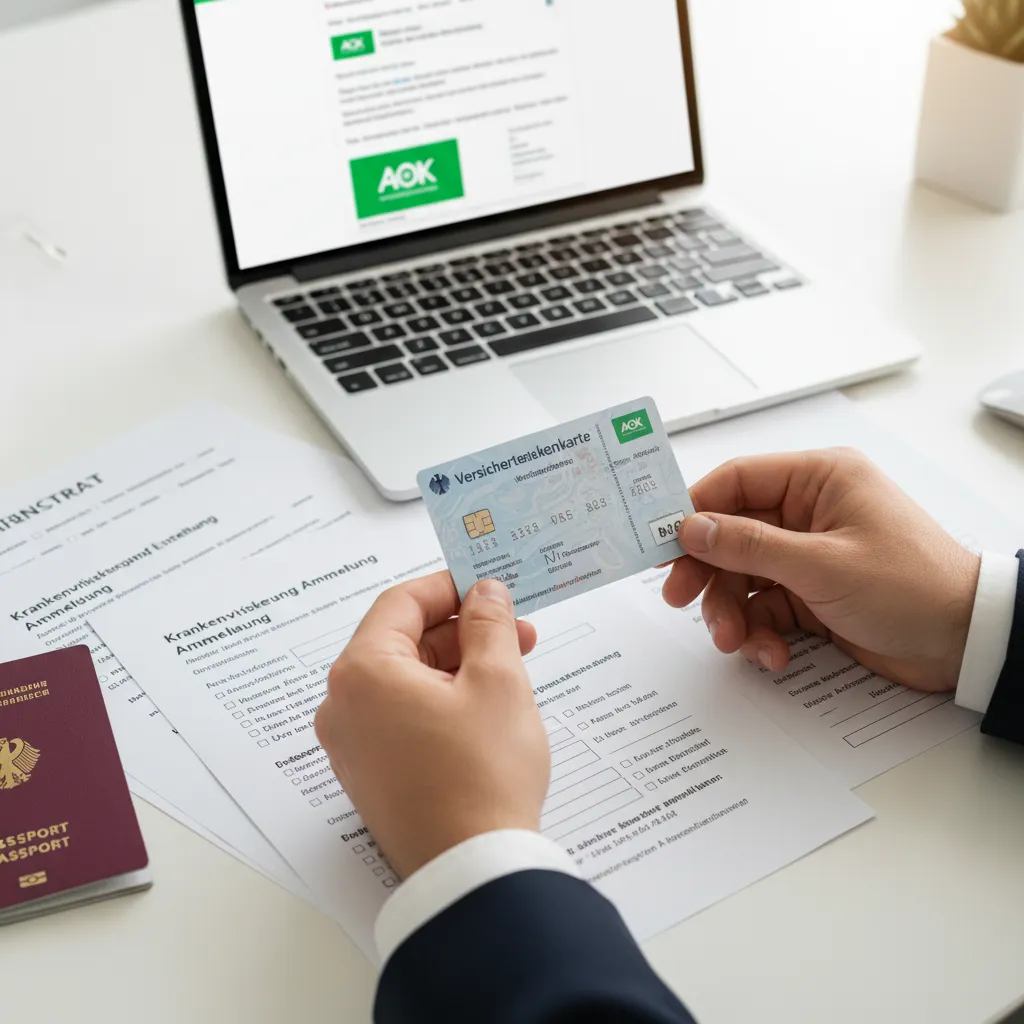
Germany operates a dual healthcare system that’s fundamentally different from most other countries. The most important thing to know: health insurance is mandatory for everyone living in Germany—there are no exceptions.
Public vs. Private Insurance (Gesetzliche vs. Private Krankenversicherung)
When you start working in Munich, you’ll need to choose between two types of health insurance:
Gesetzliche Krankenversicherung (GKV) – Statutory Health Insurance
This is the public system covering approximately 90% of German residents. If your annual salary is below €69,300 (as of 2025), you’ll automatically be enrolled in statutory insurance. Key benefits include:
- Comprehensive coverage for medical treatments, hospital stays, and prescriptions
- Spouse and children covered at no additional cost (under certain conditions)
- Premiums calculated as percentage of salary (around 14.6% plus additional contributions)
- Free choice among various public insurance providers (AOK Bayern, TK, Barmer, etc.)
- No waiting periods for coverage
Private Krankenversicherung (PKV) – Private Health Insurance
If you earn above €69,300 annually or are self-employed, you can opt for private insurance. This offers:
- Potentially lower premiums for young, healthy individuals
- Access to private clinics and shorter waiting times
- More comprehensive coverage options
- Single-room hospital accommodations
- However: Each family member requires separate coverage (additional costs)
Pro tip for newcomers: Unless you have specific reasons to go private, most international professionals benefit from starting with statutory insurance. It’s straightforward, comprehensive, and easier to navigate when you’re still learning the German system.
The 3-Month Registration Rule
You have exactly three months from your arrival to register with a health insurance provider. Missing this deadline can result in retroactive premium payments and potential legal complications. Your employer’s HR department typically handles this during your onboarding, but it’s your responsibility to ensure it’s completed.
What you’ll need:
- Valid passport or ID
- Work contract
- Anmeldung (residence registration certificate)
- Bank account details for premium deductions
Once registered, you’ll receive your Versichertenkarte (health insurance card)—a chip card similar to a credit card that you’ll present at every medical appointment. Treat it like gold; you’ll need it constantly.
Finding English-Speaking Healthcare Providers in Munich
One of the biggest challenges international professionals face isn’t the quality of German healthcare—it’s excellent—but rather the language barrier. Medical terminology is complex in any language, and discussing symptoms, understanding diagnoses, and following treatment plans requires clear communication.

Why Language Matters in Healthcare
When you’re dealing with your health, precision matters. You need to:
- Accurately describe symptoms and medical history
- Understand diagnoses and treatment options
- Ask questions about medication and side effects
- Discuss concerns without language barriers
- Handle emergency situations with confidence
Fortunately, Munich has a large international community, and many healthcare professionals offer services in English.
Registering with a General Practitioner (Hausarzt)
In the German system, your Hausarzt (general practitioner or GP) serves as your medical home base and gatekeeper to specialized care. This is fundamentally different from healthcare systems where you can directly book specialist appointments.
How the Hausarzt system works:
- Choose a GP near your home or workplace
- Register as a new patient (may require advance appointment)
- For most medical issues, visit your Hausarzt first
- GP provides referrals (Überweisung) to specialists when needed
- Annual check-ups and preventive care handled by GP
Finding an English-speaking Hausarzt:
- Search online directories: Jameda.de, Doctolib.de (both have English filter options)
- Check expat forums: Toytown Germany, InterNations Munich
- Ask colleagues who relocated from abroad
- Look for practices advertising “English-speaking services”
Popular GP practices with English-speaking doctors in central Munich include those in Schwabing, Maxvorstadt, and the Lehel district. When calling to register, ask: “Sprechen Sie Englisch?” (Do you speak English?) to confirm language capabilities.
Dental Care in Munich: Establishing Long-Term Oral Health
Unlike some countries where dental care is separate from general health insurance, in Germany it’s integrated into your health insurance plan—but with important caveats. Understanding how dental coverage works prevents surprise bills and ensures you maintain good oral health from day one.
Why dental care deserves immediate attention:
Germany has extremely high dental standards, and preventive care is heavily emphasized. Your statutory health insurance covers two dental check-ups per year at 100%, but only if you use them. These preventive visits are crucial because:
- Early detection saves money and discomfort
- Regular check-ups build your “Bonusheft” (bonus booklet) for future discounts
- Emergency dental issues are stressful in any language
- Establishing a dentist relationship now means no scrambling later
Finding the Right Dental Practice for International Professionals
For those relocating to Munich’s eastern districts—Bogenhausen, Oberföhring, or nearby neighborhoods like Johanneskirchen and Daglfing—establishing dental care early removes one major concern from your relocation checklist.

Dr. Christina Dickel’s practice in Oberföhring exemplifies the kind of modern, internationally-minded dental care that makes settling into Munich smoother for expat professionals. Located at Oberföhringer Straße 183a (postal code 81925), the practice addresses several key concerns that matter most when you’re new to the city:
Accessibility: The practice sits in a well-connected area easily reached via public transportation. If you’re using Munich’s excellent U-Bahn system, the U3 and U4 lines to Arabellapark station put you within walking distance. This matters more than you might think—when you’re juggling a new job, learning your way around a new city, and handling the inevitable adjustment challenges, convenient healthcare access reduces friction in your daily life.
English-Language Support: The team understands that discussing dental concerns in a second language creates unnecessary stress. They provide comprehensive services with English-language support, from initial consultations through treatment planning and follow-up care. This means you can ask detailed questions about procedures, understand cost structures, and make informed decisions without language barriers.
Insurance Navigation: One of the most confusing aspects of German healthcare for newcomers is understanding what your insurance covers. The practice works with both statutory health insurance (gesetzliche Krankenkasse) and private insurance plans, and their administrative team helps you understand coverage specifics, co-payments, and documentation requirements. This support is invaluable when you’re still learning how German medical billing works.
Comprehensive Services: Modern preventive care, cosmetic dentistry options, implantology, and emergency services are all available under one roof. This matters because as you settle into Munich, you want established relationships with healthcare providers who understand your complete dental history and can provide continuity of care.
The Practical Details: Book your first dental check-up within your first month in Munich. Here’s why this timing matters: German dental insurance typically covers two preventive check-ups per year at 100%. If you establish care early and maintain regular six-month check-ups, you build a documented history (the “Bonusheft” mentioned earlier) that earns you discounts of 20-30% on future dental work. Starting immediately maximizes this benefit.
Additionally, having a dentist relationship before any issues arise means you’re not dealing with dental emergencies in a foreign language while managing work deadlines and adjustment stress. It’s one less thing to worry about during your crucial first year in Munich.
What to bring to your first appointment:
- Versichertenkarte (health insurance card)
- Passport or ID
- Previous dental records if available (though not required)
- List of current medications
- Any specific concerns or questions written down
The eastern Munich districts—Oberföhring, Bogenhausen, and surrounding areas—are popular among international professionals because they offer a balanced mix of urban convenience and residential calm. Many tech companies, financial services firms, and international corporations have offices in or near these neighborhoods. Establishing healthcare connections in the area where you live and work creates practical efficiency that compounds over time.
Specialist Care and Medical Referrals
Germany’s healthcare system emphasizes structured care pathways. Unlike some countries where you can directly book dermatology or orthopedic appointments, you typically need a Überweisung (referral) from your Hausarzt to see specialists.
How specialist referrals work:
- Visit your Hausarzt with your concern
- GP examines you and determines if specialist care is needed
- GP writes a referral (valid for the current quarter)
- You book appointment with specialist using referral
- Specialist reports findings back to your Hausarzt
Exceptions: Some specialists like gynecologists, ophthalmologists, and dentists can be visited directly without referral. Pediatricians also don’t require referrals for children.
Finding English-speaking specialists:
Munich’s large international community means many specialists offer English-language services, particularly in:
- Gynecology
- Pediatrics
- Orthopedics
- Dermatology
- Mental health services
Use the same search strategies mentioned for finding GPs: Jameda.de and Doctolib.de both allow filtering by language.
Emergency Care: What to Know
Germany distinguishes between true emergencies and urgent care:
For life-threatening emergencies:
- Call 112 (ambulance and emergency services)
- Go directly to hospital emergency room (Notaufnahme)
- No referral needed
For urgent but non-life-threatening issues:
- Call 116 117 (medical on-call service)
- Provides after-hours medical advice
- Directs you to appropriate care facility
- Available evenings, weekends, and holidays
Major Munich hospitals with emergency departments include:
- Klinikum Rechts der Isar (TU München)
- LMU Klinikum Großhadern
- Munich City Hospital (Städtisches Klinikum München)
All hospital emergency staff speak English, but having your insurance card, identification, and a list of medications in German (ask your Hausarzt or pharmacy) speeds up the process.
Pharmacies and Prescriptions (Apotheken)
German pharmacies—called Apotheken—function differently than drugstores in many other countries.

Key differences:
- Only licensed pharmacies can sell medications
- Strict prescription requirements (many OTC drugs elsewhere require prescriptions in Germany)
- No medications sold in supermarkets or convenience stores
- Pharmacists provide detailed consultation on all medications
Prescription process:
- Doctor writes prescription (paper or electronic)
- Take prescription to any Apotheke
- Pharmacy fills prescription (may need to order if not in stock)
- Pay co-payment (€5-10 for most prescriptions with statutory insurance)
Finding 24-hour pharmacies:
Pharmacies operate on rotation schedules for after-hours service. Look for:
- Red illuminated “Apotheke” signs indicating open pharmacies
- Emergency pharmacy schedule posted on closed pharmacy doors
- Website: aponet.de/notdienstkalender (search by postal code)
Pro tip: Many OTC medications you’re used to (like ibuprofen in large quantities) require prescriptions in Germany. Stock up on basics during visits home or ask your Hausarzt to prescribe medications you regularly use.
Mental Health Resources for Expats
Relocating internationally is exciting but also stressful. Culture shock, language barriers, professional pressure, and distance from support networks impact mental health—and that’s completely normal.
Munich offers excellent mental health resources, including many English-speaking therapists experienced with expat challenges:
Finding English-speaking therapists:
- Psychotherapie Informations Dienst (filter by language)
- International Psychotherapy Center Munich
- Expat-focused therapy practices in Schwabing and Maxvorstadt
- Online therapy platforms (some covered by German insurance)
Insurance coverage:
Statutory insurance covers psychotherapy, but the process involves:
- Initial consultation sessions (Probatorische Sitzungen) – covered
- Formal application for ongoing therapy
- Insurance approves number of sessions
- Begin regular therapy
Private insurance typically offers more flexible coverage with shorter wait times.
Immediate support:
- Munich Crisis Helpline: 0800 655 3000 (free, confidential, 24/7)
- TelefonSeelsorge: 0800 111 0 111 (free, anonymous crisis support)
- English-speaking crisis support through Samaritans (online chat available)
Don’t underestimate the adjustment process. Seeking support early helps prevent small challenges from becoming significant problems.
Your First 90 Days: Healthcare Action Plan
Breaking down healthcare setup into manageable weekly tasks prevents overwhelm and ensures nothing falls through the cracks.
Week 1-2: Immediate Priorities
- Confirm health insurance activation through employer
- Receive Versichertenkarte (health insurance card)
- Register city residence (Anmeldung) – required for insurance
- Download health insurance provider’s app (most have English options)
- Save emergency numbers in phone: 112 (emergency), 116 117 (urgent care)
Week 3-4: Establish Primary Care
- Research English-speaking Hausarzt near home or work
- Call to register as new patient (may need to book weeks in advance)
- Schedule first GP appointment for health check and to establish care
- Book dental check-up appointment
- Locate nearest pharmacy and 24-hour pharmacy
Month 2: Preventive Care and Specialists
- Complete first GP visit and discuss any ongoing health needs
- Get referrals for any specialist care needed
- Complete dental check-up and start Bonusheft (bonus booklet)
- If female: Schedule gynecology appointment (no referral needed)
- If wearing glasses/contacts: Schedule eye exam (no referral needed)
Month 3: System Mastery
- Understand your insurance coverage details (co-pays, covered services)
- Register online accounts with insurance provider
- Set up prescription refill process if needed
- Review mental health resources and support networks
- Create personal medical documentation folder (German + English)
Common Mistakes to Avoid
Learning from others’ experiences helps you sidestep preventable problems:
1. Delaying insurance registration beyond three months
This is the most expensive mistake. Retroactive premiums can run into thousands of euros, and you may face legal complications. Register immediately, even if you’re still sorting out other aspects of your relocation.
2. Not registering with a Hausarzt until you’re sick
When you need a GP urgently, you’ll find most are fully booked for weeks. Register while healthy, establish the relationship, and you’ll have access when you need it.
3. Skipping preventive appointments
German healthcare rewards prevention. Two free dental check-ups annually, regular GP check-ups (Check-up 35 covered every three years), and preventive screenings are all fully covered. Use them—they catch problems early when treatment is simpler and cheaper.
4. Assuming medications are the same
Drug names differ internationally. What you call Tylenol in the US is Paracetamol in Germany. Bring a list of your medications with generic names, and ask your doctor for German equivalents.
5. Not getting prescriptions properly translated
If you take ongoing medications, have your prescriptions translated into German medical terminology. This prevents confusion at pharmacies and ensures accurate dispensing.
6. Forgetting the Überweisung (referral) system
Booking specialist appointments without a referral usually means paying out of pocket. Always check if you need a referral from your Hausarzt first.
7. Ignoring the Bonusheft for dental care
This simple booklet (or digital equivalent) saves 20-30% on major dental work. Have your dentist stamp it at each check-up.
Digital Tools and Apps for Healthcare Management
Germany has embraced digital health management, making navigation easier for tech-savvy professionals:
Essential apps:
Doctolib – Online appointment booking for doctors and specialists
- Search by specialty, location, and language
- See real-time availability
- Book and manage appointments
- English interface available
Your Insurance Provider App (TK App, AOK App, Barmer App, etc.)
- View insurance card digitally
- Check coverage and claims
- Upload prescriptions
- Contact support in English
Aponet – Find nearest open pharmacy
- Shows 24-hour rotation schedules
- Medication information
- Pharmacy location map
KBV App (Kassenärztliche Bundesvereinigung)
- Find doctors by specialty
- Filter by language and location
- See practice hours
- Direct contact information
Google Maps with German healthcare searches
- Search “Hausarzt English” near your location
- Read patient reviews
- See practice hours and contact details
Practical Tips for Healthcare Appointments
Navigating German healthcare appointments smoothly:
Before appointments:
- Arrive 10-15 minutes early (punctuality is highly valued)
- Bring Versichertenkarte, ID, and any relevant medical records
- Write down questions in German and English
- If bringing interpreter or friend, call practice ahead to confirm it’s okay
During appointments:
- Speak clearly and don’t hesitate to ask for clarification
- If you don’t understand, say: “Können Sie das bitte auf Englisch erklären?” (Can you explain that in English?)
- Ask for written instructions or diagrams when possible
- Request prescriptions and referrals in clear writing
After appointments:
- Keep all medical documentation organized
- File receipts (some services require payment then reimbursement)
- Follow up promptly on referrals and prescriptions
- Book follow-up appointments before leaving
Cultural notes:
- German doctors tend to be more direct and less social than in some cultures
- Appointments are typically efficient and focused
- Small talk is minimal—this is normal, not rude
- Privacy is highly respected; discuss concerns candidly
Insurance and Financial Considerations
Understanding healthcare costs prevents financial surprises:
What statutory insurance covers fully:
- GP and specialist consultations (with referral)
- Hospital care
- Most prescriptions (€5-10 co-pay)
- Two dental check-ups annually
- Preventive screenings
- Maternity care
- Emergency care
What requires co-payment or isn’t covered:
- Private dental work (crowns, implants, veneers)
- Upgraded hospital rooms
- Prescription co-pays (max €10 per item)
- Some vision care (frames, certain lenses)
- Alternative medicine (varies by provider)
Cost-saving strategies:
- Use all preventive services (they’re free)
- Build Bonusheft for dental discounts
- Check if employer offers supplementary insurance (Zusatzversicherung)
- Keep medication receipts (annual max out-of-pocket limits apply)
- Consider supplementary dental insurance if planning major work
Long-Term Healthcare Planning
As you settle into Munich, consider these longer-term healthcare aspects:
Annual health check-ups (Check-up 35):
Starting at age 35, statutory insurance covers comprehensive health check-ups every three years. These include:
- Blood tests (cholesterol, blood sugar)
- Blood pressure measurement
- Urine analysis
- Physical examination
- Consultation about lifestyle factors
Between 18-34, you get one check-up covered. Use it—preventive care catches issues early.
Vaccinations:
Germany recommends various vaccinations, all covered by statutory insurance:
- Tetanus/diphtheria boosters (every 10 years)
- Flu vaccination (annual, especially for high-risk groups)
- COVID-19 vaccinations
- Tick-borne encephalitis (FSME) if you spend time outdoors in Bavaria
Family planning:
If planning to start a family in Munich:
- Prenatal care (Schwangerschaftsvorsorge) is fully covered and comprehensive
- Midwife care is standard practice and fully covered
- Hospital birth costs are fully covered
- Home births and birth house options available
Aging parents visiting:
If bringing elderly parents to visit (or considering sponsorship), ensure they have:
- Comprehensive travel insurance (German healthcare doesn’t cover tourists)
- Sufficient coverage for their age and health conditions
- English-speaking emergency contact information
Conclusion: Healthcare as Foundation for Successful Relocation
Setting up healthcare properly during your first 90 days in Munich isn’t just about medical necessity—it’s about building a foundation for your entire relocation success. When you know you have access to quality care, can communicate effectively with medical professionals, and understand how to navigate the system, you remove a significant source of stress from your life.
Yes, Germany’s healthcare system is different from what you may be used to. The Hausarzt-centered model, mandatory insurance, and referral processes feel unfamiliar at first. But this structure exists for good reason—it provides comprehensive, high-quality care to everyone while controlling costs and emphasizing prevention.
The time you invest now in registering with insurance, finding English-speaking providers, and establishing relationships with your Hausarzt and dentist pays exponential dividends later. You’ll avoid the panic of searching for care during emergencies, the frustration of language barriers during important health discussions, and the financial stress of navigating an unfamiliar system without preparation.
Munich offers exceptional healthcare—among the best in the world. With proper setup, you’ll have access to cutting-edge medical technology, highly trained professionals, comprehensive coverage, and a system designed to keep you healthy rather than just treat illness.
Your next steps:
- Confirm insurance activation date with your employer
- Schedule your Anmeldung (residence registration) immediately
- Begin researching English-speaking Hausarzt options in your neighborhood
- Book that first dental check-up within 30 days
- Download your insurance provider’s app
- Save emergency numbers in your phone
Welcome to Munich. Your health and wellbeing are worth prioritizing from day one. By following this guide, you’re positioning yourself for not just a successful career move, but a genuinely fulfilling life in one of Europe’s most dynamic cities.
Questions about healthcare in Munich? Share your concerns or experiences in the comments below. Our community of international professionals in Germany is here to help.
Related Resources
Continue your Munich relocation research:
- Cost of Living in Munich: Complete Budget Breakdown
- Best Neighborhoods in Munich for Young Professionals
- Navigating German Work Culture: What Expats Need to Know
- Munich’s Job Market: Industries, Salaries, and Opportunities
External resources:
- German Federal Ministry of Health (English)
- Make it in Germany – Healthcare Information
- Munich Official City Portal (English)
This article was last updated September 2025. Healthcare regulations and insurance requirements may change. Always verify current requirements with official sources and your employer’s HR department.
The UAE week, every Monday
The week's stories on jobs, visas, money and daily life in one short email. Unsubscribe in one click.