Dubai CEO Ahmed Bin Sulayem Responds to British Podcaster Criticism
DMCC CEO Ahmed Bin Sulayem defends Dubai against British podcaster Chris Williamson’s criticism, citing city’s multicultural success.
By Vadim Kouznetsov, published

Key Takeaway
DMCC CEO Ahmed Bin Sulayem publicly defended Dubai against British podcaster Chris Williamson’s harsh criticism, highlighting the city’s multicultural success with 9.88 million visitors in early 2025 and inviting the podcaster to experience Dubai authentically before his scheduled 2026 tour.
A public dispute has emerged between Dubai business leadership and a British podcaster, highlighting ongoing debates about Dubai’s international reputation and the responsibility that comes with global platforms.

The Controversy Unfolds
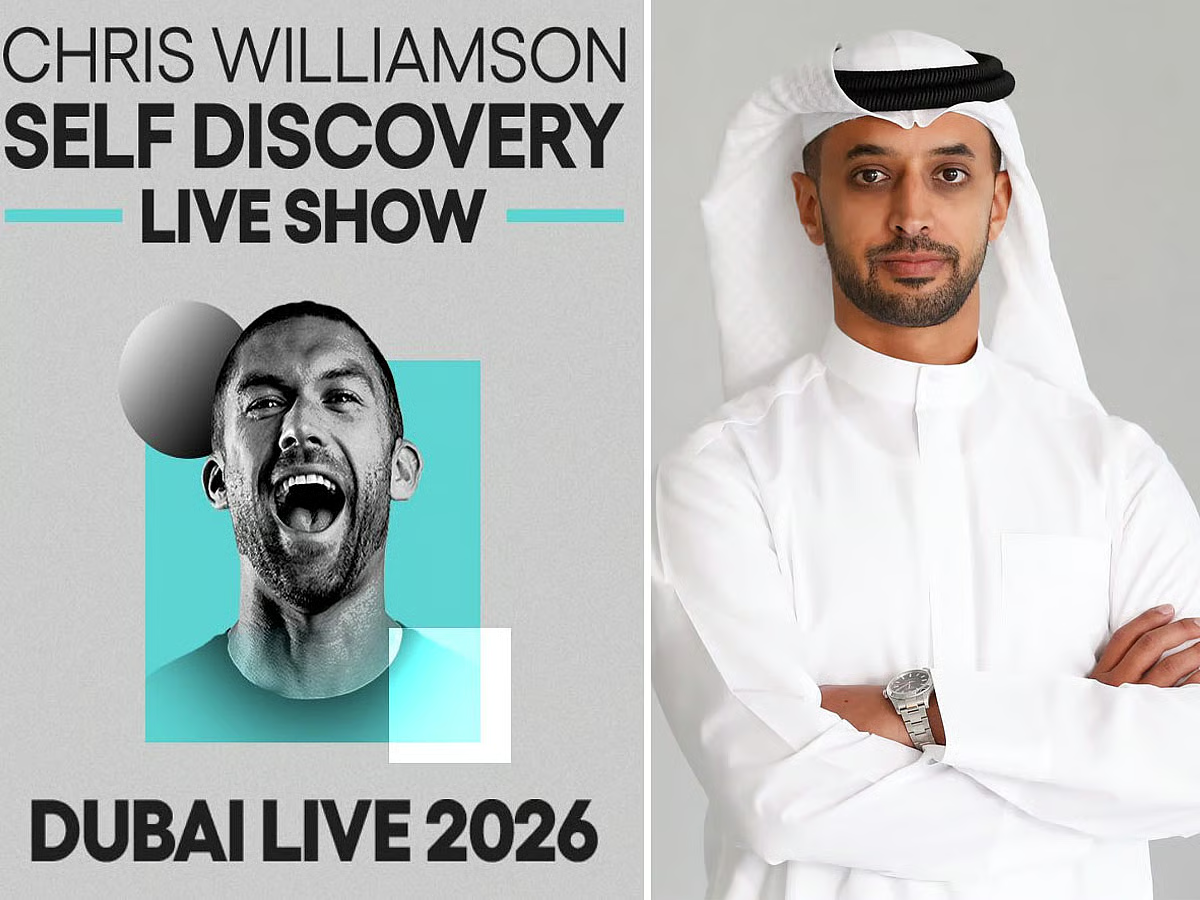
Chris Williamson, a former reality TV contestant who has built a following as a podcast host, sparked controversy during a recent episode with US fitness expert Dr Mike Israetel. His comments described Dubai as a place characterised by “shallowness” with “very little soul,” going as far as calling it “one of the most awful places on the planet.”
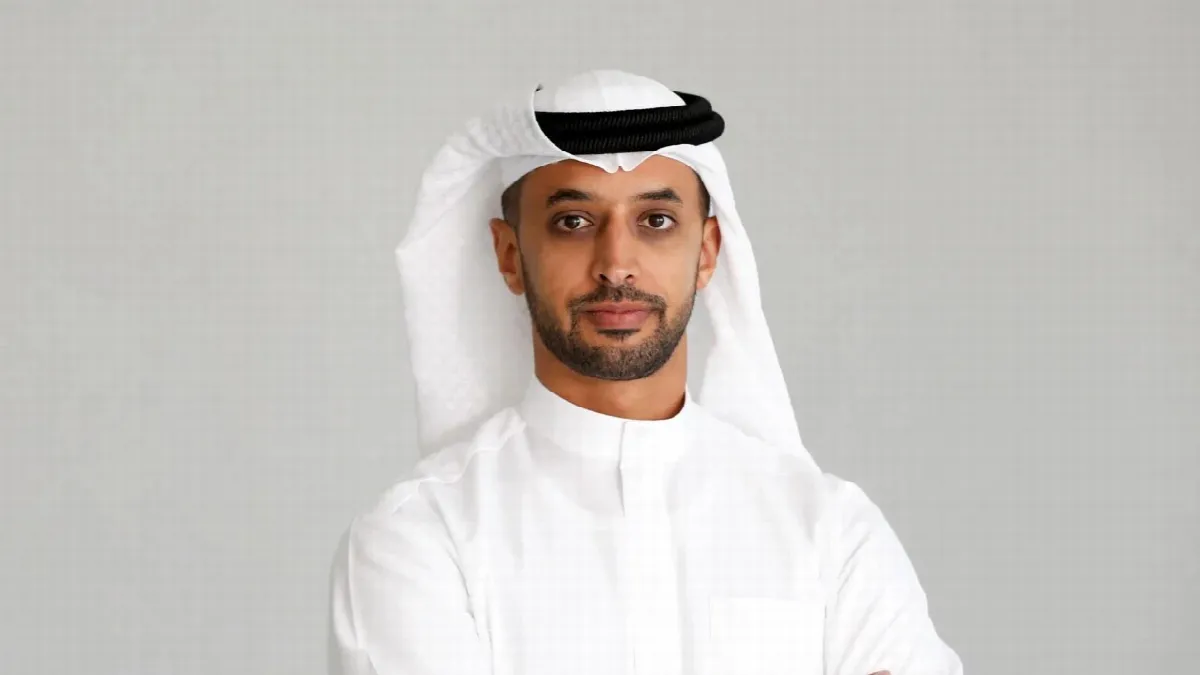
These remarks caught the attention of Ahmed Bin Sulayem, Executive Chairman and CEO of DMCC (Dubai Multi Commodities Centre), who felt compelled to respond through an open letter defending the city.
Official Response and Defence
Bin Sulayem’s response focused on what he termed a “gross disservice” to Dubai’s multicultural community. His defence highlighted several key aspects of modern Dubai that he felt Williamson’s comments overlooked.
“Everyone is welcome to have an opinion about the places they visit,” Bin Sulayem acknowledged in his statement to Khaleej Times. However, he drew a distinction between personal criticism and broad characterisations that affect entire communities.
The DMCC chief pointed out what he saw as a significant inconsistency: Williamson’s decision to include Dubai in his Self Discovery World Tour 2026, despite his publicly stated negative views of the city.
Addressing Common Misconceptions
Bin Sulayem used his response to address what he described as persistent misconceptions about Dubai, particularly regarding labour practices and urban development.
He rejected allegations that Dubai was “built on slave labour,” describing such claims as “outdated and factually incorrect.” Instead, he pointed to recent labour reforms and the implementation of a wage protection system as evidence of the city’s commitment to fair employment practices.
Comparative Context and Statistics
The response included comparative analysis with other global cities, particularly regarding safety and quality of life. Bin Sulayem contrasted Dubai’s security environment with challenges faced by major Western cities.
“In London and Paris, wearing an expensive watch has become a risk because of rampant crime. In the US, violent incidents occur in public with little intervention,” he noted, while emphasising that such problems wouldn’t justify calling entire countries “awful places.”
To support his defence, Bin Sulayem cited recent tourism and population figures. Dubai welcomed 9.88 million visitors in the first half of 2025, representing a six per cent year-on-year increase. The city’s population grew by 169,000 in 2024, marking the fastest increase since 2018.
The Media Strategy Behind the Response
Bin Sulayem’s choice of an open letter as his response method was deliberate. Speaking about this decision, he explained that transparency was key to his approach.
“An open letter is transparent and on the record. It allows me to lay out facts, context, and an invitation in one place without reducing a complex city to a soundbite,” he said.
The letter is being distributed across multiple platforms, including Substack and LinkedIn, to ensure broad reach and engagement with different audiences.
Quality of Public Discourse
The controversy raises broader questions about the quality of public discourse in the digital age. Bin Sulayem addressed this directly, calling for what he termed “higher quality criticism.”
His response distinguished between different types of commentary, suggesting that Williamson’s remarks fell into one of three categories: views formed from limited exposure to the city, reliance on familiar clichés that perform well online, or framing designed to provoke engagement.
“We welcome constructive criticism. What I am asking for is higher quality criticism,” Bin Sulayem stated, emphasising the difference between thoughtful analysis and attention-seeking commentary.
The Clickbait Question
When pressed about whether he viewed Williamson’s comments as ignorance or clickbait, Bin Sulayem offered a nuanced response that focused on effects rather than intentions.
“Whatever the intent, the effect was clickbait. It was a claim that travels farther than nuance,” he explained, highlighting how provocative statements often receive more attention than balanced analysis in today’s media environment.
His proposed solution emphasised direct experience over online commentary: “The remedy is not outrage. The remedy is contact. Come to Dubai, meet residents from every background, and test the claims against reality.”
Multicultural Success Story
Central to Bin Sulayem’s defence was Dubai’s position as what he described as “one of the world’s multicultural success stories.” This characterisation reflects the city’s demographic reality, where expatriates make up a significant portion of the population.
The diversity of Dubai’s population, representing nationalities from around the world, serves as a key element in the city’s identity and economic model. This multicultural aspect distinguishes Dubai from many other global cities and forms a core part of its appeal to both residents and visitors.
An Open Invitation
Bin Sulayem concluded his response with a direct invitation to Williamson to visit Dubai before his scheduled 2026 tour. This invitation represents more than diplomatic courtesy—it’s a challenge to experience the city through residents’ perspectives rather than tourist snapshots.
“Through this lens, he will see what Dubai truly has to offer and gain a better understanding of the common threads that bind our communities together,” Bin Sulayem promised.
This approach suggests confidence in Dubai’s ability to change perceptions through direct experience, while also placing the responsibility on critics to engage meaningfully with the places they choose to critique publicly.
Implications for Digital Discourse
The exchange highlights broader challenges facing cities and institutions in the digital age, where single comments can reach global audiences instantly. The case demonstrates how public figures must navigate between responding to criticism and avoiding amplification of negative commentary.
The controversy also illustrates the complexities of modern media, where entertainment content increasingly intersects with serious commentary about places, cultures, and communities.
FAQs
What did Chris Williamson say about Dubai that sparked the controversy? Williamson described Dubai as having “shallowness” with “very little soul” and called it “one of the most awful places on the planet” during a podcast episode with Dr Mike Israetel.
Who is Ahmed Bin Sulayem and why did he respond? Ahmed Bin Sulayem is the Executive Chairman and CEO of DMCC (Dubai Multi Commodities Centre). He responded because he felt Williamson’s comments were a “gross disservice” to Dubai’s multicultural community.
What statistics did Dubai officials cite in their defence? Dubai welcomed 9.88 million visitors in the first half of 2025 (up 6% year-on-year) and saw population growth of 169,000 in 2024, the fastest increase since 2018.
Why is Williamson’s 2026 Dubai tour relevant to this controversy? Bin Sulayem noted the irony that Williamson plans to include Dubai in his Self Discovery World Tour 2026 despite calling it one of the most awful places on the planet.
What invitation did Dubai officials extend to the podcaster? Bin Sulayem invited Williamson to visit Dubai before his 2026 tour to experience the city through residents’ perspectives and gain a better understanding of the community.
Further Reading
The UAE week, every Monday
The week's stories on jobs, visas, money and daily life in one short email. Unsubscribe in one click.