New KHDA Teaching Rules: Complete Guide for Dubai Educators 2025
KHDA introduces stricter teaching guidelines for Dubai private schools. Learn about new qualification requirements, appointment notices, and deregistration rules for 2025.
By Vadim Kouznetsov, published
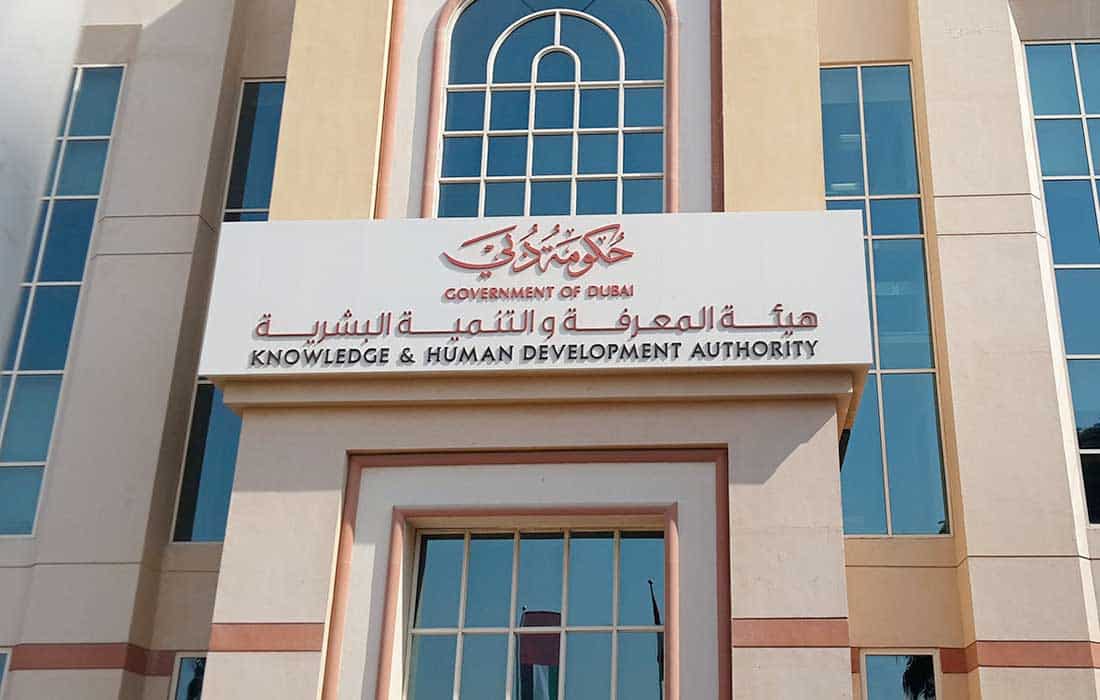
Dubai’s private education sector faces significant changes as the Knowledge and Human Development Authority (KHDA) introduces stricter guidelines for teacher recruitment and accountability. These new regulations affect thousands of educators working in Dubai’s private schools.
What Are the New KHDA Teaching Guidelines?
The KHDA has released two comprehensive technical guides that transform how teachers are hired, monitored, and held accountable in Dubai’s private education system. These documents establish clearer standards for qualifications, conduct, and professional responsibilities.
The Technical Guide for Appointing Teaching Staff in Private Schools and the Staff Deregistration Technical Guide introduce mandatory appointment processes and consequences for professional misconduct.
Mandatory Appointment Notice Requirements
Every teacher must now obtain an official KHDA Appointment Notice before starting work. This document serves as formal approval to teach at a specific private school in Dubai.
Key points about the Appointment Notice:
- Non-transferable between schools
- Required for each new position
- Previous notice gets cancelled when changing schools
- Must be obtained before starting any teaching role
Enhanced School Hiring Requirements
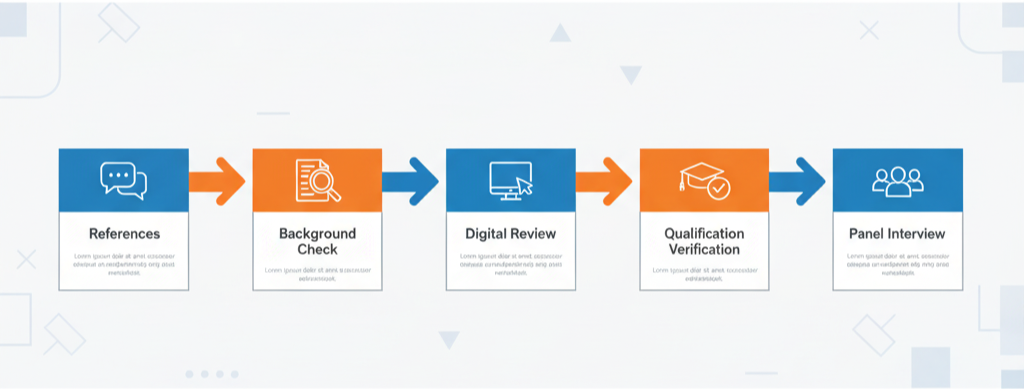
Schools must now implement comprehensive vetting procedures before hiring teachers. The new requirements include:
Professional References: At least two references, with one from the most recent employer
Background Checks: Criminal history verification across all countries where the candidate has lived
Digital Footprint Review: Assessment of online and social media presence for potential reputational risks
Qualification Verification: Thorough checking of CV accuracy and educational credentials
Panel Interviews: Formal interview process including safeguarding-trained staff members
Recognised Teaching Qualifications in Dubai
The KHDA accepts specific types of educational qualifications for teaching positions:
- Degrees from UAE universities accredited by the Ministry of Higher Education
- Degrees from KHDA-recognised foreign university branches located in Dubai free zones
- International university degrees that are accredited in their home country and recognised internationally
Current teachers have until September 1, 2028 (or April 1, 2029 for April-start schools) to meet these new qualification standards if they plan to remain in their current positions.
The 90-Day Rule for School Transfers
Teachers changing schools must follow specific procedures to avoid delays. Failure to complete all requirements triggers a 90-day waiting period before receiving a new Appointment Notice.
Required steps include:
- Serving full notice period
- Leaving at the end of term
- Completing the mandatory KHDA exit survey
KHDA Exit Survey Importance
Every departing teacher must complete an exit survey before leaving their position. This data collection helps KHDA understand teacher turnover patterns and develop targeted solutions for the education sector.
The survey information enables data-driven policy decisions and improvements to working conditions across Dubai’s private schools.
Understanding Teacher Deregistration
Deregistration represents the most severe consequence under the new guidelines. It permanently bars individuals from working in any private educational institution in Dubai, including:
- Private schools
- Early childhood centres
- Universities
- Vocational institutes
Behaviours Leading to Deregistration
Several types of conduct can result in deregistration:
Serious Offences:
- Criminal convictions
- Child protection breaches
- Gross misconduct
Professional Misconduct:
- Repeated dishonesty
- Cultural insensitivity
- Unprofessional social media behaviour
- Violations of professional standards
Deregistration vs Dismissal: Key Differences
Understanding the distinction between dismissal and deregistration is crucial:
Dismissal: School-level decision to terminate employment contract
Deregistration: KHDA-level decision preventing work in any Dubai educational institution
While deregistration often follows dismissal, KHDA may review cases independently. In rare instances, dismissed teachers might avoid deregistration and find positions elsewhere.
Impact on Parents and Students
These new regulations deliver several benefits for families:
Enhanced Safety: Comprehensive background checks and vetting procedures
Improved Stability: Better monitoring of teacher turnover and quality
Higher Standards: Qualified, accountable teaching staff in classrooms
Greater Confidence: Strengthened oversight of Dubai’s private education system
Parents can expect more reliable educational experiences and reduced disruption from teacher turnover.
Implementation Timeline
Current teachers have transition periods to meet new requirements:
- Qualification compliance deadline: September 1, 2028
- April-start schools: April 1, 2029
- New hires: Immediate compliance required
Key Takeaway
The new KHDA guidelines represent a significant shift towards higher professional standards in Dubai’s private education sector. Teachers must adapt to stricter qualification requirements and enhanced accountability measures, while schools must implement comprehensive hiring procedures. These changes ultimately benefit students through improved educational quality and stability.
Frequently Asked Questions
Q: Do these rules apply to all private schools in Dubai? A: Yes, all private schools under KHDA jurisdiction must follow these new guidelines.
Q: Can teachers work while waiting for their Appointment Notice? A: No, teachers cannot begin work until they receive their official KHDA Appointment Notice.
Q: What happens if a teacher doesn’t complete the exit survey? A: Failure to complete the exit survey triggers the 90-day waiting period for new appointments.
Q: Can deregistered teachers appeal the decision? A: The guides don’t specify appeal processes, but teachers should contact KHDA directly for clarification on their specific cases.
Q: Do these rules affect public schools? A: No, these guidelines specifically target Dubai’s private education sector.
Further Reading:
The UAE week, every Monday
The week's stories on jobs, visas, money and daily life in one short email. Unsubscribe in one click.