Dubai Population Hits 4 Million: Impact on Housing, Jobs & Infrastructure
Dubai reaches historic 4 million population milestone. Discover how this demographic boom affects housing markets, job opportunities, and daily life for residents.
By Vadim Kouznetsov, published
What does Dubai’s historic 4 million population milestone mean for residents in 2025?
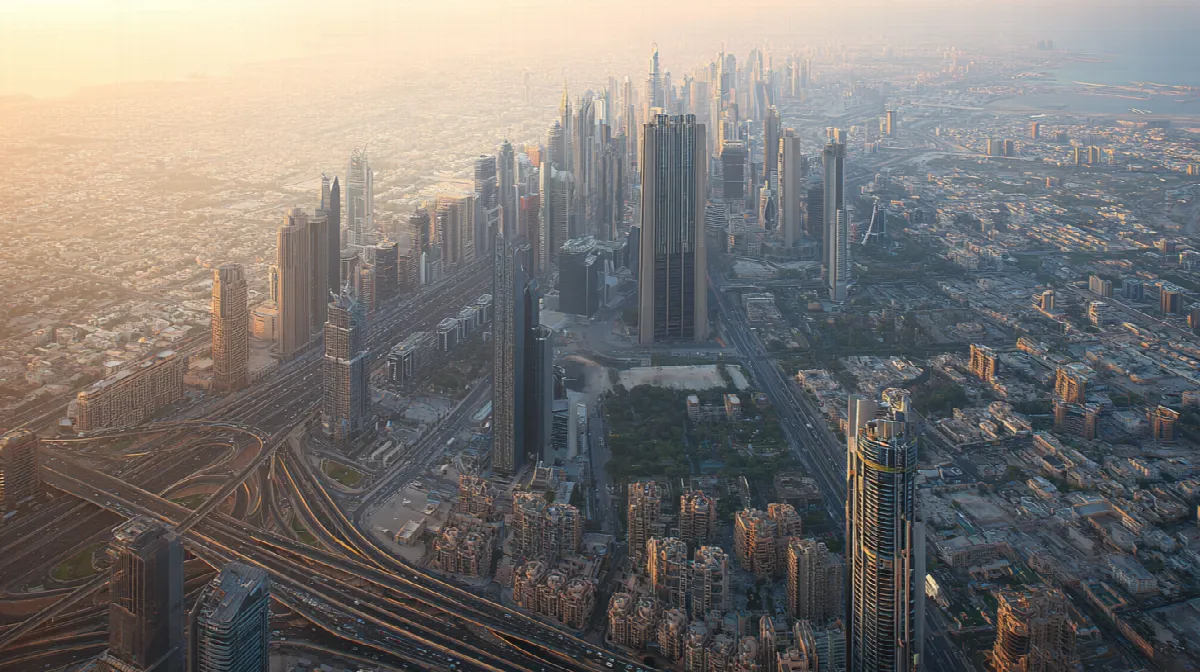
Dubai has achieved a remarkable demographic milestone by reaching 4 million residents, doubling its population from 2 million in just 14 years. This unprecedented growth transforms Dubai from a regional hub into a truly global metropolis, creating both opportunities and challenges that will directly impact every resident’s daily life.
The population surge signals Dubai’s continued appeal as an international destination for professionals, investors, and families seeking better opportunities. However, this rapid expansion also means increased competition for housing, jobs, and public services that residents must prepare for.
How quickly has Dubai’s population grown over the decades?
Dubai’s demographic transformation tells an extraordinary story of urban development. The emirate housed only 187,187 people in 1975, reaching one million by early 2002. The population doubled to 2 million by 2011, then grew to 3 million in 2018.
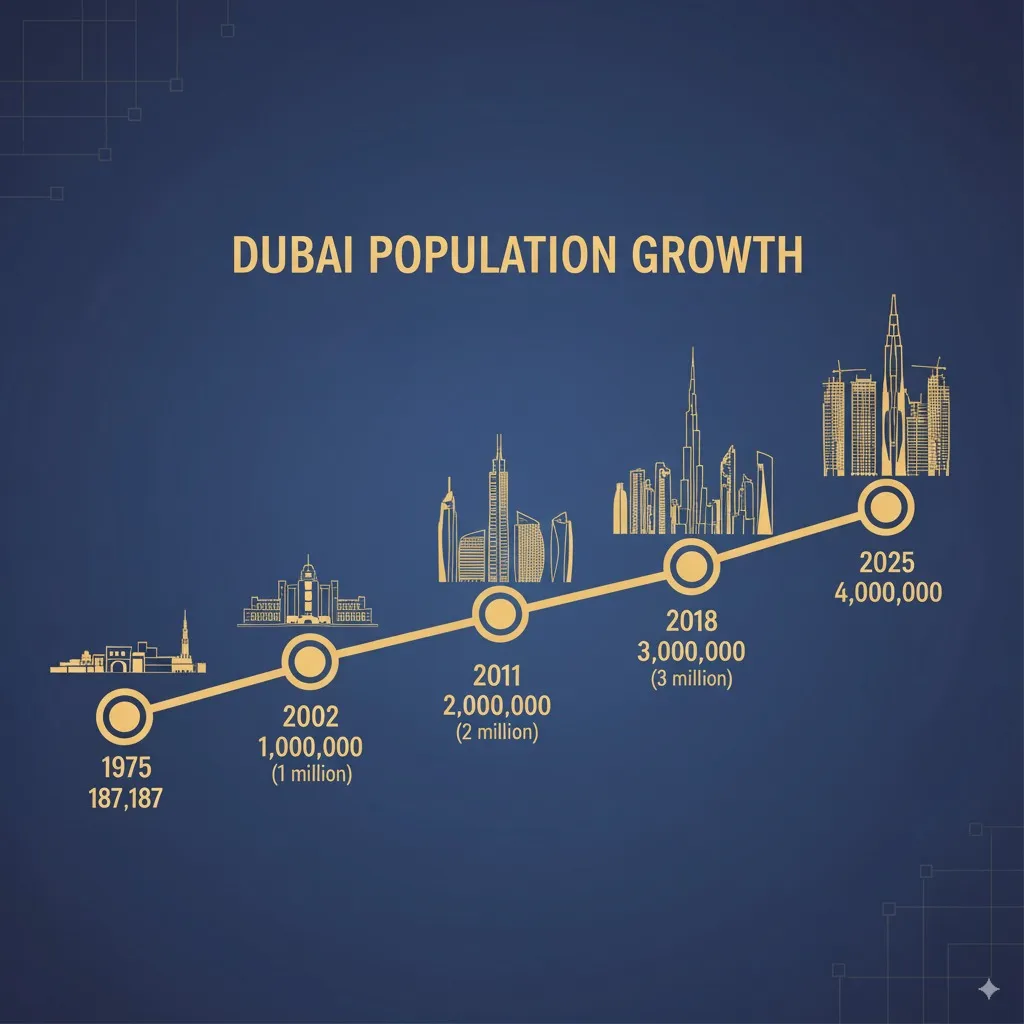
The consistent seven-year cycles between major population milestones – from 2 million to 3 million (2011-2018) and 3 million to 4 million (2018-2025) – suggest predictable growth patterns. If this trend continues, Dubai could reach 5 million residents by 2032 and potentially 6 million by 2039.
These projections would exceed the Dubai 2040 Urban Master Plan’s estimated 5.8 million residents, indicating the city’s appeal may surpass official planning expectations. The steady growth demonstrates Dubai’s resilience even during challenging periods like the Covid-19 pandemic, when population growth slowed temporarily in 2021.
What factors drive people to move to Dubai in 2025?
Dubai’s population boom reflects its position as a premier destination for global talent across multiple sectors. The emirate offers compelling advantages that continue attracting residents despite increased living costs and competition.
Professional opportunities remain the primary draw. Dubai’s diversified economy provides extensive job opportunities across technology, finance, healthcare, and emerging industries. The tax-free income structure allows professionals to maximise earnings whilst building international career credentials.
Business environment benefits entrepreneurs and investors through streamlined regulations, strategic location, and access to global markets. Dubai’s position between Asia, Europe, and Africa makes it an ideal base for international business operations.
Lifestyle factors include world-class infrastructure, safety, cultural diversity, and year-round sunshine. The emirate’s investment in entertainment, dining, and recreational facilities creates an attractive living environment for families and young professionals.
Government initiatives such as long-term residence visas, property ownership rights for foreigners, and business-friendly policies demonstrate commitment to retaining talent and encouraging permanent settlement.
How will 4 million residents impact Dubai’s housing market?
The population milestone creates immediate pressure on Dubai’s residential sector, though market dynamics suggest a complex picture ahead. Increased demand from 4 million residents will compete for available housing stock whilst record supply levels prepare to enter the market.
Current property market trends show developers preparing 243,000 new units by 2027 to address growing demand. This massive supply pipeline could stabilise prices despite population growth, creating opportunities for new residents.
Rental market changes will likely show continued growth in popular areas, with rent increases averaging 10% in 2025 according to property experts. However, increased supply in certain areas may provide more options for tenants.
Residential preferences will shift towards affordable housing options as competition increases. Areas further from city centre may experience higher demand as residents balance proximity with affordability.
Property investment opportunities may emerge as developers focus on mid-market housing to accommodate the growing middle-class demographic seeking homeownership.
What challenges will Dubai’s infrastructure face with 4 million people?
Dubai’s infrastructure must adapt rapidly to serve 4 million residents effectively. Transportation, utilities, and public services face increased demand that requires strategic planning and investment.
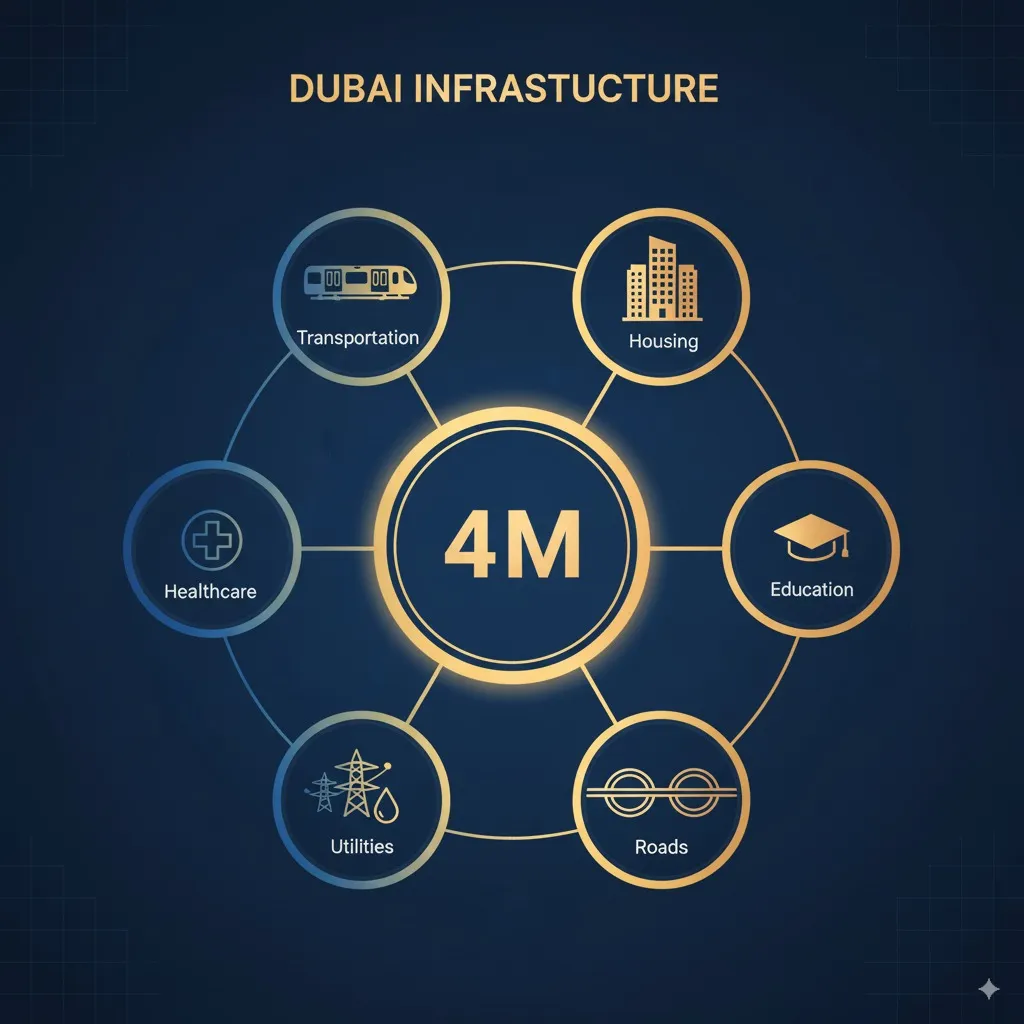
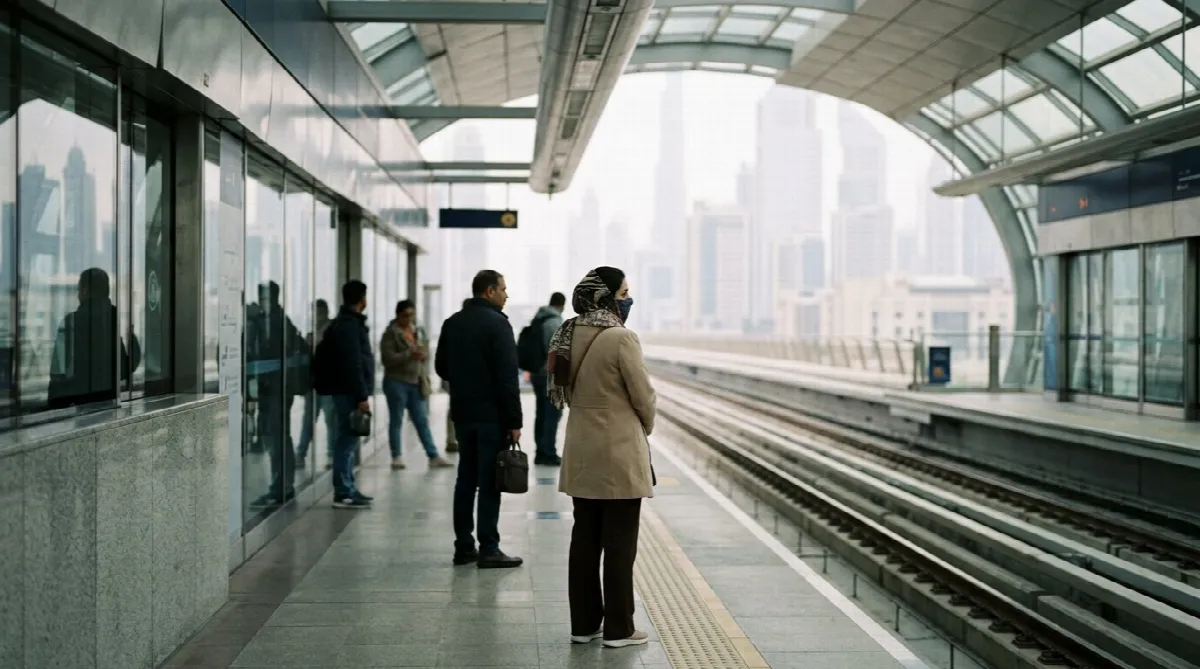
Transportation systems will experience higher usage across all modes. The Dubai Metro network already extends hours during peak periods to accommodate passenger volume. The upcoming Blue Line expansion will provide additional capacity, but interim pressure on existing lines may increase commute times.
Road traffic poses significant challenges as more residents require transportation. Despite increased public transport usage, car ownership continues growing, potentially creating congestion in key areas during peak hours.
Utility demands for electricity, water, and telecommunications will require capacity increases. Dubai’s summer months particularly strain cooling systems as population density increases in residential areas.
Educational facilities face enrollment pressure as expatriate families with children settle permanently. The growing population includes many families seeking quality education options, increasing demand for both public and private schools.
Healthcare services must expand to serve additional residents whilst maintaining quality standards. Specialised medical facilities and family healthcare services will require capacity increases.
Which sectors will benefit most from Dubai’s population growth?
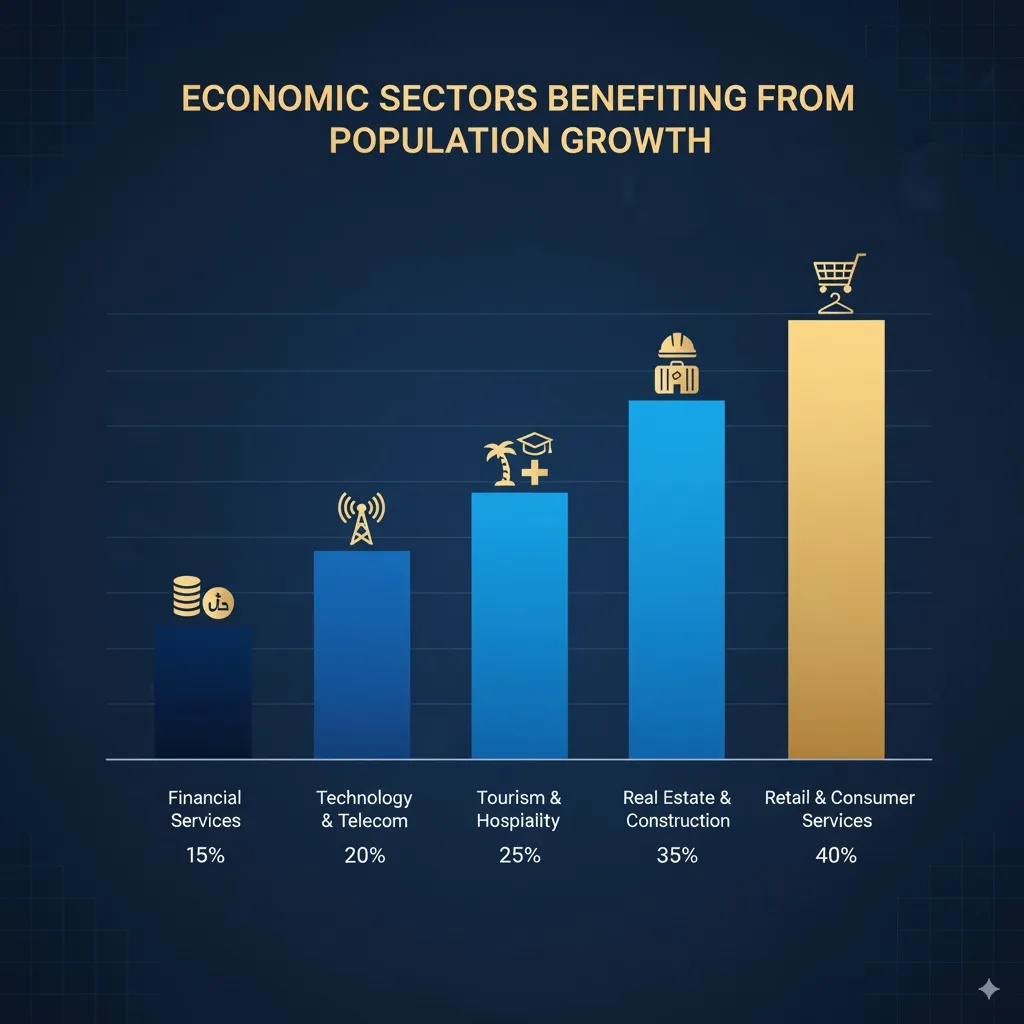
The 4 million population milestone creates opportunities across multiple economic sectors, particularly those serving daily consumer needs and supporting urban development.
Retail and consumer services experience direct benefits from increased spending power. The diverse population creates demand for varied shopping, dining, and entertainment options, supporting both international brands and local businesses.
Real estate and construction sectors gain from sustained housing demand and infrastructure development projects. Property management, maintenance services, and home improvement businesses see expanded customer bases.
Healthcare and education sectors must expand capacity, creating job opportunities for professionals whilst attracting investment in new facilities and services.
Financial services benefit from increased banking customers, insurance needs, and investment services as residents establish financial roots in Dubai.
Technology and telecommunications sectors experience growth from digital service demands, smart city initiatives, and increased internet usage across the expanded population.
The population growth also supports Dubai’s position as a regional hub, attracting businesses that serve not just local markets but the broader Middle East and Africa region.
How does Dubai’s growth compare to other global cities?
Dubai’s population doubling in 14 years places it among the world’s fastest-growing major cities. This growth rate exceeds many established metropolitan areas whilst maintaining economic stability and infrastructure development.
Compared to other rapidly growing cities globally, Dubai demonstrates superior planning and investment in supporting infrastructure. The emirate’s ability to attract residents across income levels whilst maintaining quality of life standards distinguishes it from purely population-driven urban areas.
Regional comparison shows Dubai outpacing other GCC cities in sustainable population growth. The diverse economic base reduces dependence on single industries, supporting continued attraction of international residents.
Global metropolitan areas experiencing similar growth rates often struggle with infrastructure adaptation. Dubai’s proactive planning and investment in transportation, utilities, and public services provide advantages in managing population expansion.
Frequently Asked Questions
How fast has Dubai’s population grown in recent years?
Dubai’s population doubled from 2 million to 4 million in just 14 years (2011-2025), representing consistent seven-year cycles between major demographic milestones.
What attracts 4 million people to live in Dubai?
Key factors include tax-free income, diverse job opportunities, business-friendly environment, world-class lifestyle, safety, and government initiatives supporting long-term residence.
Will Dubai’s housing become more expensive with 4 million residents?
While demand increases, Dubai has 243,000 new properties planned by 2027, which may help stabilise prices despite population growth.
Can Dubai’s infrastructure handle 4 million people effectively?
Dubai continues investing in metro expansion, utility capacity, and public services, though peak-hour pressure on transportation and housing remains challenging.
Which jobs are in highest demand as Dubai reaches 4 million people?
Growing sectors include healthcare, education, retail, real estate, technology, and consumer services to support the expanded population.
How does Dubai’s population growth affect the UAE overall?
Dubai’s growth contributes significantly to the UAE’s total population of 11.39 million, reinforcing the country’s position as a regional economic hub.
Key Takeaway: Dubai’s achievement of 4 million residents marks a transformative demographic milestone that creates both opportunities and challenges. While increased competition for housing and services is inevitable, the emirate’s strategic planning and continued economic diversification position residents to benefit from expanded job markets, improved infrastructure, and enhanced lifestyle options.
Further Reading
The UAE week, every Monday
The week's stories on jobs, visas, money and daily life in one short email. Unsubscribe in one click.