Dubai Property Investor Loses Dh20M Refund Case: Legal Analysis 2025
Dubai Supreme Court rules against property investor seeking Dh20M refund. Learn key legal lessons from this Al Barsha South property dispute case.
By Vadim Kouznetsov, published

Property disputes can devastate investment portfolios worth millions. A recent high-profile case demonstrates why investors must understand Dubai’s property law intricacies before entering into transactions worth tens of millions of dirhams.
The Dubai courts have consistently upheld developer rights when sales agreements remain unbroken, even in cases involving substantial sums exceeding Dh20 million. This precedent-setting case offers valuable insights for anyone investing in Dubai’s property market.
How did the Dh20 million property refund case unfold?
The case centred on a massive property deal worth Dh38.3 million in the desirable Al Barsha South area. An investor had already committed more than Dh23.5 million of their own funds, including a significant cash payment of Dh200,000, when the dispute began.
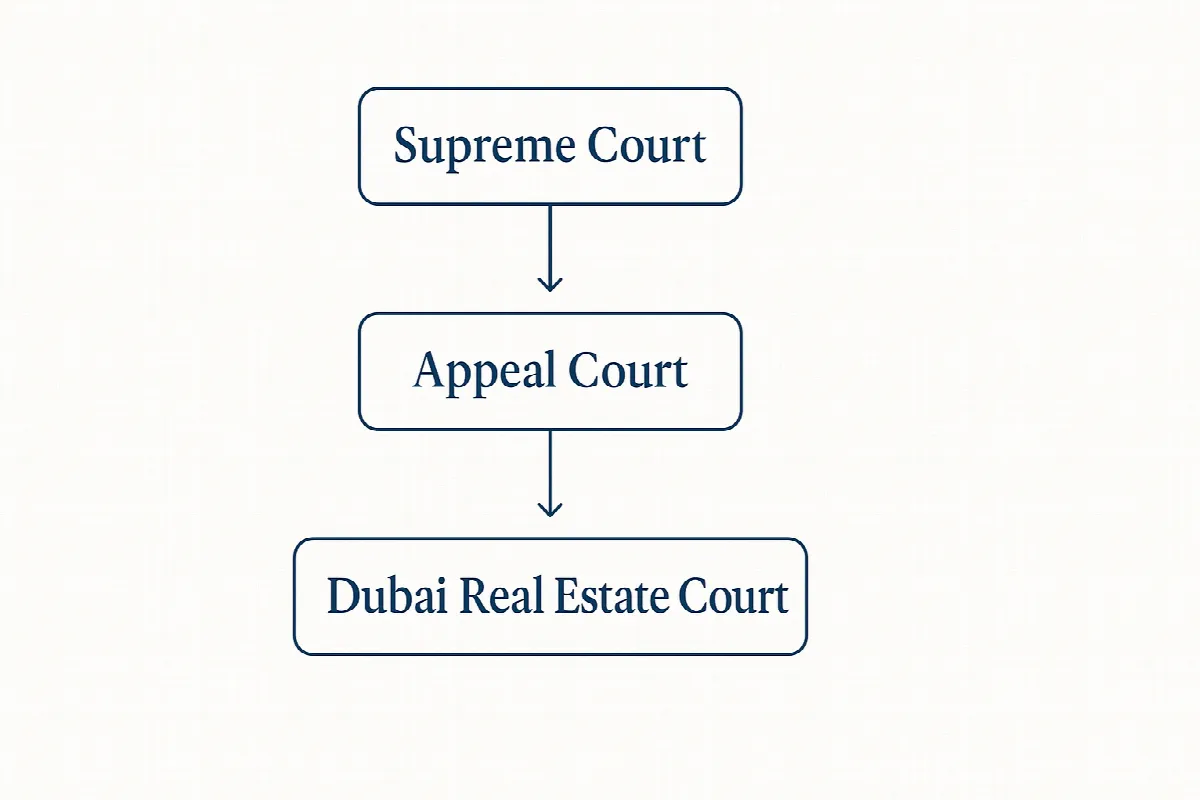
The investor subsequently demanded a substantial refund of Dh20.5 million from the developer, alongside additional compensation of Dh1 million and 12% annual interest. This demand escalated through Dubai’s comprehensive court system.
The legal proceedings moved through three levels of Dubai’s judiciary system. Initially, the Dubai Real Estate Court ruled in favour of the developer. The investor appealed this decision, but both the Appeal Court and the Supreme Court (Court of Cassation) upheld the original ruling.
According to Dr Hassan Elhais from Awatif Mohammad Shoqi Advocates and Legal Consultancy, who served as the developer’s legal consultant, the Supreme Court confirmed a crucial legal principle: missing escrow account deposits alone do not justify property refund claims when units have already been delivered.
Why do escrow account issues not guarantee property refunds?
Dubai’s property law requires examining multiple factors beyond escrow procedures when evaluating refund claims. The Supreme Court ruling established that investors cannot claim damages from escrow irregularities without demonstrating actual harm from these procedural issues.

The court determined that no measurable harm occurred from the escrow account oversight, particularly since the investor requested a refund without seeking termination of the original sales and purchase agreement (SPA). This distinction proved legally significant.
The investor attempted to argue that their property’s resale value suffered due to the escrow oversight. However, they could not provide concrete evidence supporting this claim. The court noted that the developer had fulfilled their primary obligation under the SPA: delivering the promised units as agreed.
Legal precedents in Dubai consistently show that developers who meet their contractual obligations—especially unit delivery—maintain strong legal positions even when administrative procedures have minor irregularities.
What role did proper documentation play in this case?
Documentation disputes formed another pillar of the investor’s legal strategy. They claimed that despite the developer receiving the purchase price, they never received proper payment receipts for portions of their investment.
The Dubai courts rejected this argument because the developer acknowledged receiving all payments. Dubai’s legal system generally accepts developer confirmations of payment receipt as sufficient proof of transaction completion.
This aspect highlights the importance of maintaining comprehensive documentation throughout property transactions. While missing receipts created initial concerns, they did not override the fundamental fact that both parties acknowledged the completed payment transfer.
Property lawyers frequently advise clients that payment acknowledgement from developers carries significant legal weight in Dubai’s courts. This case reinforces that principle while demonstrating the courts’ practical approach to commercial property disputes.
Which property areas in Dubai face the highest litigation risks?
Al Barsha South, where this case originated, represents one of Dubai’s established residential areas with typically stable property values. The area’s maturity generally reduces investment risks compared to emerging developments.
However, even established areas can face legal challenges. Investors should conduct thorough due diligence regardless of location prestige or historical stability. Dubai’s property regulations continue evolving to protect all stakeholders.
Premium areas like Dubai Marina, Downtown Dubai, and Palm Jumeirah often involve larger transaction values, potentially increasing dispute stakes. The higher values can motivate more aggressive legal strategies from all parties involved.
Understanding area-specific regulations and market conditions helps investors make informed decisions. Professional legal consultation becomes even more critical for high-value transactions in prestigious locations.
How can property investors protect themselves from similar disputes?
Comprehensive legal review before signing any sales and purchase agreement prevents most disputes. Property purchase procedures require careful attention to detail and professional guidance throughout the process.
Working with experienced property lawyers who understand Dubai’s courts and precedents provides crucial protection. This case demonstrates that even technical violations don’t automatically favour investors if developers meet their primary contractual obligations.
Investors should maintain detailed records of all payments, communications, and agreements. While this case showed that missing receipts don’t always defeat developer positions, comprehensive documentation always strengthens investor protection.
Consider title insurance and comprehensive due diligence on developer track records. Understanding previous court cases involving specific developers helps assess potential litigation risks before committing significant funds.
What legal remedies remain available for aggrieved property investors?
Dubai’s legal system offers multiple avenues for investors facing legitimate developer breaches. The key lies in understanding which circumstances justify legal action and which situations require accepting commercial realities.
Investors can pursue claims for actual delays in unit delivery, significant construction defects, or clear breaches of sales agreement terms. The courts generally favour parties who can demonstrate measurable financial harm from specific contractual failures.
Mediation through RERA (Real Estate Regulatory Agency) often provides faster, less expensive resolution than court proceedings. Many property disputes benefit from professional mediation before escalating to formal litigation.
Alternative dispute resolution mechanisms continue developing within Dubai’s legal framework. These options often provide more practical solutions than lengthy court battles that may not guarantee favourable outcomes.
Frequently Asked Questions
How long do property refund cases typically take in Dubai? Property litigation in Dubai usually takes 6-18 months depending on case complexity and court schedules. This case progressed through three court levels, indicating the investor’s determination to pursue their claim despite initial adverse rulings.
Can investors recover legal costs in unsuccessful property disputes? Dubai courts may award legal costs to winning parties, but amounts vary significantly based on case circumstances and court discretion. Losing parties often face substantial cost burdens beyond their initial investment losses.
What evidence do investors need to prove escrow account violations? Investors must demonstrate actual financial harm resulting from escrow irregularities, not merely procedural non-compliance. Technical violations alone rarely succeed without proof of measurable damages.
Should property investors always avoid developers with previous court cases? Previous litigation doesn’t automatically disqualify developers, but investors should investigate case outcomes and current standing. This case actually strengthened the developer’s legal position by establishing favourable precedent.
How do Dubai courts typically handle multi-million dirham property disputes? Dubai’s courts apply consistent legal principles regardless of transaction value, though higher stakes often result in more thorough legal arguments and appeals through multiple court levels.
Key Takeaway
Dubai’s property law favours parties who fulfil their primary contractual obligations, even when minor procedural irregularities occur. This Dh20 million case establishes that escrow account oversights alone cannot justify substantial refund claims when developers deliver promised properties as agreed. Property investors must focus on fundamental contract performance rather than technical compliance issues when evaluating potential legal strategies.
Further Reading:
The UAE week, every Monday
The week's stories on jobs, visas, money and daily life in one short email. Unsubscribe in one click.