Would You Take a Pay Cut for AI Skills? 67% of UAE Workers Say Yes
67% of UAE professionals would accept temporary pay cuts for AI training. Discover why Gulf workers prioritise AI skills over immediate salary gains in 2025.
By Vadim Kouznetsov, published

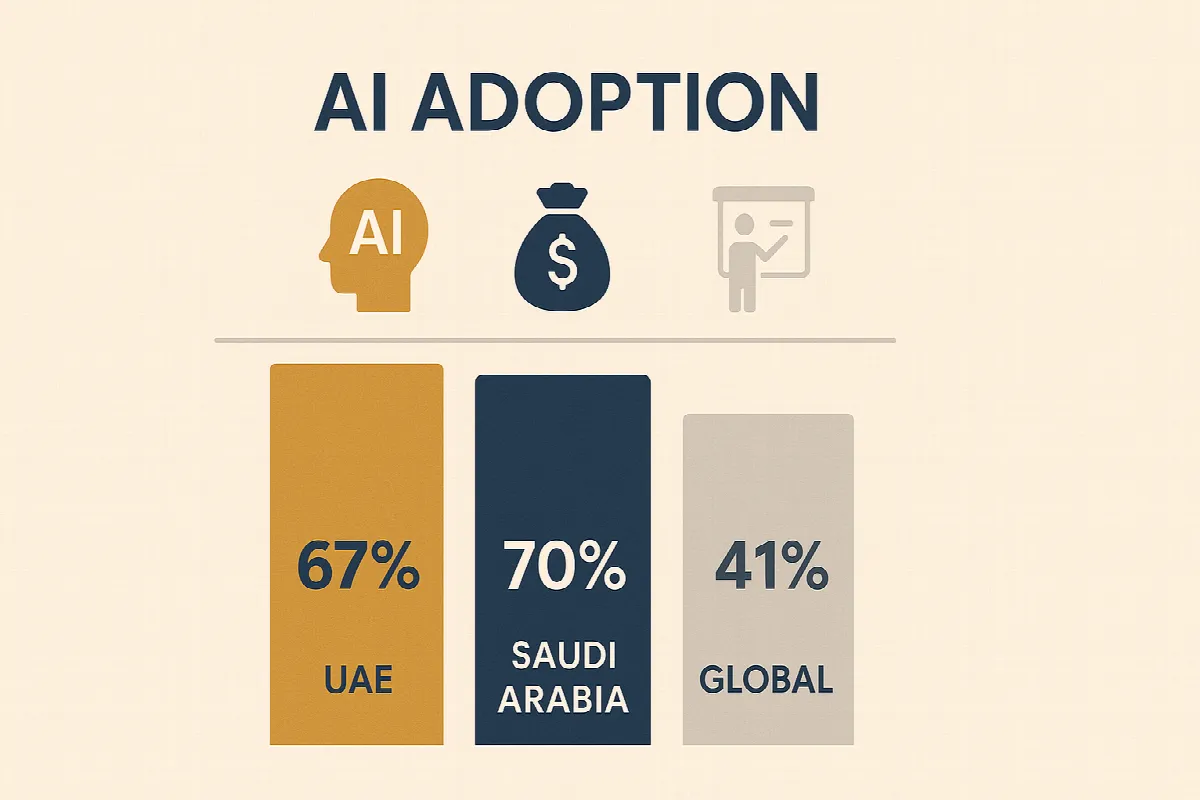
Quick Answer: Yes, 67% of UAE professionals and 70% of Saudi workers would accept temporary salary reductions to gain AI training, viewing this as strategic career investment rather than sacrifice. This trend reflects the region’s forward-thinking approach to workplace transformation.
The Middle East is leading a global shift in how professionals view career development. Recent data from Oliver Wyman’s mid-2025 survey of over 16,000 workers across 18 countries reveals a striking pattern: Gulf region employees are willing to make short-term financial compromises for long-term AI expertise.
Why Are UAE Workers Embracing This Trade-Off?
The mathematics behind this decision are compelling. Professionals in the Emirates understand that temporary salary reductions lead to enhanced skill sets, expanded responsibilities, and ultimately higher-level positions. This strategic thinking sets them apart from the global average of just 41% willing to make similar trades.
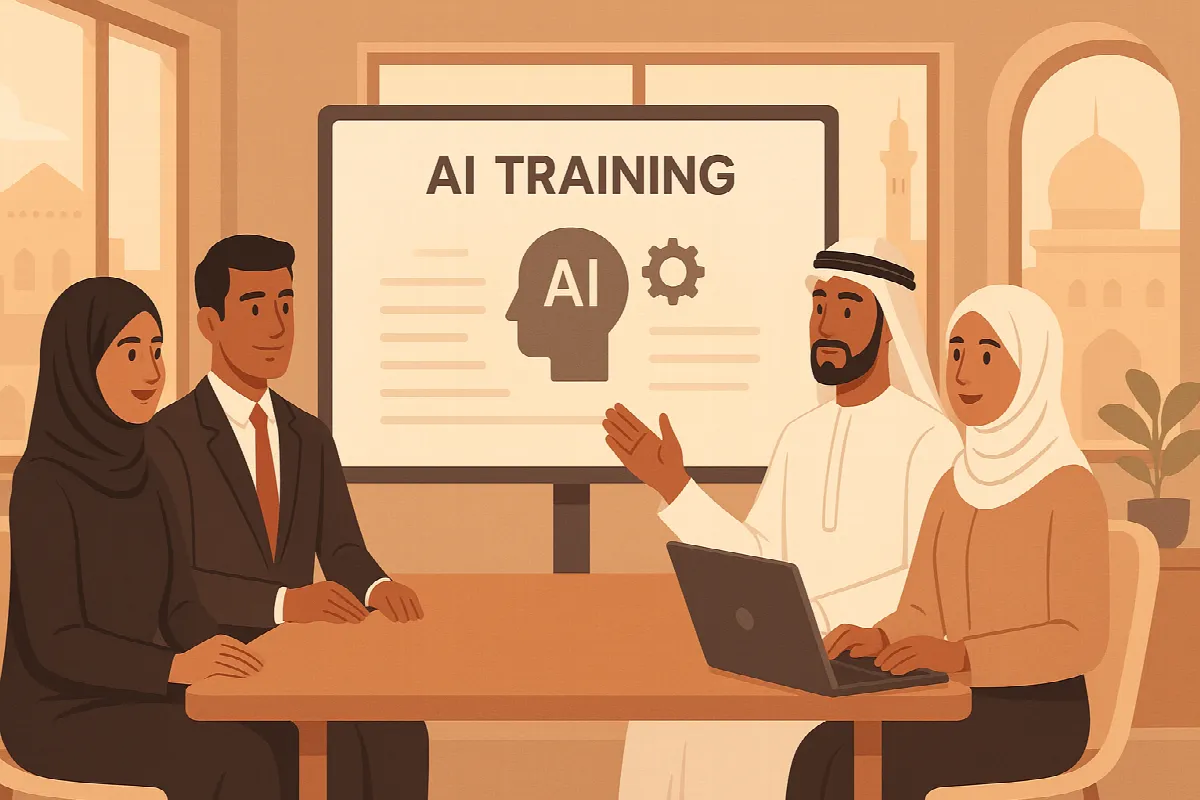
“Their willingness to trade immediate earnings for AI skills shows strategic foresight, not sacrifice,” explains Jad Haddad, Global Head of Quotient – AI by Oliver Wyman. “Companies that match this enthusiasm with solid training and trustworthy internal tools can convert it into productivity and growth.”
How Does AI Adoption Look in the Region?
The UAE and Saudi Arabia are already ahead in practical AI implementation. Only 7% of UAE workers and 6% of Saudi professionals report never using AI at work, compared to 23% globally. This existing comfort level explains why regional workers are more open to deeper AI integration.
Furthermore, resistance to AI collaboration remains minimal. Just 7% of UAE and 5% of Saudi workers would resist working alongside AI systems, versus 21% worldwide. This acceptance creates fertile ground for human-AI partnerships.
What About Automation Concerns?
Despite their AI enthusiasm, regional professionals maintain balanced perspectives on automation limits. Around 35-36% of UAE and Saudi respondents support restrictions on automation in sensitive sectors like healthcare and education, compared to 26% globally.
Interestingly, 61-62% of regional workers would support full automation if paired with universal basic income or social welfare compensation, versus just 40% globally. This pragmatic approach balances technological progress with social protection.
What Does This Mean for Companies?
Organisations in the UAE and Saudi Arabia have a rare opportunity. Their workforce is not only willing but eager to invest in AI skills development. Companies that provide comprehensive training programmes can expect increased productivity, employee loyalty, and competitive advantage.
The key lies in matching worker enthusiasm with quality training resources and trustworthy AI tools. This combination transforms individual career investment into organisational growth.
How Will This Shape the Future Workforce?
Regional professionals are co-investing in their own futures, recognising that AI adoption is inevitable. This mindset reflects deeper workforce transformation already occurring across the Gulf states.
As Haddad notes, “AI can amplify human potential, but only if we prioritise trust, skills, and policies that support human-AI collaboration. The workforce in Saudi Arabia and the UAE recognises the balance between embracing AI-led economic accelerators and protecting workforce creativity, equity, and job satisfaction.”
FAQ: AI Skills and Career Development
Q: How long do pay cuts for AI training typically last? A: Pay reductions are temporary, designed to offset training costs while employees develop new competencies that lead to higher-level roles.
Q: What AI skills are most valuable in the UAE job market? A: Predictive analytics, blockchain integration, and AI system management are among the most sought-after capabilities.
Q: Do all industries support this training approach? A: Most sectors embrace AI skills development, though healthcare and education maintain some automation restrictions.
Q: How does the UAE compare to other countries in AI adoption? A: The UAE significantly outpaces global averages, with 93% of workers using AI tools compared to 77% worldwide.
Q: What should job seekers know about AI skills requirements? A: AI literacy is becoming standard across industries, making early adoption a competitive advantage rather than optional training.
Key Takeaway
The UAE’s workforce demonstrates exceptional strategic thinking by accepting temporary pay reductions for AI skills development. This approach positions the region as a global leader in workforce transformation, with 67% of professionals prioritising long-term career growth over immediate financial gains. Companies that capitalise on this enthusiasm through comprehensive training programmes will gain significant competitive advantages in the evolving job market.
Stay updated with the latest career trends and job opportunities in the UAE. Visit JobXDubai for more insights into the region’s evolving employment landscape.
Further Reading
The UAE week, every Monday
The week's stories on jobs, visas, money and daily life in one short email. Unsubscribe in one click.